
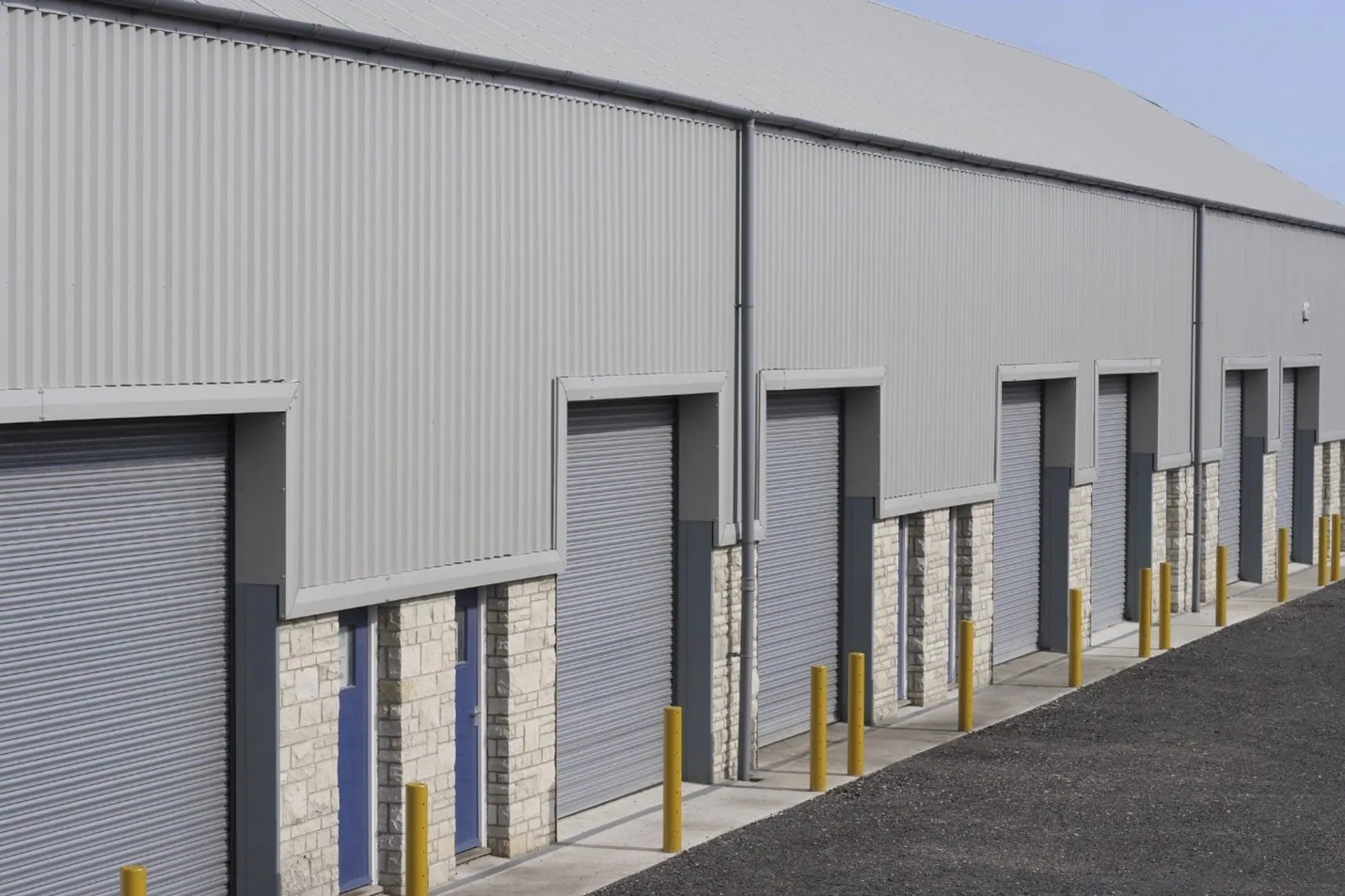
A manufacturing operation needs a repair scope that identifies the roof defect without treating the entire production building as one repair area. In Honolulu, HI, Commercial Roofers Honolulu examines damaged seams, flashings and membrane surfaces separately, then connects each finding to a proposed repair. Lower Mapunapuna includes industrial uses, where roof work can require coordination with deliveries, equipment and interior operating areas. We establish the material and detail involved before selecting a repair method, so the work reconnects to a suitable existing assembly.
The covered market buildings in Chinatown introduce a different operating consequence: localized roofing work may affect merchandise, service access and spaces used throughout the day. We identify the protection required below each repair and explain which defect the work addresses. A planned repair should leave the owner with a recognizable boundary, a compatible waterproofing connection and a record that distinguishes completed work from deterioration elsewhere on the roof.
Defects receive separate findings
A puncture through a sound membrane calls for a different assessment from a seam that is separating across a wider run. We examine the surrounding material, the repair history and the condition below the visible defect. Brittle surfaces, loss of attachment or wet underlying insulation can expand the work beyond the apparent damage. The findings identify that expansion directly, including any need for further examination before the final repair boundary can be established.
At penetrations, the visible sealant may be only one part of a failed connection. We check the flashing arrangement, support, termination and movement at the equipment or pipe. Replacing exposed sealant while leaving a loose termination can allow the same junction to open again. A repair to failed flashing connections may therefore include rebuilding the detail and addressing its support, rather than applying material over the exterior appearance of the failure.
Compatibility controls the method
Roof surfaces with similar colors can have different chemistry and joining requirements. We identify the existing system through available records and examination, then select the appropriate material and preparation. A welded repair needs a surface that can be cleaned and joined effectively; an adhesive or taped repair needs its specified preparation and curing conditions. The age and contamination of an existing sheet can affect the repair connection even where the material identification is clear.
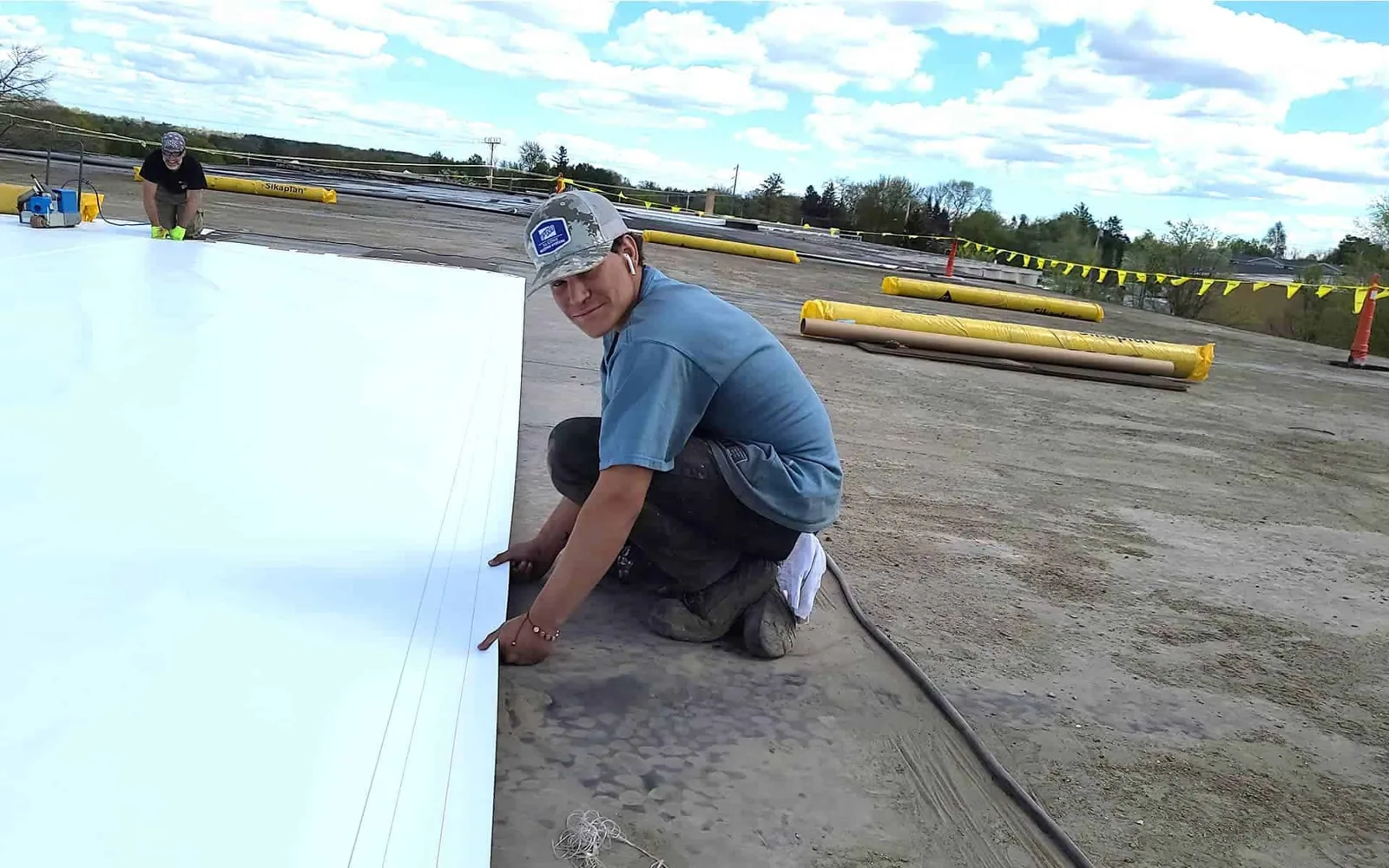
For EPDM membrane repairs, preparation and the selected flashing materials determine how the patch connects to the existing rubber surface. A PVC roof repair uses another joining approach and compatibility assessment. We define these requirements within the proposed work, including treatment of earlier patches that interfere with a sound connection. Mixing materials based only on what is available can make a local defect harder to repair and obscure the assembly history.
A repair over a wet layer also needs a removal decision. We inspect accessible insulation and supporting materials where the defect makes an opening necessary. Replacing a damaged membrane section without addressing saturated or deteriorated material beneath it would leave an unresolved condition in the repaired area. Where the suspected moisture extends farther, we explain the additional investigation needed to establish its boundary before the permanent repair is closed.
Repair limits stay visible
Marked roof photographs let the owner relate each proposed action to a particular location. We distinguish punctures, seam repairs, rebuilt corners and termination work, with dimensions or identifiable references where useful. The scope also describes preparation, material removal and the connection to retained roofing. These details matter when repairs are separated into immediate work and later budgeting, because a temporary water-control measure and a permanent assembly repair serve different purposes.
Repair can be appropriate where defects remain localized and the surrounding assembly is serviceable. Widespread attachment loss, repeated deterioration across connected details or extensive wet insulation can justify comparison with replacement of the affected roof area. We present the condition that drives that comparison and explain what a limited repair would leave in place. The owner can then authorize work with a clear understanding of its reach, instead of receiving a broad promise disconnected from the roof findings.
Access protects the repair
A repair beside rooftop equipment can require shutdown, repositioning or temporary protection by another trade. We identify those requirements before opening a curb or removing a detail that supports continuing operations. For manufacturing buildings with active operations, coordination includes the work area below the roof and the path used to move material. Dust, debris and tool access need their own arrangements where they could affect equipment or products.
Hawaii’s trade winds can interfere with loose material and work at exposed details, while its heavier winter rain makes closure timing consequential. We select a weather window suited to the repair material and the amount of roof being opened. Rainfall, surface moisture and curing needs can change that sequence. The owner receives a clear explanation of any temporary protection and the condition required before the permanent connection can proceed, including how an unfinished repair will be secured.
Drain-related defects may be mistaken for membrane failure when water is being held against an otherwise serviceable detail. We examine debris, outlet condition and the roof profile near the repair. Correcting a seam while leaving obstructed drainage would preserve that stress on the surrounding assembly. Where the issue includes an outlet or sump, drainage repair is identified as a separate action with its own connection to the waterproofing work.
Acceptance follows the detail
The completed repair record should show both the prepared area and the final connection. We photograph material removed, the supporting condition found and the rebuilt waterproofing before the work becomes difficult to distinguish beneath later maintenance. The inspection checks the relevant seam, termination or flashing connection and identifies any component left outside the repair. A neat finished appearance is useful, but acceptance also depends on whether the intended connection was completed and surrounding defects were addressed as specified.
Owners of property in Lower Mapunapuna’s industrial area can retain that record alongside equipment changes and routine roof observations. A later leak can then be compared with a known repair location and scope. Where leakage remains active or its origin is uncertain, leak tracing and control should establish the entry path before a planned patch is treated as the solution. That distinction keeps diagnostic work connected to the defect the repair is intended to resolve.
Commercial Roofing Questions
Can an old patch be incorporated into the new repair?
Its material, adhesion and surrounding condition determine whether it can remain. We examine the patch and identify removal where it obstructs a dependable new connection. Covering a loose patch would preserve movement beneath the new material.
Why might the repair extend beyond the visible puncture?
Underlying moisture or damaged supporting layers can require a wider opening. The scope explains that extent and shows how the replacement materials join suitable retained roofing.
Will repairing a seam resolve nearby ponding?
Seam work addresses the waterproofing connection. Drainage obstruction or poor roof geometry requires its own assessment and, where necessary, a separate correction.
What distinguishes temporary sealing from an accepted repair?
A permanent repair completes the specified assembly connection with suitable preparation and materials. We identify any temporary measure and the later work needed to replace it.
How can repair records assist a future roof examination?
Photographs and location markings show what changed and what remained. They let later findings be compared with the repaired detail rather than an uncertain account of prior work.
Identify the necessary repair
Arrange examination with Commercial Roofers Honolulu to connect each roof defect with a compatible repair, defined work limits and a completed detail record.
Tell Us About Your Roof
We will follow up to set up a time to walk the roof.

Request a Roof Assessment
Tell us about the building and what you are seeing. We will follow up to set up a time to walk the roof.