
An apartment manager dealing with repeated repairs needs the rubber membrane and its existing connections identified before another patch is approved. Commercial Roofers Honolulu assesses and installs EPDM roofing in Honolulu, HI, with attention to seam condition, compatible detail materials and the layers below the sheet. Makiki’s older housing and apartment buildings and Ala Moana’s residential-commercial mix offer occupied settings for that work. We connect the observed defects to a repair or installation scope, giving the owner a material basis for deciding what can remain.
EPDM is a rubber membrane used in single-ply roofing, with seam and flashing methods that differ from heat-welded thermoplastic systems. Compatible tapes, adhesives and formed or flexible detail components need appropriate preparation. The sheet’s flexibility does not resolve every connection or supporting condition. We examine the actual arrangement and explain the work required at field seams, penetrations and edges, rather than treat a broad description of rubber roofing as a complete construction proposal.
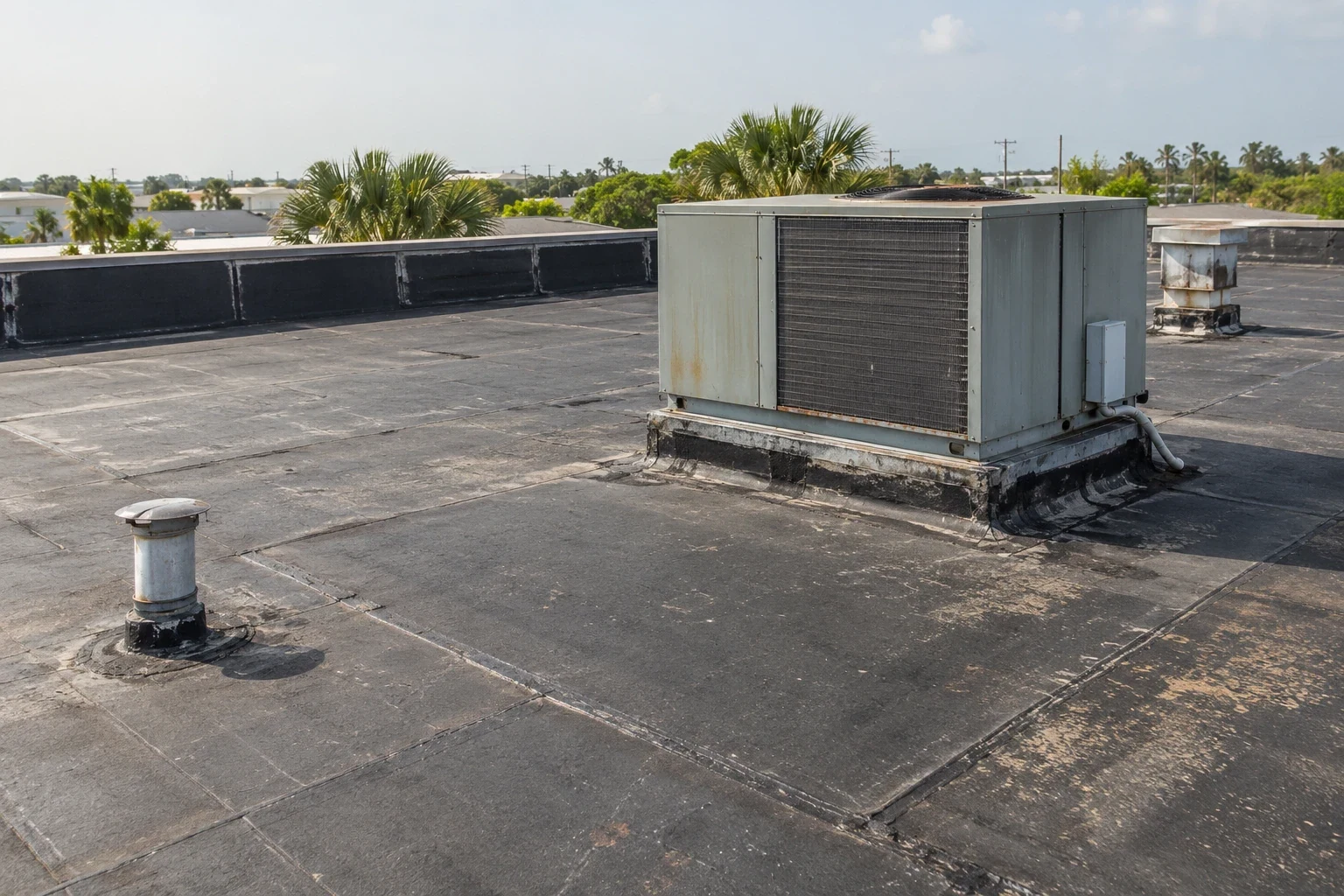
Identification prevents an unsuitable repair
Available installation records and direct examination help establish the existing membrane and earlier repair materials. A dark sheet is not sufficient identification by itself. We look at the construction and connections, then identify any product uncertainty relevant to the proposed work. Previous coatings or treatments can change preparation and compatibility requirements. Those conditions are recorded before repair material is chosen so the new connection is not based on an assumed roof type.
A membrane condition assessment examines the accessible field and details together. Cuts, exposed reinforcement where present, separation and deteriorated repairs are identified by location. Surface marks are considered with the surrounding condition rather than automatically receive the same response. If an apparent local defect coincides with wider deterioration or concealed damage, the owner receives the investigation needed to decide whether a patch is an appropriate scope.
Seam preparation remains consequential
An EPDM seam repair requires a suitable bond to the retained material and the compatible connection method for the system. Cleaning, priming and preparation follow the selected repair requirements. Contamination or loose earlier material can prevent a durable junction, so another strip placed over an unprepared seam may leave the original problem unresolved. We identify the area requiring removal or preparation and record the condition that the repair will join.
The repair also needs an appropriate boundary. A separated edge may extend into a larger affected connection, and its surrounding membrane must be suitable to receive the new work. We examine that extent before defining the patch. A located roof repair scope describes the material, preparation and closure rather than rely on a generic instruction to seal the leak. Relevant photographs show the retained seam condition and the finished repair with recognizable roof references.
Where water may have entered below the membrane, a seam repair does not establish that concealed layers can remain. The owner’s leakage account and accessible findings inform any additional investigation. Confirmed wet or deteriorated material receives a defined response before the surface is closed. We explain how replacement layers reconnect with the retained assembly, distinguishing the waterproofing defect from its effect on insulation or support beneath it.
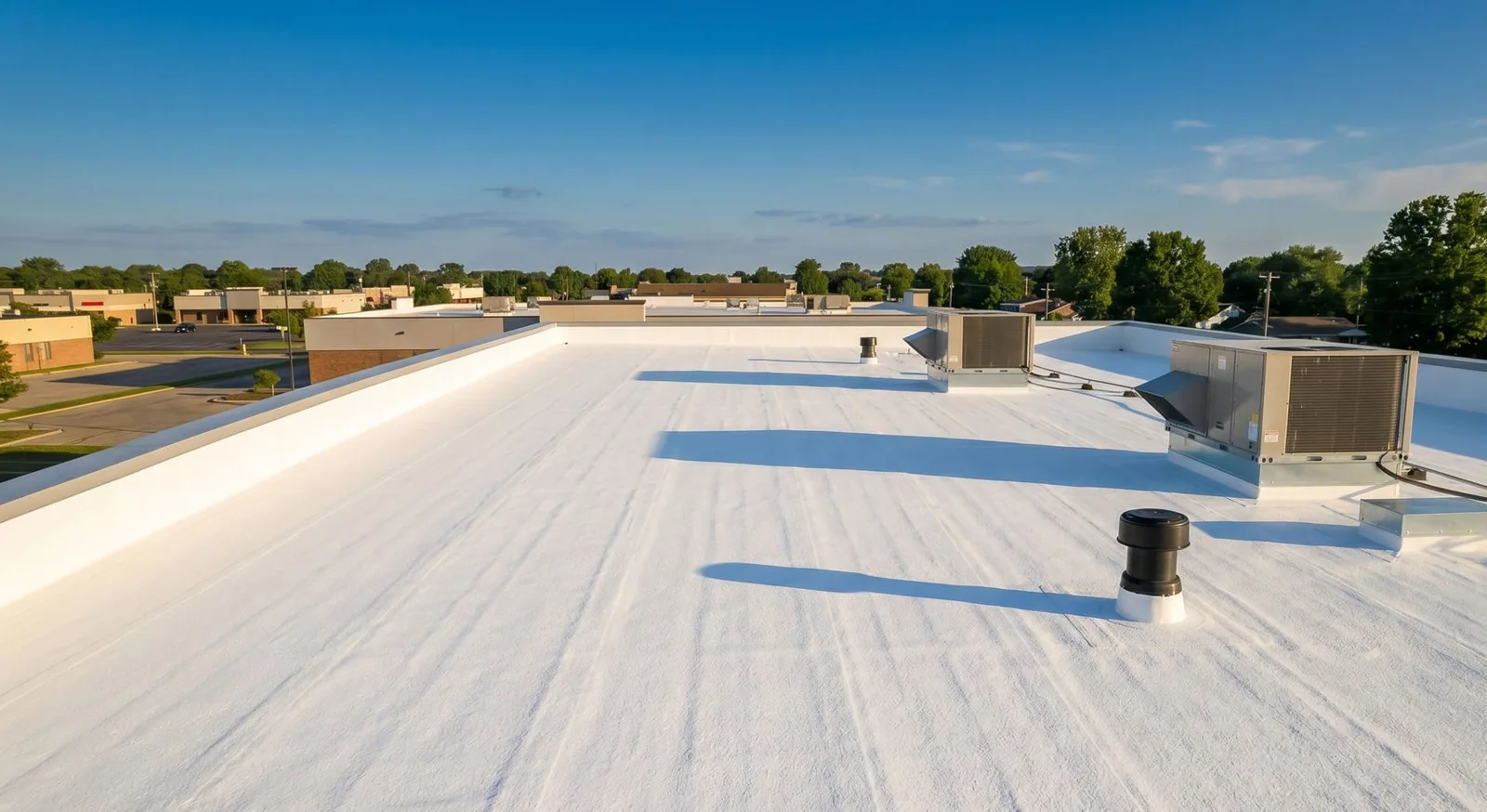
Flexible material still needs supported details
At a pipe or curb, the component’s shape, movement and backing affect the flashing arrangement. Compatible EPDM detail materials are selected for the actual junction and prepared as required. A moving pipe or loose curb can place stress on a newly completed connection, so the responsible trade may need to address that condition first. Reconstruction of penetration flashing identifies those dependencies before roofing closure proceeds.
Wall and edge terminations need sound support and a suitable method of securing the membrane. We examine existing backing, attachments and weather protection above the termination. A surface sealant repair cannot substitute for correction of an unsupported or displaced connection. The proposal identifies the retained components and the work necessary to create a defined junction, including concealed conditions that must be established during removal.
Drain connections are coordinated with the selected membrane detail and the drain’s condition. The surrounding surface and outlet elevation affect water movement, while damaged clamping or supporting components can change the scope. We record those findings separately from membrane selection. A suitable rubber sheet does not correct a defective drain body or drainage geometry; the completed assembly needs both an appropriate waterproofing connection and a workable outlet arrangement.
New installations include the supporting assembly
An EPDM installation proposal identifies the deck, insulation, any specified cover board and attachment arrangement along with the membrane. Suitable retained material needs a supporting assessment; confirmed damage is addressed through defined removal. We coordinate thickness with curbs, walls and edges, so the field installation does not leave adjoining details with insufficient space for a proper termination. Material selection follows the complete project requirements rather than a preference for one visible sheet.
Owners comparing a heat-welded TPO system or a modified bitumen assembly should review their distinct preparation and detail requirements. The alternatives can involve different installation operations and retained-layer decisions. We explain the proposed scope for each appropriate option, allowing the owner to compare construction consequences rather than assume that different materials deliver identical work beneath a new waterproofing surface.
For occupied apartment roof installation, the work sequence addresses access, areas below openings and equipment serving the building. Hawaii’s heavier winter storm rainfall affects protection when layers are exposed. The crew assesses the available weather window and closes opened work appropriately before stopping. Materials and prepared surfaces are checked before concealment so the final membrane does not hide a condition created during construction.
Later care uses the installed material record
Owners in Makiki’s apartment and residential area receive a description of the installed or repaired EPDM system with relevant preparation and closure photographs. Future technicians should know which methods and materials are compatible before treating a new defect. Roof traffic and equipment work are coordinated with suitable protection, particularly at regularly serviced locations. Recording an altered penetration or new access route helps keep later findings connected to changes in roof use.
Material-specific preventive care examines seam edges, transitions and repair locations as part of a useful condition record. A recurring defect is compared with the earlier work instead of receiving another unexplained patch. We identify outstanding conditions outside the completed scope and the next assessment needed where uncertainty remains. The owner then retains an assembly account that supports both current repair acceptance and a later decision about broader roofing work.
Commercial Roofing Questions
Why identify the membrane before repairing a dark roof sheet?
Appearance alone may not establish the material or compatible repair method. Installation records and examination help determine the existing system and preparation needed for a suitable connection.
Are EPDM seams repaired by heat welding?
EPDM uses its appropriate compatible seam and detail methods rather than the heat-welded junctions of thermoplastic membranes. The selected system requirements govern preparation and repair components.
What if an earlier patch has separated again?
We examine the retained surface, preparation concerns and movement at the detail. The response should address the condition causing the recurrence instead of simply placing another layer over it.
Can a flexible membrane accommodate an unsupported pipe?
Component support and movement require assessment before flashing is rebuilt. Flexibility does not establish that an unstable service penetration can receive an appropriate permanent roof connection.
Which record helps determine whether a broader roof project is needed?
Located recurring defects, concealed findings and completed repair descriptions provide a useful basis. We relate those records to current assembly condition before comparing continued repair with broader work.
Establish the rubber membrane connection
Arrange an EPDM roofing assessment with Commercial Roofers Honolulu to identify the existing assembly and define compatible preparation, seams and detail work.
Tell Us About Your Roof
We will follow up to set up a time to walk the roof.

Request a Roof Assessment
Tell us about the building and what you are seeing. We will follow up to set up a time to walk the roof.