
Roof work near a planned station area needs an access plan based on the building today, not on a future map. Kapalama is a district in Honolulu’s Kalihi transit-oriented-development corridor, and city planning identifies revitalization near Downtown. An Iwilei and Kapalama infrastructure assessment also identifies improvements needed for future station-area development. We examine the roof that is present, locate the reported water and record the seams, edges, drains and penetrations we can reach. Before opening a layer, we agree on the boundary and closure. The owner receives a repair scope tied to those findings, not a forecast based on a development plan.
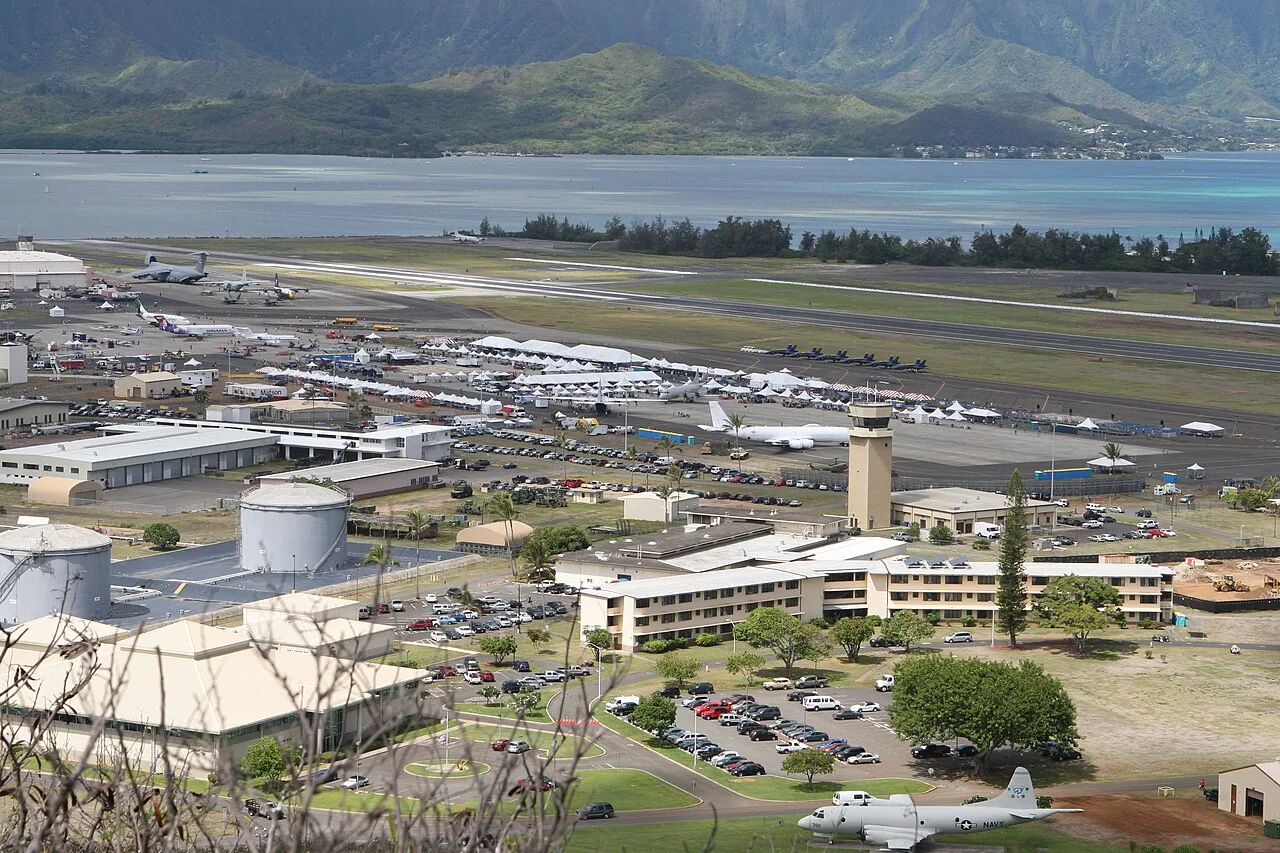
Plan from present access
Planning for future station-area development can make circulation and access questions important, but the actual work route is set with the property team. We confirm roof entry, material staging, occupied areas and any restriction on loading or work hours. Then we trace the reported condition across the roof. A ceiling stain may sit away from a seam or curb, so the examination follows the accessible drainage paths and membrane transitions. If an opening is needed to check concealed insulation or cover board, it is limited to an agreed location and photographed before removal.
The broad district matters for coordination, not as a claim about what a particular roof contains. A roof in lower Kalihi’s commercial and maritime area raises different operating questions from one near Downtown Honolulu’s civic center. For the property itself, our roof inspection creates a record of accessible conditions and open questions. If the building remains occupied, phased work planning can set daily boundaries and protection below.
Identify the installed layers
Future station improvements do not say whether an existing property has a single membrane, a recover layer or older built-up material. We identify the visible assembly by examining seams, field surface, edges, penetrations and prior patches. Where records are available, we compare them with the roof rather than assuming they remain current. If a concealed layer will change the repair decision, an approved opening exposes the actual sequence. We note whether insulation is wet, cover board is compromised or the substrate can accept a new tie-in. Photographs make the location and removal limit clear before the opening is closed.
The repair depends on those conditions. A membrane patch needs sound material at the edge; flashing at a curb or wall needs an uninterrupted transition; a drain correction needs a verified drainage issue. We do not replace the whole assembly to correct an isolated defect unless other findings support that choice. Leak tracing and repair can address a confirmed entry point. If the roof is modified bitumen or built-up roofing, preparation and seam treatment follow that system, not a generic detail.
Compare a repair with a broader scope
The owner may be weighing a localized correction against a phased restoration or full replacement. We compare the options against the same observations: prior repairs, membrane condition, drainage, attachment, moisture and perimeter details. A recover may retain existing layers only if the assembly and applicable requirements support it. If concealed moisture is present, adding a surface can hide the condition rather than resolve it. A coating also depends on a prepared, stable substrate and details that can be made continuous. Replacement can address a failing assembly, but it brings a larger removal area, more material movement and a longer sequence to coordinate.
We state removal limits, transitions, protection and any approval point for additional concealed work. That makes a proposal useful when a property manager needs to coordinate access with development planning or ordinary tenant operations. Replacement work includes the edges and penetrations where the field system terminates. If keeping an existing roof is under consideration, recover evaluation records the conditions that support or rule out that option. A capital plan can carry the current finding forward without treating a proposed station area as a completed building condition.
Set the weather closure
Hawaii’s most substantial rainfall is associated with winter storms during the October-to-April period, and local conditions change over short distances. We use that climate pattern as context and check the actual workday before opening the roof. The phase size depends on the time needed to remove material, complete the repair and restore a watertight surface. Trade winds affect handling at exposed edges, so loose insulation, sheets and temporary covers must be secured. If the available weather window changes, a later section can wait while the first one is made safe.
Access and closure also account for people below. We agree who can enter the work area, where materials move and how occupants are protected. Each shift ends with a documented condition that identifies any temporary protection still in place. For a roof with an active leak, storm-related examination records the visible condition before it changes. A maintenance visit can note drains, seams and flashing between larger repairs. The work record ties the weather decision to the exact roof phase rather than calling an entire district dry or exposed.
Keep opening evidence with the repair
When an opening exposes a concealed layer, we record what was found, the material removed and the boundary that remains outside the approved work. If wet insulation continues past that limit, the crew pauses and shows the owner the added condition. That decision point preserves control over removal and price. The record also shows how the new membrane connects with existing material and which flashing details were rebuilt. Once covered, those layers cannot be reconstructed from a final surface photograph, so the sequence needs a location, date and clear view before closure.
Repair acceptance checks the details in the authorized scope. We examine seam closure, terminations, penetrations, perimeter conditions and drainage, and identify any agreed test area. For buildings in an area with future infrastructure planning, a precise record can help later teams understand which work belonged to the roof and which access assumption was current at that time. A condition report can preserve the evidence for the next property review. Where curbs are involved, equipment support details can be recorded alongside the field repair.
Authorize only the known work
A decision-ready scope says what was examined, what the roof showed, what can be repaired now and what still needs access. We identify the roof area, material, removal limit, temporary protection and expected closure. If another concealed condition could expand the work, the proposal states how the owner will review it before the boundary changes. Timing reflects access, operating hours, material delivery and weather. That gives a building owner a defined authorization instead of a broad allowance that leaves the crew and manager to settle scope at the opening.
Share any roof drawings, earlier repair records, room reports and current access restrictions when arranging an examination. If the wider property program needs recurring inspections, roof asset records can organize future observations. A separate Moiliili commercial district has different access context, and it does not stand in for this roof. Commercial Roofers Honolulu will leave Kapalama’s work with a location-based closeout and a clear next decision for the owner.
Commercial Roofing Questions
Does planned station-area redevelopment show what a nearby roof contains?
No. Planning identifies future-area context and infrastructure needs. We inspect the current property and document the assembly and access that are actually present.
Can the repair crew use a future access route?
The property team confirms current access, staging and operating limits. We plan around those conditions and record any restriction that affects the work sequence.
What if the roof opening reveals wet insulation?
We record the layer and the area exposed, then pause at the authorized limit. The owner reviews the finding and approves any expanded removal before work proceeds.
When would you compare replacement with a recover?
We review moisture, attachment, substrate and applicable requirements. A recover is priced only when existing layers can remain; broader failure may support replacement instead.
How is the roof left during a weather pause?
The phase is sized for a secure closure. We document the completed boundary, keep drainage clear and identify any temporary protection the owner should expect to remain.
Examine the property as it stands
Arrange a roof inspection for the reported condition. We will confirm access, document the assembly and provide a defined repair scope with a closure and acceptance record.
Tell Us About Your Roof
We will follow up to set up a time to walk the roof.

Request a Roof Assessment
Tell us about the building and what you are seeing. We will follow up to set up a time to walk the roof.