
A warehouse owner reviewing a bituminous roof proposal needs the ply arrangement and installation method explained before occupied work is scheduled. Commercial Roofers Honolulu assesses modified bitumen roofing in Honolulu, HI, with existing-layer condition, selected application and detail work included in the scope. Iwilei’s commercial-industrial buildings and the employment areas of lower Mapunapuna provide local contexts for that planning. We identify the material being retained or removed and the connections being rebuilt, allowing the owner to review the actual construction rather than accept a generic description of a multi-layer roof.
Modified bitumen membranes use asphalt modified with materials such as SBS or APP, together with reinforcement and a selected surface finish. Products and application methods differ. The appropriate system depends on the substrate, project requirements and operating conditions. We define the proposed plies and their installation requirements, keeping the material choice connected to the underlying assembly and the work needed at penetrations, edges and outlets.
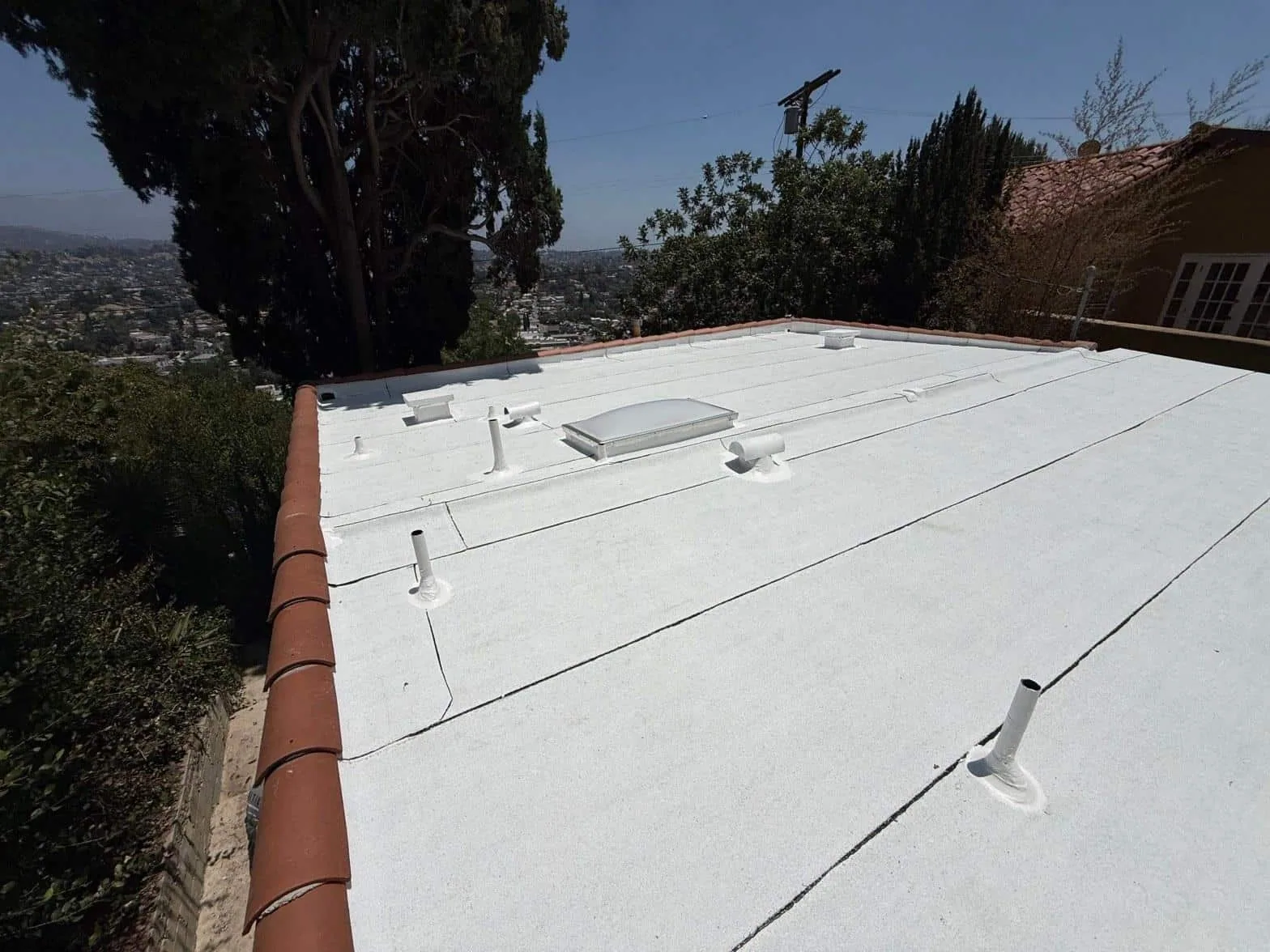
Existing plies need individual findings
An older bituminous roof can include original plies, resurfacing and repairs made by different methods. We examine available records and accessible findings to establish that construction where it affects the new work. Selective openings can reveal the layer sequence and concealed condition. Their locations remain in the record, particularly when different roof areas contain different arrangements. A surface patch should not be treated as proof of the condition or identity of every underlying ply. We confirm attachment, substrate and deck condition at the planned tie-in, then record the selected torch, cold-adhesive or self-adhered method before installation.
Splits, blisters, exposed reinforcement and separated laps receive a located assessment. Their distribution and adjoining material condition inform whether local repair is appropriate. A survey of the existing bituminous assembly can establish those observations and identify concealed questions. We distinguish a serviceable surrounding area from wider deterioration, explaining the investigation needed before a repair boundary or retention proposal is accepted.
Suspected moisture below the weathering surface can change the scope. Appropriate examination and confirmation identify damaged material requiring removal. The owner receives a description of the layers affected and the connection to retained roofing. Covering that area with another ply would not by itself resolve wet insulation or deteriorated support. The proposed work therefore addresses the material findings before defining the new waterproofing build-up.
Application choice changes the work plan
Modified bitumen products can be installed through different approved methods, including self-adhered, adhesive-applied or heat-applied arrangements where the selected system permits. The method is established for the actual product and substrate. It affects preparation, sequencing and the precautions required during execution. We specify the selected application method, surface preparation, sequence and precautions before coordinating access and occupied use.
Where an operation involves heat or other specific hazards, the relevant project controls and suitable conditions need to be established. The proposed work is reviewed with the building setting and the responsible parties’ requirements. A method acceptable in one roof area may not be appropriate near a particular detail or occupied condition. We identify those constraints and choose a supported assembly or sequence rather than force one application method across the entire project.
Self-adhered or adhesive-applied products still need suitable surfaces and working conditions. Material descriptions do not remove the need for cleaning, priming or preparation required by the system. The substrate and temperature conditions are evaluated for the planned operation. Preparation checks and relevant installed-layer photographs preserve the basis for completion, allowing the owner to review work that becomes concealed as subsequent plies are applied.
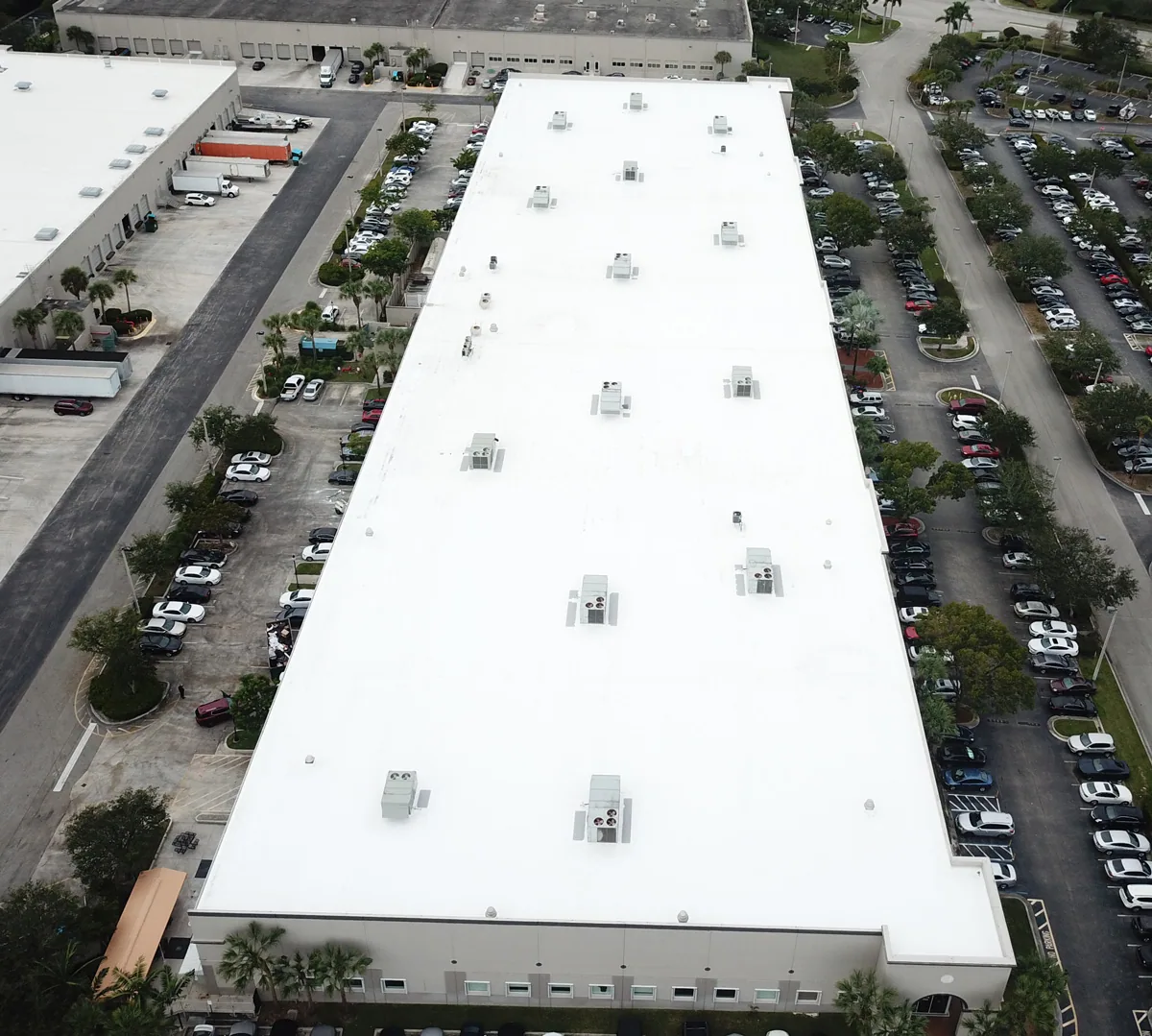
The ply arrangement connects to details
Base and cap layers are specified as a connected system, with laps and terminations arranged according to its requirements. Surface finish is considered with the intended use and any later maintenance. A new cap layer should not be presented as complete replacement if underlying material is retained. The scope makes that distinction explicit, identifying preparation, repair and layer work so the owner knows which parts of the assembly have actually changed.
Supporting insulation and board selection is coordinated with the application and roof geometry. Added thickness can affect drains, curbs and wall terminations. We identify those changes before field work proceeds. A suitable membrane product cannot compensate for insufficient detail height or an unsupported transition, so the required reconstruction belongs in the proposal rather than become an improvised adjustment after the new layers are installed.
Bituminous flashing reconstruction requires sound backing and the compatible detail method for the selected system. Corners, movement and upper terminations receive their own assessment. At drains and perimeter edges, the connection is coordinated with retained components or defined replacements. Photographs of relevant preparation and layer transitions provide an account of how the field and details were joined before the final surface obscures part of the work.
Alternatives are compared as complete scopes
A built-up roof assembly and a modified bitumen system have distinct ply and installation arrangements. A rubber membrane alternative requires different seam and detail methods. Where those options are appropriate, we explain their actual construction requirements and retained-layer implications. Comparing only surface material names would leave the owner without the preparation and removal information needed to assess the work.
For an existing roof, a defined local repair may be suitable where surrounding material can receive an appropriate connection. Widespread defects or concealed damage may instead justify broader work. We explain the evidence for that distinction and identify outstanding questions. The recommendation remains tied to the examined assembly, avoiding an unsupported service-life estimate or a claim that one more layer is suitable simply because earlier layers remain in place.
Work stages remain visible in the record
Warehouse roofing operations need coordination of material handling, interior areas below openings and equipment access. Hawaii’s winter storms generally bring the heavier rainfall, making timely closure of exposed bituminous work important. The crew assesses the operation and protects opened areas if conditions interrupt it. Northeasterly trade winds also affect control of sheet materials and loose components. These conditions inform execution while the selected system establishes application requirements.
Owners in Iwilei’s commercial-industrial area receive the installed ply description, relevant concealed findings and detail photographs with the completion record. Future maintenance can then identify the appropriate repair materials and the construction retained below the surface. We state work completed and any separate outstanding action. The handover gives the next roofing decision a documented starting point, preserving the distinction between restoration of existing material, local repair and installation of a new assembly.
Commercial Roofing Questions
Does modified bitumen always mean a heat-applied installation?
No. Products can use different supported application methods. The actual selected system, substrate and building conditions establish the proposed operation and its preparation requirements.
What should a proposal say about retained plies?
It should identify which material remains and the assessment supporting retention. New layer work must be distinguished from removal and replacement so the owner understands the completed assembly.
Can a blister receive another cap layer without examination?
Its cause and surrounding material condition need assessment before the response is chosen. Concealed moisture or unsuitable support may require removal rather than another weathering layer.
Why coordinate board selection with the application method?
The supporting surface must suit the selected system and preparation requirements. Its thickness also affects detail heights and drainage, making layer choice part of the complete roofing scope.
Which record helps select a later bituminous repair?
The installed product and ply descriptions, earlier preparation findings and completed detail views provide useful information. Current examination still establishes the condition at the proposed repair location.
Review the plies and the installation method
Assess modified bitumen roofing with Commercial Roofers Honolulu and define existing-layer findings, application requirements and the details included in the work.
Tell Us About Your Roof
We will follow up to set up a time to walk the roof.

Request a Roof Assessment
Tell us about the building and what you are seeing. We will follow up to set up a time to walk the roof.