
Water entering above an occupied shop creates an immediate decision about people, merchandise and access to the affected space. For commercial properties in Honolulu, HI, Commercial Roofers Honolulu provides emergency response at any hour, including weekends and holidays. We establish the reported damage and interior consequence before deciding how the roof can be approached safely. The response aims to control water entry where feasible, record the exposed condition and identify what permanent work will be needed after the immediate hazard is addressed.
A commercial property near Farrington Highway in Waipahu and a commercial building in Iwilei can have different delivery paths, roof access and operating demands. We ask about the affected use and available access so temporary protection can be considered in relation to the actual building. Emergency work may include localized sealing, secured coverings or dry-in of an opened area; the selected method follows the damage and weather conditions rather than an assumption that one covering suits every roof.
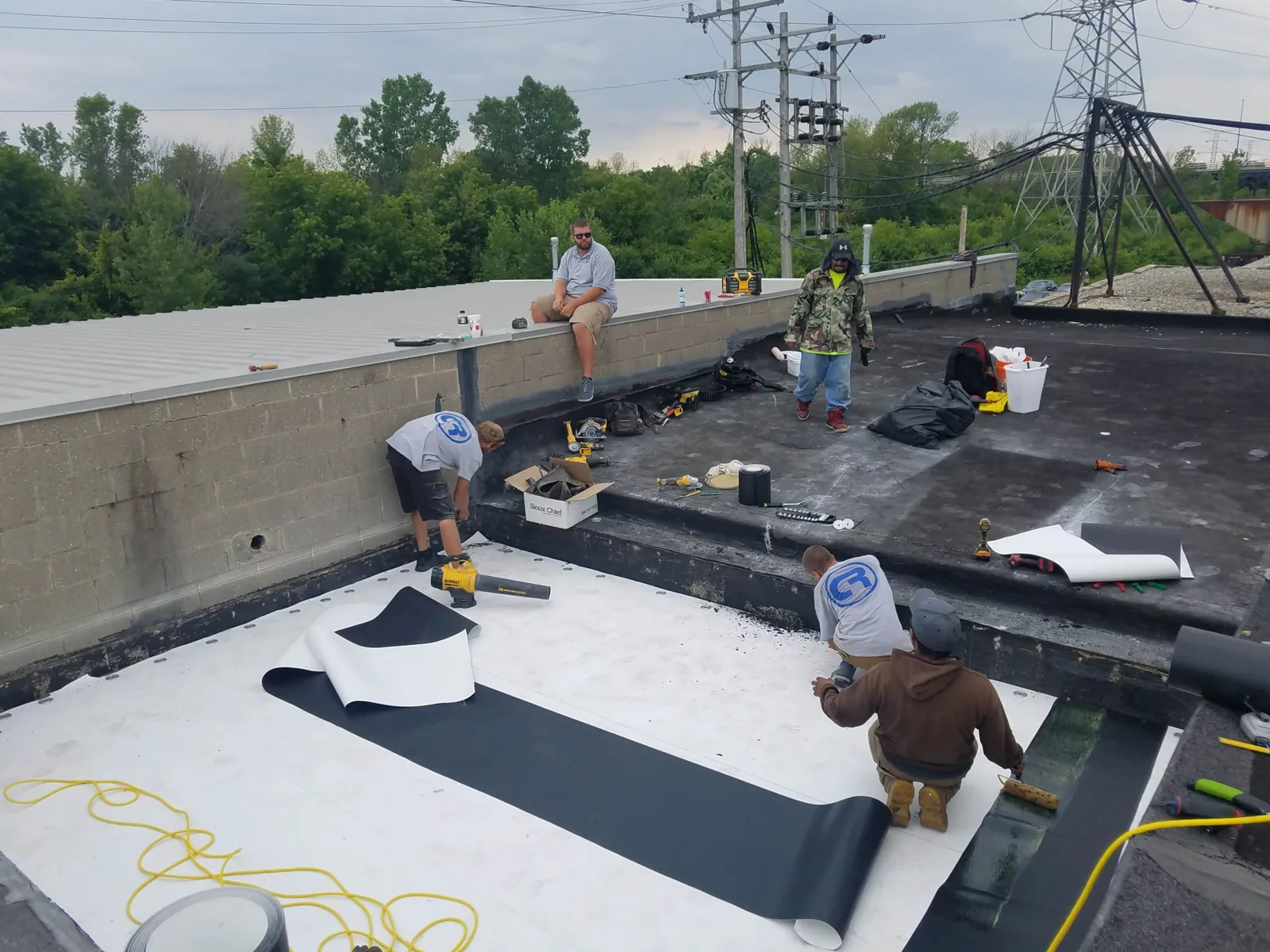
The first account is practical
The initial call should identify the building location, where water or damage is being observed and whether people or equipment are exposed. Photographs taken from a safe interior position can help describe the situation without requiring the owner to climb onto the roof. We also ask about roof access, recent work and any displaced material visible from the ground. Those details help distinguish a localized leak from broader damage and establish what information the responding crew needs.
Water near electrical equipment requires coordination with the people responsible for electrical safety and building operations. The owner should restrict access to affected areas where conditions present a hazard and arrange the appropriate interior response. We assess the roofing portion of the emergency alongside those arrangements. A roof repair cannot by itself establish that wet electrical systems or damaged interior finishes are safe to use, so those responsibilities remain clearly assigned while water-control work proceeds.
Safe access sets the sequence
Strong winds, heavy rainfall, damaged decking and loose rooftop material can limit what can be reached or repaired immediately. We assess the access route and visible conditions before opening a work area. A displaced sheet or unstable edge may need attention as a hazard before a temporary closure can be installed. The emergency record identifies any area that could not be safely approached and the condition that must change before additional examination can proceed.
Hawaii has persistent trade winds and receives its heavier rain from winter storms, generally between October and April. During an emergency, the current conditions matter directly to temporary attachment, material handling and the extent of exposed work. We plan the response against those conditions and protect each opening as the work advances. A covering that cannot be secured to suitable support may require another dry-in method or a smaller protected area, rather than leaving unsecured material above occupied space.
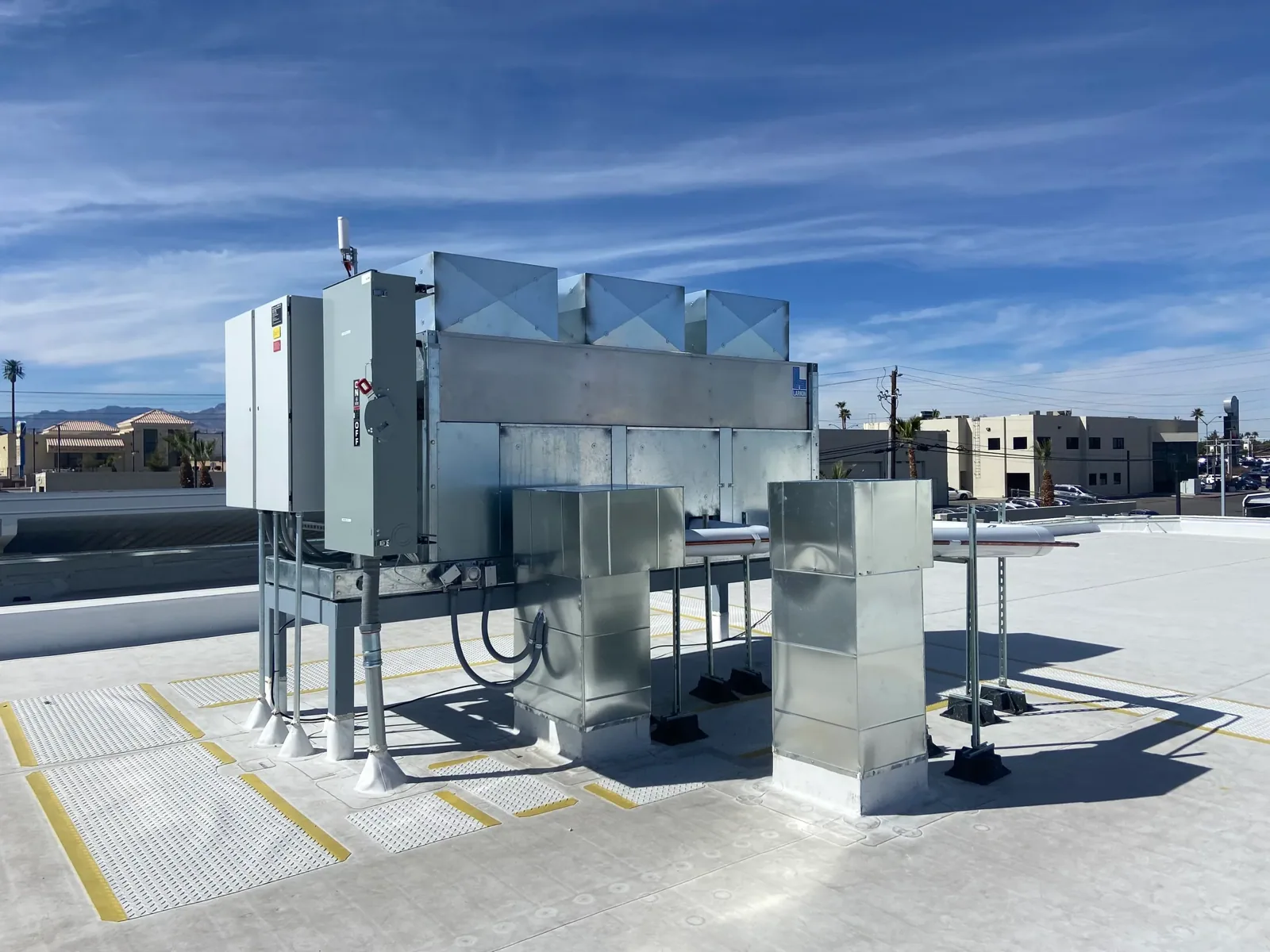
Temporary closure has limits
A temporary seal can control a localized opening where the surrounding roof remains suitable for that connection. A secured covering may be more appropriate where damage has removed part of the waterproofing, while dry-in can involve preparing the exposed area and installing an interim weather-resistant layer. We identify the selected measure, the condition beneath it and its intended duration. The owner receives a description of what remains unfinished and what monitoring or follow-up is needed.
Temporary material must also preserve a workable route for drainage. Blocking an outlet or directing runoff toward another opening can move the problem across the roof. We examine visible drains and flow paths as part of the closure decision and identify where drain or scupper work is needed. This does not require dismantling sound areas during unsafe weather; it requires understanding how the emergency protection will interact with the accessible roof and its outlets.
Where a leak is active but the entry detail remains uncertain, immediate control and subsequent leak tracing may be separate tasks. We identify accessible defects and record the interior observation without presenting an interim measure as a completed diagnosis. After conditions allow closer examination, the permanent repair can be connected to a clearer entry path. Keeping these steps distinct helps the owner judge whether the emergency work has reached its intended boundary.
The damage record stays usable
Photographs of displaced material, exposed layers and damaged details are taken where access permits. We relate them to roof areas and interior observations, then record the emergency measures applied. The sequence distinguishes the condition found from the temporary work, which matters when the owner later reviews a storm-damage repair scope. We describe visible damage without assigning a cause beyond what the examination supports or promising an insurance outcome.
For an owner seeking roof-related claim documentation, that record can accompany the relevant project information. Coverage and payment decisions remain separate from the roofing assessment. We identify the work required to stabilize the roof and the further investigation needed for permanent repair, so the owner does not have to choose between preserving a clear damage account and addressing active water entry. Any concealed damage found later is recorded at the time it becomes visible.
Permanent work follows examination
Once access and weather permit, we assess material compatibility, supporting layers and the extent of deterioration around the emergency closure. A localized membrane repair may be sufficient where damage is bounded, while separated edges or disturbed wall details can require wider reconstruction. The scope identifies temporary material to remove and describes the completed connection. Leaving emergency sealant beneath an incompatible permanent repair would make the finished detail depend on an unsuitable layer.
The industrial and commercial activity in Iwilei’s broad business area makes reopening affected operating space an important coordination matter. We explain the roof work remaining, the protection needed below it and any equipment or trade activity that could delay closure. Work on an occupied building may need phased access even after the urgent event has passed. Permanent repair acceptance includes the finished detail and a record of outstanding work elsewhere, rather than a general statement that the emergency is over.
Commercial Roofing Questions
Can I arrange roofing help outside ordinary working hours?
Emergency calls can be made at any hour, on weekdays, weekends or holidays. We assess the reported condition and explain the safe roofing action possible under the circumstances.
Will a tarp be appropriate for a low-slope commercial roof?
The roof geometry, damage and available attachment determine the protection method. A tarp may be unsuitable where it cannot be secured or would obstruct drainage; another dry-in approach may be needed.
What should be recorded before temporary work changes the damage?
Safe photographs of the visible condition and affected interior are useful. We document accessible roof findings and the temporary measure so the later repair scope has a clear starting condition.
Does temporary sealing replace the permanent repair?
An interim closure addresses immediate exposure. We identify the subsequent material preparation and detail reconstruction needed to provide the intended permanent waterproofing connection.
Why might roof access remain restricted after rain slows?
Loose material, weakened decking or continued wind can still present hazards. Access follows an assessment of those conditions, not rainfall intensity alone. We identify the remaining restriction and the next safe examination step.
Can emergency work establish the amount an insurer will pay?
The roofing findings describe damage and necessary work. The policy and insurer’s review determine coverage; we provide the roof record without promising a payment decision.
Address the exposed condition
Contact Commercial Roofers Honolulu for emergency assessment, temporary protection and a clear account of the roof work still required.
Tell Us About Your Roof
We will follow up to set up a time to walk the roof.
Request a Roof Assessment
Tell us about the building and what you are seeing. We will follow up to set up a time to walk the roof.