
A restaurant building owner considering PVC roofing needs the proposed material reviewed against the roof’s actual equipment and service conditions. Commercial Roofers Honolulu installs and repairs PVC roofing in Honolulu, HI, with those exposures considered alongside the supporting assembly. Kaimuki’s restaurant and small-business setting and the commercial area along Kailua Road provide local contexts for that discussion. We identify surface condition, penetrations and access requirements before defining a welded membrane system, keeping the material decision connected to the work required around the building’s operating equipment.
PVC is a thermoplastic membrane used in single-ply roof assemblies. Its welded connections, compatible accessories and selected attachment arrangement need to be specified together. Product characteristics can inform a choice where rooftop exposures matter, but no general material description establishes suitability for every discharge or chemical condition. We review the relevant system information and actual roof use, then explain the preparation and detail scope needed to make the proposed installation a connected waterproofing assembly.
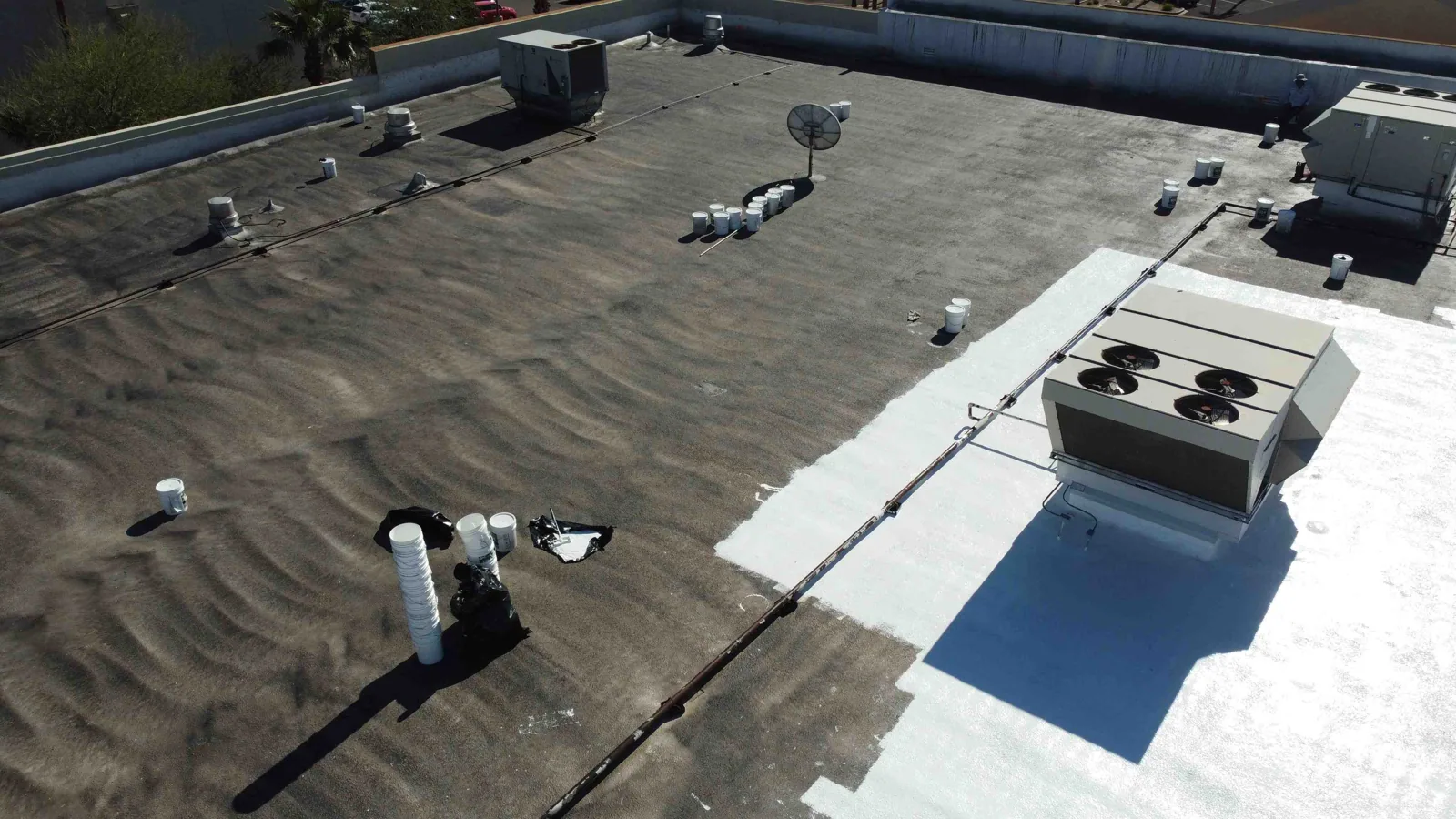
The operating exposure needs an account
Equipment locations and servicing patterns can influence membrane selection and maintenance requirements. We ask the owner about discharges, earlier contamination and the way rooftop work is performed. Accessible surface findings are recorded by location. Where a specific exposure could affect the roof material, the selected system’s requirements and compatibility information need review. A roofing proposal should identify that question rather than present PVC as resistant to every substance that might reach the surface.
Grease containment, equipment discharge management and roofing protection may involve separate work. We identify the waterproofing consequence and the coordination needed with the responsible equipment party. Changing membrane material does not remove a continuing discharge problem. The scope should distinguish the roof installation from measures intended to control the exposure, allowing the owner to review both without assuming that a different roof system replaces equipment care.
For restaurant roof work, service access can concentrate foot traffic near exhaust or mechanical equipment. We examine routes and identify suitable protection within the proposed assembly. The layout also needs room to inspect and repair the surrounding waterproofing. Those practical details belong in material selection and construction planning, giving the owner a roof arrangement that accounts for continued operations rather than only the day the field membrane is installed.
Preparation addresses retained material
Existing layers are assessed before a PVC membrane is installed over or in place of them. Records and selective examination establish the material sequence and conditions affecting the new system. Unsuitable or damaged material receives a defined response. Insulation and substrate board work is coordinated with the selected installation, including the separation or preparation required where retained components might be incompatible with the proposed membrane arrangement.
A new roof may require removal of the existing assembly, while a retention proposal needs its own supporting assessment. The choice considers concealed moisture, attachment and detail heights. We record the evidence supporting the work boundary and identify areas requiring further investigation. The owner should understand which layers remain and why they are suitable, instead of equating a new weathering surface with replacement of every concealed material.
Prepared surfaces and supporting components are checked before installation. Irregular transitions, damaged backing and unsuitable gaps can affect the membrane and its details. The selected attachment method must also suit the deck and assembly. We identify supporting questions needing qualified input and retain relevant preparation photographs, so construction acceptance can consider work that is no longer visible after the membrane is in place.
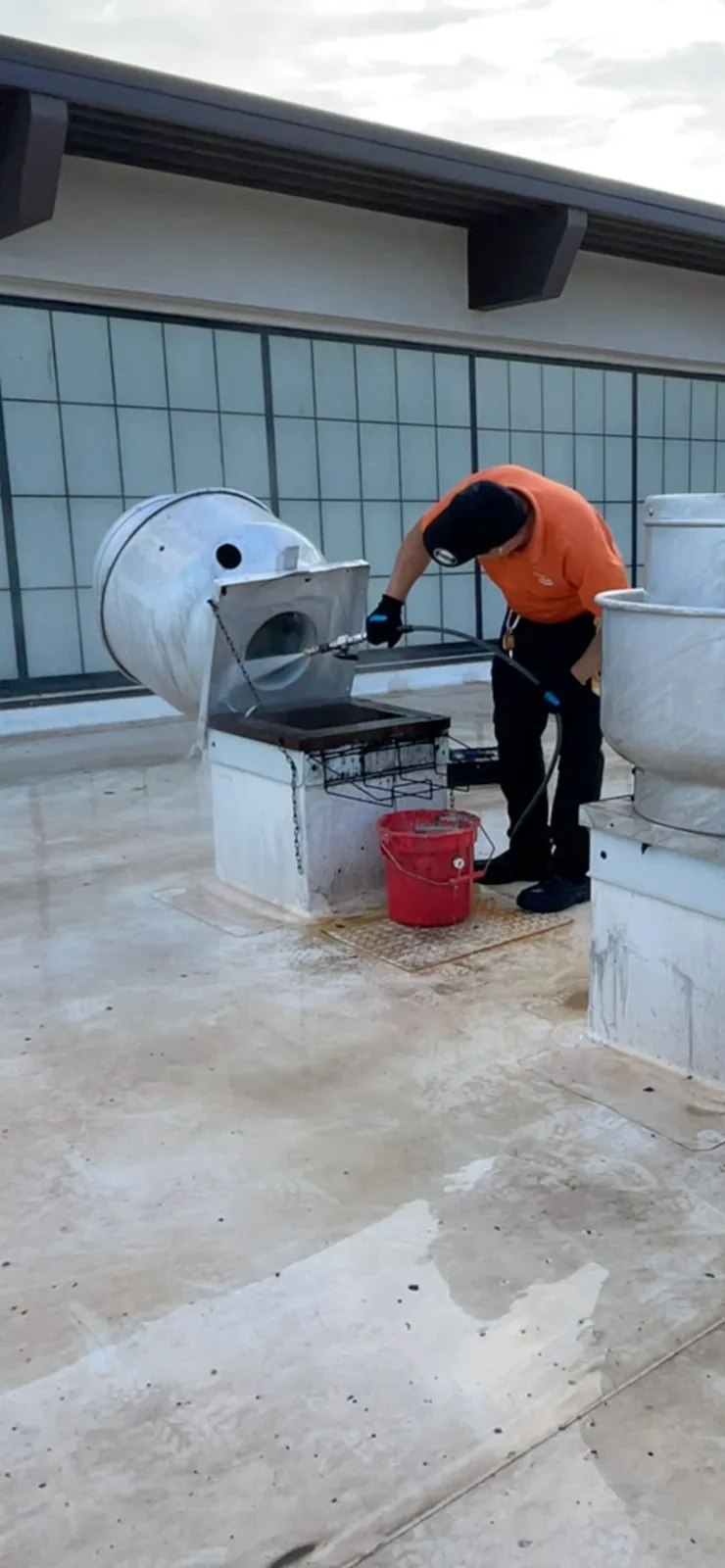
Welding depends on the connection condition
PVC seams require appropriate heat welding, with surfaces and conditions suitable for the selected material. Equipment settings and completed connections are checked as required by the system. At details, the arrangement should permit the membrane to be formed and joined without leaving an uncertain fold or inaccessible junction. We consider the corner and transition geometry before the final connection is made, rather than rely on another surface treatment to cover an unsuitable detail.
Flashing at equipment and openings needs compatible components and sound backing. A curb adapter, pipe movement or changed roof thickness can alter the detail. The responsible parties establish any component work before the roofing connection is completed. We record the termination and adjoining membrane junction, preserving a clear account of what was rebuilt when equipment later obscures part of the flashing.
Drain and perimeter connections are integrated into the assembly scope. The membrane should meet an appropriate component with a suitable transition, and the roof geometry must allow water to reach the intended outlet. If the existing detail cannot accept the new connection, the required reconstruction is identified. A welded field does not resolve an unrelated drain-body defect or an edge attachment question, so those interfaces receive their own findings and work descriptions.
Repair choices start with identification
An aged PVC roof needs examination before new material is joined to it. Earlier repairs, surface contamination and current membrane condition affect preparation and repair suitability. We identify the assembly and the defect, then explain whether local work can form an appropriate connection. If deterioration is widespread or supporting layers are damaged, the owner receives a broader assessment rather than a patch proposal that leaves the underlying concern unanswered.
KEE membrane systems belong to a related material category but have their own product and assembly requirements. A TPO system comparison likewise needs to consider distinct compatibility and installation methods. We do not treat an alternative membrane as interchangeable repair material based on its appearance. Each option is evaluated as a complete scope, including the preparation and details needed for the actual existing roof.
Completion retains the material and use record
Hawaii’s persistent northeasterly trade winds affect sheet handling and control during installation, while heavier winter storm rainfall matters when layers or penetrations are exposed. We size the operation for an appropriate closure sequence and protect completed work from subsequent equipment activity. The plan identifies work below openings and roof access needs, allowing the owner to coordinate the actual construction stages with continued use.
Owners in Kaimuki’s business area receive a record of the selected PVC system, relevant substrate findings and completed details. Maintenance should address the operating exposures considered during selection, including compatible cleaning and equipment access protection. Any separate exposure-control work remains distinct in the handover. The record gives future personnel a useful basis for reviewing the roof before a new discharge, equipment replacement or repair changes the conditions on which the installation was planned.
Commercial Roofing Questions
Why discuss rooftop discharges before choosing PVC?
Specific exposures need comparison with the selected system’s requirements. The review identifies compatibility questions and separate equipment controls rather than assume one membrane suits every substance reaching the roof.
Does new PVC replace the need for grease containment?
No. Equipment discharge control and waterproofing serve different purposes. We identify the roofing interface, while the responsible parties address ongoing exposure management appropriate to the operation.
What affects a repair to an older PVC membrane?
Material identification, current surface condition and earlier treatments determine preparation and connection suitability. The surrounding assembly must also support the local work proposed.
Are PVC and KEE descriptions enough to select a repair material?
The actual products and assembly requirements need review. Related material categories do not establish that an unidentified existing membrane can accept any new sheet or detail component.
Which operating information should remain with the roof record?
Keep relevant discharge and equipment locations, access precautions and compatible care requirements with the installation details. A later change in roof use can then be reviewed against the original material decision.
Match the PVC scope to actual use
Discuss PVC roofing with Commercial Roofers Honolulu to establish operating exposures, retained material conditions and the welded details required for installation or repair.
Tell Us About Your Roof
We will follow up to set up a time to walk the roof.

Request a Roof Assessment
Tell us about the building and what you are seeing. We will follow up to set up a time to walk the roof.