
Aiea’s commercial district is divided by H-1, so the property’s actual access and roof boundary matter before work is staged. Kamehameha Highway and Moanalua Road connect Aiea with Pearl City and Halawa, while Kamehameha Highway separates much of Aiea from the Pearl Harbor shoreline. These geographic facts help orient a service-area visit, but they do not establish roof exposure or material at an individual address. We inspect the building, locate the reported water and record visible seams, drains, edges and flashing. If the repair depends on a concealed layer, we plan an approved opening and document the result before setting removal limits. The owner receives a scope tied to the roof examined and a closure plan that fits the property’s operations.
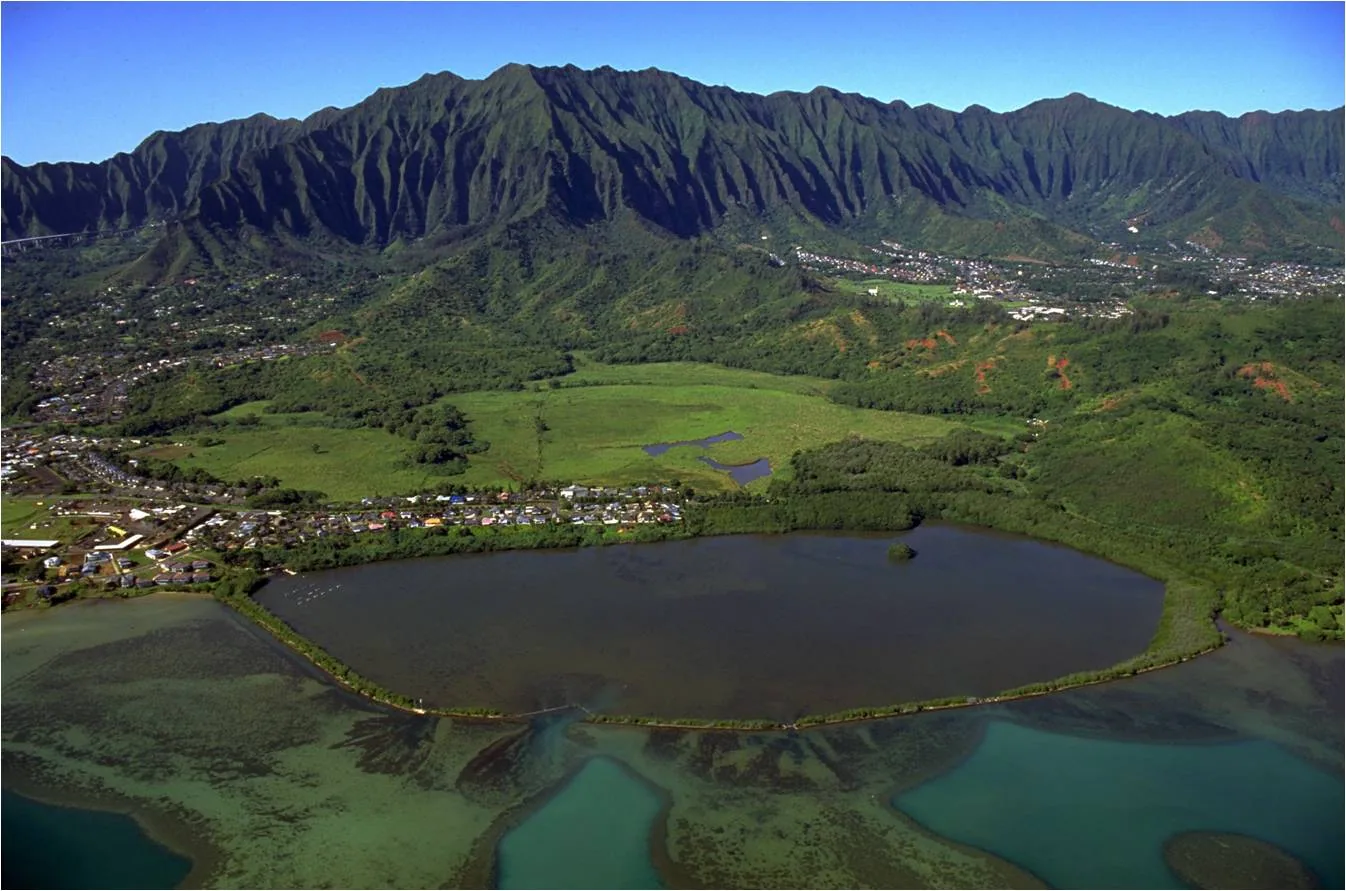
Use the property route, not a map assumption
H-1 divides the commercial district, but the building determines the route for roof access, delivery and occupant protection. We confirm those details with the manager before material is brought to the work area. The roof examination checks the field, perimeter, curbs and drainage around the reported condition. If a ceiling mark is near a wall or mechanical area, we inspect the corresponding transition instead of setting a patch at the nearest point. The record identifies the accessible areas and states where a concealed layer needs further review.
Kamehameha Highway and Moanalua Road connect Aiea with Pearl City and Halawa, each with its own planned district context. The Aiea property still needs its own examination. A roof inspection creates a record before the scope is approved. If tenants or staff remain in place, occupied-building phasing sets material paths, protected areas and closure periods with the property team.
Follow the roof detail that supports the report
Water can travel through an assembly before appearing in a room. We log the reported location and inspect nearby seams, penetrations, curbs, wall transitions and drains. The examination separates a visible failure from a possible path that still needs access. A drain may be clear while a nearby seam is open; a flashing edge may be intact while water travels from farther along the roof. The report identifies what the crew could establish and which opening could answer the remaining question. That is more useful than describing a broad section as failed without locating a detail.
When an opening is authorized, we photograph the material before removal, note wet insulation or cover board and mark the boundary. If the condition continues, the owner reviews it before additional material is removed. Leak repair reconnects the membrane at a sound edge. Drain work belongs in scope when the roof walk confirms an outlet issue. If the assembly is EPDM or modified bitumen, the material and seam treatment follow that system.
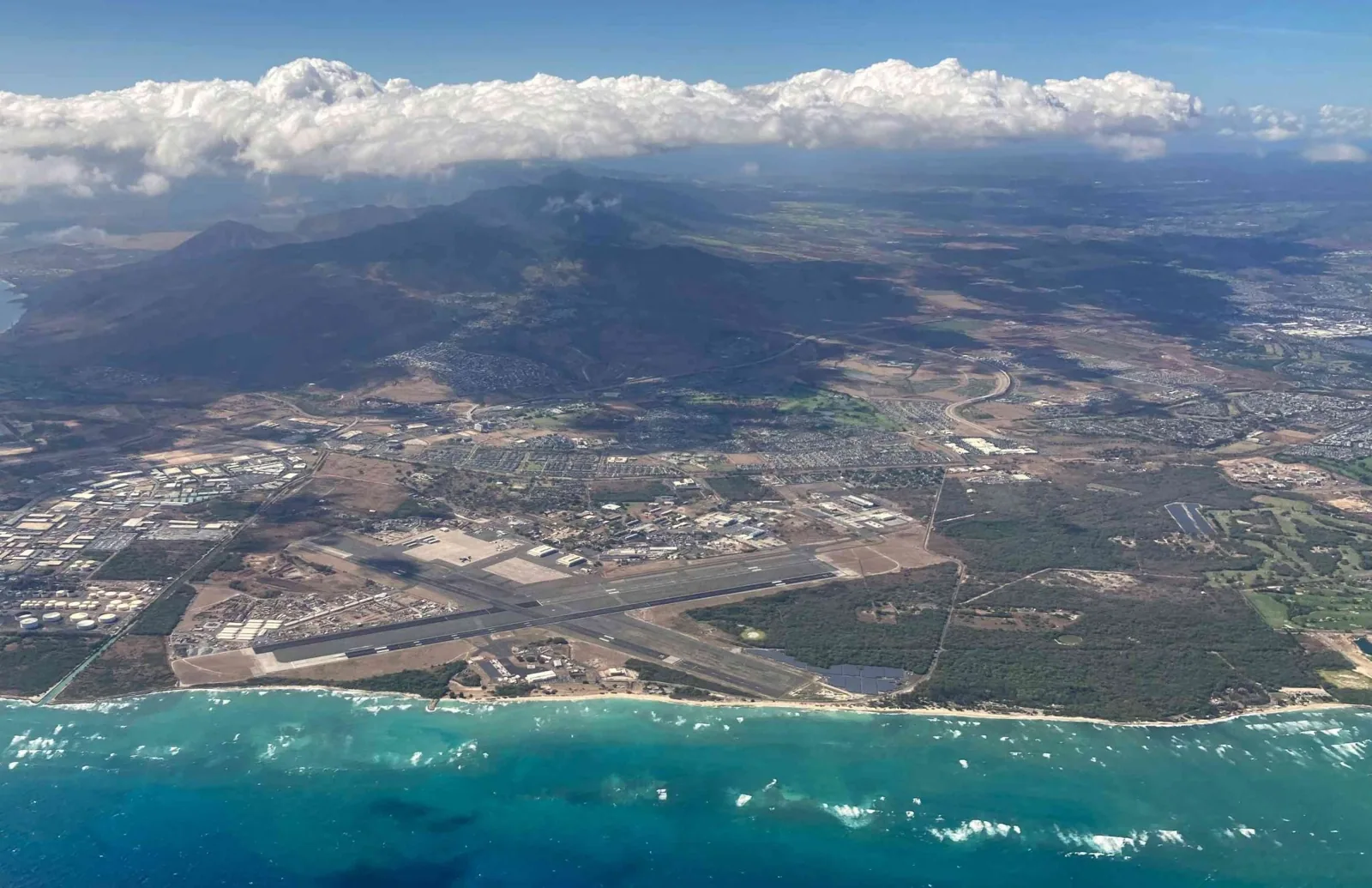
Price a defined repair or renewal
A focused repair may be appropriate if one failure is bounded and surrounding material can receive a reliable tie-in. Recurring leaks, multiple failed details or wet insulation over a larger area support comparing broader work. We compare options with the same findings: roof surface, drainage, attachment, prior repairs and opening evidence. A recover can retain existing layers only when the substrate, moisture condition and applicable requirements support it. A coating needs a stable surface and prepared transitions. Replacement removes more material but may be the sounder scope when the assembly cannot support a localized correction.
The proposal names the material, area, removal limit and perimeter details. Replacement planning includes drains and transitions, not just the field. Recover evaluation records what can remain. If the owner needs to retain the basis for a longer budget decision, condition reporting ties the findings to photos and locations. Access, staging, occupied use and closure time are included so the options can be compared on the same terms.
Schedule the opening around weather
Aiea commercial properties can sit on different sides of the H-1 corridor and have distinct access and operating needs. That geographic context helps identify the building in a work record, but it does not establish its roof assembly or current condition. Each phase is limited to the material that can be removed and resealed within the work window. Trade winds can affect temporary covers and loose materials at an exposed edge, so staging is secured before the first cut. Drains stay open during the work. The shift record identifies which area was closed and the protection that remains if the next phase must wait.
When the building remains active, we coordinate work hours and protected routes below. The closure plan names who confirms the roof is secure at day’s end. If the forecast shortens the window, the crew closes the current area before moving on. A leak investigation should map the interior report to visible roof transitions, then record each observation before any repair disturbs it. A maintenance visit can record drain and flashing condition between major scopes.
Keep concealed findings with the repair
Once new membrane is installed, the owner cannot see the insulation, board or substrate uncovered during removal. We photograph each layer and record whether it is wet, damaged or suitable to remain. If the condition goes past the authorized limit, work pauses for a scope decision. The record shows the area approved, the material removed and how the new system meets the existing surface. That evidence supports repair acceptance later, when the finished roof no longer exposes the layers that drove the scope.
Acceptance checks the seam, flashing, penetrations, edge and drainage included in the work. The handover lists photos, completed detail and any remaining observation outside the correction. A roof asset record can carry that history to later reviews. A nearby Kapalama district has planning context of its own, and no detail from there substitutes for the Aiea roof record. The owner receives a location-based account that a facilities team can use without guessing which section was repaired.
Make the next approval specific
The owner should be able to approve a known correction or ask for the examination needed to resolve a remaining question. We summarize the report, accessible details, assembly identified and opening findings. If more removal could change price or timing, the proposal identifies where the crew will pause for direction. A clear limit matters when access is divided by roadways or when an occupied property must remain open. It also keeps a repair estimate from including areas that have not been examined.
Before the visit, share roof plans, prior repairs, affected rooms and current access rules. We will trace the reported condition and define the protection required for any opening. Commercial Roofers Honolulu can repair or renew the assembly supported by the findings and provide a handover with photos and acceptance checks. An owner can then use the record to plan future maintenance or replacement without treating a neighboring district’s conditions as evidence for Aiea.
Commercial Roofing Questions
Does H-1 determine which side of a commercial roof you inspect?
No. The highway divides the district, but the building and reported condition determine the examination area. We map the leak and roof access before setting scope.
How do Kamehameha Highway and Moanalua Road affect service?
They provide geographic connections to nearby areas, while current access and staging rules come from the property. We confirm those before scheduling material delivery.
Can a roof repair stop at the ceiling stain?
The stain locates the report, but water can move through the assembly. We inspect nearby seams, transitions and drains before defining the repair area.
What if the crew finds wet layers under the membrane?
We photograph the finding, stop at the approved boundary and show the owner the evidence. Any added removal requires a revised scope decision.
What should the facilities team receive after the work?
The handover identifies the roof location, exposed layers, correction, photographs, acceptance checks and remaining observations. That makes the repair usable in later reviews.
Set a roof scope from the inspection
Arrange an examination of the reported area. We will confirm access, document visible and concealed findings and provide a defined correction and closure plan.
Tell Us About Your Roof
We will follow up to set up a time to walk the roof.

Request a Roof Assessment
Tell us about the building and what you are seeing. We will follow up to set up a time to walk the roof.