Educational buildings and neighborhood retail in Manoa need roof work that respects access, occupied rooms and the time needed to close each opening. The district includes older houses and low-rise condominiums, educational uses such as university buildings and schools, and a central shopping area. These facts describe a broad neighborhood, not a specific campus or roof system. We inspect the property itself, locate the reported water and record visible seams, flashing, drains and equipment transitions. If a concealed layer affects the recommendation, we define an opening with the owner and photograph what it reveals. That gives facilities staff a repair boundary and a record tied to the building rather than an assumption based on its use.
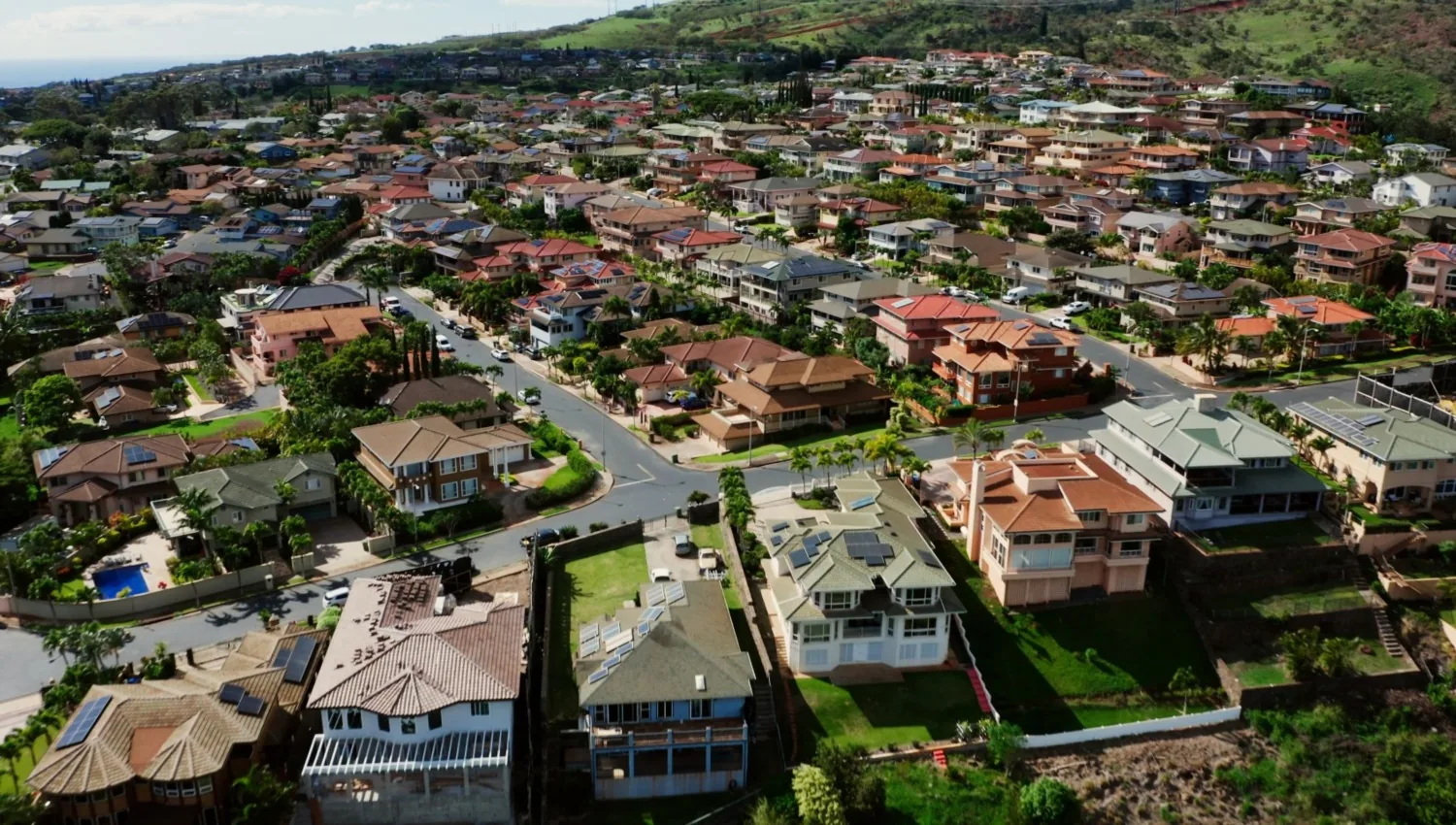
Coordinate access around occupied spaces
A school or retail property may have access windows that differ from the roof crew’s preferred work period. We coordinate the building schedule, entry route and protection below before material is staged. The roof walk follows the reported condition through seams, penetrations, walls and drainage. We record what is accessible and identify any area that cannot be examined. If the report is near an occupied room, the team can define whether a temporary protection measure is needed before the roof is opened. The work plan also states where materials travel and how the area will be closed at the end of each shift.
Manoa’s neighborhood shopping area and educational uses create more than one operating context, while Makiki’s schools and community-service buildings are documented separately. Kaimuki’s commercial district follows Waialae Avenue, but its roof conditions are not evidence for Manoa. For an occupied property, phased roofing helps set the limit of each work period. A roof inspection records current conditions before a manager authorizes repair or renewal.
Use the roof to test the reported path
Water can move along a deck, insulation joint or structural line before it reaches the room where it is noticed. We start from that report and examine the roof details that can connect to it: membrane seams, flashing, curbs, wall transitions and drains. An older building may have been repaired more than once, but age alone cannot tell us which layer is active. We photograph each observed condition and note whether it is an open seam, loose termination, puncture, blocked drain or a question that needs more access. The owner can review the distinction before choosing how much of the roof to open.
If the source is concealed, the approved opening reveals actual materials and the extent of any wet insulation or compromised board. We do not widen removal without showing the owner the new finding. A leak correction can follow a confirmed entry point, while drain work belongs in the scope only when the roof walk supports it. If we identify TPO or EPDM, the repair uses preparation and tie-in details appropriate to the installed membrane.
Keep the alternatives tied to findings
A repair is most useful when a failure can be isolated and the surrounding surface provides a sound edge. Several failures or broad moisture findings may support restoration or replacement instead. We compare options using documented roof conditions, not different assumptions. A recover requires that the existing layer, attachment, moisture condition and applicable requirements permit retention. A coating depends on a stable, clean surface and details that can be prepared. Replacement removes more of the assembly, which changes schedule and access but may resolve conditions that a patch cannot. The owner sees what each option addresses and what it leaves in place.
Our proposal states material, preparation, removal limits, flashing transitions and any concealed condition that needs approval. Replacement planning accounts for edges, drains and penetrations as well as field coverage. Recover review records the layers that can remain or the reason they cannot. A condition report can carry open items into a future budget. These records help the property manager coordinate school or retail use without promising that a repair in one area resolves an unexamined one.
Limit the roof opening to the available window
Hawaii’s heaviest rainfall generally comes with winter storms from October through April, while conditions vary over short distances. That regional context is useful for planning, but we check the current forecast and exposure at the property before removal. The crew sizes each phase around the time required to restore a watertight surface. Trade winds can affect loose material and temporary covers near an exposed edge, so securing them is part of the closure plan. Drains remain open and transitions stay protected as work moves from one area to another. The owner knows what will be complete before the crew pauses.
For educational uses, a schedule may need to avoid a particular occupied period, while retail access may need to remain open. We coordinate those constraints with the building lead and identify the protection below the work area. If weather shortens the shift, securing the current opening takes priority. A storm-related roof review documents observed changes before repair. A maintenance visit can track seams and drainage between larger projects so the next examination starts with a current record.
Record what the finished surface will cover
Membrane replacement can hide the insulation and substrate that controlled the repair decision. We photograph each approved opening with a location reference, describe the materials exposed and note what was removed or retained. If wet material extends beyond the approved limit, the crew pauses and asks the owner to review the finding before expanding work. That keeps removal, added cost and schedule under the property’s authorization. We also record the new tie-in and flashing detail so the closeout shows how the repaired section reconnects with the surrounding roof.
Acceptance checks follow the agreed work: seam closure, terminations, penetrations, drainage and any test area. The handover names observations outside the completed repair rather than folding them into a broad condition statement. A roof asset record can organize those findings when multiple areas need later review. For a building near Ala Moana’s commercial and residential district, another property’s details remain separate; the same is true for Manoa. The record should let the facilities team locate the work and understand what remains open.
Give the manager a decision-ready scope
The owner needs to know what can be approved now and what requires another examination. We summarize the reported area, roof details inspected, assembly identified, opening findings and proposed work. If a concealed layer could expand removal, we specify where the crew will stop for approval. Access, material compatibility, occupied use and weather all affect the schedule; removal area and staging also affect price. Stating those drivers beside the option makes the scope easier to review with a school administrator, property manager or retail operator.
Before scheduling, share the affected room, any previous repair, access restrictions and available roof records. We will inspect the property, plan protection and document findings before requesting approval to enlarge the scope. Commercial Roofers Honolulu can provide a located repair record and a clear acceptance note. Where the owner manages more than one building, roof asset tracking can keep each property’s observations distinct. The next maintenance or capital decision can then start with what was actually seen in Manoa, not with a neighboring district’s roof.
Commercial Roofing Questions
Does a university or school use identify a roof as low-slope?
Educational use does not establish an individual building’s construction. We inspect its assembly before recommending work.
How do you coordinate work around classes or retail hours?
We agree on roof access, material movement, protected areas and closure times with the property lead. The sequence follows the building’s operating requirements.
Can you confirm concealed insulation without opening the roof?
A survey may help identify areas for review, but an approved opening can be needed to see the actual layer and condition. We state what each examination establishes.
What happens if an opening reveals wet material?
We document the material and extent, stop at the approved limit and show the owner the finding. Additional removal requires a clear authorization.
What makes the repair record useful later?
It ties photos, exposed layers, completed work and remaining observations to the roof location. Facilities staff can compare a future report with that history.
Plan the roof work around the building
Arrange an examination of the reported condition. We will coordinate access, document the assembly and provide a repair or renewal scope with clear closure limits.
Tell Us About Your Roof
We will follow up to set up a time to walk the roof.
Request a Roof Assessment
Tell us about the building and what you are seeing. We will follow up to set up a time to walk the roof.