A retail building with occupied space below an aging roof needs a careful distinction between material that can remain and material that should be removed. In Ala Moana, the combination of commercial, retail and residential uses makes that distinction relevant to the interruption a project can cause. For an owner considering a roof recover in Honolulu, HI, Commercial Roofers Honolulu examines the retained assembly first, then describes what the overlay would depend upon. A new surface needs a suitable supporting condition, dependable attachment and workable connections at the building’s existing details.
Waipahu’s Old Town has a historic low-rise commercial character, where roof access and adjoining details can limit how replacement materials are handled. A recover may reduce demolition where the existing roof is eligible and sound, but those operating advantages follow an assembly decision. We establish the layers, moisture condition and applicable requirements before treating an overlay as an alternative to removal.
Retained layers carry obligations
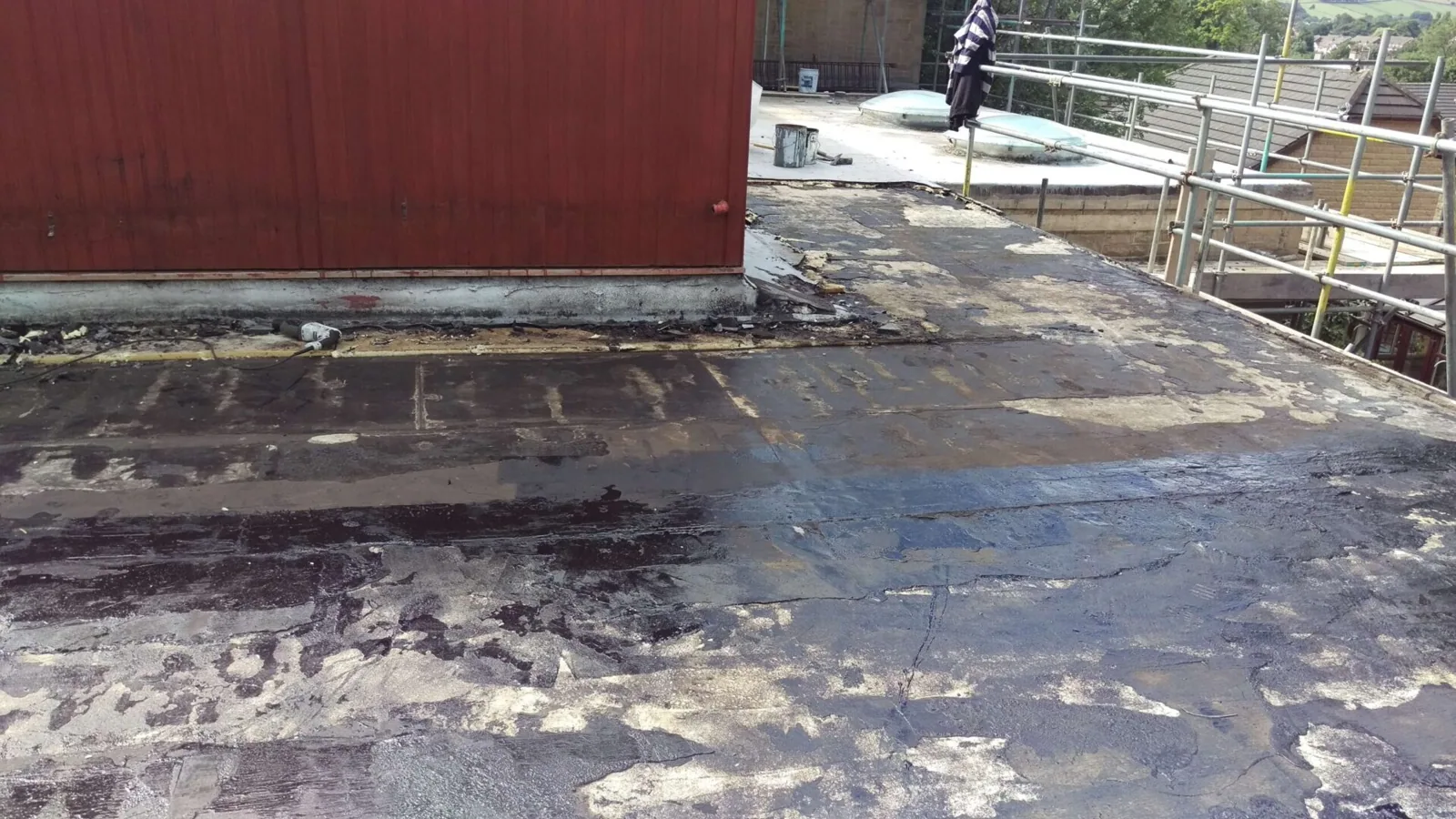
Existing insulation and roofing remain part of the finished assembly when a recover proceeds. We examine how many roof coverings are present, whether earlier repairs have introduced incompatible materials and what supports the proposed attachment. A surface that tolerates foot traffic can still conceal wet or deteriorated layers. The owner receives a description of the retained materials, the examination performed and any areas requiring selective removal before the new assembly can be installed.
Where moisture extent is uncertain, thermal investigation with physical confirmation can help establish suspect areas under suitable conditions. Openings connect the survey findings with the actual layers and identify whether deterioration has reached the deck. The opening log records where that evidence was obtained. Dry conditions at one opening should lead to a defined assessment of the relevant roof area, rather than an unsupported conclusion about disconnected additions or roofs built at different times.
Eligibility precedes selection
Recover eligibility includes the existing roof condition, the number of coverings, loading and the applicable code provisions. Honolulu’s building-code basis is the 2018 IBC through the state code, with state and Honolulu amendments. We examine the requirements that apply to the proposed work rather than assume that a building previously reroofed can accept another covering. Required design decisions, permit information and any need for engineering belong in the initial scope assessment.
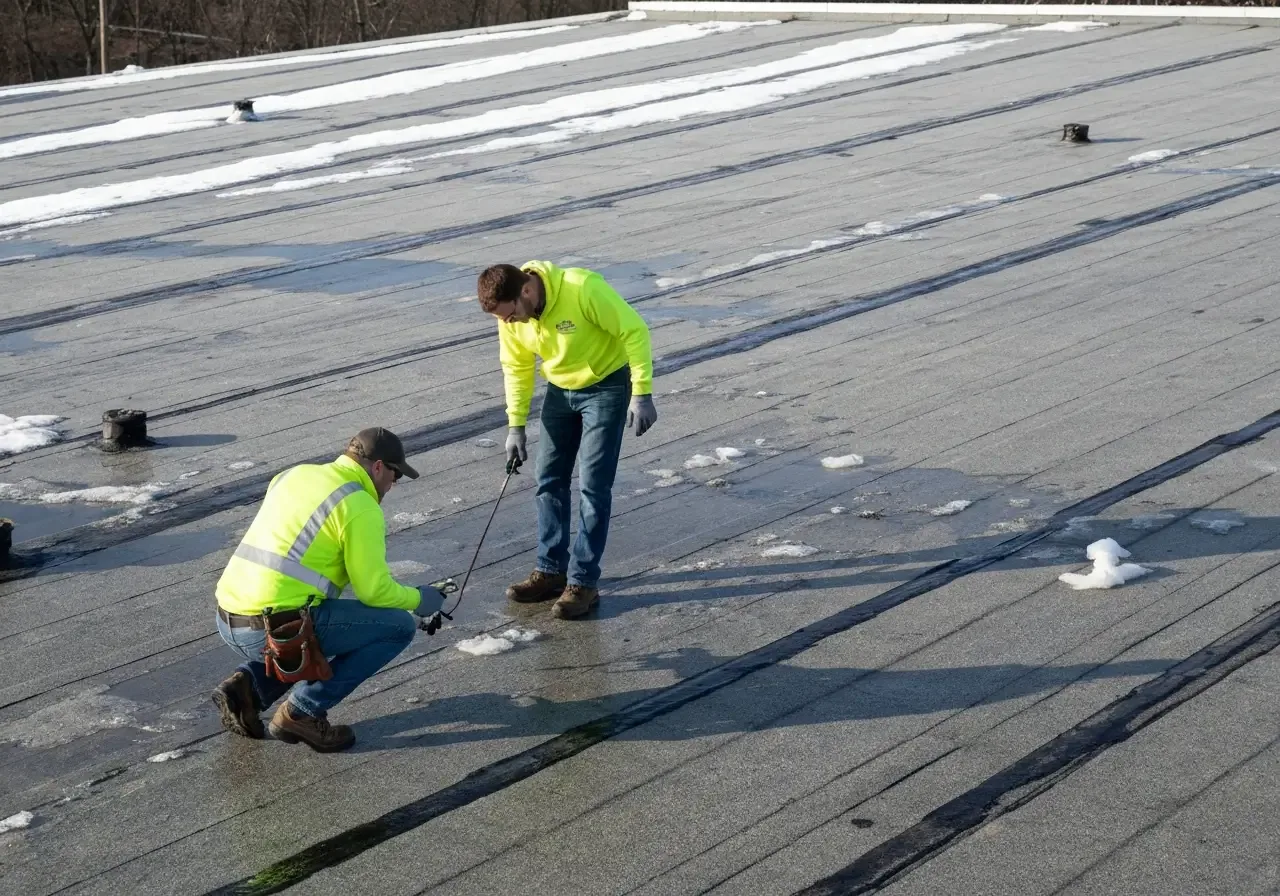
Attachment can be a limiting condition even where the retained roof is dry. A mechanically attached system requires suitable fastener engagement in the supporting deck, while an adhered assembly needs a substrate and bonding arrangement approved for that system. We assess those conditions through examination and appropriate testing. A detailed assembly inspection also identifies loose existing sheets, damaged insulation and uneven repairs that could make the retained roof unsuitable without additional preparation.
Added height changes details
A cover board and new membrane raise the surface around drains, equipment curbs and wall terminations. We measure the remaining flashing height and assess where a higher surface would reduce clearance or obstruct drainage. A curb that was adequate for the old roof may need alteration before an overlay can reconnect properly. The scope identifies those adjustments individually, including trade work associated with equipment, instead of presenting the roof field as the whole project.
Drainage deserves examination across the field as well as at outlets. Depressions in an existing assembly can remain after a flat overlay, and building up isolated areas can move water toward another low point. We consider drain and scupper corrections with the proposed layer arrangement. Where tapered insulation is appropriate, its layout must connect to outlets and adjacent roof levels. The finished drainage route should be understandable before material is ordered, including any areas where existing geometry remains a constraint.
A parapet cap or edge-metal return can also conflict with the new surface. We assess the termination height, backing and attachment so the closure will retain its intended relationship to the membrane. Leaving an existing edge in place is a scope decision supported by its condition, rather than a default omission. A sound field overlay attached to deteriorated perimeter components would leave a material weakness at the project boundary.
Alternatives retain different risks
An overlay proposal should show how it compares with removing the existing roof. We distinguish reduced demolition from conditions that remain concealed, identify moisture-removal limits and explain where the new assembly depends on retained components. Full replacement allows direct examination of more of the deck and can accommodate wider changes in insulation and drainage. Recover work can be appropriate where that additional removal is unnecessary and the supporting conditions are established.
A PVC recover assembly needs its own compatibility and separation decisions, including contact with existing materials. A metal-roof retrofit has another set of support and connection questions. We identify the proposed system’s requirements without implying that one overlay method suits every existing roof. Cost differences depend on preparation, attachment, detail reconstruction, access and selective removal, as well as the material retained beneath the new surface.
Preparation of a rough existing surface can involve leveling isolated repairs, securing loose material and installing a separation or cover-board layer. We identify the purpose of each treatment because surface smoothing and structural support are different requirements. A board that bridges a small irregularity does not establish the capacity of a weakened deck beneath it. The owner receives preparation limits tied to observed conditions, including areas where opening and repair are needed before the overlay can continue.
Preparation stays protected
Selective removal still creates exposed areas during recover work, even though most of the old roof remains. Hawaii’s heavier winter rain and persistent trade winds make temporary closure relevant at cut-outs, incomplete transitions and unsecured materials. We set the preparation sequence against current weather conditions and arrange protection of the underlying space before opening the roof. A retained covering with active defects cannot be assumed to provide dependable overnight protection simply because it is still present.
The handover includes the identified retained assembly, the areas removed, the new attachment and the completed transitions. For an owner with property in Ala Moana’s mixed-use district, keeping that layered history available helps future roof work begin with a known assembly. We also identify maintenance needs at any retained components and describe which conditions should trigger another examination, such as new movement at an existing transition or moisture appearing below a previously repaired area.
Commercial Roofing Questions
Can wet insulation be left beneath a new overlay?
Wet or deteriorated material needs an identified removal scope. We determine its extent through suitable investigation and explain how replacement of those areas connects to the retained assembly.
Would a recover avoid all work at equipment curbs?
Added roof height can require curb and flashing changes. We measure those junctions and include the necessary adjustments, even where the surrounding field covering remains.
What evidence supports fastening through the old roof?
Deck identification, assembly thickness and appropriate attachment testing establish the basis. The selected fastener and layout must suit the complete assembly rather than the surface alone.
Could different additions qualify for different approaches?
An addition can have a separate deck, covering history or moisture condition. We assess each area and describe the transition between recover work and any roof requiring removal.
How does an overlay affect a later replacement decision?
The owner retains another layer in the assembly history. We record that arrangement at handover so future examination can assess the accumulated materials and the removal required.
Examine recover eligibility
Arrange a roof examination with Commercial Roofers Honolulu to identify retained conditions, necessary preparation and the assembly a recover would require.
Tell Us About Your Roof
We will follow up to set up a time to walk the roof.
Request a Roof Assessment
Tell us about the building and what you are seeing. We will follow up to set up a time to walk the roof.