Account for Honolulu's working conditions
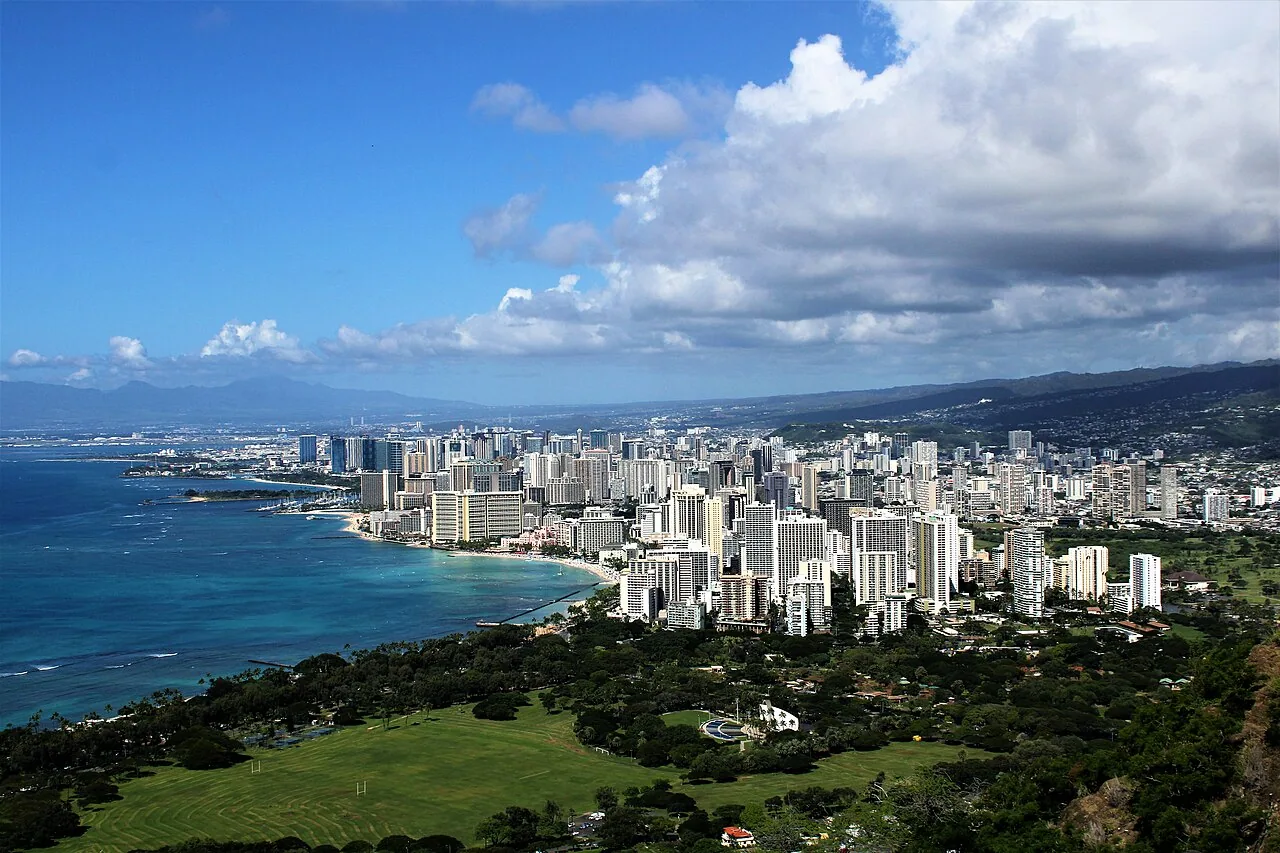
Hawaii's persistent northeasterly trade winds and heavier winter rain affect the planning for exposed work. Permit review in Honolulu follows the city's adopted code framework: Hawaii's State Building Code draws on the 2018 IBC, with amendments at both state and city levels; requirements still depend on the project scope. Downtown is a center of financial, commercial and government activity, while Kapolei combines retail with federal, state and county offices. We use those local contexts to plan access and occupied use, not to infer the assembly on an individual property. Access and delivery coordination are set for the individual property, while each roof still needs a documented opening and closure plan. We confirm the actual site requirements before mobilization. August and September are Hawaii's warmest months, and temperatures can reach the 90s. The work plan accounts for crew access, material handling and the order of exposed tasks. Conditions are assessed at the site on the planned date; broad climate context does not replace that field check or determine the condition under a membrane.
Leave a condition record with the owner
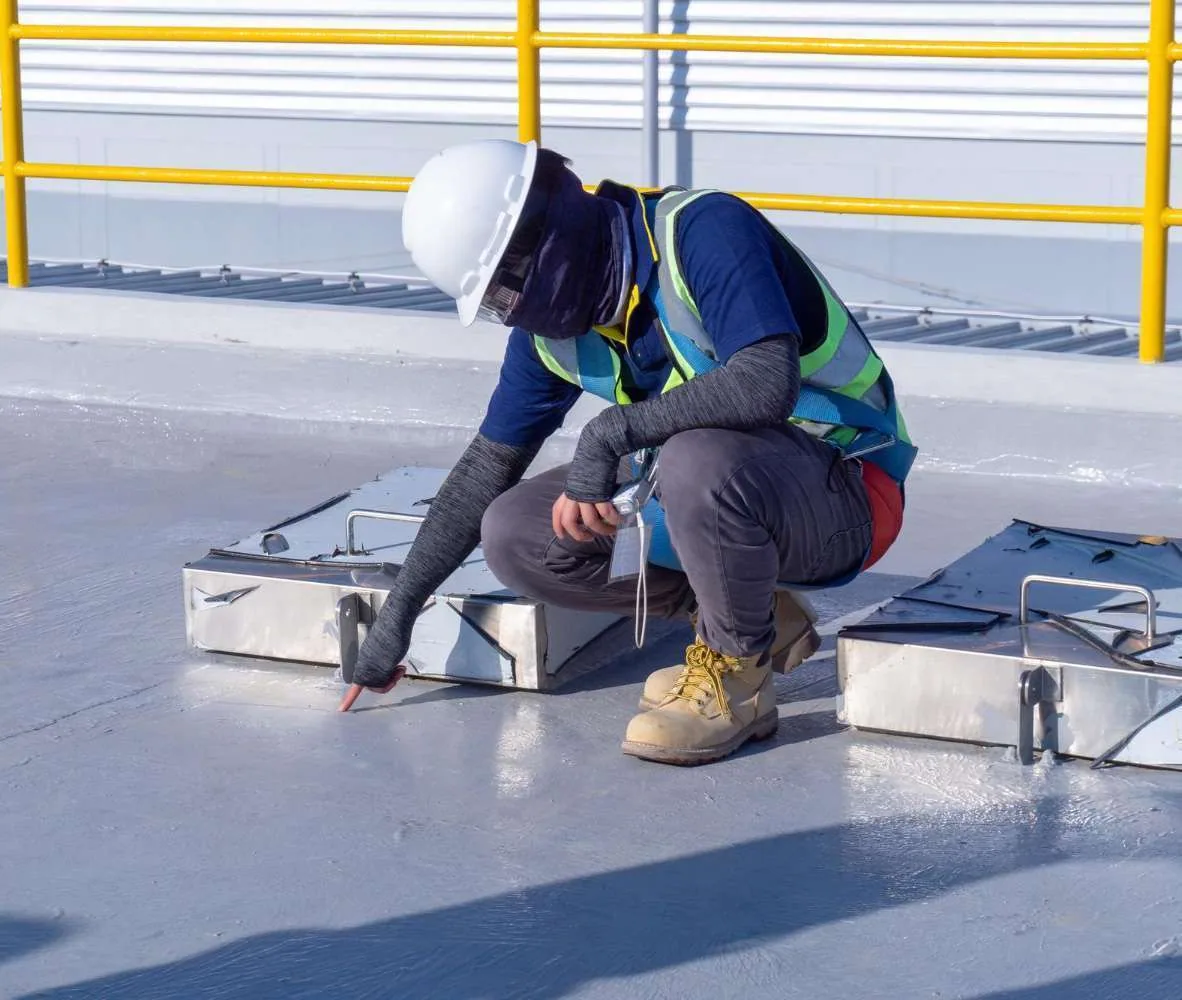
Before concealed material is covered, we photograph what the opening exposed and note the approved removal limit, material found and selected closure detail. The final handover connects that sequence with approved changes, completed transitions and the remaining condition of the roof. A portfolio owner can compare records across properties while keeping each building's evidence separate. For a property near Farrington Highway in Waipahu, the record belongs to that roof; a commercial building along Bishop Street and Fort Street in Downtown receives its own survey and scope. We also provide preventive maintenance plans that document drains, flashings, seams and repairs for future review. A roof condition report can preserve the observation and photo sequence after the work zone is closed, giving a later reviewer a factual basis for the next decision.
Work with the team responsible for the property
Owners and their representatives make the decisions on access, budgets, procurement and acceptance. We supply roof observations and a scope that identifies confirmed work, conditions that need approval and the documents useful for a later review. A general contractor can coordinate roofing with adjacent trades; a property manager can coordinate tenant notice; a facility team can preserve equipment access. We keep those roles clear while tracking the roof work itself. From the first examination through closure, the owner can see what was observed, which action was authorized and what record supports the handover. We can examine a Downtown Honolulu property, a building in Waipahu or a site in Kapolei, with records tied to that specific structure and its operating needs. At turnover, we keep the open items distinct from accepted work and identify the person who will receive any follow-up record. The result is a roof file the property team can use when a later repair, survey or capital decision arises.
Questions from Honolulu Building Owners
What happens during the first roof examination?
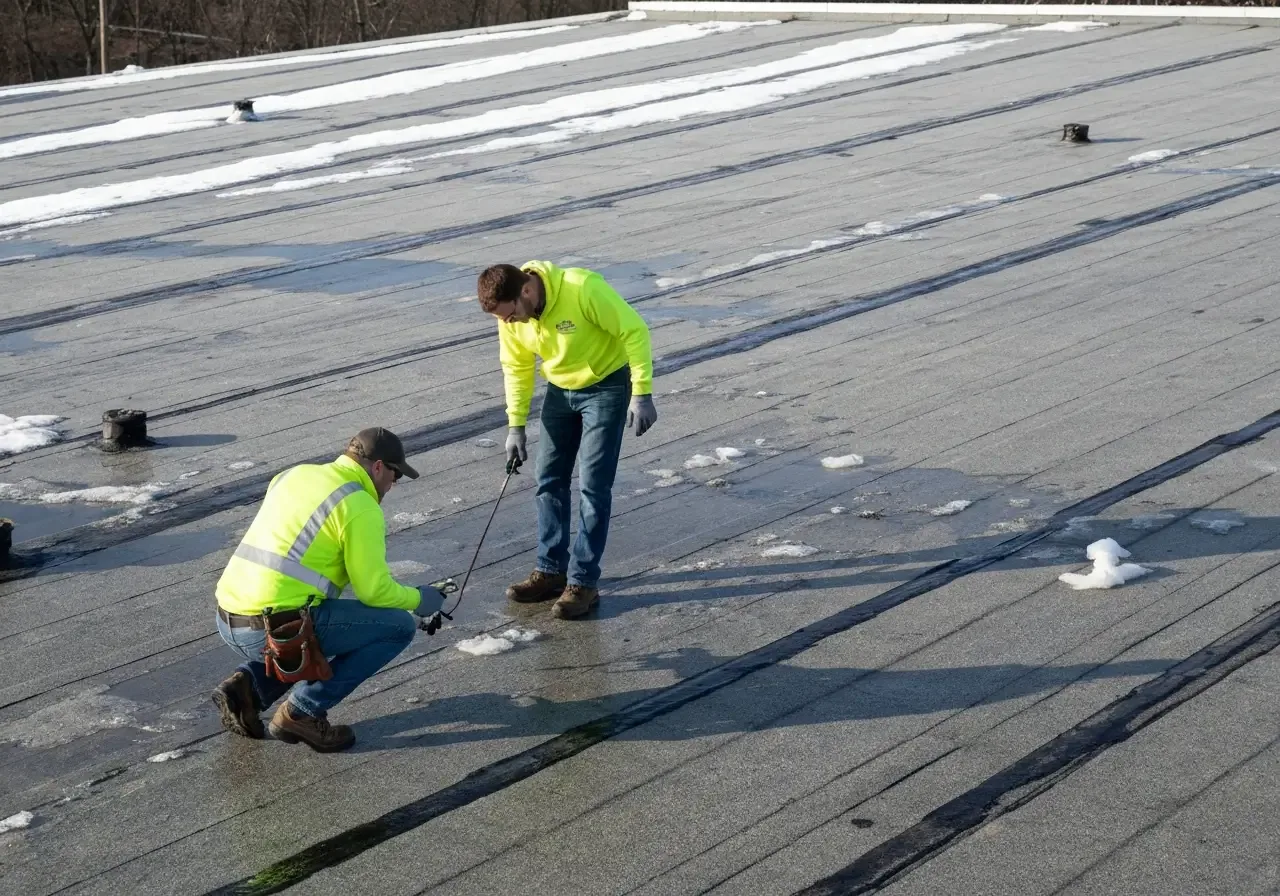
We locate the reported area, inspect accessible details, review available records and note what a controlled opening could clarify before a scope is priced.
When is a recover appropriate?
A recover can be considered when the existing materials, substrate and drainage support another layer. We record the conditions that make that option workable.
How do you plan work in an occupied building?
We set the access route and work boundary with the building contact, then match roof phases to the operations underneath.
What records are included at handover?
The owner receives the documented condition, approved scope, concealed-work photos, completed transitions and any remaining item that needs follow-up.
Request a Roof Assessment