
Mixed-use planning can change how a property operates, but it does not tell us what its roof contains today. Pearl City’s rail-station areas include existing neighborhoods. Pearl Highlands is planned as a shopping and intermodal connection, and mixed-use zoning in the corridor supports redevelopment with active ground-floor uses. These are planning conditions, not completed construction or roof conditions. We inspect the property that exists, locate the reported water and record accessible membrane, flashing, drains and equipment transitions. If a concealed layer controls the correction, we agree on an opening and document what it shows. The owner receives a scope that fits the actual roof and current access requirements.
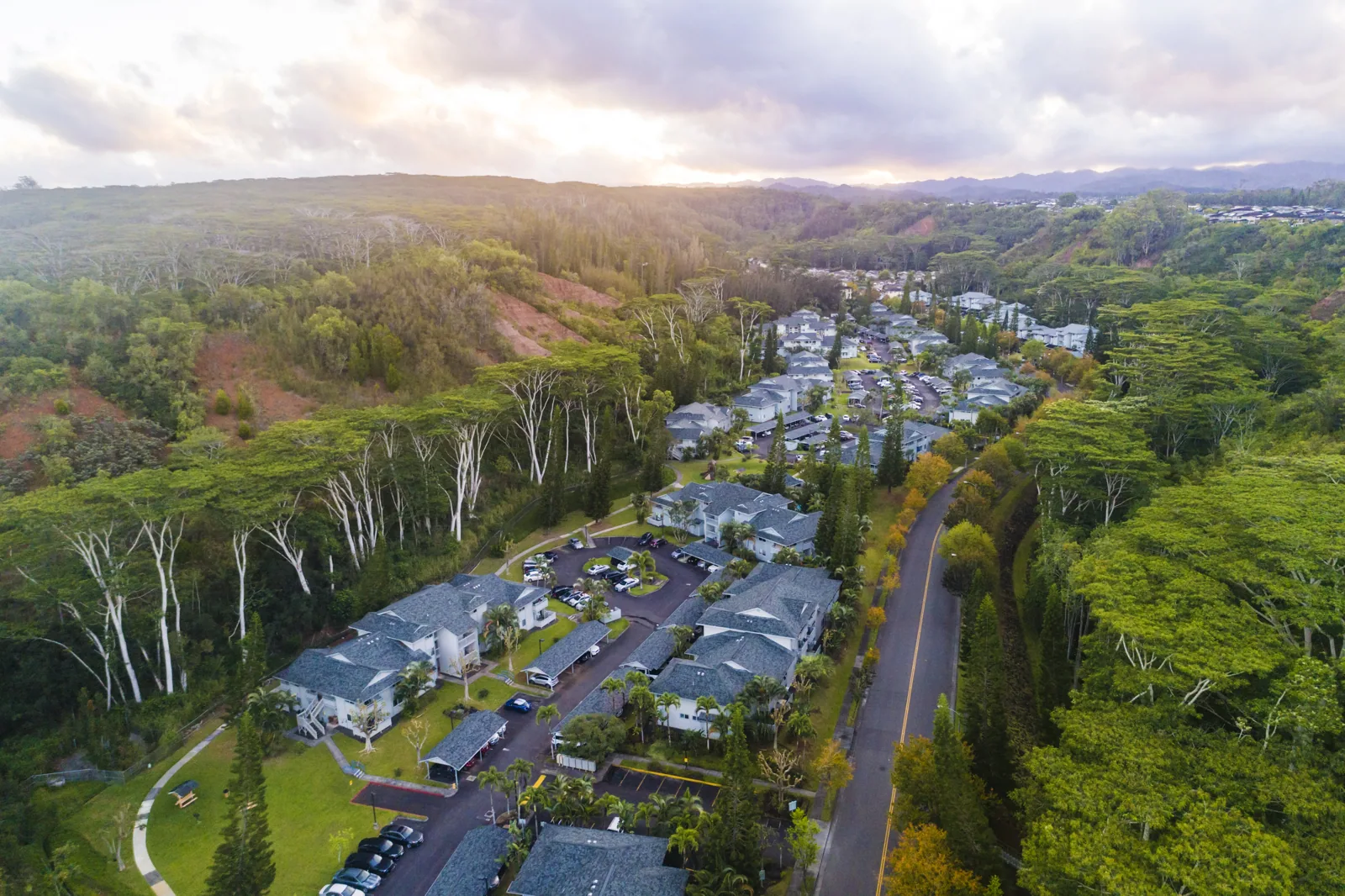
Plan for the building in service
A property in an area with changing land use may have tenants, deliveries and access rules that affect the work sequence. We confirm the current operation and roof route with the manager rather than infer them from a land-use designation. The inspection maps the reported room to accessible roof details, including seams, walls, curbs, penetrations and drainage. We identify what can be established on the surface and what remains concealed. The scope names any opening needed to verify insulation or substrate before removal extends beyond the approved area.
Pearl City’s changing commercial uses are distinct from Aiea’s commercial district divided by H-1. Waipahu’s Old Town and commercial highway center have another property context. Each roof receives its own examination. For occupied use, phased roofing can set the work area and daily closure. A roof inspection records the condition present before the owner selects a repair or renewal.
Identify the assembly before adding a layer
Planning for new mixed-use activity does not establish whether the existing roof is membrane, built-up, metal or a previous recover. We identify the accessible assembly, compare it with property records and note any transition where the roof changes. Water can enter at a seam, wall, curb or drain, then follow concealed layers before appearing indoors. The report locates each observation and distinguishes an apparent cause from one that still needs an opening. If an opening is approved, photographs show the existing surface and exposed layers before material is removed.
The findings govern how a repair can reconnect. We remove material that cannot accept a tie-in, record wet insulation and identify the removal boundary. A leak correction is limited to the confirmed defect and nearby material needed for closure. If the surface is TPO or PVC, seam preparation follows that system. We do not add material over an unresolved wet layer simply because a future-use plan describes redevelopment.
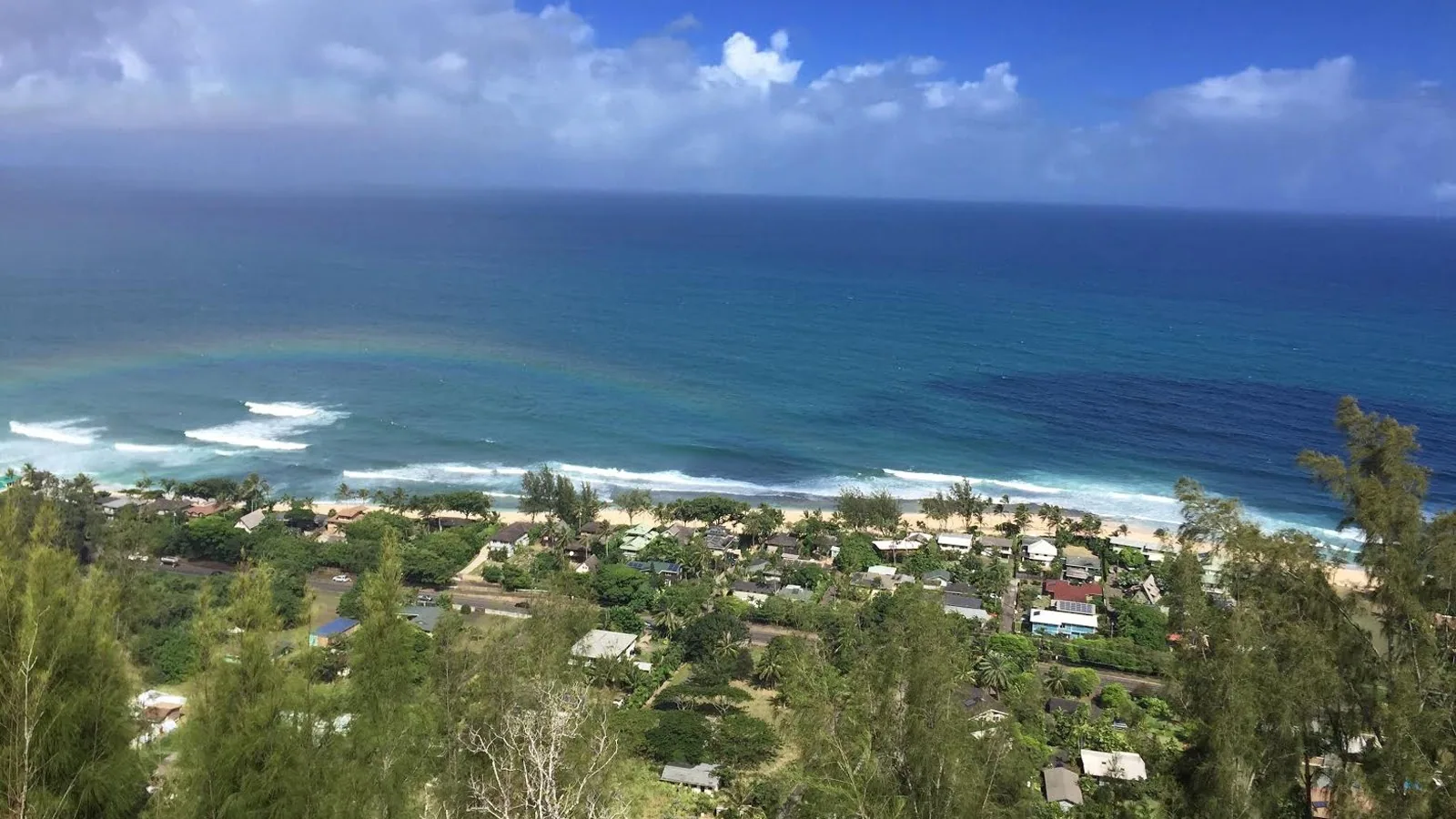
Compare work from one condition record
Owners can compare a localized repair, recover, coating and replacement when each proposal uses the same condition evidence. A repair addresses an isolated failure if surrounding material is sound. A recover retains an existing layer only when moisture, attachment and requirements allow it. A coating requires a stable surface and prepared details. Replacement removes the assembly and may be appropriate when failures repeat or the substrate cannot support a reliable correction. Each option carries different material movement, protection and closure needs, which the property manager can compare against operating hours.
The proposal identifies the roof area, preparation, removal limits, flashing, drains and concealed-work approval point. Replacement planning includes perimeter and equipment details. Recover review records why the existing layer may remain. A capital planning record can preserve known roof needs alongside future building decisions, without treating planned development as completed condition. Price and schedule reflect the scope, access and closure sequence rather than a broad corridor label.
Protect the roof through the work window
Pearl City’s rail-station areas include existing neighborhoods, and Pearl Highlands is planned as a shopping and intermodal connection. That is a land-use framework, not proof of completed construction or roof condition. The crew sizes each phase around what can be removed and restored to a watertight condition. Trade winds affect temporary protection at exposed edges, so material and cover staging must be secured. Drains stay clear and the end-of-shift closure is recorded by area. If the weather window changes, the open section is protected before the next phase is considered.
Ground-floor uses and tenant access may continue during roof work. We coordinate routes, noise and protection below with the building manager. If a pause comes early, we leave a documented closure condition and identify any temporary protection that remains. Storm damage review records observed conditions before correction alters them. A maintenance visit can note seams and drains between larger scopes, but an active leak still needs its own examination and repair decision.
Keep the opening tied to its location
An opening exposes information that disappears when the new surface is installed. We photograph the layer sequence, list material removed or retained and tie the record to the roof location. If wet material reaches beyond the approved limit, the crew stops and presents the finding for direction. The owner can authorize added removal or keep the adjacent condition in a separate follow-up item. At closure, photos show the repair detail and connection to existing membrane. That record supports an acceptance review without implying that other parts of the roof were examined.
We check seams, terminations, curbs and drainage against the approved scope, then provide the completed area, images and any remaining observations. A condition report keeps those findings accessible for future budgeting. The Halawa planned mixed-use area is another district context, not a proxy for Pearl City. A property manager can connect an interior report to the actual roof detail through the location and photo sequence.
Set the approval before the work expands
The owner needs a clear choice: correct the confirmed detail, authorize an opening to answer a question, or compare a broader renewal based on the current record. We summarize the accessible roof, assembly identified, proposed removal and work that remains outside scope. If concealed material could change price or timing, the estimate specifies where the crew pauses. That approval point is useful when current tenant operations and future land-use decisions overlap but do not proceed on the same schedule.
Share the affected room, roof plans, prior repairs and access restrictions before the visit. We will inspect the property as it stands, document the findings and identify the protection required for an approved opening. Our inspection record connects each observed condition to its roof section and keeps a proposed repair or renewal scope within a defined approval boundary. A roof asset record can keep observations organized if more than one property area needs review.
Commercial Roofing Questions
Does Pearl Highlands planning establish the roof on a nearby property?
No. The plan describes a future shopping and intermodal connection, not a completed building or roof assembly. We inspect the property that is present.
How do you work around current tenants and ground-floor use?
We confirm access, material paths, notice and protected areas with the property manager. Each roof phase ends with a recorded closure before work shifts elsewhere.
Can a recover be selected from redevelopment plans?
No. Recover suitability depends on existing layers, moisture, attachment and applicable requirements. We document those conditions before proposing an added system.
What if removal exposes more wet material?
We photograph the layer and stop at the approved removal limit. The owner reviews the finding and authorizes any expansion before the crew continues.
What does the closeout record include?
It identifies the roof location, layers exposed, repair performed, photographs, acceptance checks and any remaining observation. The record stays tied to the property examined.
Examine the current roof, not the plan
Arrange an examination of the property. We will document current roof layers, coordinate access and provide a repair or renewal scope with a clear closure boundary.
Tell Us About Your Roof
We will follow up to set up a time to walk the roof.

Request a Roof Assessment
Tell us about the building and what you are seeing. We will follow up to set up a time to walk the roof.