
An owner budgeting for an occupied office building needs to know which roof conditions require work now and which can remain under observation. Commercial Roofers Honolulu performs hands-on roof inspections in Honolulu, HI, with that distinction tied to the actual assembly and building use. Downtown Honolulu’s concentration of office and government activity provides one setting; the retail and office buildings in Kapolei provide another. We examine accessible roof surfaces and details, record the findings and explain the investigation needed where a concealed condition could change a decision.
The examination begins with the owner’s purpose. A recurring leak, an acquisition review, a replacement budget and a check after equipment work do not require identical emphasis. We establish the relevant roof areas, available assembly history and operating concerns before walking the roof. The resulting condition record should let the owner locate a finding, understand its material consequence and identify the action supported by the examination, without turning a visible observation into an unsupported account of hidden layers.
The decision sets the scope
Existing drawings, past repair photographs and equipment-change records can make an inspection more useful. We compare them with the accessible assembly and identify changes that need clarification. Earlier work may have altered a penetration, added a roof area or covered a drain connection. Recording that difference helps establish which parts of the building share a known assembly and which require further examination before a repair or budget can be prepared.
Interior observations are also relevant. An owner can identify rooms where moisture has appeared, conditions under which it occurred and any recent operating change above them. We relate that account to roof locations and accessible details. A condition inspection may identify defects near the affected area; focused leak investigation can then establish the entry path when the relationship remains uncertain. The distinction matters because a roof defect and an interior stain can coexist without being connected.
The field receives close attention
Membrane surfaces are examined for splits, punctures, exposed reinforcement, irregular patches and signs of attachment movement. We look at the surrounding condition rather than assign the same priority to every surface mark. A superficial abrasion on serviceable material differs from a cut that exposes the assembly below. Where deterioration is distributed across the field, the record identifies its pattern and the additional assessment needed to judge a broader repair or replacement scope.
On metal roofing, examination includes accessible panels, joints, fasteners and the details that accommodate movement. Loose fasteners and distorted panel connections deserve different repair considerations. A standing seam roof may include concealed attachments that require selective investigation, while the visible panel profile helps identify where movement and drainage interact. We record what can be reached and inspected, so the owner understands which conclusions come from direct examination and which components remain concealed.
Foot traffic routes and equipment service areas can concentrate wear. We identify where a walkway, protection layer or change in access could reduce recurring damage to the waterproofing. The inspection does not presume that an existing roof was designed for every new use placed above it. Added equipment, storage or access requirements may need another professional’s assessment, and the condition record identifies that coordination where it affects roof attachment or supporting structure.
Connections receive their own entries
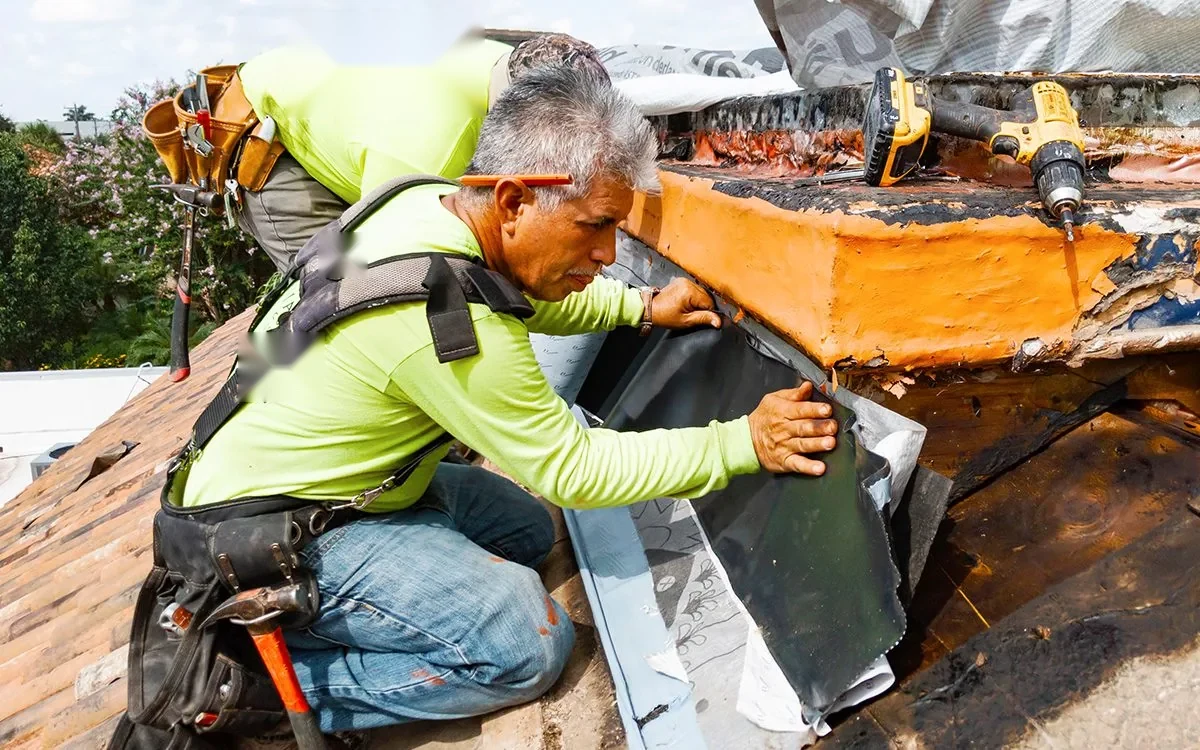
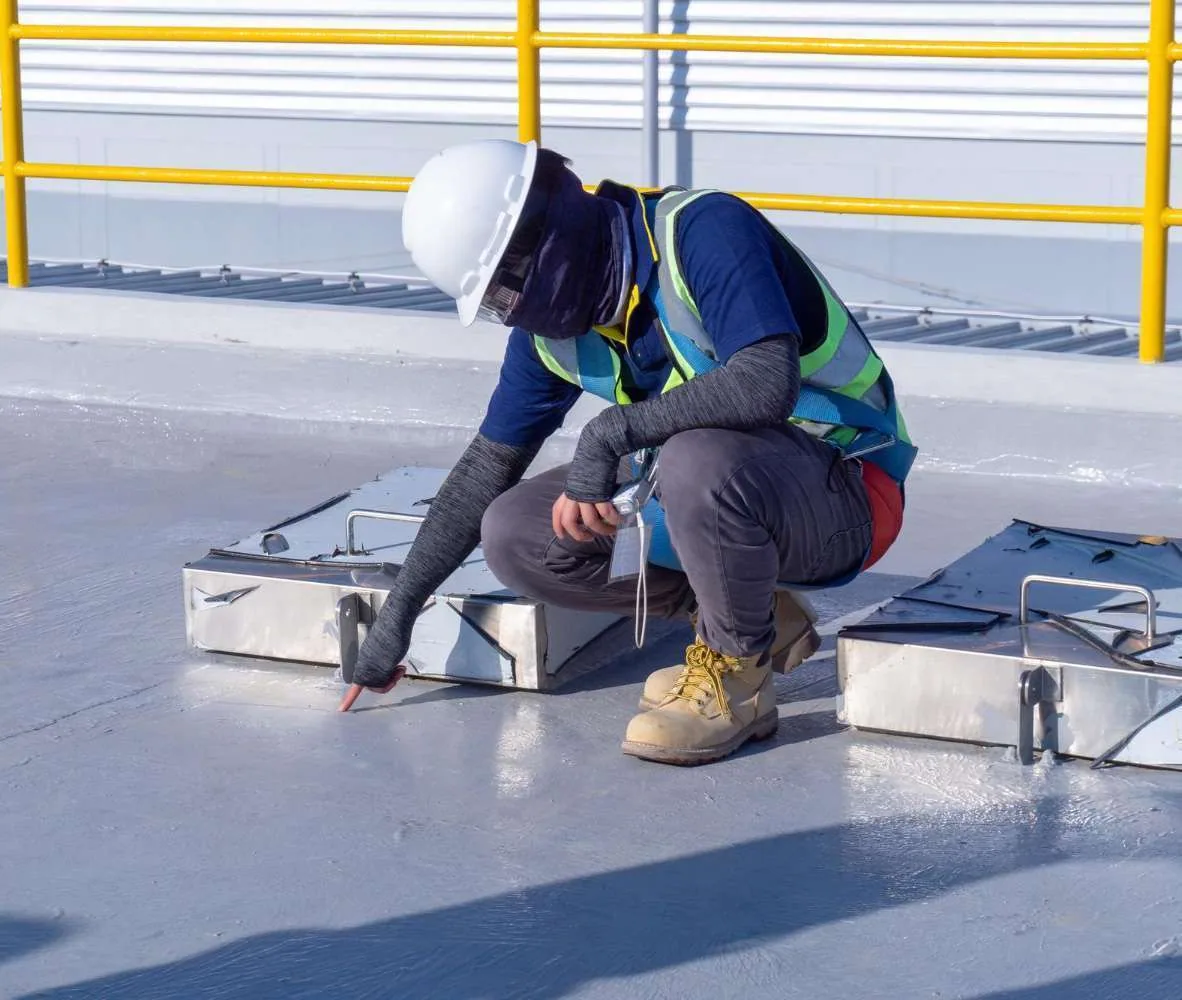
Wall flashings, curb corners and pipe penetrations are inspected as individual junctions. We examine seams, terminations and accessible support, noting separation or movement that could open the waterproofing. The record distinguishes a sealant-maintenance item from a detail requiring reconstruction. Photos taken from useful angles show the condition and its relationship to adjacent roofing, rather than leave the owner with close-ups that cannot be located on the building.
Drains and scuppers are assessed for visible obstruction, damaged components and the relationship between the outlet and roof surface. Water marks and accumulated debris can identify areas deserving closer drainage investigation. We explain whether outlet and drainage work is indicated or whether the geometry requires a wider assessment. Clearing debris may restore flow, but it does not resolve a drain set too high or a depression that remains after the outlet is open.
Hawaii’s northeasterly trade winds make exposed transitions worth careful examination, while its heavier winter rainfall raises the operating consequence of unresolved entry points. We use that local context to explain scheduling where a defect already warrants attention. The finding itself remains specific to the roof. A sound detail is recorded as observed; a separated termination receives an action tied to its condition and exposure, rather than a general prediction based on the season.
Concealed questions lead to investigation
Softness beneath a membrane or a history of leakage can suggest that insulation or supporting material needs closer assessment. We identify the suspect area and explain the investigation suited to the assembly. An infrared survey with selected openings may help clarify moisture extent under suitable conditions, while direct openings can establish material layers and supporting condition. These actions are proposed for the question they can answer, not as interchangeable additions to every inspection.
A roof where repeated local defects coincide with wider deterioration may need a comparison of targeted repair work and longer-term replacement budgeting. We identify the evidence supporting each option and the uncertainties that would materially affect its scope. That lets an owner authorize the next useful examination or repair while retaining a clear basis for a later capital decision, rather than postpone all action until every roof layer is known.
The record supports action
Inspection findings are grouped by their consequence and the work needed to address them. An active opening, deteriorated supporting material and a maintenance item can require different timing. We identify the reason for each priority and distinguish an immediate roofing action from additional investigation or another trade’s work. The proposed response should remain traceable to the photographed condition, including locations where access restrictions prevented a complete examination.
For an owner with offices or retail premises in Kapolei’s commercial area, the record can also support coordination of future rooftop changes. We identify details that require protection and repairs that should precede equipment work. Keeping inspection photographs with completed repair records allows later findings to be compared with known conditions. The value comes from a usable account of the roof and a practical next action, rather than an isolated condition label with no location or scope attached.
Commercial Roofing Questions
Can the inspection be directed at a planned equipment change?
A defined equipment project gives the examination a specific purpose. We assess accessible roofing at the proposed work area and identify waterproofing, access and trade-coordination questions that need resolution.
Will the report identify the location of each defect?
Photographs are related to roof areas and recognizable details. That lets the owner connect a finding with the proposed repair rather than interpret an unlocated close-up.
Are openings included in every hands-on examination?
Selective openings are considered where a concealed question affects the decision. We identify their purpose and closure requirements before adding them to the inspection scope.
How should inaccessible roof areas be handled?
Access limits remain explicit in the findings. We explain what prevented examination and the additional access or method needed to assess the area, rather than assign it the condition of a nearby roof.
Can a condition record separate repair priorities from budgeting?
Immediate defects and longer-term assembly concerns are identified distinctly. The record explains the action and evidence for each so the owner can coordinate current work with future expenditure.
Arrange a purposeful examination
Tell Commercial Roofers Honolulu which ownership decision the roof inspection must support, and arrange a condition record tied to accessible findings and necessary next steps.
Tell Us About Your Roof
We will follow up to set up a time to walk the roof.

Request a Roof Assessment
Tell us about the building and what you are seeing. We will follow up to set up a time to walk the roof.