
A school roof repair has to fit the hours when students, staff, deliveries, and maintenance teams use the building. We identify the roof area, the rooms below it, and the route a crew can use before setting an opening limit. Kalihi includes public schools and other educational buildings, while Manoa has university buildings and several schools within a different low-rise setting. Those places do not establish the condition of any particular roof; they show why access and occupancy must be confirmed at each property. We inspect the membrane, metal transitions, drains, curbs, and penetrations, then connect visible findings to the repair boundary. Our condition record includes the photo sequence, concealed-layer questions, and planned closure detail. When water entry needs attention outside the school-day calendar, a crew can respond around the clock, including holidays, while preserving a clear record of what was opened and secured.
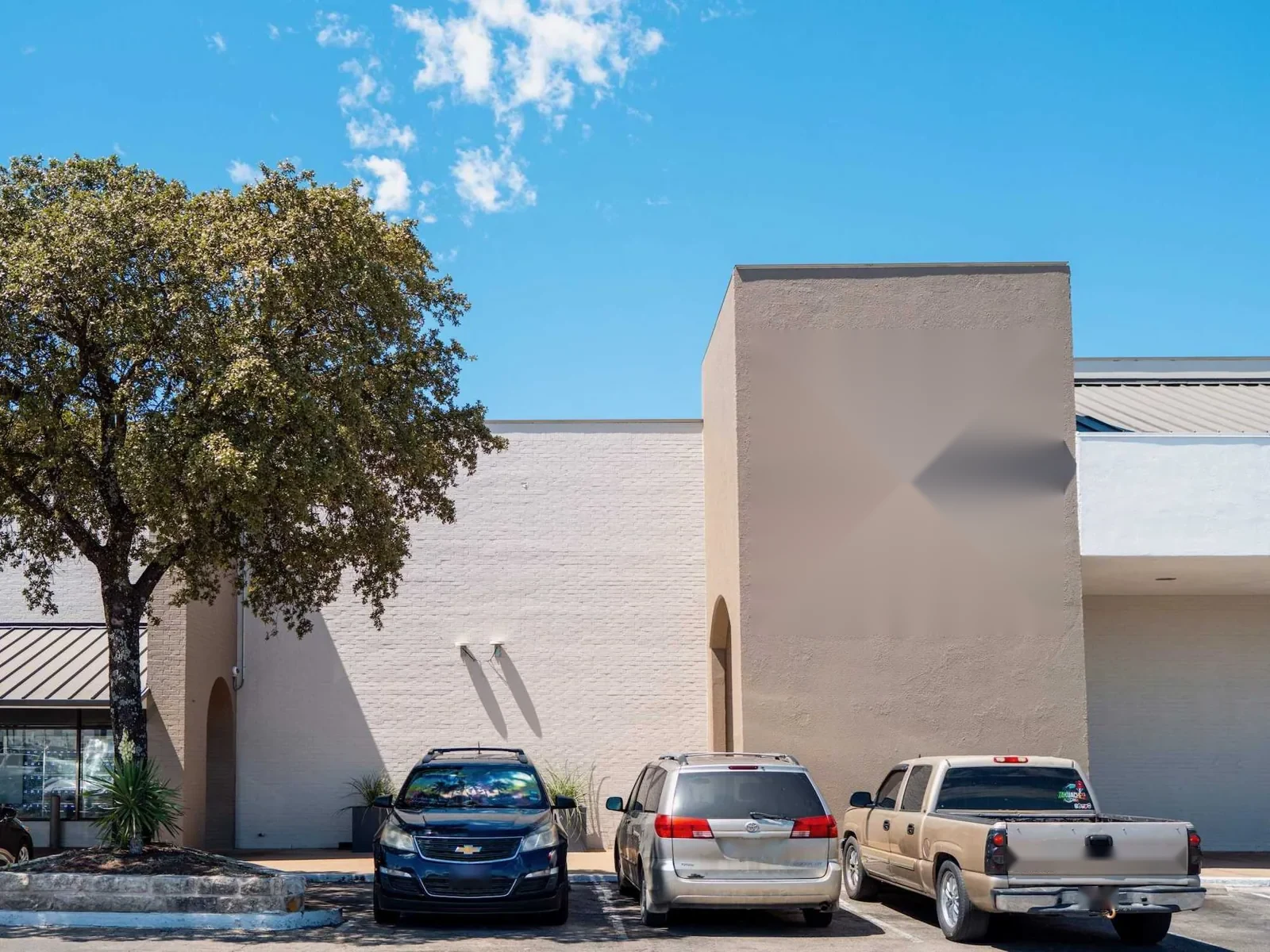
Locate the leak and its path
A ceiling mark may sit away from the roof defect, especially where water travels along a deck, conduit, or framing before reaching an occupied room. We compare the reported location with roof-level observations, including seams, penetrations, curb corners, drain bowls, and wall transitions. A moisture survey can help sort a localized repair from a condition that may extend beneath the exposed surface; it does not replace a selective opening when the concealed material must be seen. The report identifies confirmed conditions separately from areas that need more examination, so a district can choose whether to authorize investigation, repair, or broader renewal. That difference is useful for a campus with multiple buildings, where one wet ceiling should not turn into an unsupported roof-wide assumption. A photo-based roof condition report keeps the observation tied to a mapped area.
Keep student and crew routes apart
Roof access may share a gate, service road, loading zone, or stair with school operations. Before work, we confirm where a lift can stand, how materials reach the roof, which hatch is available, and when a work area can be cleared. The plan should keep ladders, debris, tools, and temporary barriers outside student circulation and emergency paths. A morning arrival period, lunch delivery, or after-school activity can change the workable sequence even when the roof scope stays the same. We coordinate those details with the site contact and record any portion that must remain untouched during occupied hours. For roof work over an active building, occupied-building phasing connects the chosen work window to a defined roof zone instead of relying on a broad campus shutdown.
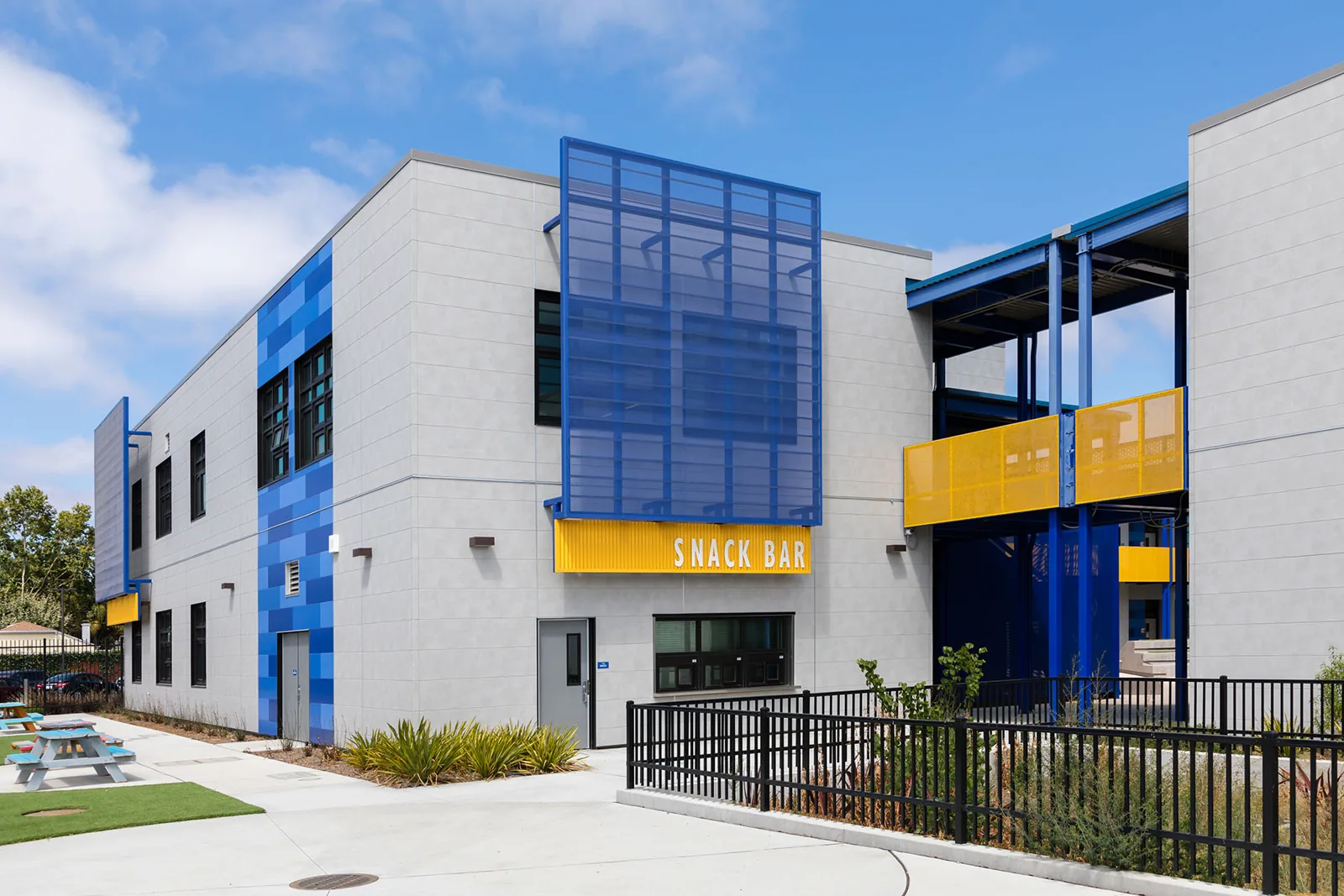
Identify what sits below the membrane
School additions and repairs can leave different roof assemblies across one property. A membrane may cover insulation, cover board, or an earlier roof layer, and the records may not describe every transition at an addition. We review available roof plans, note what can be observed safely, and define the question that a test opening would answer. The work order should limit removal to an identified area and explain what changes if saturated insulation, a soft substrate, or a different layer is found. We photograph each exposed layer before it is covered, then list material removed and installed in the handover. That sequence gives facilities staff a usable record after the repair is no longer visible. Where broader deterioration supports renewal, the replacement scope should distinguish the roof sections that need removal from those that can remain.
Close each opening before dismissal
Hawaii’s heaviest rain generally arrives with winter storms between October and April, while trade winds persist through the year. For a school, the roof opening and the occupied rooms beneath it need a closure plan before a crew begins removal. We define the maximum area to expose, the temporary materials on hand, and the person who checks the tie-in at the end of the shift. A weather window may narrow during the day, so the planned stop point matters as much as the morning start. If the surface is damp or the detail cannot be secured as specified, we record the changed condition and protect the roof before proceeding with another section. The record includes the work zone, photographs, and closure check, allowing a district contact to match the end-of-day condition to the authorized plan.
Compare maintenance with capital work
A district can group buildings for review without assuming they share the same roof condition. We identify immediate water entry, deteriorated transitions, recurring drain problems, and assembly questions by building and roof zone. A repair can be the right scope when the material around it remains serviceable and the boundary is clear. Wider wet insulation, repeated seam failure, or a compromised substrate can support a different option, but the finding should be documented before a renewal is selected. Maintenance records can then separate a completed repair from a monitoring item and a future budget need. The public-building roof record can help purchasing staff compare scope evidence across agency properties, while occupied care building planning shows another way access affects roof work. Neither replaces an examination of the school assembly itself.
Return a usable closeout file
The handover should let a facilities director find a repair years later without guessing which roof section a photograph shows. We label each image with its building and mapped zone, state what was removed and installed, and note any concealed condition that altered the scope. The record includes the closure detail, remaining access limits, and a follow-up item only when the roof condition warrants one. If several schools are being reviewed, the district can keep each building record separate while using consistent labels for seams, drains, and equipment curbs. That structure helps staff identify repeat conditions without treating one building as proof about another. We can also prepare a maintenance visit that checks the repaired detail after exposure to weather, so the next decision rests on a current observation rather than an old work order. For a roof with several additions, the visit can note each transition separately, keeping a leak investigation from migrating to a different wing without supporting evidence.
A zone label should remain readable in both a roof photograph and a maintenance note. We keep that label stable after the repair, so future staff can locate the detail before another opening is considered.
Commercial Roofing Questions
Can roof repairs take place while classes are in session?
The schedule depends on the access route, work-zone boundary, noise, and the rooms below the roof. We coordinate a sequence with the site contact and state which areas remain open before mobilization.
What should a district include in the roof authorization?
Define the inspection area, permitted opening, temporary protection, and decision point for added work. We document the condition found and request a revised scope if concealed materials require a different repair.
How are roofs at several schools kept distinct in the report?
Each property receives its own building and roof-zone reference. Photos, material notes, closure checks, and follow-up items use that same reference, so a repair record does not drift between campuses.
What happens if rain threatens an open roof section?
We stop at the agreed boundary and secure the opening with the planned temporary detail. The closeout records what remained exposed, how it was protected, and what needs inspection before the next work step.
When does a school roof need more than a localized patch?
A broader scope may be warranted when inspection finds recurring failure, wet material beyond the repair boundary, or an unstable substrate. We document that evidence before presenting removal or renewal as an option.
Plan the next school-roof decision
Arrange a commercial roof examination in Honolulu, HI. We will identify the affected roof zone, coordinate access, and provide findings that facilities staff can review against the proposed work.
Tell Us About Your Roof
We will follow up to set up a time to walk the roof.

Request a Roof Assessment
Tell us about the building and what you are seeing. We will follow up to set up a time to walk the roof.