
A warehouse owner needs roof work tied to the stored goods and operating areas below each proposed opening. Commercial Roofers Honolulu repairs and replaces warehouse roofing in Honolulu, HI, with assembly findings and goods-protection coordination included in the scope. The employment districts of Mapunapuna and Waiwai Loop provide broad local contexts for industrial roof work, while the assessment addresses the actual building. We identify the affected roof areas, access routes and concealed questions so the owner can plan storage and movement around a defined construction sequence.
Storage use can make the consequence of a leak depend on its precise interior location. A roof defect above an aisle differs operationally from one above inventory that cannot remain beneath an opening. The owner establishes how goods and activity will be managed, and we explain the roofing stages and protection required. That relationship keeps the proposal connected to the warehouse’s current use without assuming that one work boundary or access arrangement fits every storage building.
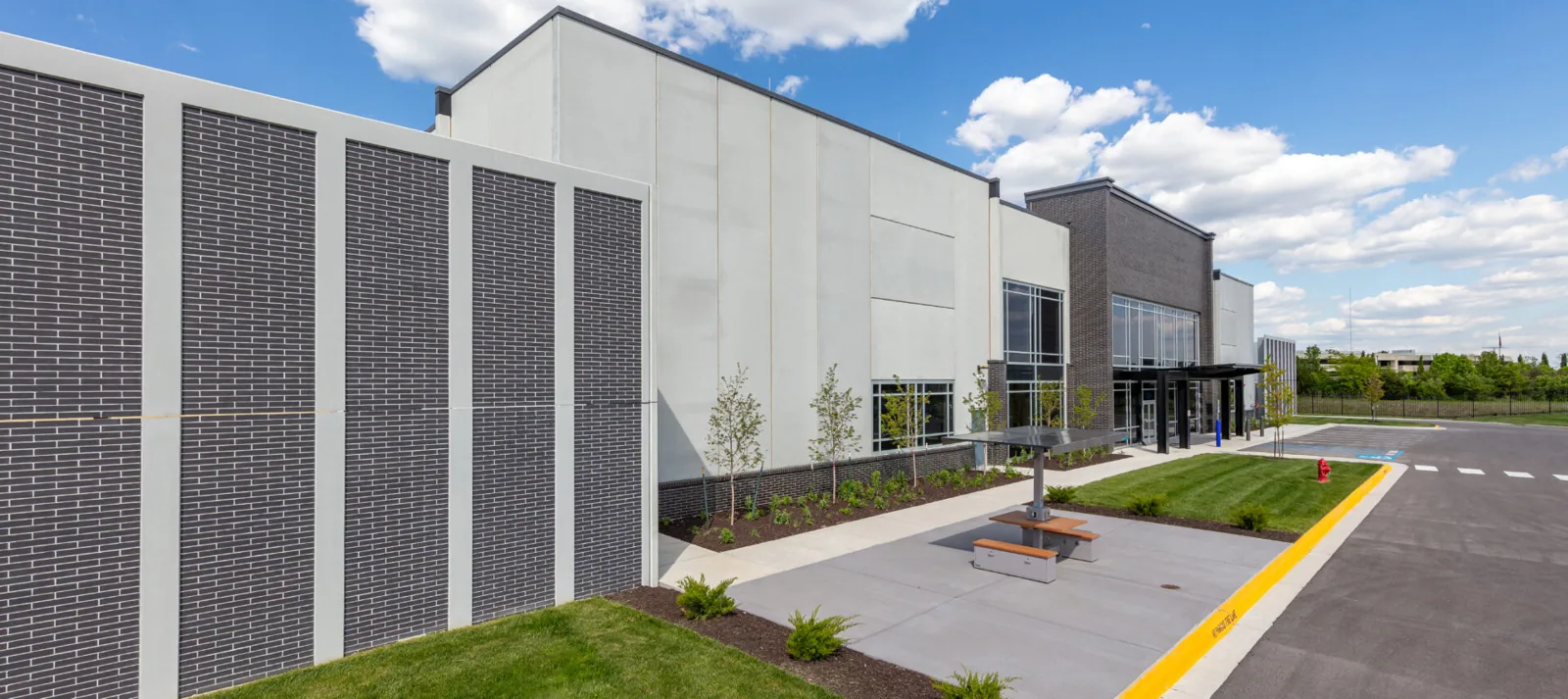
Roof locations connect to storage decisions
We compare the owner’s interior observations with accessible roof features and available drawings. Equipment, roof additions and earlier repairs can help locate the area requiring examination. Interior water may travel before it becomes visible, so the roof inspection does not simply select the point directly above a stain as the repair location. A warehouse leak investigation follows the evidence needed to identify the entry path and define the relevant connection.
The operating plan identifies areas below removal or investigation openings and any goods that must be moved or protected through the owner’s process. We agree access and the roofing closure sequence before work begins. Where the interior cannot be restricted as initially proposed, the roofing method or timing may need reconsideration. The record makes that dependency clear, avoiding a construction plan that assumes access to space the warehouse must continue using.
The retained assembly needs a material account
Warehouse roofs can include different systems and layers across additions, and the existing construction needs direct assessment where it affects the work. We review records, examine accessible roofing and propose selective openings when concealed condition matters. The findings identify the membrane or panels, insulation and supporting material relevant to the decision. Separate areas are considered individually when their construction differs rather than assign one opening’s results to the whole building.
A survey of suspected concealed moisture may help locate areas for confirmation under suitable conditions. Confirmed wet or deteriorated layers receive defined removal limits. We explain their connection to retained construction and identify additional support assessment where needed. This gives the owner a basis for comparing local repairs with broader roofing work, instead of choosing scope only from the size of the visible surface defect.
Material selection follows that assembly review. A TPO warehouse roof option needs suitable supporting layers and attachment, while metal or other membrane systems have different requirements. We identify the installation proposed and the associated detail work. The selected sheet or panel is not treated as a complete answer to drainage, curb height or damaged backing, each of which remains part of the construction decision.
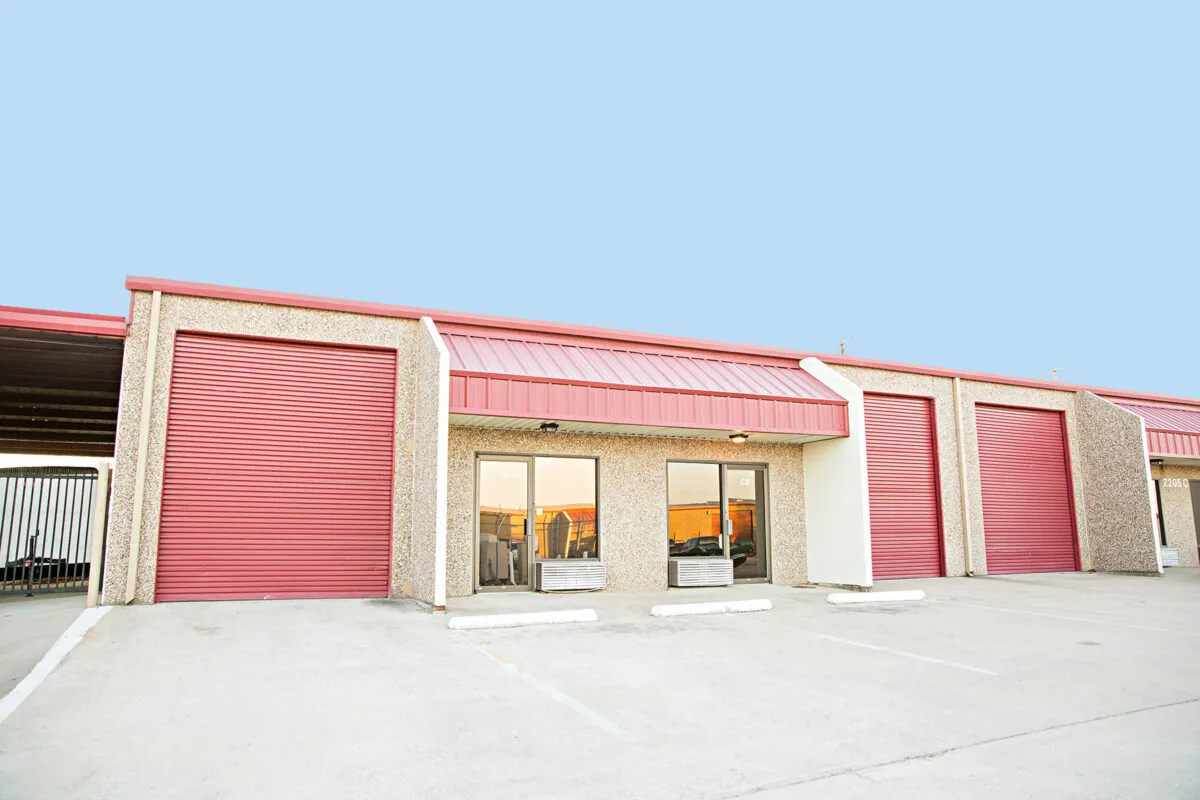
Service activity can affect waterproofing
Rooftop equipment servicing may concentrate traffic near access points and along routes above stored goods. We examine the roofing at those locations and identify damage or unsuitable protection. The owner can coordinate technician routes and work practices with the assembly’s needs. A compatible walkway arrangement can help protect a serviceable surface, but it should not cover a puncture or deteriorated detail that still requires repair.
New equipment or a changed support can also alter the roof connection. We identify the required waterproofing work and the responsible trade’s tasks before modification. Curbs, pipes and support contact areas need suitable details and supporting conditions. If equipment must be disconnected or moved to permit a sound closure, that stage is included in the coordination plan rather than leave the roofing crew to work around a component that prevents proper access.
Drains and scuppers need to remain accessible despite equipment or roof changes. A restricted inlet or raised surrounding detail can affect the drainage route over a wider area. We examine the relevant outlet and geometry, distinguishing debris removal from correction of a component or slope problem. The proposed action follows the actual finding, keeping water movement connected to the roof assembly rather than treat every retained-water observation as a maintenance cleaning item.
Removal boundaries follow closure capacity
For a warehouse roof replacement scope, the phase boundary considers roof geometry, details and the work required to close the opened layers. Material handling and removal routes are coordinated with storage movement and loading activity. We identify the roofing area that can be completed appropriately during the work period, including the protection needed if a concealed condition requires an authorization change before permanent closure.
Hawaii’s heavier rain generally comes with winter storms between October and April, making exposed work above inventory dependent on a suitable closure plan. The crew evaluates the actual weather window and operation rather than commit to removal solely because the area is scheduled. Temporary transitions receive defined treatment and are identified in the work record. The owner can then distinguish completed roofing from a protected boundary awaiting the next construction stage.
A distribution-center work plan may emphasize frequent loading and movement, while cold-storage roof coordination introduces other assembly and operating questions. We establish the warehouse’s actual use rather than import those requirements automatically. The scope remains specific to its goods, equipment and roof condition, allowing a practical construction plan without unsupported assumptions about the building’s function.
The record supports the next warehouse decision
Completion photographs identify relevant exposed layers and final connections with locations related to recognizable roof features. Authorized changes remain with the scope, and outstanding matters are described. For buildings in Mapunapuna’s employment area, the owner retains a construction account specific to the roof examined. That record helps later personnel understand which areas were rebuilt and which material remained beneath the completed surface.
Warehouse roof condition tracking can connect later observations with repaired locations and equipment changes. A recurring defect receives assessment of the earlier work and current condition rather than another unlocated patch. We identify care and access precautions appropriate to the installed system. The handover therefore leaves the owner with a usable assembly record and practical next actions, keeping future goods-protection and capital decisions grounded in known roofing work.
Commercial Roofing Questions
What storage information helps plan a roof opening?
The owner identifies goods and activity below the proposed work, including areas that cannot remain in use. We coordinate the roofing boundary and protection with that operating decision before removal.
Can an interior stain establish the exact roof repair location?
Water can travel through the assembly before appearing inside. The investigation relates interior observations to roof findings and identifies the entry path before the repair scope is defined.
Why examine additions separately from the original warehouse roof?
Their layers or details may differ. Findings need to remain tied to the actual area when that difference affects retention, material selection or the connection to new roofing.
How are loading routes considered during replacement?
Material delivery, debris removal and construction restrictions are agreed with the owner’s operation. The sequence identifies which routes or areas are affected at each roofing stage.
Which completion record helps protect stored goods during later work?
Located assembly and detail photographs show the construction remaining above each area. Combined with a current assessment, they help define suitable opening boundaries and operating coordination for another project.
Connect warehouse roofing to storage use
Arrange warehouse roofing with Commercial Roofers Honolulu to assess the assembly and define goods protection, access and repair or replacement boundaries.
Tell Us About Your Roof
We will follow up to set up a time to walk the roof.

Request a Roof Assessment
Tell us about the building and what you are seeing. We will follow up to set up a time to walk the roof.