
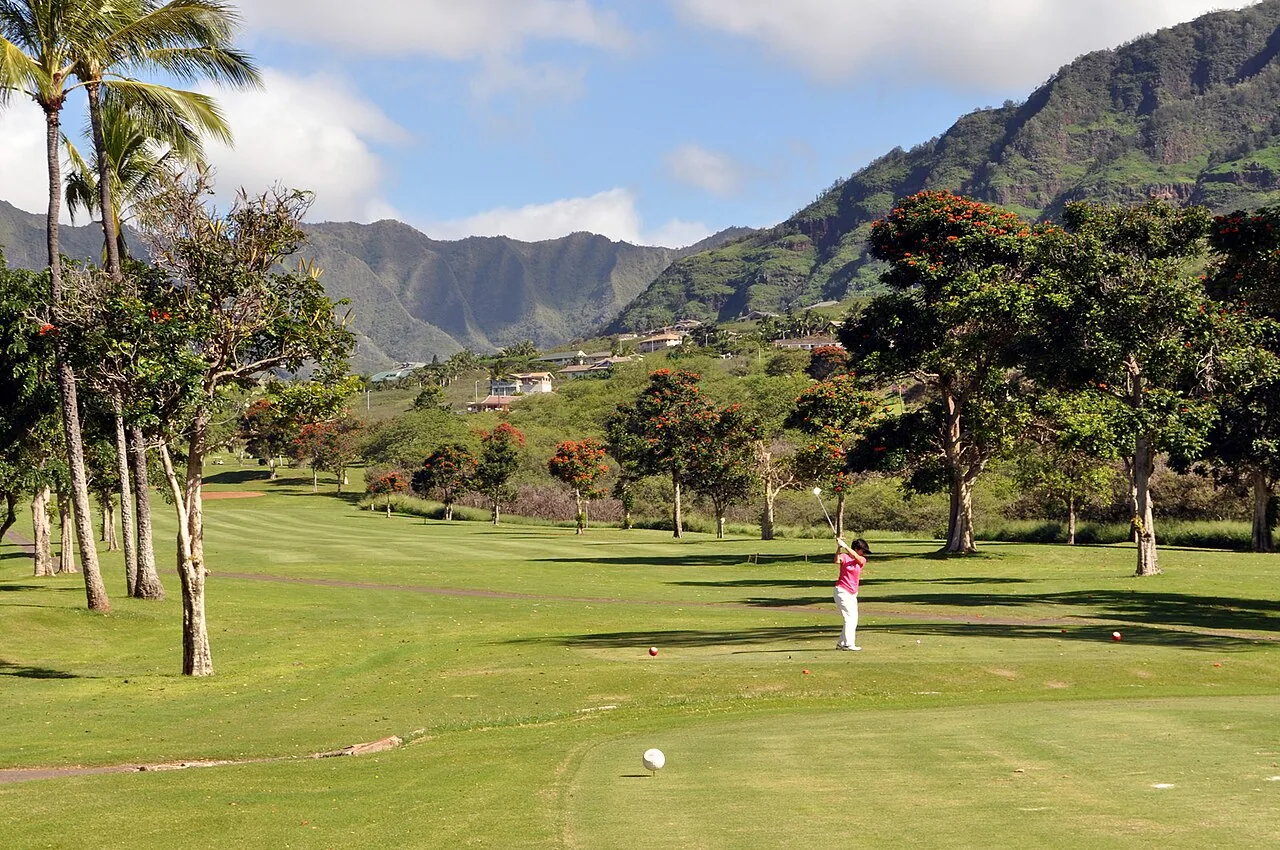
For a business in Waimanalo, an open roof detail can interrupt work below long before the full extent of the condition is known. We begin by recording where water appeared, what the roof surface shows and which operations need protection. The commercial center follows Kalanianaole Highway, while agricultural lots and plant nurseries extend inland. That mix describes the community, not the construction or condition of a particular roof. Our first examination checks accessible seams, flashings, drains, edges and prior repairs, then identifies the evidence needed before an owner approves removal. A written scope states the work area, the closure method and what would trigger a revised boundary. For Waimanalo, HI, this record lets a decision maker compare a contained repair with broader renewal without relying on assumptions about the building or its roof.
Define the work area first
The small commercial center along Kalanianaole Highway gives an owner a local point of reference, but the roof itself must answer the repair question. We note the reported interior area, safe access, roof sections and any business hours that constrain staging. If the visible defect lies near a penetration or wall transition, we photograph the detail before disturbing it. If a leak appears away from the likely entry, we trace the path across the assembly rather than select the stain as the repair limit.
That distinction matters when a building has several roof elevations or an addition joined to older construction. The proposed work should show which section will be opened, how adjacent material will be protected and how the finished detail will be accepted. A commercial repair scope needs an observed condition and a defined stop point; if the inspection cannot establish the concealed boundary, we state what an approved opening would resolve. This keeps a limited repair from becoming a wider project without a recorded reason.
Record the roof before choosing materials
Appearance alone does not identify a membrane or tell us whether a patch will adhere. We check the exposed surface, seam configuration, attachment clues, flashing transitions and any prior repair material. Where the assembly remains unclear, a test area may be more useful than a broad recommendation. The owner receives an opening log that identifies the location, layers exposed and photographs taken before closure. Moisture mapping can help direct that work when the visible condition does not show where wet material ends.
A coating may preserve an eligible surface, but loose details, trapped moisture or a weak substrate can rule it out. Recover has its own limits because the existing assembly must remain suitable beneath the new layer. Replacement offers a fuller view of concealed material while requiring more removal and coordination. We compare these choices after reviewing the findings. A silicone coating scope or a roof recover evaluation should name the surface preparation, detail work and exclusions, not simply promise a new finish.
Close each opening deliberately
Hawaii's trade winds and winter rain make the closure sequence part of the repair scope. The state's heaviest rain generally falls during winter storms between October and April, although rainfall varies over short distances and a statewide pattern cannot forecast Waimanalo on a particular workday. We check the immediate forecast, set the daily removal limit and stage temporary protection before exposing concealed layers. If conditions shift, the crew needs a defined way to secure the opening and a clear owner contact for the handoff.
Wind affects material handling and temporary covers at edges and transitions. We record the condition before removal, photograph any concealed work, and note when the permanent repair closes the assembly. A weather window that ends before a detail is complete may require a planned pause rather than an improvised finish. The owner can review the sequence in the condition report and see how the approved work responded to the exposed assembly.
Separate a patch from a larger decision
A repair can be reasonable when one area has a clear defect, the surrounding material remains sound and the connection can be restored. Wider removal deserves consideration when an opening reveals moisture beyond the planned limit or several related details have failed. The scope identifies what was seen, what remains concealed and the conditions that would change the recommendation. This lets the owner approve a repair boundary rather than accept an undefined promise to stop a leak.
Haleiwa's role as the principal North Shore commercial center differs from Waimanalo's small commercial area and agricultural setting. Kaneohe is another distinct town; its commercial center extends mainly along Kamehameha Highway. The distinction is geographic context, not a claim that those places share a roof assembly. We examine each property separately. A replacement proposal should compare removal, substrate findings, new assembly and disruption against a bounded repair. A restoration option should explain preparation and suitability. We identify the scope boundary and any unresolved condition before the owner chooses the path.
Coordinate access around daily work
Work above an active business calls for agreement on roof access, material staging, noise periods and protection below. We ask which areas must stay open and who can authorize a temporary closure. If a repair requires an interior check, we coordinate that entry and identify the affected space before the crew arrives. The plan can divide roof work into smaller zones where doing so protects occupied use without leaving an opening exposed overnight.
Owners with plant nursery or agricultural operations should identify vehicle routes, loading areas and irrigation controls that cannot be blocked, if those constraints apply to the specific property. We do not infer them from the community's land use. The building contact confirms actual conditions, then the sequence records them. A maintenance visit can document drains and flashings during a scheduled access window, creating a baseline for later comparison. Separate roof sections receive separate notes so future work begins with the right condition record.
Give the owner a usable closeout
At handover, the owner should be able to identify the repaired detail, removed material, closure method and any item outside the approved scope. We arrange photos in the order the work occurred, connect them to the location log and call out concealed conditions that changed the work. If the inspection did not expose a layer, the record says so; a clean surface is not evidence about what remains beneath it.
We can provide a commercial roof inspection with observations and next steps tied to the actual assembly. For a Waimanalo business, that may mean a repair, a moisture survey or a larger comparison after an opening. The owner can arrange an examination and receive a scope that identifies the necessary work and its supporting findings. We record the final closure and acceptance point so building operations can resume with a clear account of what was completed.
Commercial Roofing Questions
What is documented before a roof repair begins?
We record the reported leak area, accessible roof details, the proposed removal limit and the protection needed below. The scope identifies any opening that requires approval and how the assembly will be closed.
Does the community's agricultural use determine the roof type?
No. Agricultural lots and nurseries are part of Waimanalo's setting, but they do not tell us what material is installed on an individual building. We inspect the exposed assembly and record what can be confirmed.
When should an owner consider an opening?
An opening is useful when visible evidence cannot define the concealed layer or moisture boundary. We state its location and purpose first, then photograph and log what it exposes before closing the roof.
How do you plan around a rain change?
We set a daily removal limit, stage temporary protection and identify who will authorize the handoff. If conditions change, the exposed area is secured within the agreed sequence rather than left to an unrecorded decision.
Can maintenance be scheduled without a leak?
Yes. A scheduled visit can document accessible seams, flashings, drains and transitions before a reported failure. The resulting notes distinguish current observations from repairs that may be needed later.
Arrange an examination
We can examine the roof assembly in Waimanalo, record accessible conditions and prepare a repair or renewal scope with its closure method and supporting findings.
Tell Us About Your Roof
We will follow up to set up a time to walk the roof.

Request a Roof Assessment
Tell us about the building and what you are seeing. We will follow up to set up a time to walk the roof.