
A roof decision in Kahala starts with the property use and the perimeter detail that needs attention. The district has concentrated residential and beachfront building stock, with resort and retail uses along its edges and public and private educational buildings serving the neighborhood. Those facts describe a varied setting, not the roof on a particular property. We inspect the actual membrane, edge metal, penetrations and drains, then record which findings support repair, coating or replacement. For a building near the shoreline, exposed metal deserves examination before corrosion is assumed. Honolulu, HI, also faces persistent trade winds and heavier rain during winter storms, so an opening needs a workable closure plan. The owner receives photographs, a defined removal limit and a closeout record. A night leak can bring immediate protection work; call any hour, including a holiday.
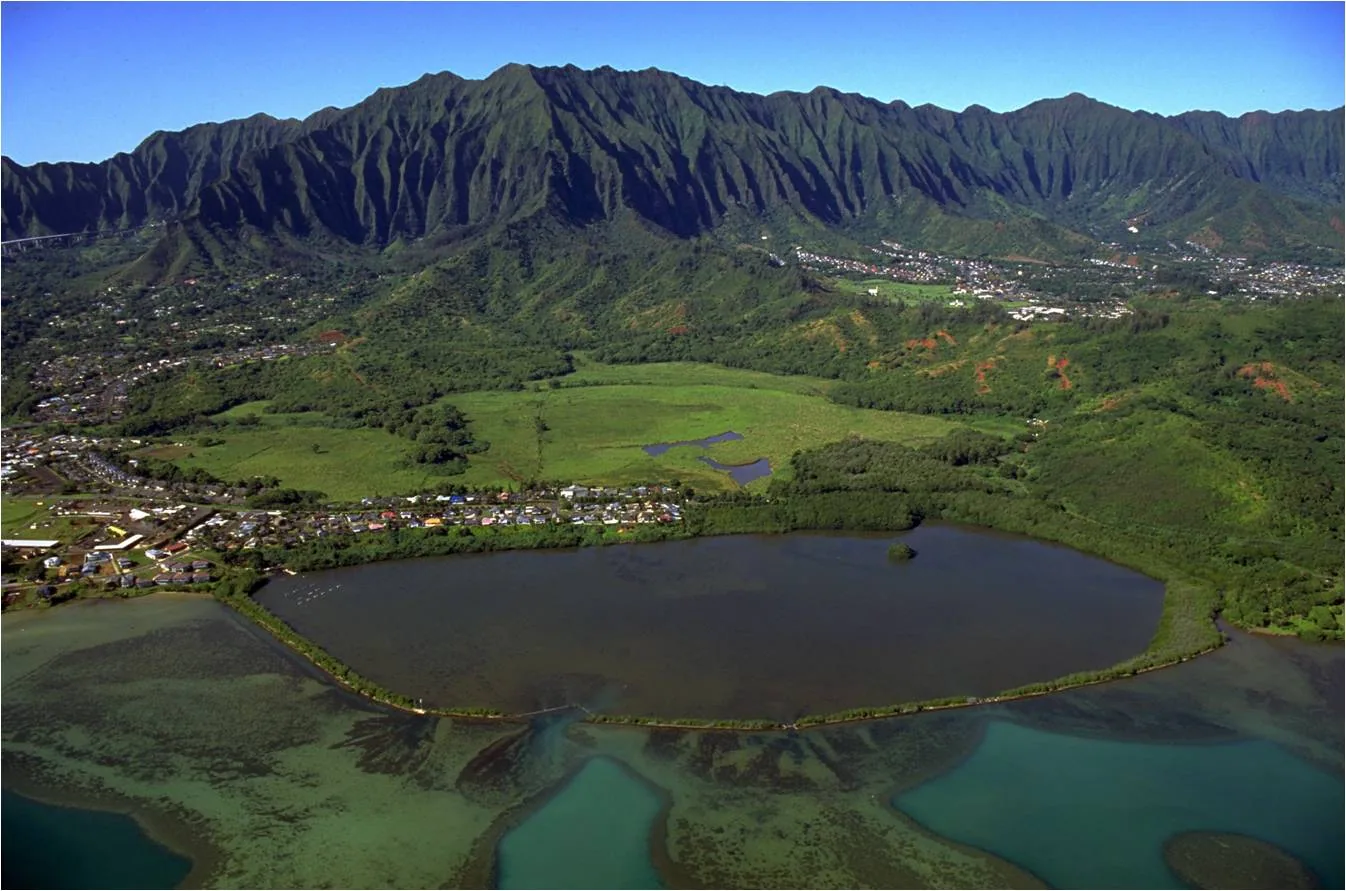
Inspect the edge before choosing a tie-in
Wind and salt air can put attention on perimeter metal, fasteners and transitions, but the inspection has to establish actual condition. We check coping joints, edge securement, flashing terminations and the point where membrane turns up a wall or curb. On a metal roof, we note panel laps and fasteners; on a membrane system, we check seams and termination bars. If rust, movement or separation is visible, photographs show its location and extent. The same walk records what remains sound so the proposed work does not extend beyond the evidence.
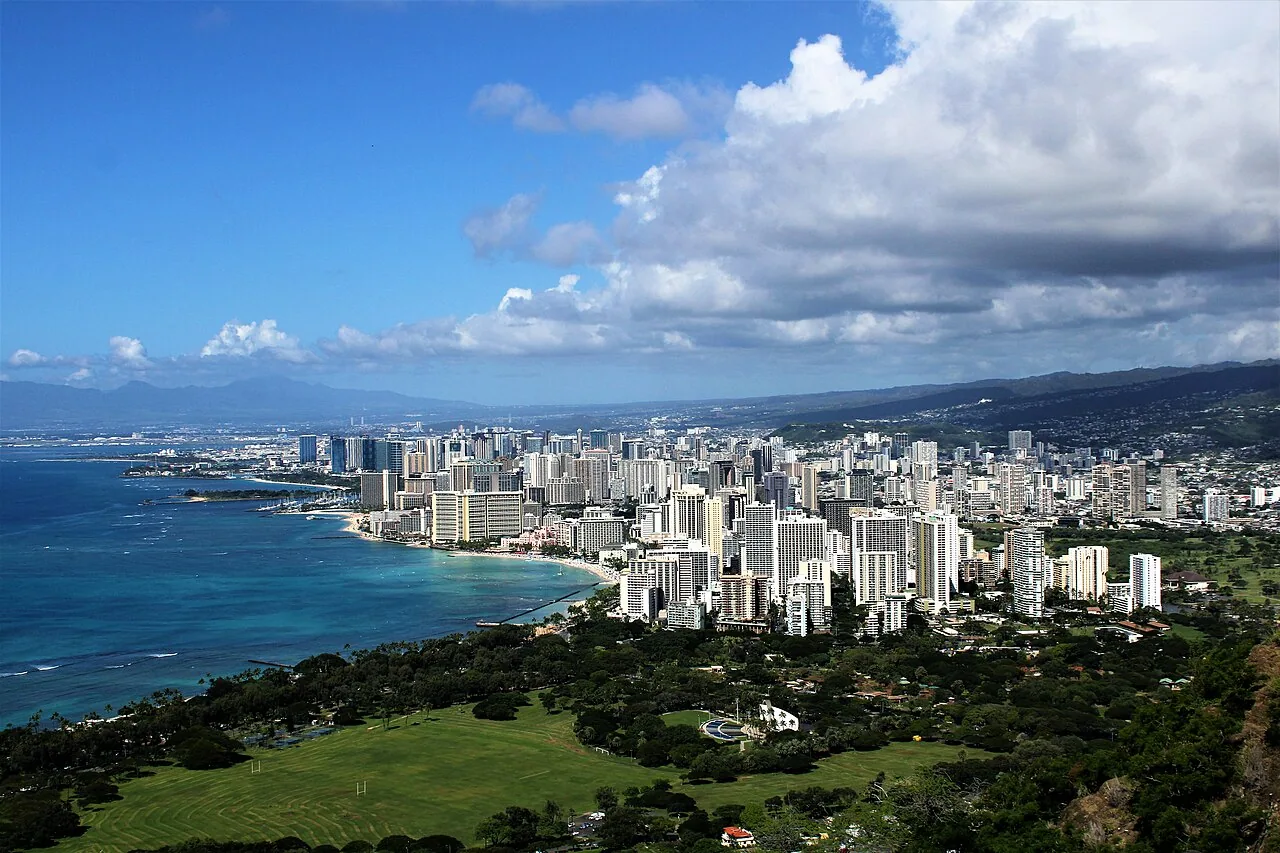
A separate Manoa property needs the same building-specific examination. A beachfront setting makes edge details important to inspect, not proof that a specific fastener has corroded. We use the roof condition to decide whether cleaning, replacement of a component or a broader repair is appropriate. The nearby Waikiki district has a separate mix of hotel and retail uses, while a Kahala property needs an examination tied to its own access and assembly. Coping and edge-metal repairs can be included when the detail shows a failure; standing-seam roof work follows the movement and fastening of the installed panels.
Follow water beyond the ceiling mark
Water can travel through insulation or along a deck before it appears inside. We compare the room report with nearby seams, curbs, penetrations, wall flashings and drainage, then document each accessible point. If the path remains hidden, a small opening may show whether moisture reaches the insulation or substrate. The owner approves the location and removal limit before the crew cuts. Material found at that opening is photographed and logged so the repair does not rely on assumptions about an unseen layer.
Resort, retail and educational uses can bring different access hours and interior protection needs. A property representative identifies rooms and equipment that must remain clear, and we set a route for material movement before work starts. If the confirmed system uses TPO membrane, the repair requires compatible preparation and a sound weld. For an active report, commercial leak repair ties the ceiling location to the roof details examined; a condition record keeps the finding tied to the building.
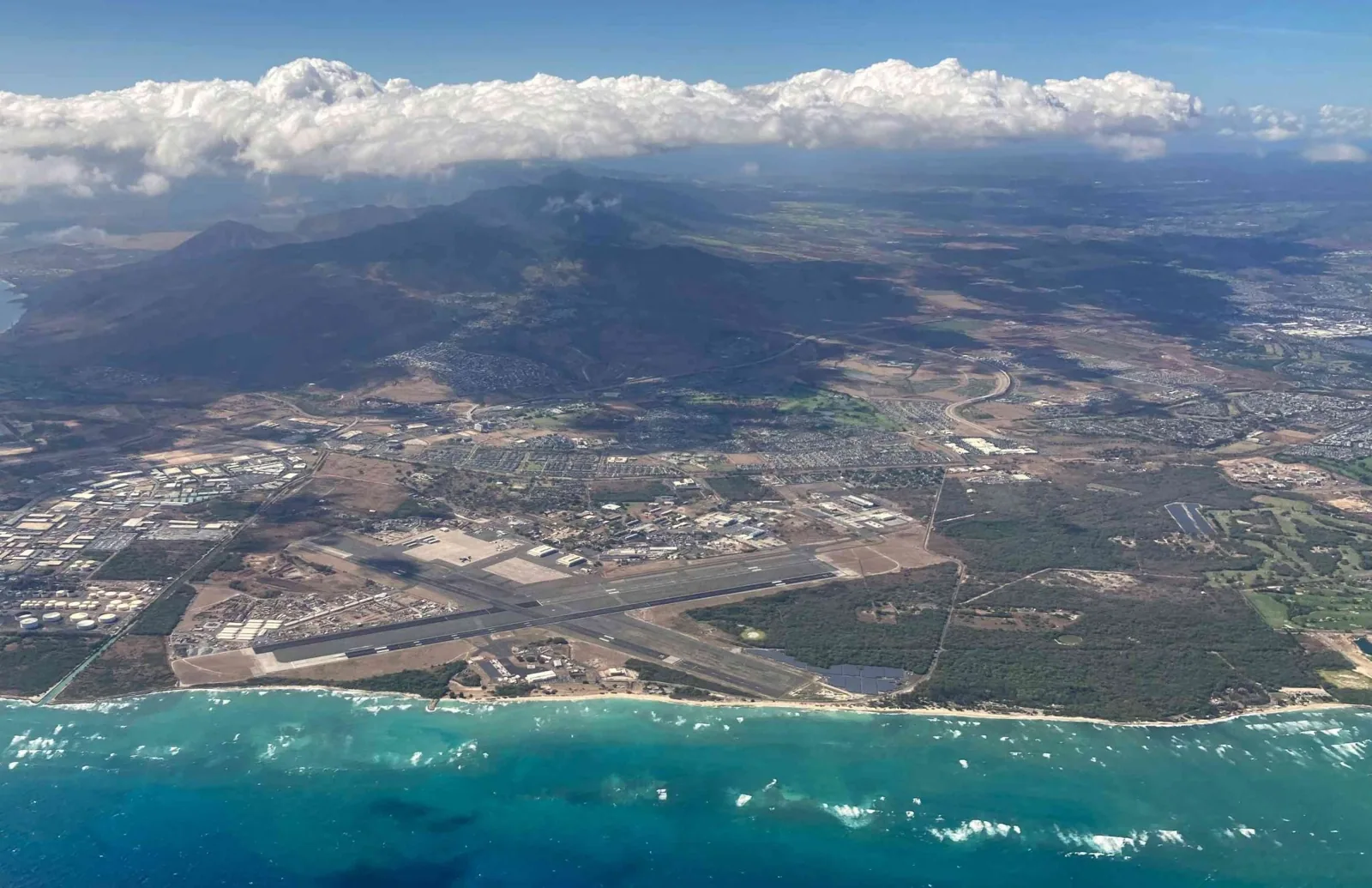
Compare a repair with wider renewal
A single failed flashing may support a focused correction when the surrounding membrane and substrate can receive a durable tie-in. Repeated entry, saturated insulation or poor attachment may point to a larger area. A coating can renew a suitable, prepared surface but cannot correct a wet layer beneath it. A recover may keep material in place if the existing roof and applicable requirements permit an added assembly. Replacement removes more, which changes staging and closure, but can resolve failures that no longer remain localized.
We put those options beside the same examination record. The scope identifies the roof area, material, removal boundary and details included, while items that depend on concealed conditions remain approval points. Cost and timing change with the layers found, perimeter work, equipment transitions, access and occupied use. For suitable surfaces, coating restoration may be compared with full replacement. A property manager can carry the photographs and recommendations into its maintenance program without treating every part of the roof as having the same condition.
Set the phase to the weather window
In Honolulu, the rainiest period generally falls in winter, usually from October through April. That seasonal calendar helps size an opening, while the crew still checks the day’s forecast and exposed roof conditions. We limit a phase to material that can be restored watertight before a shift ends. At an exposed edge, the crew secures loose membrane and temporary cover, checks drains and records the condition of each closure. If the weather window narrows, the opening is protected before another section is taken up.
Occupied rooms, school schedules, retail access and service areas below the work can affect where a phase begins. We confirm those constraints with the property representative and keep the daily boundary clear to building staff. Waikiki hotels may have another operating rhythm, but the closure for a Kahala roof remains specific to its building. Occupied-building roof work can be phased to protect access, and the owner receives a note of the area closed at each stage.
Leave a record that supports acceptance
After installation, the finished membrane hides the layers removed and the condition seen at the opening. We label photographs by roof area, record what was found and describe how the new material reconnects to the existing system. Acceptance notes identify the seam, edge or flashing checked and any observation outside the work boundary. The owner can compare the completed scope with the proposal without assuming that adjacent areas were opened or repaired.
For a future review, the file can retain roof plans, previous work, dates and access limits alongside the photos. Share the affected room and available records when arranging an examination; we will identify what can be seen and what requires authorization. Commercial Roofers Honolulu can inspect, repair, coat or replace the assembly supported by those findings. The handover gives facilities staff a location, a scope boundary and the evidence behind the decision, including any item that needs another review.
When a property has rooms in use during the examination, we identify what can be reached without moving occupants or equipment and schedule any controlled opening with the responsible representative. That decision changes the inspection plan, not the standard for documenting the roof. We record the access limit and explain how it affects the recommendation before the owner approves the next step.
For a board or portfolio review, a photo sequence can separate items ready for approval from details that still require access. We label the record by building and roof area so another property’s findings do not enter the decision.
Commercial Roofing Questions
Does Kahala’s beachfront setting prove corrosion on a roof?
No. We inspect exposed metal, fasteners and membrane edges at the property, then photograph any condition that supports repair.
Can an interior stain show how much insulation is wet?
The stain identifies where to investigate, but a controlled opening may be needed to see concealed material. We agree on its location and boundary before removal.
What distinguishes a coating from replacement?
A coating renews a suitable prepared surface. Replacement removes the assembly; we compare the options using moisture, attachment, repairs and transitions found during examination.
How is roof work coordinated above an active property?
The schedule accounts for access, rooms below, noise and material movement. We define each phase with the property representative and close its roof area before moving.
Which evidence comes with the repair?
The owner receives location-labeled photographs, materials found, completed work and acceptance observations, plus any condition that remains outside the authorized boundary.
Arrange an examination for this property
We will inspect the reported area, record the roof details and define any approved opening. The resulting scope will identify repair options, closure needs and acceptance evidence.
Tell Us About Your Roof
We will follow up to set up a time to walk the roof.
Request a Roof Assessment
Tell us about the building and what you are seeing. We will follow up to set up a time to walk the roof.