
A refrigerated storage operator needs roof moisture investigated before a repair is selected, because water inside can involve the envelope as well as rainfall entry. Commercial Roofers Honolulu assesses cold storage roofing in Honolulu, HI, with the temperature-controlled use and existing assembly considered together. Mapunapuna’s industrial employment area and Iwilei’s commercial-industrial district provide broad local settings for roof work. We examine the particular building, identify the question each investigation must answer and coordinate with the responsible parties when insulation, air control or refrigeration conditions affect the decision.
Cold storage creates a temperature difference across parts of the building envelope, making continuity of thermal and air-control layers relevant to a roof project. The appropriate arrangement depends on the actual construction and operating conditions. We define the waterproofing work and identify where qualified design or equipment input is required. The owner receives a plan that distinguishes roof entry, concealed moisture and envelope questions rather than treat every drop observed in a cold room as a membrane leak.
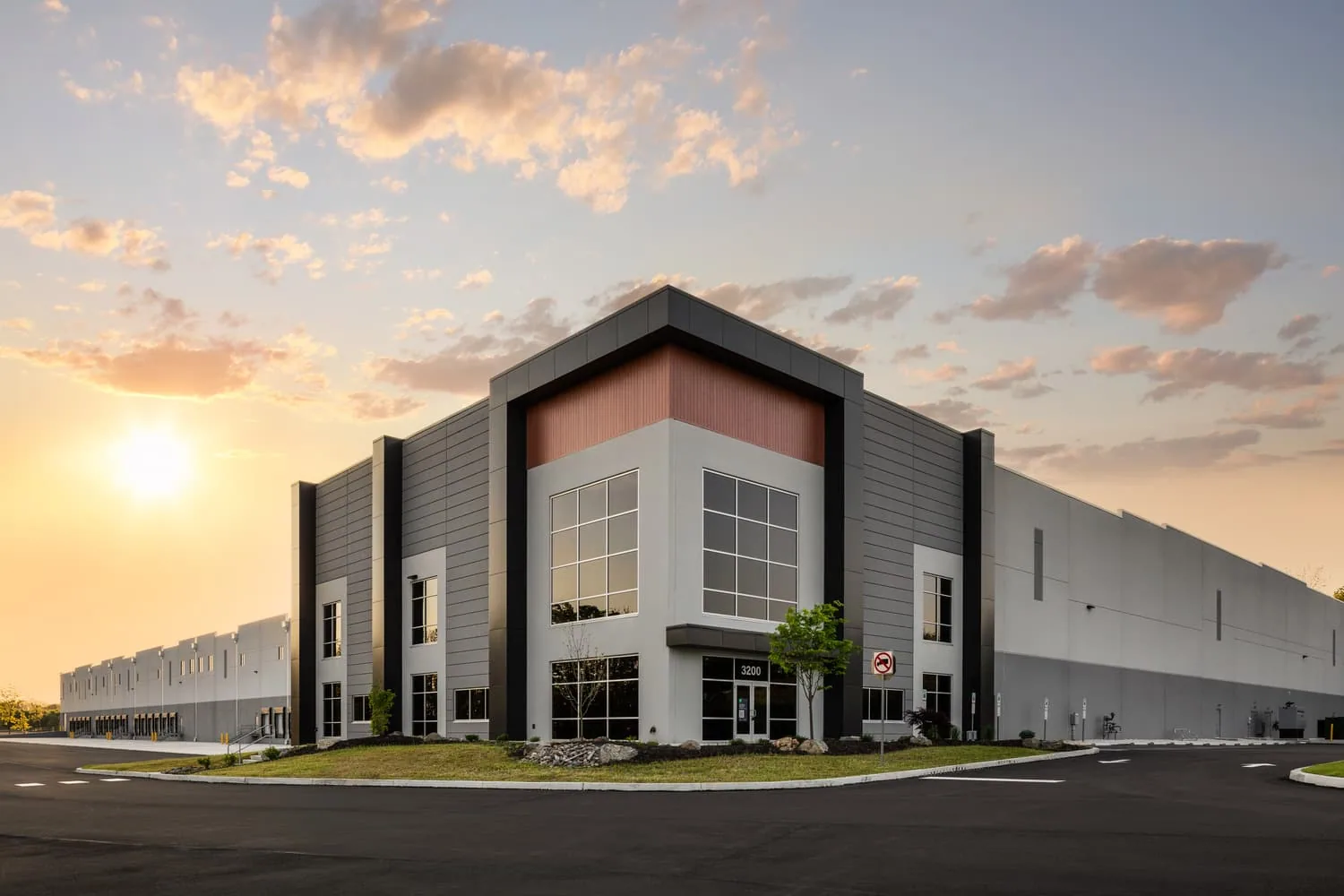
The moisture path needs a deliberate examination
The operator’s account identifies where moisture appears, whether it coincides with rainfall and whether it changes with operating conditions. We compare that information with roof features and accessible details. A rain-entry investigation examines the relevant waterproofing connections when exterior water is suspected. Other findings may require review of envelope continuity or refrigeration-related conditions by the responsible parties. The record keeps those questions distinct while identifying the next useful examination.
Interior observations can include condensation as well as water entering through a roof defect. Their appearance alone may not establish the source. We identify the accessible roof condition and the evidence still needed before a repair is prescribed. That prevents a surface patch from being accepted as a solution for a problem that depends on an air path or another building system. Necessary roofing defects can still be addressed while the separate moisture question is investigated.
Hawaii has persistent northeasterly trade winds and moderate humidity, with rainfall varying substantially over short distances. Those conditions provide context for examining weather exposure, but the actual refrigerated building determines the relevant temperature and moisture relationships. A project-specific review is needed where those relationships affect the assembly design. We do not use a general climate description to prescribe one vapor-control arrangement for every cold-storage roof.
Thermal continuity affects the roof decision
Insulation condition and continuity need assessment where the proposed work changes the envelope. Wet or deteriorated material can affect both roofing support and the intended thermal layer. Selective openings establish material findings at recorded locations, with an agreed closure appropriate to the operating use. A moisture survey considered for the assembly may help locate suspect areas under suitable conditions, but its interpretation must account for the actual construction and operation.
Joints, penetrations and roof-wall transitions can interrupt thermal or air-control layers. The project’s responsible design parties establish any required correction, while our roofing scope identifies how the waterproofing will reconnect. Insulation replacement planning coordinates selected materials and thickness with those requirements. The proposal should show which layers are being renewed and where another party’s work must precede roofing closure.
Supporting components and fasteners can also create localized thermal paths. Their relevance depends on the assembly and operating conditions, so an observed symptom needs qualified review rather than an assumed remedy. We identify the roof connection and accessible material condition without claiming that a membrane change alone resolves the envelope’s thermal behavior. Keeping those responsibilities connected provides the owner with a construction scope that can be reviewed alongside the appropriate building assessment.
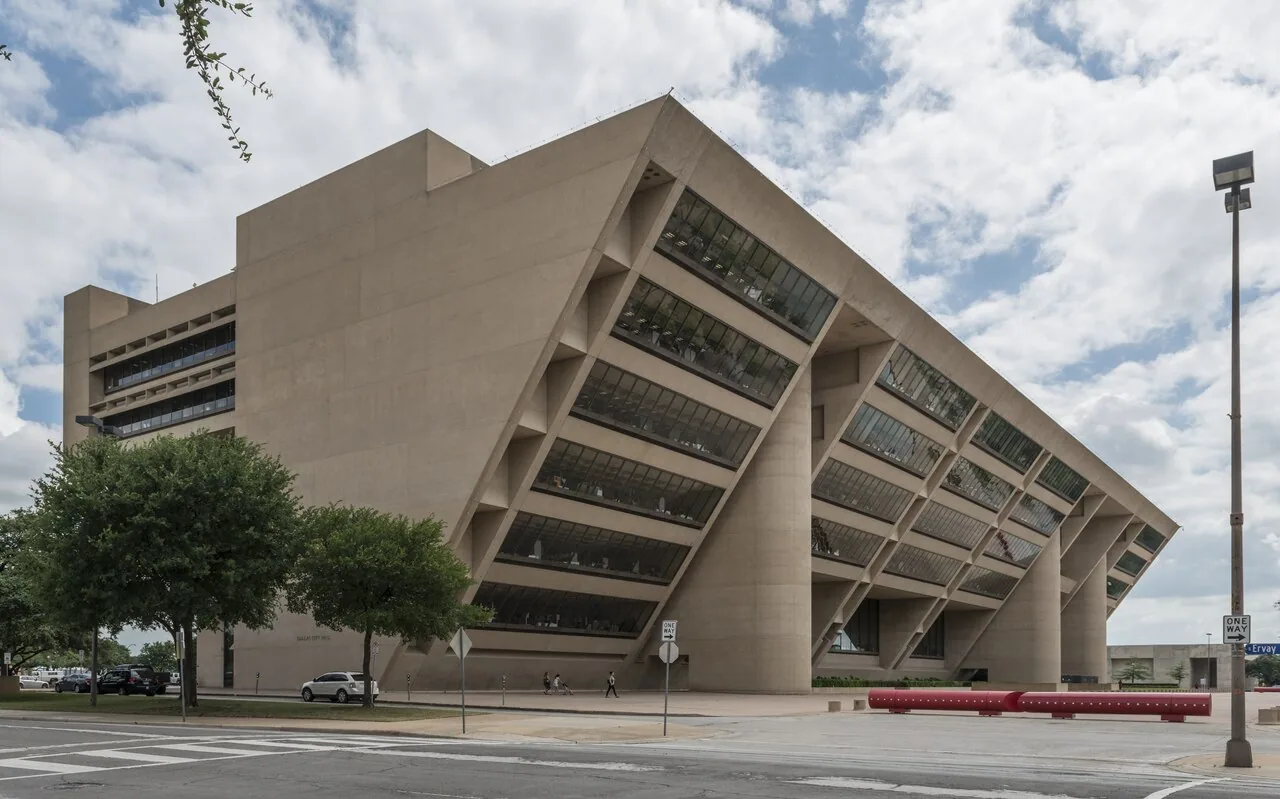
Openings require operating protection
Investigation or removal above a refrigerated area needs coordination with the operator before layers are opened. Stored goods, temperature control and areas below the work may require restrictions established through the owner’s process. We explain the opening size, expected sequence and closure method. Where the proposed area cannot be taken out of use, the investigation or construction plan needs reconsideration rather than assume normal refrigeration operation is compatible with the opening.
Rooftop equipment and service penetrations can create additional dependencies. The responsible equipment party establishes disconnection, support and operating requirements. Our work defines the waterproofing detail and the preparation needed around the component. The sequence identifies when another trade must finish its part before permanent closure, avoiding a new roof connection that is immediately disturbed by equipment work known to be necessary.
For the selected system, material and detail requirements remain specific. A PVC membrane proposal includes its supporting assembly and compatible connections, not merely a sheet specification. Drainage, curb height and perimeter junctions are coordinated with the new layers. The roof material should be evaluated within the accepted envelope and project requirements rather than chosen from a general label of cold-storage construction.
The phase boundary protects controlled use
Replacement phases consider roof geometry, closure requirements and the operating restrictions agreed with the owner. Areas opened must remain within the planned capacity for removal, reconstruction and protection. Hawaii’s heavier winter storm rain makes the weather interval important where interior use depends on keeping the assembly closed. The crew assesses actual conditions before proceeding and identifies suitable temporary transitions when a phase must stop before the entire roof is complete.
Ordinary warehouse roof work and grocery building roofing can involve different storage and equipment requirements from a refrigerated facility. The cold-storage plan uses the actual controlled areas and assembly rather than import another building’s occupancy assumptions. The operator identifies the consequences of each restriction, and the roofing work is sequenced with the responsible parties’ requirements for those areas.
The final record distinguishes roof and envelope work
Owners in Mapunapuna’s industrial district receive located findings, relevant opened-layer photographs and completed waterproofing details. Separate design or equipment work retains its own account. We identify which thermal or air-control interfaces were included in our accepted scope and which remain another party’s responsibility. That distinction helps future personnel understand the completed assembly without assuming that roof acceptance certifies the entire refrigeration or envelope system.
A continuing roof condition record can compare later moisture observations with known repairs and material changes. A recurring symptom is investigated with the operating account and current roof condition rather than receive another unexplained surface treatment. The handover identifies completed work and outstanding questions, giving the owner a practical basis for maintaining the waterproofing and coordinating further envelope review where the building’s controlled use makes it necessary.
Commercial Roofing Questions
Does water inside a cold room always establish a roof leak?
Its source needs investigation. Rain entry, condensation and other envelope or equipment conditions can require different responses, with roofing findings kept distinct from questions needing another qualified assessment.
Who establishes the appropriate vapor-control arrangement?
The responsible qualified design parties assess the actual assembly and operating conditions. We coordinate roofing work with that accepted arrangement rather than prescribe one layout for every refrigerated building.
Why agree restrictions before a selective roof opening?
The operator needs to assess goods, temperature control and use below the work. The roofing opening and closure sequence are coordinated with those requirements before material is removed.
Can replacing the membrane correct every thermal discontinuity?
Other layers and component connections may determine the condition. The scope identifies relevant interfaces and any separate design or trade work needed before waterproofing closure proceeds.
Which record helps investigate moisture after the project?
Located layer findings and completed details provide the construction starting point. The operator’s current account and appropriate examination establish whether the new observation involves roofing or another building condition.
Separate the moisture questions before repair
Assess cold storage roofing with Commercial Roofers Honolulu to establish waterproofing findings, envelope coordination and a controlled opening and closure plan.
Tell Us About Your Roof
We will follow up to set up a time to walk the roof.

Request a Roof Assessment
Tell us about the building and what you are seeing. We will follow up to set up a time to walk the roof.