
A roof scope in Kakaako must fit the building that exists today, not a rendering of a future phase. The district includes residential and commercial redevelopment, and its planning material describes mixed-use tower proposals with retail and entertainment uses. Those proposals do not establish which buildings are complete or what any roof contains. We start with the property’s actual assembly, reported leak locations, access rules and operating schedule. Our roof walk records visible seams, edges, curbs, drains and transitions before we recommend repair, restoration or replacement. If the question depends on a concealed layer, we define a controlled opening and photograph the finding before it is covered. That sequence gives the owner an examined condition, a priced scope boundary and a closure plan for the work area. Commercial Roofers Honolulu can respond around the clock, holidays included, when water entry requires protection.
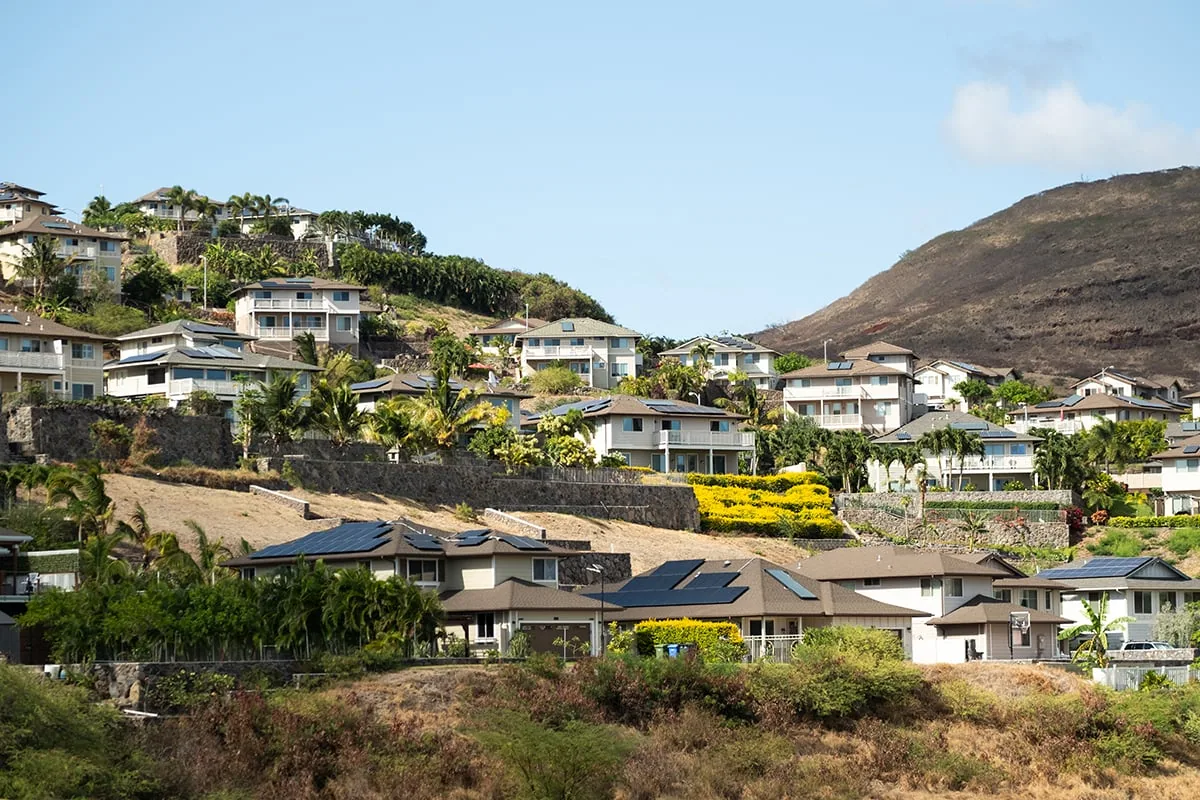
Start with the built condition
Redevelopment can place different roof assemblies close together. A commercial floor may adjoin residences, an older structure or a new addition, with drainage, equipment and wall transitions that do not align. We do not infer roof age or material from the project’s proposed use. We identify the accessible assembly and compare it with available roof records, then map the reported interior condition to drains, penetrations, seams and perimeter details. Where those observations do not explain the water path, an approved opening can show the membrane, insulation and substrate that are actually present. Photos carry the location and sequence so the owner can review the concealed work later.
Kakaako planning also includes pedestrian connections alongside residential and commercial space. That district context is useful when planning material movement and safe access, but the property’s own route and building rules control. We agree the work area with facilities staff before bringing material to the roof. A project near Ala Moana’s mixed commercial district or Downtown Honolulu’s office and civic center receives a separate examination and schedule. A commercial roof inspection creates the starting condition record before repair or capital work is approved.
Trace water through each transition
Interior water may travel along a deck, insulation joint or structural line before appearing beneath the entry point. We document the reported room, roof elevation and nearby interruptions, then inspect the closest seams, curbs, wall terminations and drainage paths. A wet surface near equipment is not enough to establish a failed curb. We check the flashing, counterflashing, fasteners and adjoining field membrane, and record whether the detail is loose, split, punctured or simply an observation that needs further access. The distinction matters because a narrow patch, a curb rebuild and a larger membrane repair require different removal limits and acceptance checks.
If the owner authorizes an opening, the crew records each exposed layer before deciding what can remain. Wet insulation, deteriorated cover board or a loose substrate can require a wider correction than the visible entry point. We explain the added finding and obtain direction before extending beyond the approved boundary. A leak repair should reconnect the system at a sound edge, while a TPO roof detail or EPDM membrane must be treated according to the material present. The chosen repair is based on the installed assembly, not the district’s development label.
Define what the price includes
A useful proposal identifies the roof area, preparation, material removal and tie-in needed for the recommended correction. It also names the conditions that could change the scope after a concealed layer is exposed. We separate confirmed work from an allowance for unknown material, so a property manager can authorize the known repair without treating every unexamined area as resolved. If multiple elevations share a drainage or wall detail, we note whether the review includes each transition or only the reported location. That boundary makes later discussion of additional work specific to an observed condition.
Options should be compared against the same findings. A repair retains more of the existing assembly when surrounding material is sound. A recover may be viable only when the existing roof, moisture condition and applicable requirements support an added layer. Replacement can make more sense when failures recur across the field or the substrate cannot support a reliable tie-in. Recover evaluation and replacement planning both include edge, drain and penetration details, not only the open field. If a coating is considered, we confirm surface preparation and attachment first, then list details that remain outside its scope.
Set the opening and closure sequence
Hawaii’s winter storms generally bring the heaviest rain between October and April, but the regional pattern is not a workday forecast for Kakaako. We check current conditions and the roof exposure before opening an assembly. A small repair may be closed within a shift; removal across a larger area needs a staged sequence, secured materials and temporary protection sized to the actual opening. Trade winds can affect handling at edges, while clear drains and complete terminations remain part of the end-of-day check. The sequence records who confirms the roof is closed before the crew leaves.
Mixed-use properties may have different access and quiet windows for commercial and residential occupants. We coordinate those constraints with the property manager, identify routes that remain clear and protect the spaces below the work. If weather reduces the available window, we secure the exposed area before moving to another section. Occupied-building phasing can divide a larger scope into controlled areas. A Waikiki hotel property presents another type of active use, but each building’s own operations set its schedule. The opening log records the planned closure and any change made during the shift.
Close the detail with evidence
After the membrane is restored, the owner should be able to identify the repaired location and the layers that were exposed. We provide a photo sequence, the material found, the removal boundary, the detail completed and the acceptance check. A test result is tied to the area tested; it does not extend to a separate section that was not examined. If an adjacent condition remains, it is listed as a next step rather than folded into a broad statement about the roof. That record gives facilities staff a reference for future maintenance and helps the next reviewer distinguish a new report from the prior repair.
When the work includes rooftop equipment or wall transitions, we record those interfaces with the field membrane. We also note any access limitation that affected the examination. A roof condition report can organize findings for a capital decision, while drain and scupper work can be scoped where drainage observations warrant it. Commercial Roofers Honolulu can review Kakaako roof conditions, price the work that the evidence supports and hand over a record matched to the completed detail.
Commercial Roofing Questions
Do proposed Kakaako towers establish the condition of a current roof?
No. Planning material describes proposed uses, not the completed buildings or their roof assemblies. We examine the property that is present and document its actual materials and details.
What should be recorded before an assembly is opened?
We locate the opening, photograph the existing surface and agree on its boundary. Each layer exposed is then recorded before removal or replacement so the owner can review the concealed work.
Can a repair stop at the room where water appeared?
Not without tracing the roof path. We inspect nearby seams, curbs, walls and drains, then define the repair from the evidence rather than the ceiling mark alone.
How do you price an unknown layer?
The proposal separates confirmed work from conditions that require an approved opening. If the opening reveals more wet or damaged material, we document it and obtain direction before extending the scope.
What is included in repair acceptance?
The record identifies the repaired location, materials found, work completed, photographs and any test area. Remaining observations stay listed separately from the accepted correction.
Examine the current assembly
Arrange a roof walk for the property and reported condition. We will document the accessible details, agree on any opening and provide a scope with a clear closure and acceptance record.
Tell Us About Your Roof
We will follow up to set up a time to walk the roof.

Request a Roof Assessment
Tell us about the building and what you are seeing. We will follow up to set up a time to walk the roof.