
Work above an operating business in Mapunapuna, Honolulu, HI needs a roof scope that accounts for access and a secure end-of-shift closure. Lower Mapunapuna is an industrial district, with employment access around Lagoon Drive part of its planned circulation. Those planning facts do not establish the roof material, condition or operating schedule at a specific property. We inspect the actual assembly, record the reported water entry and confirm where crews can work. If hidden layers need inspection, the owner approves an opening and its protection before removal. A condition record then explains the repair boundary and any unresolved question. Commercial Roofers Honolulu serves Mapunapuna, Honolulu, HI with scope and handover documentation tied to the building, not assumptions based on the district label.
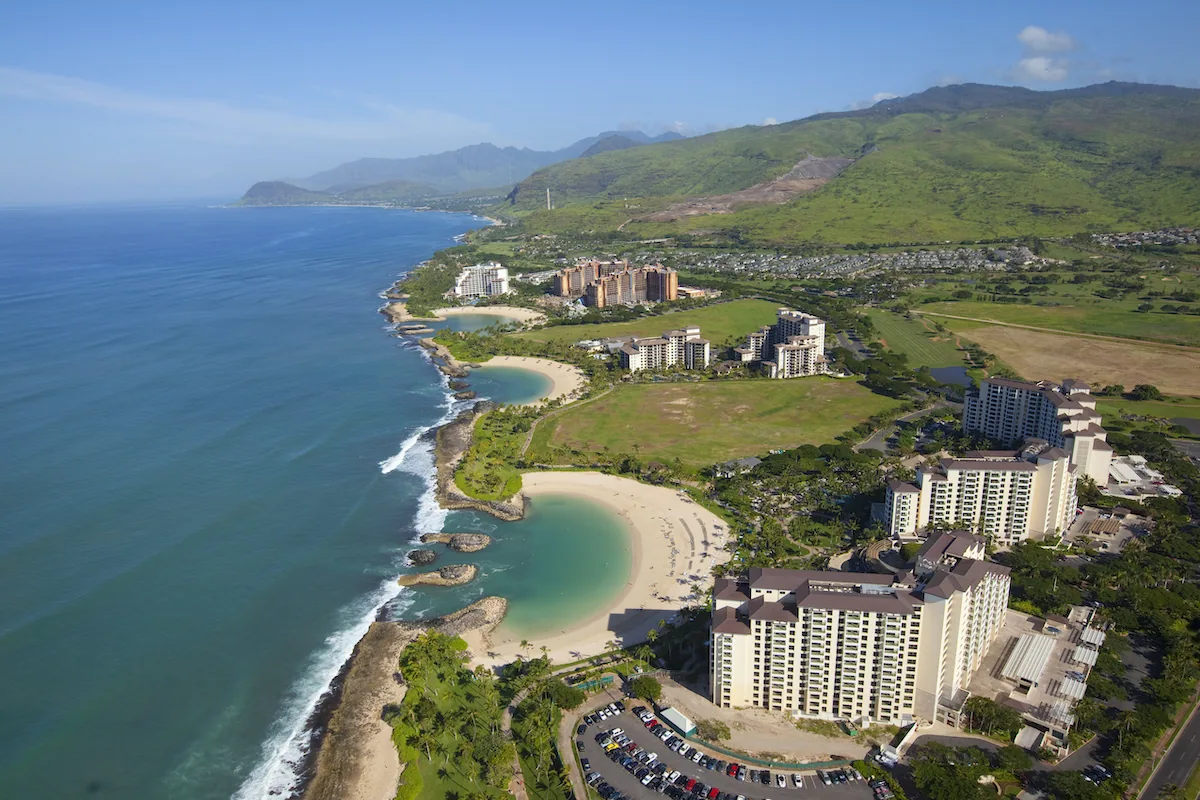
Use district context carefully
The airport-area transit-oriented development plan considers existing employment areas at Lower Mapunapuna and Waiwai Loop. That planning context does not establish a property's access or staging route, so we verify entry, material movement and operating hours with the building representative before mobilization.
A roof examination in Waiwai Loop cannot substitute for findings at a Mapunapuna property. We record the building's own assembly and affected rooms, then set the work period around verified operating needs. A commercial roof inspection can establish visible conditions and identify whether a moisture survey or approved opening would resolve the next question.
Find the failed detail before removing material
Water entering above a work area may travel beneath the surface before appearing inside. We compare the reported room with drains, seams, penetrations and wall transitions. The visible symptom narrows where to look; it does not prove the point of entry. When roof observations leave a concealed boundary uncertain, infrared moisture mapping can help direct selective removal. We photograph the exposed layers and log the opening so the owner sees what was found before the assembly is closed again.
Membrane, attachment and repair history affect which materials can make a compatible connection. We verify those details before recommending a patch, coating or larger removal. A leak repair names the observed roof detail, tie-in and acceptance method. The scope also states what is outside the work area. If the opening shows wet material beyond the approved limit, we pause and explain the evidence before extending removal. That separates a supported change from an unrecorded expansion.
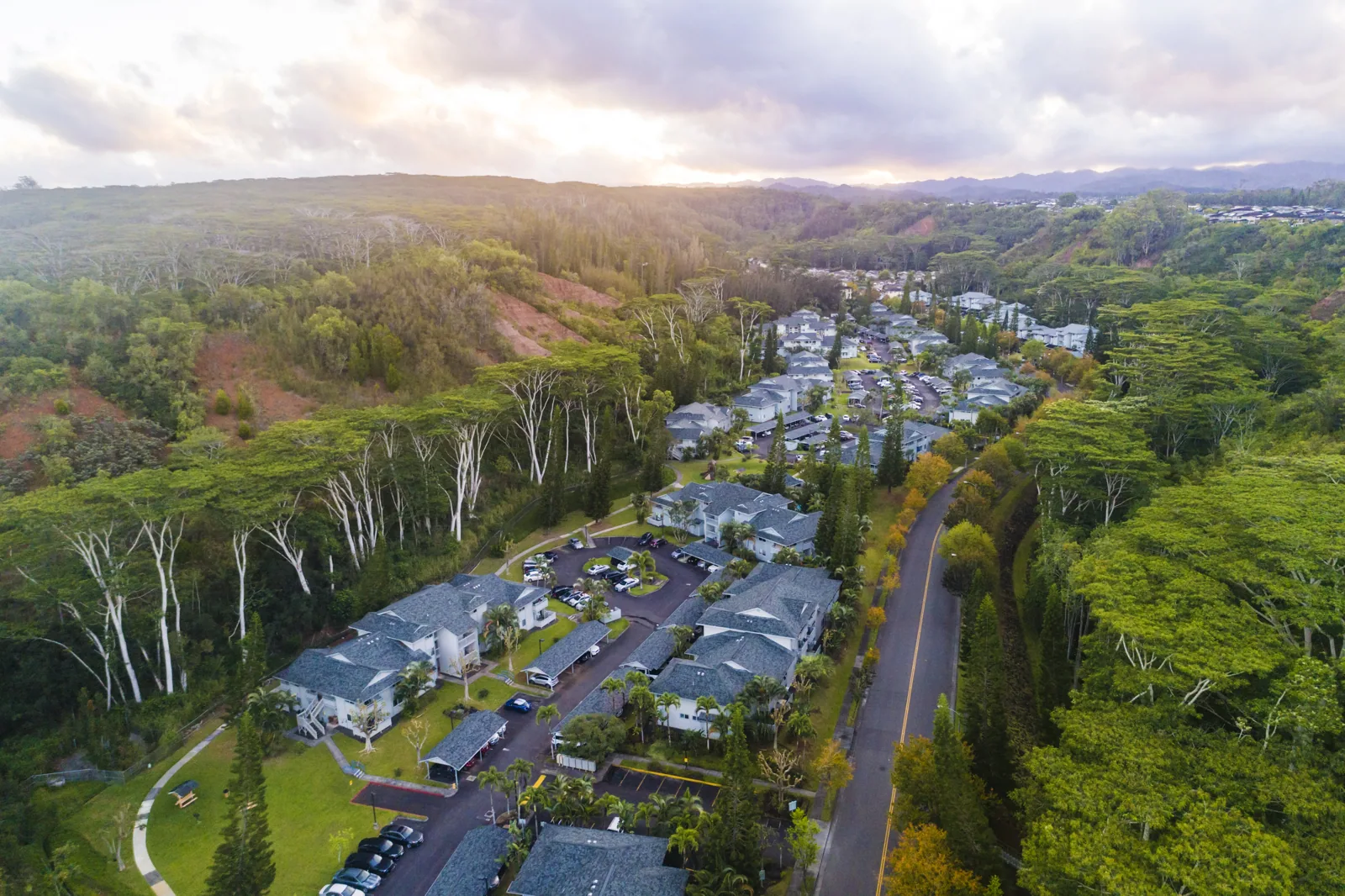
Protect the roof during the weather window
Hawaii's northeasterly trade winds and winter storms influence how a roof opening is staged. The state's heaviest rain generally falls from October through April, with meaningful rainfall differences over short distances. Those patterns are not a forecast for Mapunapuna on the scheduled workday. We check current conditions, set a daily exposure limit and stage temporary protection before cutting or lifting material. The owner knows who can approve a pause and how exposed layers will be secured if rain or wind alters the sequence.
A cover must remain secure at edges and transitions, and any concealed work should be photographed before permanent closure. The log notes when temporary protection was used and what remains for a return visit. If an active entry needs immediate control, an emergency response can stabilize the exposed condition while the permanent scope follows inspection. The handoff distinguishes that control measure from completed roof repair so the building contact can plan operations accurately.
Compare the available scope
A localized repair can be the right boundary when one detail has failed and the surrounding assembly is sound enough for a compatible tie-in. Replacement deserves consideration when an opening exposes broader moisture or when related transitions fail across multiple sections. We state what the inspection shows, what remains concealed and what would change the recommendation. A district's industrial use alone does not prove a roof needs a certain material or scope.
Coating depends on preparation and a stable substrate. Recover depends on the existing layers being suitable to remain. Replacement exposes more material but generally requires broader access and coordination. We compare the prerequisites and likely disruption in writing so the owner can choose with a clear scope boundary. A roof recover assessment or replacement scope begins with observed condition and removal limits. Any approval for wider work follows the evidence found at the opening, not a guess about what may be underneath.
Keep the work zone manageable
Commercial roofing can affect loading access, staff movement and work beneath the exposed area. We confirm actual requirements with the building contact, identify where material can be staged and state which part of the roof is scheduled. If the property must stay open, the plan can isolate sections when each can be protected and closed independently. That makes the sequence visible to the person coordinating daily operations.
Halawa is planned for compact residential, retail, entertainment and employment uses, while Mapunapuna has an industrial context. Both require the building contact to confirm actual schedules and access. We make no assumption about shift patterns, vehicle routes or roof type. The scope separates work above occupied rooms from areas not scheduled, so protection does not imply approval for wider repair. An inspection in Halawa has its own record. For Mapunapuna, warehouse roof work or another building type is planned around the actual occupancy, approved opening and handoff. The work log records any restriction that affects the next shift.
Document the completed work
When the repaired area is covered, the owner cannot see the concealed layer that informed the decision. We preserve it through a photo sequence and opening log: pre-work condition, exposed material, detail repair and final closure. The record identifies material removed, changes approved after exposure and exclusions. This lets the person accepting the work compare the field condition with the scope and understand what remains for later review.
A roof condition report can connect the finding with recommended action. Scheduled roof maintenance can document accessible seams, drains and flashings after repair. The owner in Mapunapuna can arrange an examination and receive a scope based on the specific assembly and operating limits. Handover should identify the acceptance point and any follow-up needed; it should not imply that unseen areas were repaired or that temporary protection was permanent work.
The person accepting the work should know whether the record reflects a completed repair, temporary protection or an open investigation. We identify that status beside the affected roof zone and state what examination, if any, remains before a permanent scope can be closed. This keeps the handover useful when the person coordinating the next step was not present during the roof opening.
Commercial Roofing Questions
Does the district plan prove my roof is industrial construction?
No. It describes area planning and employment access, not a specific building's structure or roof. We verify the property and record the exposed assembly before recommending a repair.
How do you protect operations during removal?
We confirm work hours, staging, access and protected rooms with the building contact. The scope limits daily exposure and states how the roof will be closed before the crew leaves.
What if an opening shows more wet material?
We document the exposed layers and pause at the approved removal limit. The owner reviews a revised boundary and supporting findings before any additional material is removed.
Can you make a temporary repair first?
Where conditions support it, we can address immediate water entry and record the measure as temporary. The permanent repair scope follows inspection and identifies any concealed work still required.
Which closeout details should be retained?
Keep the opening location, photos, material removed, repaired transition, weather closure and exclusions with the scope. These records show what was accepted and what remains unresolved.
Arrange a site-specific examination
We can inspect the Mapunapuna roof, document accessible conditions and prepare a repair or renewal scope with its protection and closure sequence.
Tell Us About Your Roof
We will follow up to set up a time to walk the roof.

Request a Roof Assessment
Tell us about the building and what you are seeing. We will follow up to set up a time to walk the roof.