
Office tenants need usable rooms while a replacement roof is taking shape above them. For an owner in Downtown Honolulu, HI, the decision therefore includes more than the new membrane: it includes the extent of removal, the protection of each exposed area and the way existing equipment will remain supported. Commercial Roofers Honolulu examines those conditions before proposing a tear-off. We distinguish surface deterioration from wet insulation, damaged decking and details that have lost a dependable connection, then explain how those findings change the replacement assembly.
A hotel operation in Waikiki presents another occupied use, with guest rooms, service areas and entrances that require different protection during material handling. We identify these operating boundaries with the owner and put them beside the roof findings. The resulting scope connects the reason for replacement with the work needed to deliver it, including temporary closure, concealed repairs and the finished waterproofing details that the owner will accept.
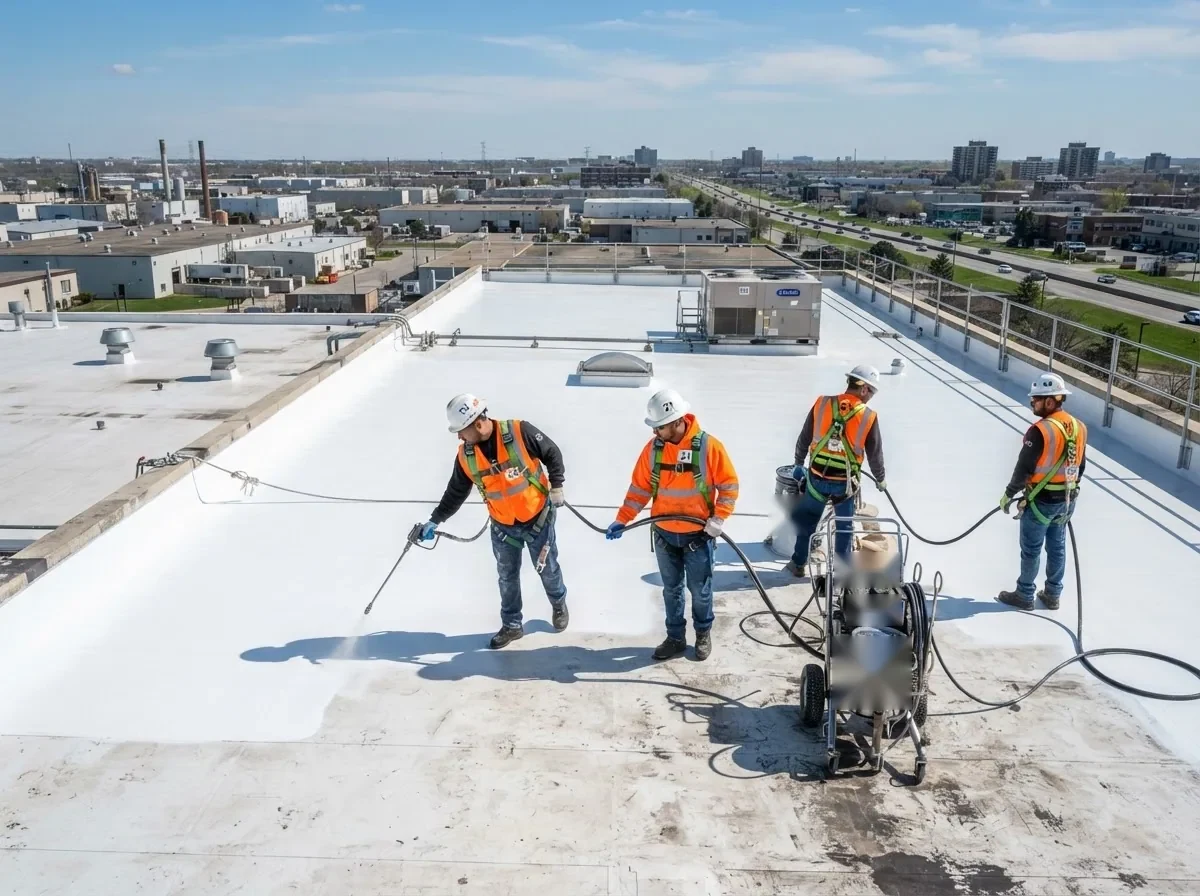
Removal has a basis
Soft areas, recurring leakage and widespread seam deterioration deserve separate entries in the condition record because they can point to different failures. A hands-on examination of the existing assembly establishes accessible conditions, while selected openings can identify the layers beneath the surface. We record the location of an opening and what it reveals, rather than treating one opening as a description of the entire building. Changes in roof elevation, earlier additions and previous repairs can require additional investigation.
Wet insulation may call for removal even where the membrane looks presentable. A damaged deck introduces a different decision because the new fastening or attachment needs suitable support. An infrared survey with confirmation openings can help define suspect moisture areas when the assembly and weather conditions suit that method. We compare those results with the opening log so the owner can see why removal extends beyond a visible patch, or why a separate roof area remains outside the proposed work.
The new layers fit
The replacement assembly must fit the deck, the interior use and the way rain leaves the roof. We examine insulation thickness, cover-board requirements, attachment and the junctions at walls, drains and equipment curbs together. Increasing insulation can raise the finished surface and reduce usable flashing height at an existing curb. That condition needs a closure detail, a curb adjustment or another designed solution before new material reaches the building. A higher surface also changes the relationship between drains and nearby field areas.
Membrane selection follows these conditions. A heat-welded TPO assembly and a modified bitumen system differ in their joining methods, layer arrangement and handling, so the replacement proposal identifies the actual assembly instead of naming a surface alone. For replacement work in Honolulu, Roof Ordinance 16-1.1 adopts the state building code drawn from the 2018 IBC, including amendments made for Hawaii and the city. We assess the applicable requirements for the particular replacement, including attachment and relevant energy provisions, before finalizing the assembly and permit work.
A drain bowl and its clamping connection also need examination during replacement. Corroded components, cracked strainers or a poorly formed sump can leave a new membrane connected to an unsuitable outlet. We identify whether drain refurbishment, replacement or adjustment belongs in the roofing work and establish how any plumbing connection will be handled. At roof edges, the selected perimeter attachment must reconnect to suitable backing; covering deteriorated support with new metal would obscure the defect without resolving it.
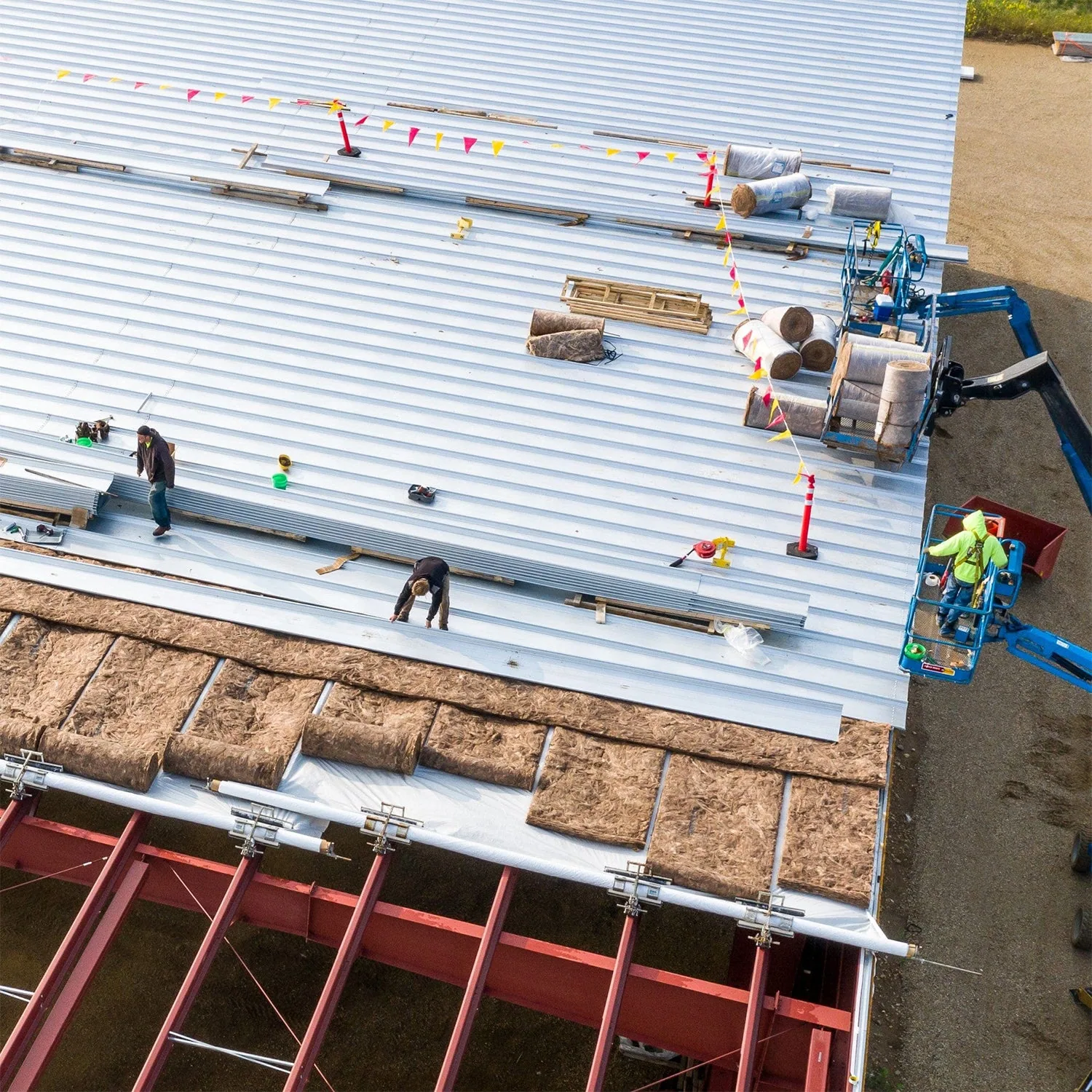
Openings stay bounded
Material removal exposes the building to a temporary condition that deserves its own plan. We establish the roof areas that can be opened and closed within a workable period, the routes for debris and deliveries, and the protection required below active work. On occupied office buildings, access to entrances and HVAC intake locations can influence staging as much as roof geometry. Equipment disconnection, lifting and reconnection need coordination with the responsible trades rather than an assumption that the roof crew can move every item.
Hawaii receives its heavier rainfall from winter storms, generally between October and April. That seasonal pattern makes the weather window relevant to removal, but the actual forecast and roof conditions control the day’s opening limits. We consider persistent trade winds when arranging temporary materials and exposed edges. A daily closure needs sound connections to the retained roof and secure protection at unfinished details, with a recorded inspection before the area is left. A loose covering alone is not a completed closure strategy.
Changes have boundaries
A concealed deck defect can change the work after removal starts. We photograph the affected area before it is covered, identify the proposed repair limits and explain what must happen before the new roof can continue across it. The owner should be able to distinguish an included repair allowance from a newly discovered condition requiring a decision. Keeping that boundary visible avoids treating every hidden finding as part of one undefined replacement quantity.
Cost and timing depend on removal depth, disposal, access, insulation design, deck repair and the number of details that must be rebuilt. A clear comparison separates the roof field from walls, penetrations and drainage corrections. Where a sound existing assembly may support a permitted recover option, we explain the difference in removal and retained layers before the owner selects replacement. Retaining deteriorated or wet material simply to reduce demolition would leave the new assembly carrying an unresolved condition.
Sequencing matters where roof levels share a wall or drainage outlet. We identify the connection before dividing work into phases, so a later phase can join the earlier waterproofing without unnecessary removal or an inaccessible termination.
Handover shows the work
Completed roofing conceals the deck repairs, attachment and insulation that support it. We maintain a photo sequence of those layers and the details that connect them, then pair that record with the finished inspection. The handover identifies roof areas replaced, material transitions, drain connections and any retained components with continuing maintenance needs. It also distinguishes completed waterproofing from another trade’s outstanding equipment work, so the owner can close the project with a specific understanding of responsibility.
For buildings in Downtown Honolulu’s office district, this record can support later budgeting and coordination when equipment is changed or a tenant requests rooftop work. We explain where access should occur and which completed details need protection during future work. Waiting on a failing roof can increase the amount of concealed material that must be removed; examination gives the owner a firmer basis for scheduling replacement before further water entry complicates the scope.
Commercial Roofing Questions
Can separate roof areas receive different replacement scopes?
Separate areas can have different assemblies and conditions. We identify their boundaries, examine the connections between them and describe how replacement will terminate against any roof that remains.
Will raising insulation require changes to existing curbs?
Greater finished height can leave insufficient vertical flashing space. We measure the relationship and include any necessary curb or adjacent-detail work before the replacement assembly is selected.
How will a concealed deck repair be presented for approval?
The opening log locates the defect, and photographs show its extent. We explain the repair method, affected area and schedule implication while the deck remains visible for review.
Does a dry ceiling mean the retained insulation is suitable?
Interior conditions alone do not establish insulation dryness. Examination and appropriately selected moisture investigation help determine which layers can remain and which need removal.
What should remain in the ownership file after replacement?
Keep the assembly description, concealed-work photographs, completed detail record and maintenance instructions together. They help distinguish later equipment alterations from the roof work accepted at handover.
Define the replacement work
Arrange an examination with Commercial Roofers Honolulu so the removal limits, replacement assembly and protection of occupied use are supported by clear findings.
Tell Us About Your Roof
We will follow up to set up a time to walk the roof.

Request a Roof Assessment
Tell us about the building and what you are seeing. We will follow up to set up a time to walk the roof.