
Small-business operations in Kaimuki need a roof repair plan that leaves the owner with a clear work area and a building that can return to daily use. Kaimuki combines residential buildings with a small-business district, including restaurants and service businesses along Waialae Avenue. Those facts identify a broad neighborhood and its commercial character; they do not determine the assembly or condition of any particular roof. We inspect the reported area, identify visible seams, flashing and drainage, and document what is accessible. If the repair depends on what lies below the surface, we agree on a controlled opening before removing material. The owner receives a location-based record and a scope that says what the repair includes, how it will close and what remains outside the examination.
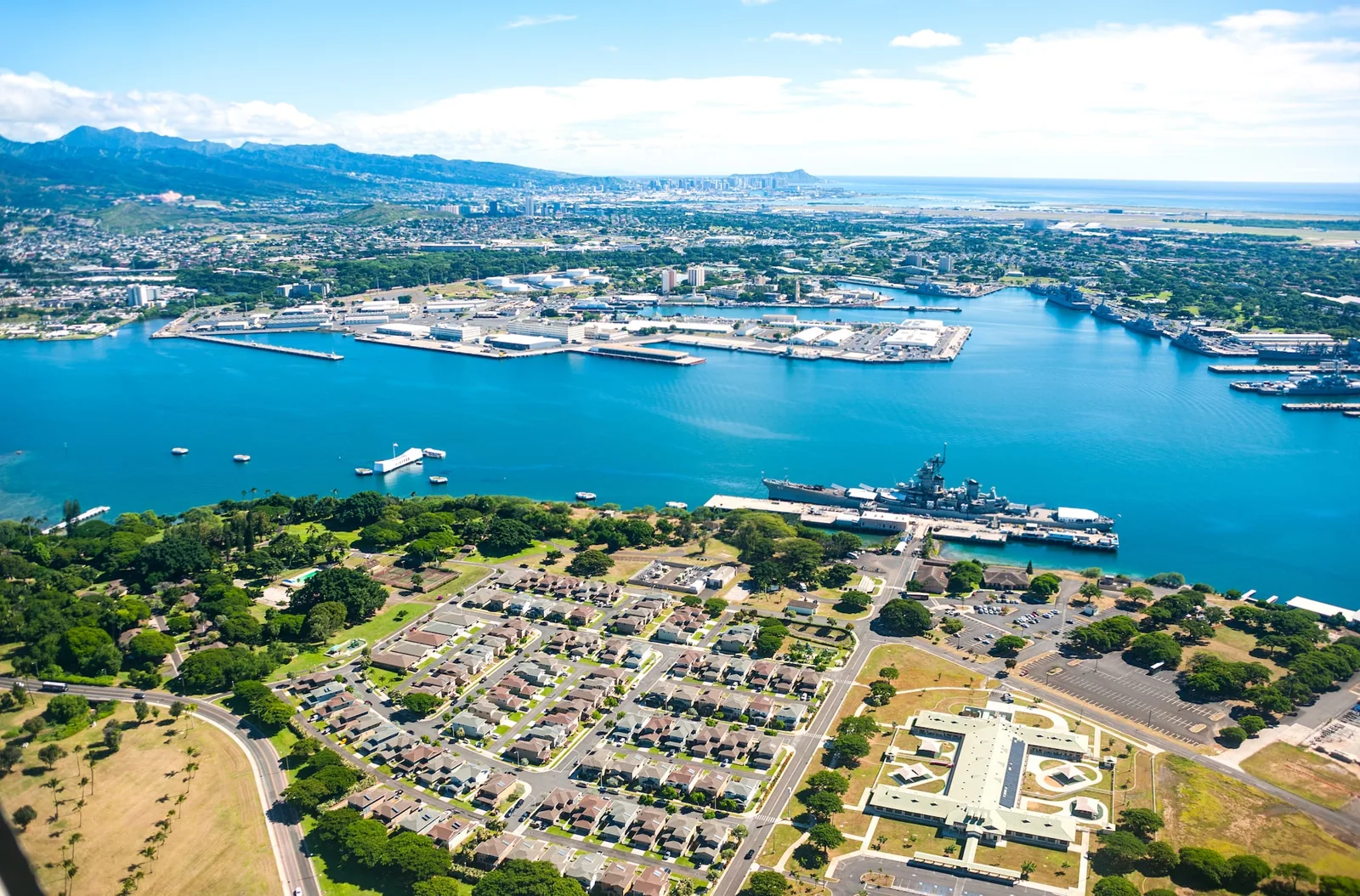
Keep the daily route clear
Restaurants and service businesses may need deliveries, staff access and customer entry throughout the day. We coordinate the work route, material staging and protected area with the property manager before beginning. The roof examination focuses on the actual condition: the water report, adjacent seams, curbs, wall edges, drains and prior patches. We do not assume that every storefront has the same assembly or drainage. If access to a roof section is restricted, we record the limit and discuss what it means for the recommendation. A repair boundary that is clear to the owner is easier to schedule around business activity.
Waialae Avenue provides the district’s commercial reference, while Moiliili’s shop center along South King Street and University Avenue is a separate commercial setting. Manoa’s neighborhood shopping area has its own operating context. We examine each property rather than use one district’s roof conditions to describe another. For a business that remains open, occupied-building phasing can define the area and closure for each work period.
Trace the source beyond the ceiling
A ceiling stain under a restaurant or service space may point toward a roof detail, but it does not show where water entered. We document the interior report and inspect the roof above and around it. Seams, penetrations, curbs, wall transitions and drains can all alter the path. If the membrane is loose at a termination, the repair may need more than a small surface patch. If drainage is restricted, the crew records the low area and outlet condition before pricing correction. Each observation is located so the owner can distinguish a confirmed defect from a path that needs more evidence.
An opening is considered only when surface inspection and available records do not resolve the question. We agree on size and location, photograph the existing layers, and note the condition of insulation and substrate before removal. A wet area beyond the authorized limit is shown to the owner before the scope expands. Leak repair reconnects the membrane at a prepared edge, while drain and scupper work is included only when the roof walk identifies a drainage issue. We also identify whether the surface is modified bitumen or standing-seam metal before selecting a compatible detail.
Choose a correction that fits the roof
A localized repair can make sense when the defect is bounded and surrounding material can support a durable tie-in. Recurring seam failures, widespread wet insulation or weak attachment call for a broader comparison. We review the field condition, repair history, edge details and any opening findings, then explain what each option removes and retains. A recover is not appropriate if moisture or substrate problems would remain trapped. Coating requires a surface that can be cleaned, prepared and detailed. Replacement may reduce repeated patching where the assembly has broader failure, but it carries a larger material and closure sequence.
The proposal identifies scope, removal limits, flashing transitions and the point where the owner approves any added work. Replacement includes perimeter conditions, drains and curbs rather than a field-only surface. If the current layers may remain, recover review records the basis for that decision. A manager may use a condition report to compare the observed roof against later maintenance or capital work. Price and timing reflect the actual access, material, staging and occupied-use requirements, not the district name.
Finish each shift with a closed roof
Hawaii’s heavier rain is generally associated with winter storms from October through April, although rainfall changes across short distances. That climate context informs the sequence but does not replace a current forecast for Kaimuki. Before opening the assembly, we check weather, roof exposure and the time needed to restore a watertight surface. Trade winds matter when handling temporary protection at exposed edges. The crew limits the open area, secures materials and keeps drainage paths clear. The closure plan says what will be complete by the shift boundary and who confirms the roof is protected before work stops.
For a restaurant, the manager may also need to coordinate noise, deliveries and access below. We keep the work area defined and record any change to the sequence. If weather arrives earlier than expected, the priority is to secure the first phase. Storm damage documentation can preserve an observed condition before corrective work changes it. After the repair, a maintenance visit can record seams, drains and flashing so the next service decision starts with current observations.
Document the repair that was completed
The owner should know what the crew found and what was actually repaired. We keep photos tied to the roof location, record exposed layers, list material removed and identify the new tie-in. Acceptance checks follow the agreed scope: seams, flashing, terminations and any test area. If a nearby condition remains outside the authorized repair, it is listed separately. That record helps a business owner review an interior report later without treating a localized correction as proof that the full roof was examined.
Where the work connects to a parapet or equipment curb, the photo sequence shows the transition before it disappears under a finished surface. The closeout includes the condition at departure and any follow-up recommendation. A mixed-use property in Ala Moana would have a different schedule, but the same need for a located repair record. If several properties are under common management, roof asset records can organize findings without merging one building’s condition into another’s.
Make the approval useful
A property owner needs an actionable choice, not a list of possible failures. We state the observed condition, what we examined, which opening could answer a remaining question and the work boundary supported by current evidence. If concealed damage could affect price or timing, the proposal marks the point for additional approval. This is useful when a business must plan closure or when the roof’s repair history makes replacement worth comparing. The owner can authorize the confirmed area while preserving control over conditions that are not yet visible.
When scheduling an examination, share the reported room, operating hours, roof access rules and any previous repair records. We will map accessible details, stage any authorized opening and coordinate interior protection with the property lead. A broader roof inspection can support budgeting for a phased project. Commercial Roofers Honolulu will document the Kaimuki property, price the correction supported by its findings and provide a handover that identifies the next roof decision.
Commercial Roofing Questions
Does a Waialae Avenue business location tell you the roof type?
No. The district fact identifies commercial activity, not an individual roof assembly. We inspect the property and record the material and details we can establish.
How do you keep a restaurant operating during repair?
We coordinate work access, material movement, noise and protection below with the property manager. The daily phase ends with a secure closure and a clear record.
What if water appears away from a drain or seam?
We map the report and inspect surrounding transitions. Water can travel before it becomes visible, so an approved opening may be needed if the roof path remains concealed.
When should the owner consider a broader scope?
Repeated failures, wet layers or attachment problems can support comparing restoration or replacement. We record those conditions and show the removal boundary for each choice.
What does repair acceptance include?
It identifies the roof location, layers exposed, work completed, photographs and acceptance checks. Any adjacent observation remains separate from the accepted correction.
Document the roof before scheduling work
Arrange an examination of the reported area. We will identify the assembly, coordinate access with the business and provide a defined repair scope and closure plan.
Tell Us About Your Roof
We will follow up to set up a time to walk the roof.

Request a Roof Assessment
Tell us about the building and what you are seeing. We will follow up to set up a time to walk the roof.