
An occupied commercial room can lose usable time when water crosses the roof in Kaneohe. We trace the reported entry to an accessible roof detail, record the assembly and define what a repair would open before work begins. Kaneohe’s commercial center follows Kamehameha Highway, but that fact does not establish the age or condition of any one roof. The first visit records access, drainage, seams, flashings and the interior area affected. If concealed layers need inspection, the owner approves the location and purpose of an opening. The scope then states removal limits, temporary protection and permanent closure. For a building in Kaneohe, HI, those findings let the owner compare a bounded repair with broader renewal while planning for occupied use. Start with a commercial roof inspection when the entry point or assembly is uncertain.
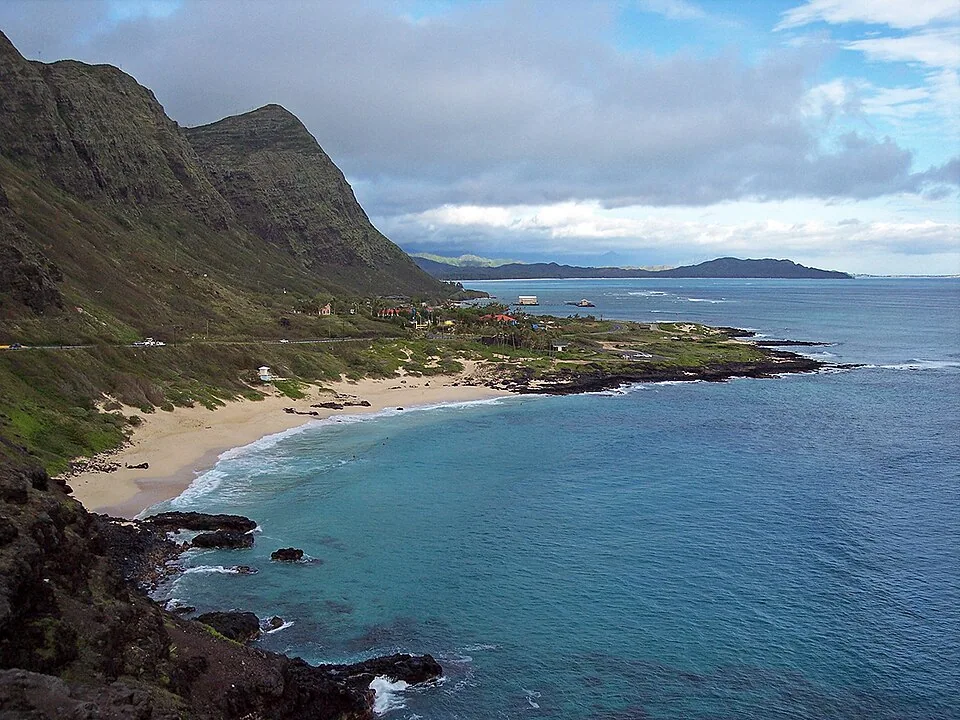
Start with the building in use
Commercial use along Kamehameha Highway sits within a town that also has a substantial residential community. The facts support that contrast, not an assumption about a specific property’s membrane, roof age or loading. We confirm those details on the roof and note which rooms, stock or operations sit below the reported area. That operating context affects where we can stage material, how we protect access and when an opening can be closed. A commercial roof repair should identify its observed condition, work boundary and acceptance check before removal starts.
Kailua’s central commercial district follows Kailua Road, a separate setting from Kaneohe’s Kamehameha Highway center. The comparison helps explain why each site receives its own access and use plan. It does not transfer a condition from a commercial building in Kailua to Kaneohe. For multiple roof sections, we log each area separately so a localized defect is not presented as system-wide failure.
Identify the assembly before selecting a repair
Membrane type, attachment and concealed layers affect which repair materials can bond and what must be removed. A seam open at one point does not prove that other seams have failed. We record the visible assembly and trace the reported water path first. When sight alone cannot show where moisture ends, an infrared survey can help map temperature differences; selective openings then test the areas supported by those findings. The opening log distinguishes what was visible from what was found below the surface.
Drains, penetrations, edges and transitions may all influence a low-slope leak. We note ponding, debris or prior patches as observations, then connect each proposed repair to the detail it addresses. Before a TPO roof repair, we confirm the existing material and compatible repair method rather than infer the assembly from its appearance. Coating and recover options also require a sound substrate; wet insulation should not be hidden beneath a new surface.
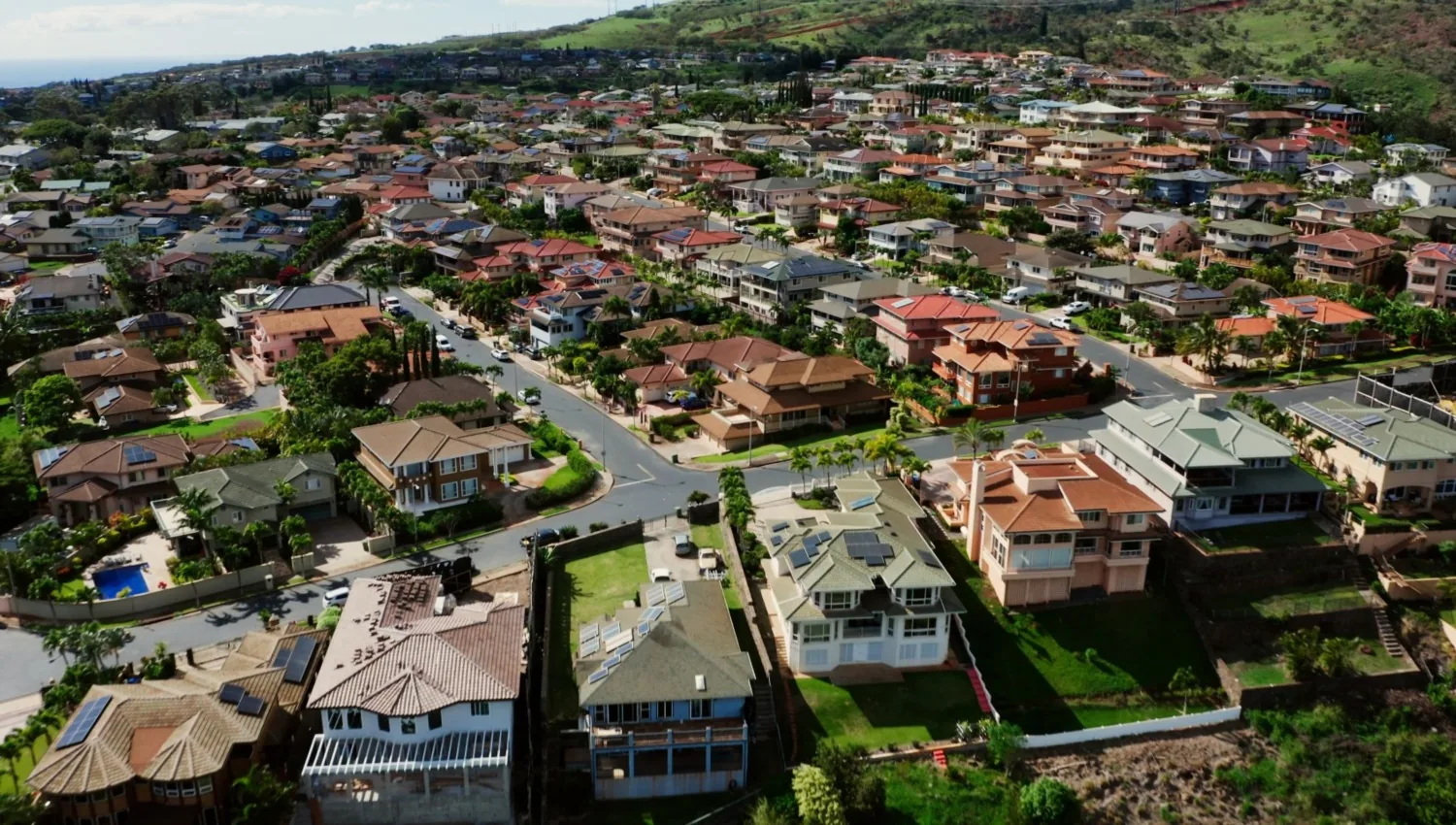
Plan a closure for island conditions
Hawaii has persistent northeasterly trade winds, moderate humidity and substantial rainfall differences over short distances. The heaviest rain generally comes with winter storms from October through April; August and September are the warmest months. These statewide patterns inform planning, but they do not forecast conditions at one Kaneohe address. Before an opening, we state the day's work limit, staged materials, temporary cover and who will close the exposed area if weather changes. The scope separates work that fits one weather window from work requiring another visit.
Wind affects material handling and temporary protection at roof edges. We secure the work area, coordinate access below and photograph concealed layers before covering them. The owner can see whether a temporary measure remained temporary and how the final closure was completed. A maintenance inspection can record drains, seams and flashings before a small defect expands, with each observation tied to its location and next action.
Compare repair with renewal
A focused repair may fit when the affected area is bounded, nearby membrane remains sound and the details can be reconnected. Broader renewal deserves review when moisture crosses several sections, prior repairs are incompatible or transitions have deteriorated beyond one location. A stain alone does not settle that choice. We explain the evidence, removal limit, excluded work and any condition an approved opening could reveal before the owner authorizes a scope.
Coating, recover and replacement have different prerequisites. Coating relies on prepared, serviceable material; recover depends on an existing assembly that can remain; replacement exposes concealed conditions but calls for a larger disruption plan. We describe those tradeoffs and what is still unknown. A written condition report can separate observations from recommendations, while an occupied office roof plan can set access, noise and protection limits. The owner receives a scope that can be compared, priced and scheduled without promising an outcome the inspection has not established.
Protect occupied use while work proceeds
Noise, access, odors and material movement can affect rooms below a roof. We identify those limits before setting the sequence. A repair near an entrance may need a protected route; removal over one area may be staged while another part of the building remains in use. The plan names the work zone, access needs, protection method and handoff point. We confirm them with the building contact instead of assuming roof access is always available.
For an approved test opening, the owner receives its location and purpose in advance. We record exposed layers, photograph the condition and state how the opening will close that day. If the evidence changes the repair boundary, we pause for a revised scope before extending removal. This is useful on Kaneohe projects and on a separate property in Waimanalo’s commercial center. Each roof gets its own findings; one location does not establish the condition of another.
Leave a condition record that supports acceptance
Acceptance should connect the observed defect to the material removed, the repaired detail and the final closure. We assemble photographs from the exposed condition through completion, note any concealed material that changed the work and state what remained outside the approved scope. That record can support future maintenance without suggesting an unexamined section was repaired.
An inspection can cover accessible seams, flashings, drains, edges and transitions. A written report separates visible defects from recommendations and identifies what an opening or moisture survey would resolve. Owners can arrange commercial roof inspection in Kaneohe to receive findings tied to the building and the decision ahead. The same method applies near Kamehameha Highway and elsewhere in the town: document the assembly, define the work, plan weather closure and hand over evidence the owner can use to accept the repair.
Commercial Roofing Questions
What do you need before opening the roof?
We identify the reported interior area, safe access, visible roof assembly and a protected location for the opening. The owner approves the purpose, removal limit and closure plan before concealed material is exposed.
Can one wet area justify replacing the whole roof?
One wet area is evidence about that location, not the entire assembly. We map the affected boundary and inspect related seams and transitions, then compare a focused repair with broader work if the findings support it.
How does Kaneohe's winter rain affect repair timing?
Hawaii's heavier winter rain is a scheduling consideration, not a day-specific forecast. We check conditions for the work window and define how an exposed area will be protected and closed if rain or wind changes the sequence.
What should a repair record show?
It should connect the observed defect to the removed material, repaired detail and final closure. Photos, an opening log and a stated scope boundary let the owner review what was completed and what was left for later.
Can you inspect a building while it remains occupied?
Yes. We coordinate roof access and any interior observations with the building contact, then stage work around the affected area. An opening or noisy task proceeds only under an agreed protection and handoff plan.
Set a scope for the building
Arrange an examination of the roof condition in Kaneohe. We will document accessible details, define any approved opening and provide a repair or renewal scope with a closure record.
Tell Us About Your Roof
We will follow up to set up a time to walk the roof.

Request a Roof Assessment
Tell us about the building and what you are seeing. We will follow up to set up a time to walk the roof.