A property manager responsible for several Honolulu buildings needs a roof record that separates shared ownership from building-specific conditions. A leak in one office, retail, or residential section cannot set the scope for another address. We begin with the occupied use, access rules, roof plan, and the reported water path, then identify which assembly evidence is needed before work is authorized. Downtown combines modern and historic office, civic, and commercial buildings, while Ala Moana mixes commercial, retail, and residential uses. Those district patterns make clear records useful, but each roof still gets its own inspection boundary.
Keep each asset legible
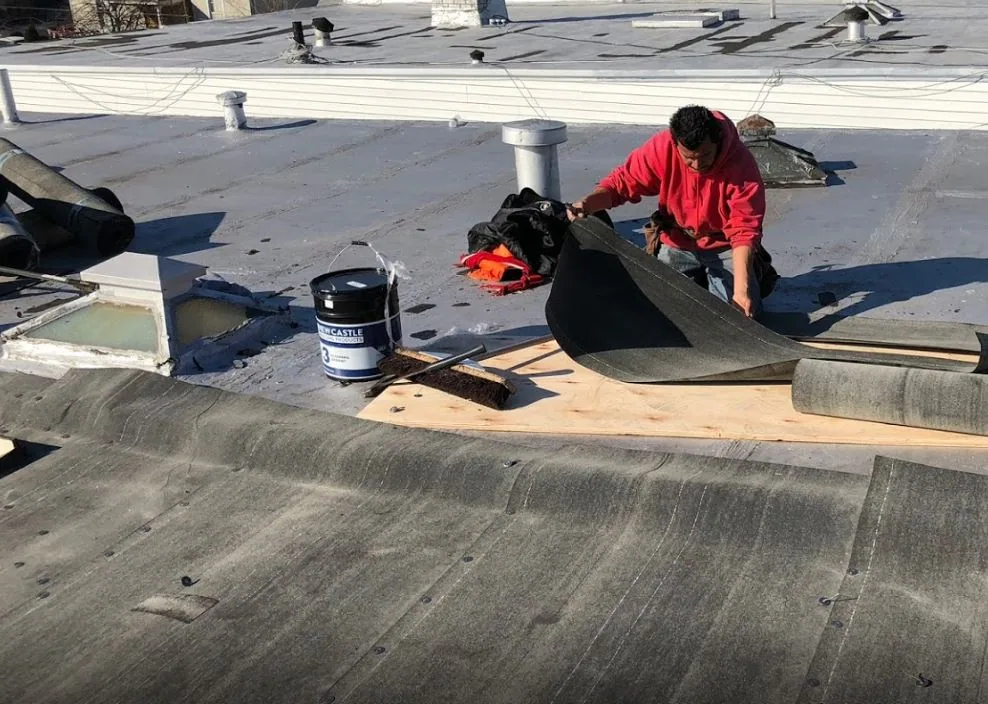
A portfolio register becomes useful when every roof entry points to a location, system, age record if available, repair history, and next inspection need. We map roof levels and zones, note drain and overflow locations, photograph edges and penetrations, and keep unresolved questions beside the affected area. If ownership files group several buildings under one account, the condition record still needs a separate identifier for each roof so a repair proposal cannot migrate between properties by mistake.
For a manager with Downtown and Ala Moana assets, dissimilar occupancies can change access, staging, and tenant communication. A roof asset record connects the roof plan to its photos and repair history. We also keep an investment-property review separate from a service ticket, because the owner’s capital decision may include multiple roofs while the field condition is local to one building.
Trace the symptom before dispatch
An interior stain is a reported symptom, not a roof location. We record the room or tenant zone, compare it with the roof level above, and trace the path past curbs, drains, membrane seams, and wall transitions. If the roof has more than one elevation, we note which section can shed water toward the affected area and which details require access. That sequence gives the property team a reasoned work order rather than a broad request to inspect an entire portfolio. For a multi-tenant property, managers can prioritize active entry, water path and the consequence to occupied space, rather than treating every roof note as equally urgent.
Hawaii receives substantial rainfall differences over short distances, with windward slopes generally wetter than drier leeward lowlands. That regional variation matters to planning a weather window, but it does not supply a condition reading for one building. We check the current roof, note standing water and drainage performance, and use a documented inspection to connect the symptom with field evidence before a repair is priced.
Compare repair limits with operations
For occupied offices, stores, or residences, the scope needs to show where access begins, what area may be opened, how the work will be closed, and what noise or equipment movement the manager should coordinate. We state the proposed repair boundary, the material to be removed, and the closure detail used at the end of each shift. If water is found in a concealed layer, the opening log records its location and condition before that material is covered again.
A service ticket can close a leak report while leaving a broader roof condition unanswered. We distinguish the immediate repair from the follow-up survey, then give the owner the evidence needed to approve each. The leak repair scope may be limited to a curb, seam, or drain; a wider condition report is appropriate only when the manager needs a roof-by-roof record across more areas.
Schedule around rain and access
Hawaii’s heaviest rain generally arrives with winter storms from October through April. A repair plan should identify how a roof opening will be protected if the weather window closes, who confirms the temporary cover, and what conditions allow work to resume. We include the dry-in limit and inspection hold point so the property team can coordinate tenants, deliveries, and interior access without relying on an unstated assumption.
When a manager oversees both Downtown civic-commercial buildings and Ala Moana retail-residential properties, operating calendars and access routes may differ. We compare the planned sequence with loading requirements, roof hatch rules, security procedures, and sensitive equipment. A phased occupied-building plan should show which zone is open and when the closure detail is accepted. The Downtown Honolulu service area can orient a work file, but the exact property instructions determine mobilization.
Separate maintenance from capital work
Repeated repairs, wet insulation, loose edges, or a drainage problem across several sections can move the discussion from maintenance to capital planning. We document the current condition and the tests that would clarify concealed layers, then separate confirmed work from options that require additional evidence. The owner can compare a repair, recover, or replacement scope with the cost drivers stated qualitatively, including tear-off, deck access, insulation, edge metal, staging, and business interruption.
Ala Moana’s mixed commercial, retail, and residential uses can require different access and notification plans within the same district. We keep those operating requirements attached to the affected building rather than assuming one schedule works across the portfolio. A replacement proposal identifies removal limits, drainage corrections, and daily closure procedures. If the roof remains serviceable, a maintenance plan can preserve a repeatable inspection cadence and repair history.
Close the work with an owner record
After a repair or inspection, the portfolio file should include dated photographs, the roof zone, tested details, materials used, weather closure notes, and any concealed condition observed during an opening. We identify what was repaired, what remains outside the scope, and whether another check is needed after rain. The manager can then close the correct work order and retain evidence for the asset record without treating a single repair as a portfolio-wide condition.
Where a building sits in Downtown Honolulu or Ala Moana, the district name helps orient the record, while the roof plan and address identify the actual work area. We hand over the scope boundary, acceptance point, and unresolved item in direct terms. That makes the next inspection comparable and gives the manager a clean basis for deciding whether to maintain, repair, or prepare a capital request.
Lower Mapunapuna and Waiwai Loop are employment areas that can help a manager sort site schedules, while the building record still holds the roof plan, access rules, and inspection findings. When a portfolio includes clinics or treatment spaces, the healthcare roof review adds the operating constraints that change access and dry-in acceptance. This does not replace the property-level condition record; it gives the owner another operational lens for scheduling work.
Commercial Roofing Questions
What should a multi-building roof register contain?
Use a separate identifier for each roof, then attach the plan, assembly information, repair history, photographs, access limits, and next inspection need. We can help verify those entries during a field review.
Can one inspection cover several properties?
A portfolio review can coordinate visits, but observations and scopes remain separate by building. Each roof needs its own access record, condition findings, and repair boundary.
How do you handle a leak reported by a tenant?
We record the interior location, compare it with the roof above, and trace likely paths through seams, drains, curbs, and walls. The field record states what was tested and what remains concealed.
What changes during the heavier-rain months?
The work plan identifies a weather window, temporary protection, dry-in limit, and closure acceptance point. Current conditions determine whether an opening proceeds or waits.
When does maintenance become a capital project?
Repeated defects, wet concealed layers, or broader drainage and edge conditions can warrant a larger review. We document the evidence and tests that would distinguish repair from replacement before a capital scope is approved.
Set the inspection boundary
Arrange an examination with the building use, roof plan, leak locations, access conditions, and operating schedule. We will document the observed assembly, concealed-work findings, closure detail, and scope boundary needed for the owner’s decision.
Tell Us About Your Roof
We will follow up to set up a time to walk the roof.

Request a Roof Assessment
Tell us about the building and what you are seeing. We will follow up to set up a time to walk the roof.