
A commercial or industrial roof in Iwilei, Honolulu, HI can sit above different uses within the same district, so work must be tied to the building rather than the map label. Iwilei includes harbor activity, commercial and industrial businesses, and big-box retail; future redevelopment is envisioned as a high-density mixed-use extension of Downtown. Those uses do not determine any roof assembly. We inspect the actual surface, note access and occupied areas, then trace the reported condition before setting a repair boundary. If a concealed layer must be opened, the owner approves its location and closure plan. A record of the exposed condition supports a choice between a bounded repair and broader renewal. Commercial Roofers Honolulu documents that sequence in Iwilei, Honolulu, HI, so the property contact can review scope and handover against the work actually performed.
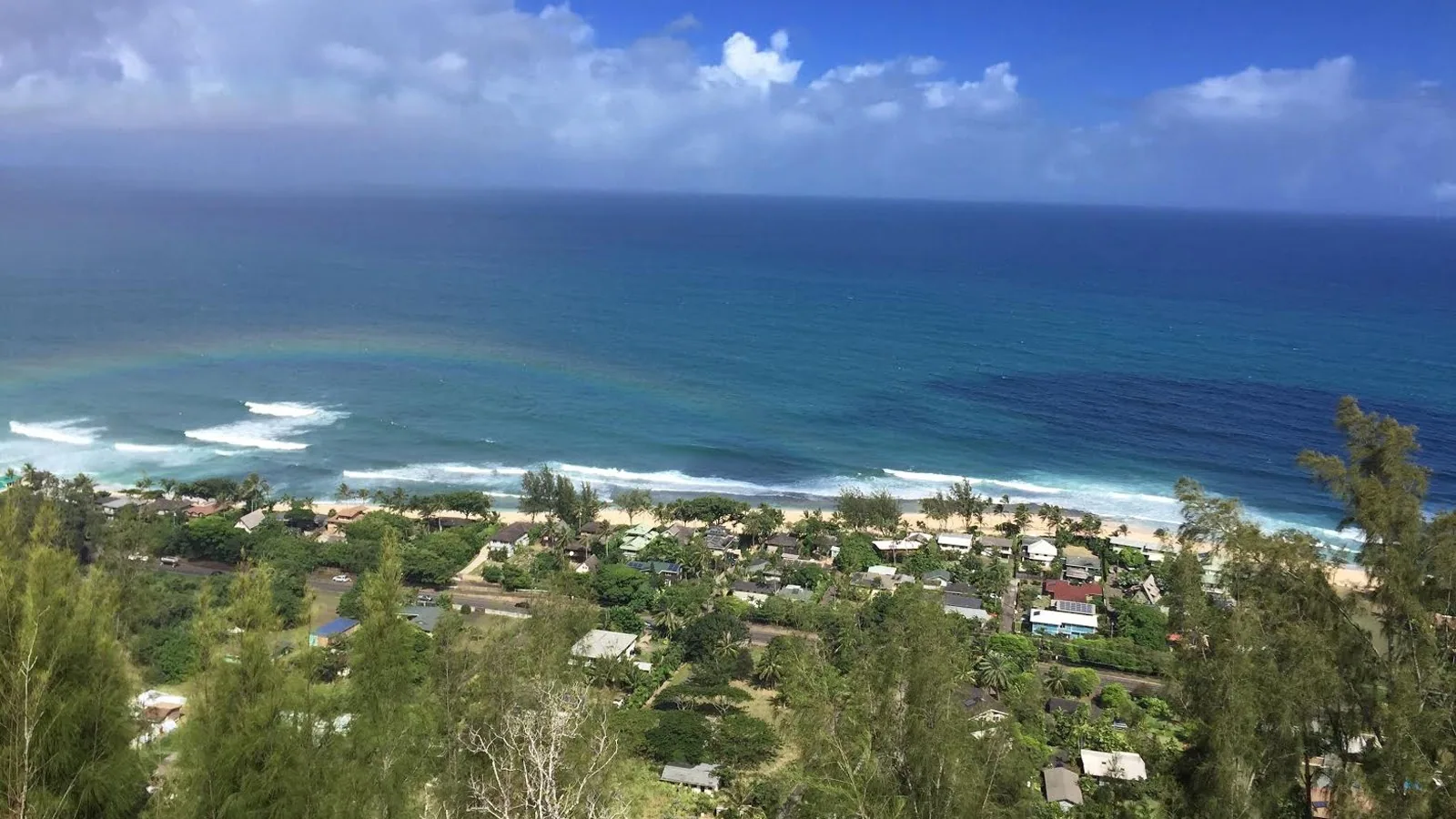
Start with the property's actual use
Harbor activity, industrial businesses and existing retail shape Iwilei’s commercial context. They can suggest questions about access, staging and business interruption, but the building contact must confirm those constraints at the specific site. We identify operating hours, roof access, delivery paths and the area below the reported leak before choosing a work window. We do not infer roof type from surrounding land uses. The first examination records seams, penetrations, flashings, drainage and transitions that can be reached without opening the assembly.
Lower Mapunapuna has an industrial context, while Iwilei includes harbor activity and commercial businesses. Both areas require property-specific findings. A roof examination in Mapunapuna is not evidence about an Iwilei building. The owner receives observations tied to the roof under review, including the visible condition and any question that remains concealed. Start with a commercial roof inspection when the assembly or entry point needs clarification.
Follow the water path across the assembly
A ceiling mark is a report to investigate, not a measured limit for roof removal. We compare its location with seams, drains, wall intersections and penetrations above. Water may travel before it enters a room, so a repair at the stain alone can miss the failed detail. When visible evidence is incomplete, infrared moisture mapping can help direct a selective opening. The opening log names its location and purpose; photographs show each exposed layer before the repair covers it.
We check the actual membrane and attachment before selecting compatible material. A commercial leak repair ties the observed entry to a detail and states how the closure will be accepted. If a drain, edge or penetration contributes to the condition, its connection to the work appears in the scope. We also identify what is outside the boundary. That lets an owner authorize a defined repair and review any evidence that could justify a wider removal before the crew proceeds.
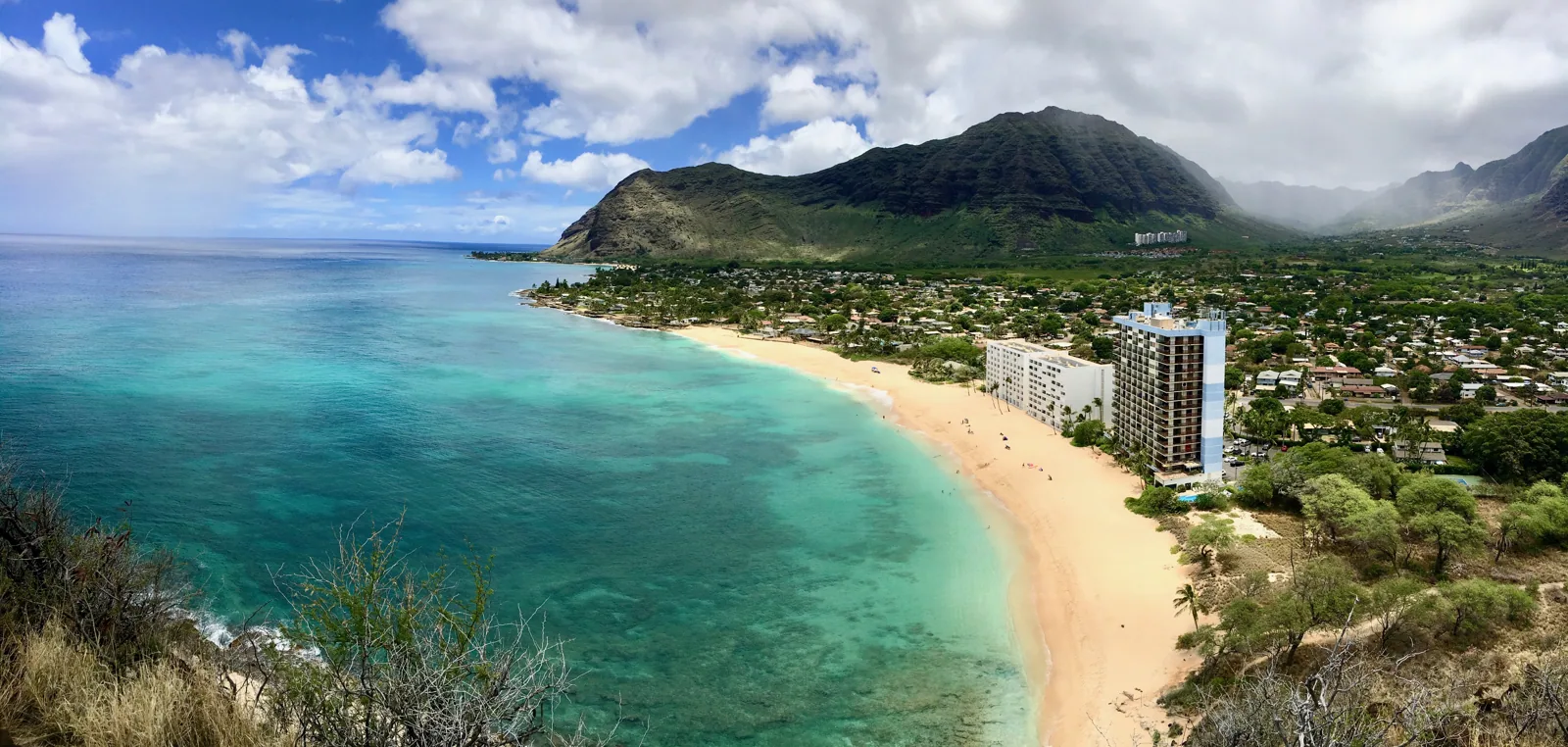
Plan the exposure and the closure
Hawaii's persistent trade winds and winter rainfall affect the order in which roof layers can be exposed. The state's heaviest rain generally comes during winter storms from October through April, while local rainfall varies over short distances. These patterns do not replace a current forecast for a workday in Iwilei. Before removal, we agree on the amount of roof that can be left open, the temporary protection to stage and the person who can approve a pause. The crew knows how to secure the work area before leaving the building.
Edges and transitions need particular care when wind changes the way a cover sits. We photograph exposed layers, record the closure time and note any follow-up needed after a weather interruption. If an unexpected layer changes the work, the owner receives the revised scope before removal continues. A response repair can stabilize an active entry, but the record distinguishes temporary control from permanent work. Closure is documented so occupied operations have a clear handoff at the end of the shift.
Choose repair, recovery or replacement from findings
A bounded repair may suit a localized failure when adjacent material remains serviceable and a compatible tie-in can be made. Wider renewal deserves review when an approved opening exposes moisture across more than one area or when multiple transitions have deteriorated. We show what the inspection established, what remains hidden and what further opening would resolve. A planning designation or nearby land use does not establish a system choice.
Coating relies on a prepared, stable surface. Recover leaves the existing layers in place only when they can remain. Replacement exposes the assembly but calls for more material handling and operational coordination. The owner receives the prerequisites, removal limits and interruptions for each option. A modified-bitumen assembly review or a recover evaluation begins with the installed system, not an assumption about the district. If the first opening changes the repair boundary, we stop for approval and record the evidence before proceeding.
Keep the work zone controlled
Roof work above active businesses needs a route for material and crew access, a separation plan below and a way to maintain essential operations. We coordinate those points with the building contact. The scope identifies noisy tasks, temporary restrictions and the part of the roof scheduled for each shift. Where phasing is appropriate, we close one area before moving to another rather than leave several openings without a documented handoff.
Halawa is a broad transit-oriented neighborhood with retail, housing, entertainment and working uses planned in a compact district. That context differs from Iwilei's harbor and commercial setting, but neither tells us how a specific property operates. We confirm actual constraints on site. A roof project in Halawa is planned on its own facts. For Iwilei, a warehouse roof plan or retail sequence starts from the owner’s access rules, roof assembly and work hours, then identifies how the building will be protected during the closure.
Make acceptance traceable
The finished membrane hides the layers that explain why a repair was selected. We preserve those conditions in the record: opening location, material removed, repaired transition, photographs and final closure. If concealed material altered the scope, the owner sees what changed and when approval was obtained. Exclusions remain distinct from completed work, so an inspection does not imply that every section was renewed.
Our roof condition report can connect observations with recommended next steps and a stated boundary. A scheduled maintenance inspection can later compare accessible drains, seams and flashings with that baseline. Owners in Iwilei can arrange an examination and receive a repair or renewal scope supported by the building's own findings. The handover should give the person responsible for the property enough evidence to accept the completed detail and plan any unresolved work without relying on a verbal summary.
Commercial Roofing Questions
Does a planning designation identify a roof's condition?
No. It describes land use, not an individual assembly. We inspect the property and connect any recommendation to visible conditions or an approved opening.
How do you define a repair area?
We trace the reported entry against accessible seams and transitions, then state the removal boundary and any concealed question. A wider area is added only when evidence supports the change and the owner approves it.
Can a roof opening be left overnight?
The work plan defines how the exposed assembly will be protected and closed before the crew leaves. If weather or concealed conditions alter that sequence, the owner receives a documented handoff and revised plan.
What is included in the repair closeout?
The closeout identifies material removed, repaired details, photographs, final closure and exclusions. That record allows the building contact to compare the completed work with the approved scope.
Can work proceed while businesses remain open?
We coordinate access, staging and protected areas with the owner. Phasing is considered where each work zone can be isolated and secured without compromising the assembly or building operations.
Review the roof condition
Arrange an examination for your Iwilei property. We will record accessible details, define any approved opening and prepare a scope tied to the evidence and closure sequence.
Tell Us About Your Roof
We will follow up to set up a time to walk the roof.
Request a Roof Assessment
Tell us about the building and what you are seeing. We will follow up to set up a time to walk the roof.