
A grocery operator deciding whether to retain existing insulation needs evidence about the layers beneath the roof covering. For owners in Ala Moana’s retail district and Moiliili’s commercial district, Commercial Roofers Honolulu investigates suspected roof moisture in Honolulu, HI, through appropriately selected infrared assessment and physical confirmation. The purpose is to clarify which materials may remain and where removal may be necessary, while arranging openings and protection to suit the occupied use below.
A thermal pattern provides a location for investigation rather than a direct measurement of insulation condition. We assess whether the assembly and weather can produce useful differences at the roof surface, relate the resulting images to roof areas and select confirmation openings. The owner receives a moisture-investigation record that connects each suspect area with the material found, the limits of the examination and its implication for repair, recover or replacement planning.
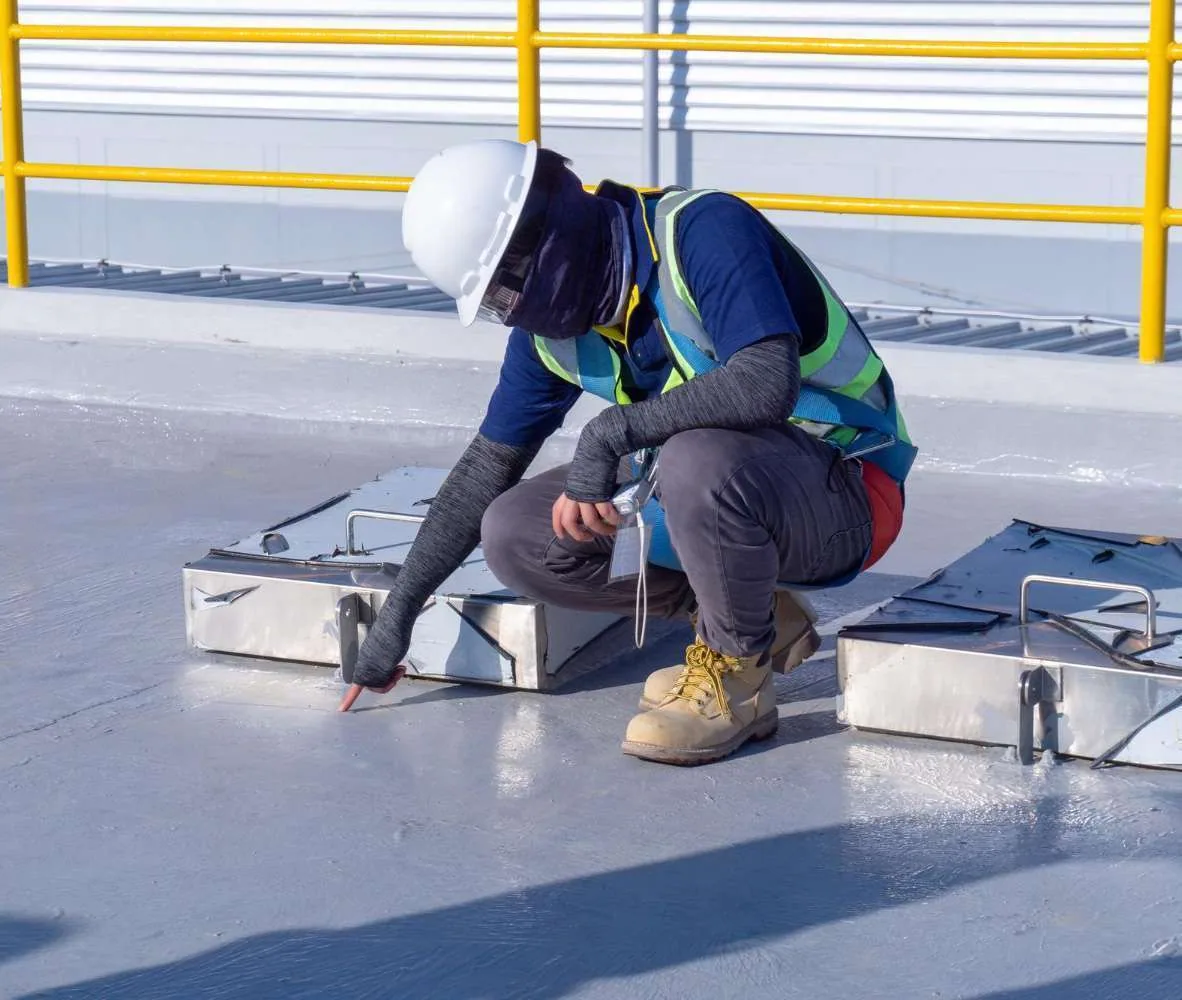
The assembly determines suitability
Infrared roof assessment relies on temperature differences that can develop as roof materials gain and release heat. Moisture can affect that behavior, but the assembly, surface and surrounding conditions also influence the pattern. We identify available information about the covering, insulation and supporting deck before selecting the method. Multiple roof layers, reflective surfaces or unusual construction can require a different investigation approach or a carefully qualified interpretation of thermal results.
Ballast, vegetation, equipment shadows and surface contamination can complicate temperature patterns. We examine those features and distinguish them from areas needing moisture confirmation. A physical review of the roof assembly helps establish that context and identify locations where direct openings may be more useful. The chosen investigation should answer the owner’s retained-layer question, rather than apply a thermal method where the surface conditions obscure the material behavior it is intended to assess.
Interior use can also influence interpretation. Conditioned rooms, process equipment or cold storage can change heat movement through the roof and create patterns unrelated to wet insulation. We ask about the use below the surveyed area and relate that information to the assembly record. Where temperature-controlled building operations are involved, vapor control and interior conditions deserve consideration alongside the thermal image, particularly before proposing changes to the roof layers.
Conditions support a useful survey
A useful thermal examination needs conditions suited to the particular assembly and method. Solar heating, cooling after sunset, surface dryness and recent weather can affect the contrast available for interpretation. We identify the intended observation period and the reasons it suits the investigation. Heavy rain or insufficient contrast may require rescheduling or another method. Proceeding with poor conditions can leave the owner with ambiguous images that do not support a reliable material-removal decision.
Hawaii’s persistent trade winds and short-distance rainfall differences make the conditions at the building relevant, rather than a broad assumption about the island. We assess the roof’s current surface and the weather window before surveying it. The heavier winter rains, generally occurring between October and April, also affect when suspect materials can be opened and closed. We coordinate that confirmation work so an investigation of retained moisture does not create another water-entry problem during examination.
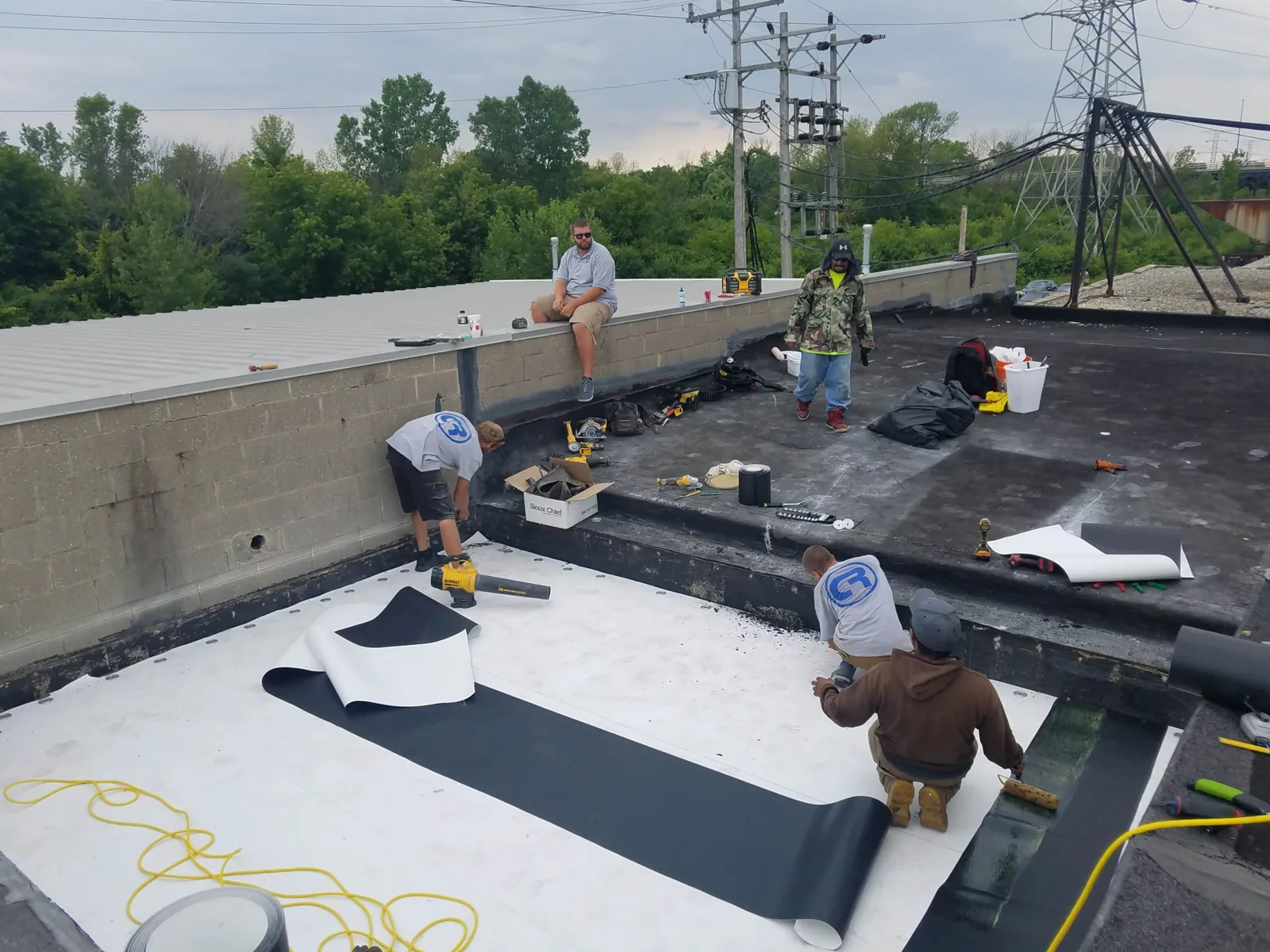
Thermal patterns receive locations
Suspect patterns are mapped against identifiable roof features, elevations and equipment. The thermal image is related to a visual view so the owner and the crew performing confirmation work can locate the same area. We distinguish patterns associated with shadows, roof transitions or different construction from areas that need further moisture assessment. A mapped boundary remains an investigation finding until supporting material observations establish what it represents beneath the surface.
Aerial roof photography can supplement that location record where suitable, but ordinary visible images and thermal observations provide different information. The survey scope identifies which imaging method is being used and how findings will be confirmed. An image alone should not become a fixed removal quantity where the actual moisture boundary has not been established. We explain the additional openings or testing needed when that boundary materially affects the owner’s choice of work.
Openings establish material condition
Selected core openings reveal the roof layers and permit examination of the materials at a known location. We record the covering arrangement, insulation condition and accessible supporting layer, then relate those findings to the thermal pattern. Confirmation locations may include suspect areas and comparison areas that appear different in the survey. That relationship helps distinguish a meaningful moisture pattern from temperature variation caused by another assembly feature.
An opening also needs a proper waterproofing closure. We arrange access, protection below the work and compatible repair materials before cutting the roof. The completed opening record identifies the location examined and the detail used to restore the covering. Where wet or deteriorated material extends farther than expected, we explain the next examination needed to define its limits. The owner can then authorize additional investigation with a clear purpose rather than accept a removal boundary based on one isolated sample.
Sampling has practical limits where an assembly changes across roof additions or where moisture is distributed unevenly. We consider those boundaries when deciding how findings apply to adjacent areas. Further examination may be required around a drain, equipment curb or connection to a different roof level. The report identifies that requirement directly, including any area where access restrictions prevent confirmation, so the proposed roofing scope remains proportionate to the evidence obtained.
Findings change the roofing scope
A moisture map and confirmed material observations can help define selective removal before retaining layers beneath an overlay. They can also help compare localized repair with a wider roof replacement. We explain which confirmed conditions support removal, where further investigation is required and how the affected area connects to retained roofing. The owner sees the scope implication of the findings, rather than a thermal label detached from the proposed work.
For roof capital decisions, confirmed moisture can alter disposal, insulation replacement and deck-examination needs. Access, opening frequency and the time required to restore each cut also influence the investigation itself. We distinguish the survey work from the roofing work it may support, including any uncertainty that could change the final removal quantity. Where moisture is associated with continuing leakage, the entry detail needs its own repair so newly installed insulation is not exposed to the same unresolved path.
In Moiliili’s commercial area, small shops can require close coordination of interior protection and service access during confirmation openings. We discuss those operating needs without inferring a roof assembly from the neighborhood. The handover keeps the thermal map, location images, opening findings and completed cut closures together. That record provides the owner with a defensible basis for the next roof scope and a way to compare later findings with the materials actually examined.
Commercial Roofing Questions
Will thermal images provide an exact wet-insulation quantity?
They identify suspect patterns under suitable conditions. Physical confirmation and boundary assessment are needed before those patterns support a defined removal quantity.
Why are comparison openings useful outside a suspect pattern?
A comparison can show how a different thermal area relates to the actual assembly. We use that relationship to assess whether temperature variation reflects moisture or another material condition.
Can a survey proceed immediately after substantial rain?
Surface moisture and recent weather can interfere with interpretation. We assess the required conditions and arrange a suitable observation period or another investigation method.
How are core openings protected after examination?
Each opening receives a compatible roofing closure after the material observations are recorded. The location and completed closure are retained with the investigation photographs.
Does finding moisture identify the original leak automatically?
Retained water and its entry path are separate questions. We relate the moisture area to roof defects and propose focused tracing where the origin remains uncertain.
Clarify concealed moisture
Arrange a moisture investigation with Commercial Roofers Honolulu to connect thermal findings, confirmation openings and the material decisions your roof scope requires.
Tell Us About Your Roof
We will follow up to set up a time to walk the roof.
Request a Roof Assessment
Tell us about the building and what you are seeing. We will follow up to set up a time to walk the roof.