
A retail owner can reserve money for roofing and still lack a construction scope that makes the reservation useful. If the amount assumes a surface treatment while the assembly needs removal, the decision can fail when the roof is opened. Commercial Roofers Honolulu develops roof capital planning in Honolulu, HI around the findings that determine the work, including retained layers, drainage connections and the protection of occupied space. We distinguish a proposed intervention from the investigation required to establish its boundary.
Ala Moana combines retail, commercial and residential uses, while Downtown Honolulu includes office and civic buildings. Those settings provide different operating considerations for an owner comparing roofing expenditure. We examine the actual building, rather than assigning the same closure arrangements to every property in either area. A useful capital plan identifies what the proposed work accomplishes, what remains in service and which unanswered condition could change the amount or sequence of construction.
Removal limits establish the comparison
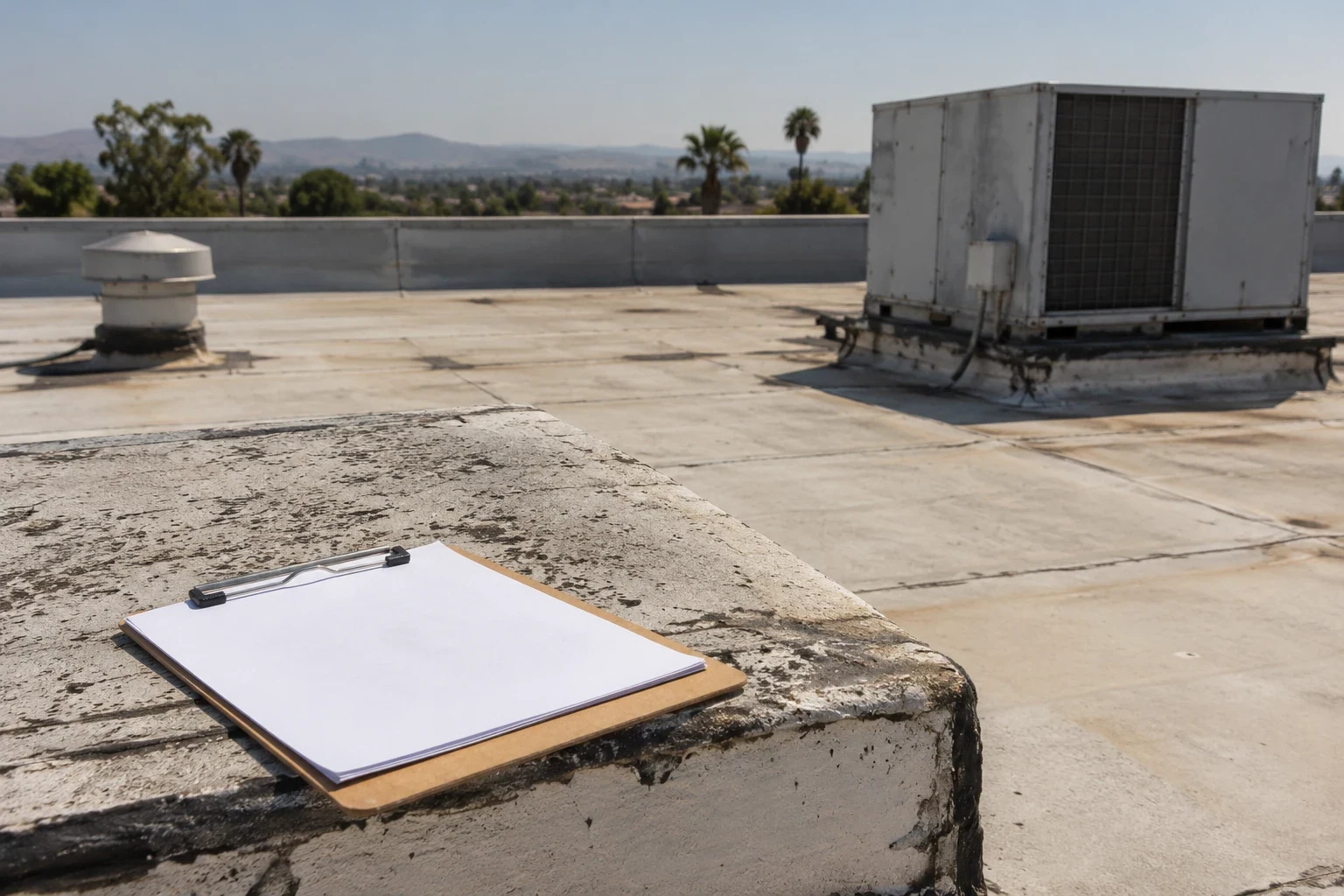
The first comparison concerns the construction that can remain. A serviceable assembly with a defined flashing defect presents a different expenditure from a roof containing unsuitable support or a wider moisture problem. We review visible condition, available construction records and interior water reports before identifying additional investigation. The plan should explain which findings support retention and which require removal, so the owner can compare alternatives against the same understood roof boundary.
A commercial roof examination provides an initial account of accessible connections. Where a concealed layer remains uncertain, we identify the opening or further assessment needed to resolve it. An allowance for that unresolved work should stay connected to its actual question. It should not quietly become confirmation that the retained material is suitable. We explain how an expanded removal boundary could affect edge reconstruction, temporary protection and the next stage of authorization.
Each alternative retains its obligations
A repair, recover and replacement can leave different components in place. The capital comparison identifies those retained components and the follow-up they require, rather than presenting the alternatives as interchangeable amounts of roofing. A local repair may correct a particular connection without changing the condition of surrounding insulation. A recover may depend on the suitability and attachment of the existing construction. Replacement can expose support conditions that need their own assessment before a final assembly is selected.
We connect a removal and replacement scope with the preparation and reconstruction it requires. The comparison also identifies any equipment, curb or wall work that must happen before roofing can close the interface. Separate trades need defined responsibilities at those boundaries. An owner evaluating the alternatives should be able to see where an apparently smaller roof scope leaves another required task outside its amount, and which finding must be resolved before that difference becomes a reliable basis for expenditure.
Proposal review also needs a consistent boundary for disposal and support repairs. We identify whether those tasks are included, separately allowed or awaiting further examination. This makes a difference when the owner compares amounts that describe similar finished coverings but remove different underlying construction.
Occupied use changes the sequence
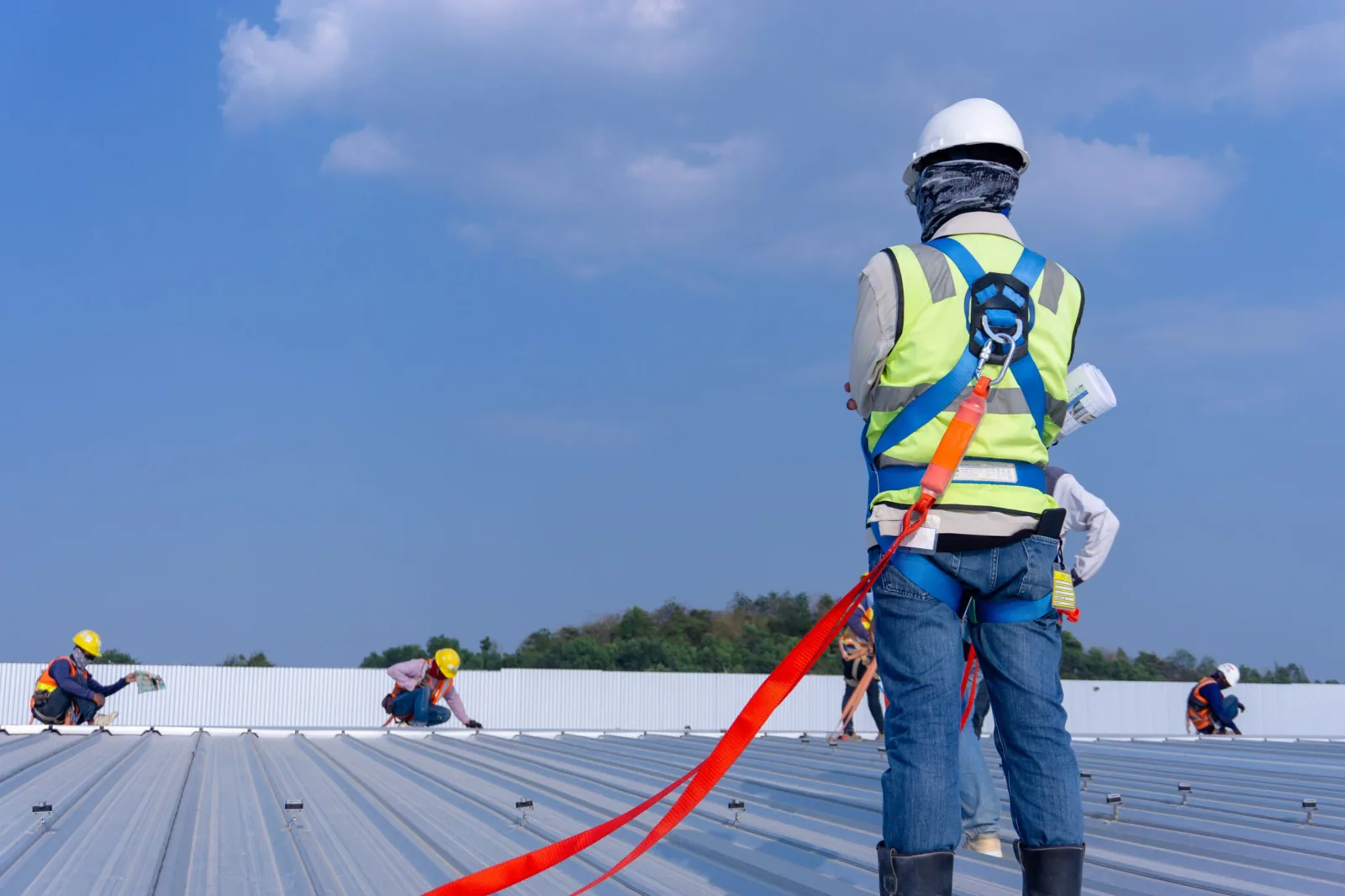
Capital work above trading space needs an account of what can stay open while the roofing changes. We discuss access, material movement, protection of the interior and the areas that need a temporary closure. The proposed sequence identifies the roof portion that can be opened and permanently closed within its work stage. An operating restriction can influence that portion even when the overall assembly is suitable for a larger construction phase.
For retail roofing decisions, an owner's delivery arrangements and customer routes can affect loading and removal. We record the agreed requirements and any decision that remains with the owner before scheduling. A plan should show when those arrangements must be confirmed, because material procurement alone does not establish that the building can accommodate the work. We keep the operating assumptions beside the roof scope so a later change in use can prompt a specific review of the proposed sequence.
Weather closure belongs in the amount
Hawaii receives its heavier rain generally from winter storms between October and April, and persistent trade winds affect exposed materials and temporary protection. Capital planning needs to identify how each proposed opening will be secured if the work pauses. We discuss the closure detail and the responsibility for checking it, alongside the permanent roofing scope. A scheduled work period cannot establish that an unfinished roof will remain protected without those arrangements.
The amount reserved for construction should account for the protection actually required by its sequence. We explain how smaller removal stages, temporary connections and protection of sensitive areas can influence a proposal. Reroofing an occupied building requires those measures to agree with access and interior use. We retain the assumptions so an owner reviewing a changed schedule can identify which closure arrangements need another examination, rather than carrying forward an amount whose original work sequence is no longer practical.
Deferred areas keep a defined status
A phased capital plan should identify what happens to the roofing between construction stages. An area deferred for later work retains its present condition and may need repairs or monitoring during that interval. We distinguish work needed to keep that area serviceable from preparation that belongs to its eventual replacement. The owner can then review the expenditure with a clear account of what the interim action accomplishes and what it leaves unresolved.
We relate each phase to adjacent roofs, drainage and shared interfaces. Replacing one section must not leave the next stage dependent on an undefined waterproofing connection. A roof ownership record can preserve those boundaries and the accepted work completed at each stage. We also identify the finding that would justify bringing a deferred area forward, such as a changed defect or confirmed deterioration. That decision should rest on a documented condition rather than an assumed calendar date.
Authorization follows the established scope
Before an owner authorizes a major intervention, the plan should distinguish examined construction from unresolved allowances. We review the proposed removal limits, assembly preparation, drainage connections and occupied-building measures. Any applicable permit and energy-code review belongs with the selected scope and project circumstances; an earlier roof repair does not establish the requirements for a later replacement. We identify the decisions still needed before the amount can represent construction ready to proceed.
A documented roof condition report provides the findings behind that review. The capital plan connects those findings to the chosen intervention and retains the reason alternatives were accepted or rejected. For an owner in Ala Moana, the final decision also needs the actual building's operating arrangements. We explain what changes would require another scope review, including altered use, new equipment or a wider concealed defect, so authorization remains tied to the construction and protection the amount was intended to cover.
Commercial Roofing Questions
Can a capital amount be set before concealed layers are examined?
An initial allowance can identify unresolved work. It should retain the assumptions and the investigation needed before the owner treats it as a defined construction amount.
Does phasing remove the need to repair a deferred roof?
Deferred roofing retains its present condition. The plan identifies interim repairs or monitoring separately from the later capital intervention.
How are repair and replacement compared?
Compare the work boundary, retained components, operating protection and follow-up obligations. A smaller amount can leave construction that still needs examination or another intervention.
What should trigger a revised capital decision?
A changed defect, altered building use or new concealed finding can change the scope. Review the affected assumptions before authorizing the revised work.
Define the next roofing expenditure
Arrange an examination with Commercial Roofers Honolulu to connect your capital decision with verified roof findings and a workable construction scope.
Tell Us About Your Roof
We will follow up to set up a time to walk the roof.

Request a Roof Assessment
Tell us about the building and what you are seeing. We will follow up to set up a time to walk the roof.