
A buyer considering a mixed commercial property needs to know which roof areas can be examined before the decision and which concealed conditions remain unanswered. A clean-looking surface cannot resolve that distinction. Commercial Roofers Honolulu conducts due diligence roof surveys in Honolulu, HI to identify accessible construction, located defects and the investigation needed where those findings leave the proposed ownership obligation uncertain. We connect the survey's conclusions with the access and methods that actually supported them.
Ala Moana includes commercial, retail and residential uses, while Downtown Honolulu contains both modern and historic office and civic buildings. The roof survey needs to reflect the particular property rather than infer an assembly from its neighborhood or building age. We discuss roof access, operating restrictions and available construction records before the visit, so the buyer understands which areas can be assessed and which questions may require another arrangement before a transaction decision.
The survey boundary is established first
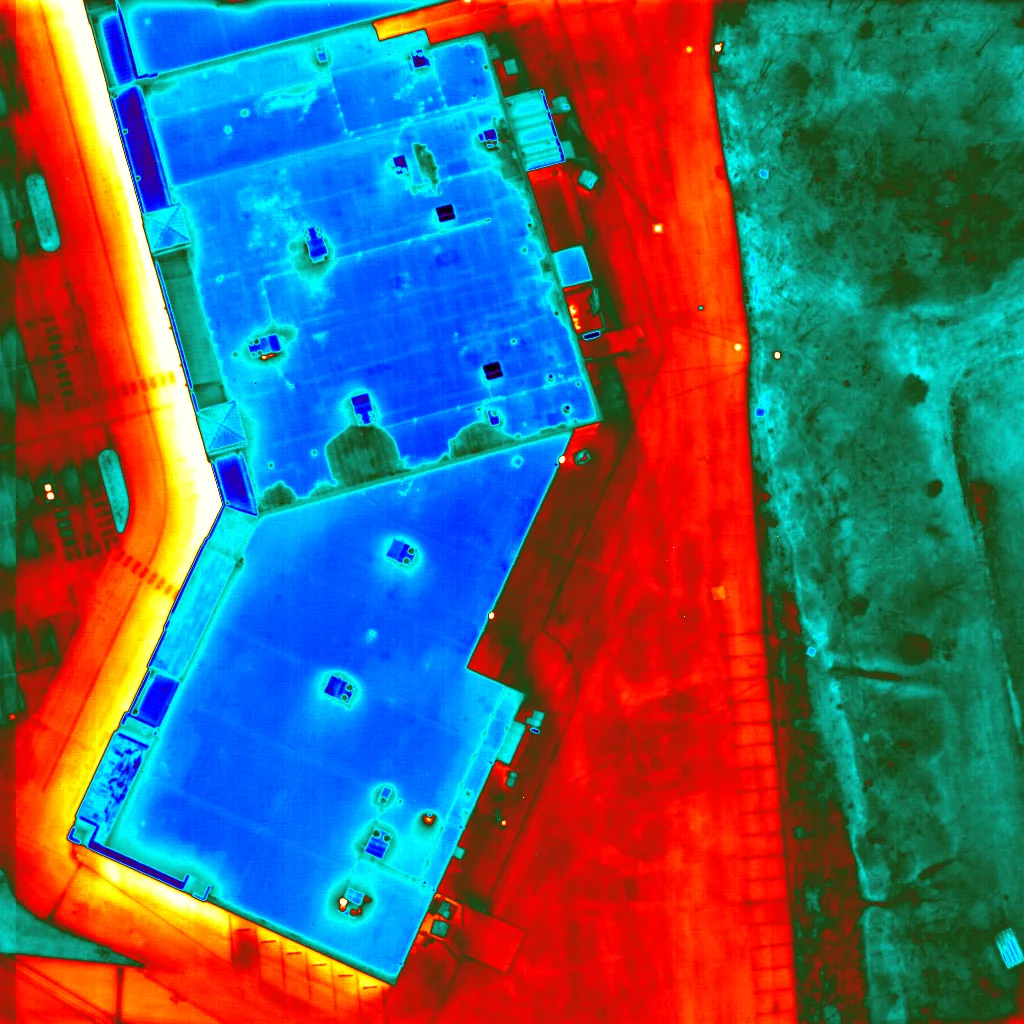
A property can include several buildings, connected roof elevations and sections installed or repaired at different times. We identify the areas included in the survey and the connections between them. Accessible roofs remain distinct from sections viewed only from another elevation or omitted because access was unavailable. The buyer should be able to locate the examined construction and understand where an observation ends, particularly when a proposal describes the property as one roof asset.
A roof overview from aerial images can help orient a large property where conditions and access permit. It does not establish the feel of an accessible membrane, concealed moisture or support beneath a covering. We explain the method used for each finding and identify where hands-on examination is required. The survey boundary also records interior access relevant to reported water entry, because the roof visit alone may not explain the path or extent of that reported condition.
Construction history remains attributed
Installation records, previous repair scopes and warranties can provide useful context for a survey. We identify the documents available and distinguish their descriptions from construction observed during the visit. A later repair may have changed a detail, and an installation date does not establish the present suitability of its support. Where a document and a visible connection differ, we identify the discrepancy and the examination needed if it affects the buyer's decision.
We also review reported leaks and maintenance information with their roof locations. An account of past water entry does not establish that the original route was found or permanently corrected. The survey identifies the evidence of repair available and any present condition requiring follow-up. Review of the roofing warranty documents can identify stated transfer or alteration requirements, but coverage and transfer remain matters for the actual issuing party and terms, not an assumption made from the presence of paperwork.
Accessible defects define specific questions
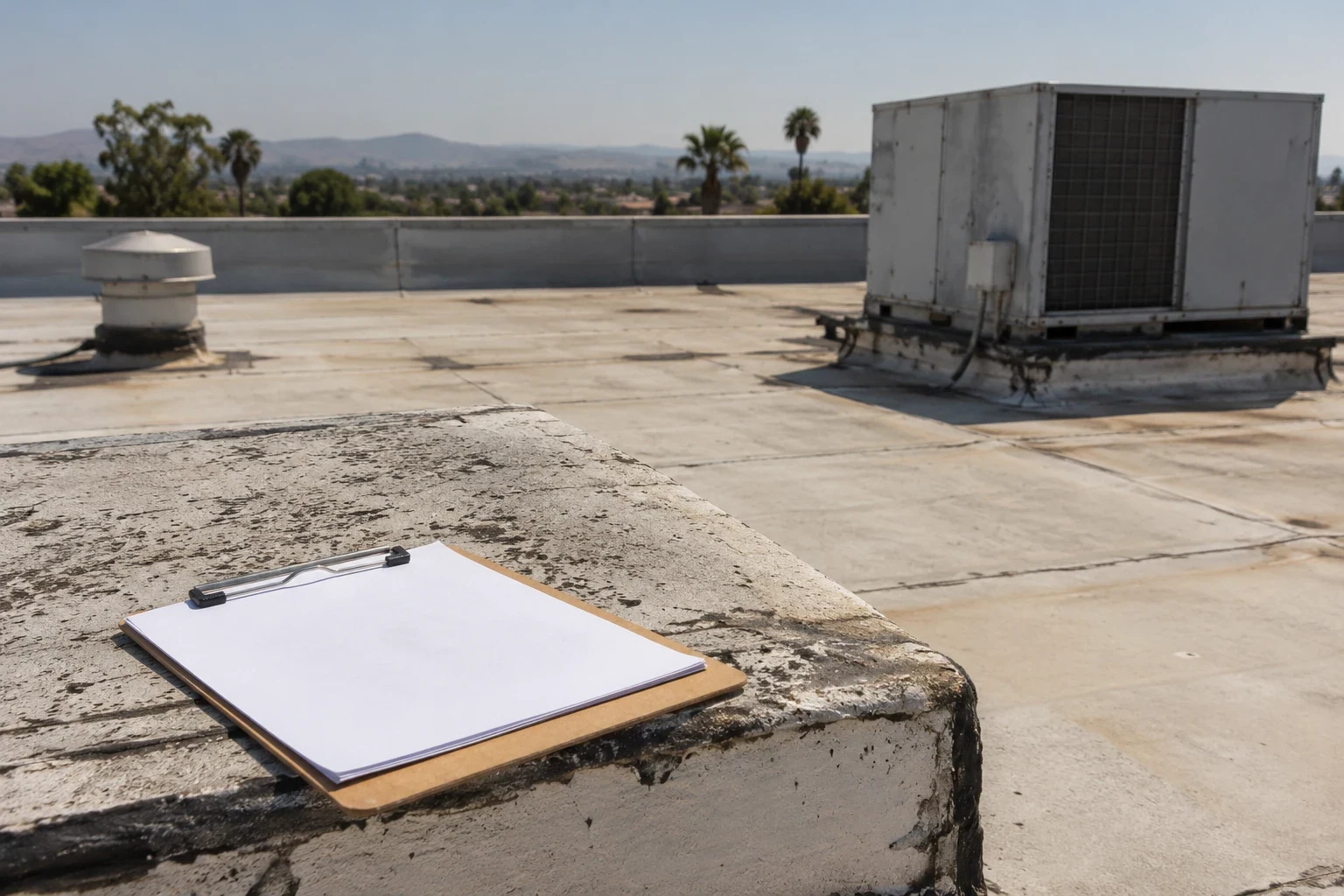
The roof examination records visible membrane, flashing, drainage and edge conditions, with located photographs. We identify the component affected and the surrounding construction relevant to its correction. A defect can call for a defined repair, a wider investigation or prompt protection depending on what is exposed and the consequence below it. The survey explains that connection instead of relying on a broad condition rating that leaves the buyer without a useful work boundary.
A hands-on commercial roof inspection can examine accessible details and establish which concealed questions need further work. Where support or moisture remains uncertain, the survey identifies a proposed opening or suitable assessment with its intended purpose. Findings from one location remain tied to that location. We explain what additional evidence would be needed before describing the condition of another roof section or estimating the extent of material that should be removed.
Drainage crosses the apparent roof boundary
A roof's drainage can connect an examined surface to an outlet, wall or lower elevation outside the first visible work area. We review accessible flow paths and discharge connections, noting restrictions and relationships relevant to the proposed repair. An isolated membrane assessment can miss a boundary that determines whether the corrected roof will discharge properly. The survey retains those relationships and identifies inaccessible piping or outlets where another examination is needed.
Across Hawaii, rainfall changes over short distances, and winter storms between October and April generally bring the heaviest rain. The survey records the actual roof drainage rather than assigning a result from regional weather alone. A drain and scupper examination can identify the accessible inlet, surrounding approach and outlet condition. We explain any remaining question about capacity, concealed piping or the discharge destination, so the buyer can distinguish an observed maintenance obstruction from a system issue requiring further assessment.
The buyer receives unresolved obligations
The survey identifies work supported by current findings and investigation needed before a reliable scope can be established. A repair recommendation should retain its boundary and any assumption about surrounding material. If replacement may be required, we explain the condition leading to that possibility and what still needs confirmation. The buyer receives an account of the roofing obligations evidenced on the visit, rather than a fixed service-life promise based on appearance or age.
A capital review of the surveyed roof can compare suitable interventions once their scope is sufficiently established. Access restrictions, occupied-space protection and staged closure can affect that comparison. We identify the building arrangements still needing agreement and the concealed findings that could change the work. An initial allowance should remain connected to those assumptions, enabling the buyer to seek further examination where an unresolved roof condition is material to the property decision.
We also distinguish roofing observations from matters requiring another professional assessment. If support movement or structural suitability affects the proposed intervention, the survey identifies the concern and the additional review needed. It does not substitute a visual roof visit for an engineering determination outside that examination.
Further examination has a defined purpose
Where due diligence identifies a question requiring another visit, the next examination should have a clear target. We describe the location, proposed method and finding needed, including the protection and reinstatement required if an opening is made. A general request for more inspection can consume time without resolving the condition that matters. The buyer should understand what the additional work can establish and which decision it will support.
A located condition report retains the initial survey, its limitations and subsequent findings. For a property in Ala Moana, the actual building's access arrangements also need to remain with that record. If new information changes an earlier interpretation, we relate the change to its evidence and work implication. This gives the buyer a coherent account of the roof question from initial observation through the further examination, with the remaining uncertainty still clearly identified.
The owner or seller needs to agree to invasive investigation and the associated restoration. We discuss those arrangements before proposing an opening as if it were already available within the initial survey access.
Commercial Roofing Questions
Does the survey promise a remaining roof life?
It documents current accessible condition and the examination undertaken. Unresolved concealed layers and future changes prevent an appearance-based promise of a fixed remaining service life.
What happens when part of the roof is inaccessible?
The survey identifies that area and its access limitation. A separate arrangement may be needed before its condition can be included in the ownership decision.
Are previous repair records treated as observed construction?
Keep their descriptions attributed to the records. The survey separately identifies visible construction and any discrepancy requiring confirmation.
Can a further opening be arranged during due diligence?
The owner or seller must agree to access, protection and restoration. Identify the question the opening needs to resolve before arranging it.
Examine the roof before the property decision
Arrange a due diligence survey with Commercial Roofers Honolulu to establish accessible findings, survey limits and the next investigation needed.
Tell Us About Your Roof
We will follow up to set up a time to walk the roof.

Request a Roof Assessment
Tell us about the building and what you are seeing. We will follow up to set up a time to walk the roof.