
A hotel owner reading about water entry needs to know whether the report identifies its source or only records a stain beneath the roof. That difference affects the work that can reasonably be authorized. Commercial Roofers Honolulu prepares roof condition reports in Honolulu, HI with located observations and a clear account of the examination supporting each conclusion. We show how the visible defect relates to the proposed correction, while retaining the questions that require access to concealed construction.
Waikiki includes hotel buildings and shops, and Downtown Honolulu combines offices with civic and commercial uses. A condition report for an occupied property needs both the roof findings and the arrangements under which they were obtained. We document accessible areas, interruptions to the examination and the actual spaces associated with reported water. The owner receives a condition record that explains what was established on the visit, rather than a general description that implies every portion of the building was examined.
Each finding has a roof location
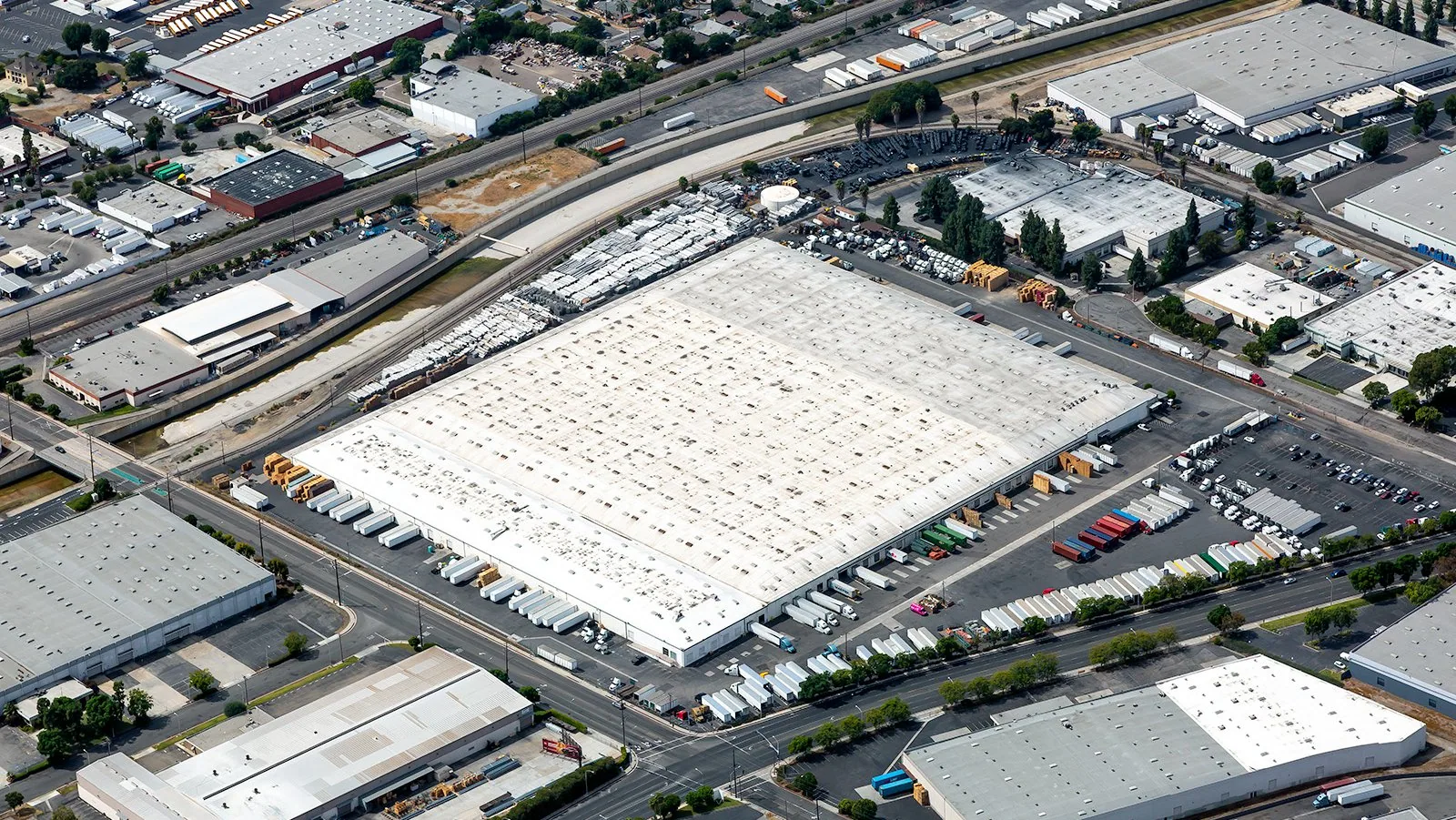
Photographs should enable another person to locate the finding. We retain an orientation view alongside the close detail, identifying the relevant roof area, elevation and nearby construction. A close image alone may show a split or loose termination without establishing which connection needs work. Relating that image to the roof layout makes the repair instruction more useful and helps distinguish several similar details on a large property.
We also discuss interior water locations and their reported timing. A room below the roof can provide evidence that an investigation is needed without establishing the entry point above it. The report keeps the interior observation separate from the roof finding and explains any further examination needed to connect them. A leak investigation and repair scope can then address the identified route instead of treating the visible ceiling mark as the boundary of the roofing correction.
Several water reports in the same room may also need separate entries when they involve different ceiling locations or weather conditions. We preserve those distinctions and relate each one to the examination undertaken, so an apparent improvement does not erase a second unresolved route.
The examination method stays visible
A condition finding should show how it was obtained. We distinguish visual observations, accessible physical examination and information drawn from construction records. Where an opening is made, its location and exposed layers belong with the result. The report does not extend that opening's findings across an unexamined area without identifying the reason and the remaining uncertainty. Different roof elevations or repair histories may require separate assessment.
An infrared moisture assessment can identify thermal patterns that warrant investigation under suitable survey conditions. Those patterns do not by themselves establish every concealed layer or the complete removal boundary. We explain where verification is needed and how the finding affects the next examination. Keeping method and interpretation together prevents a useful investigative tool from becoming an unsupported statement about the entire roof assembly.
Available drawings and earlier work records can help explain a visible connection, but they need to be identified as records rather than newly observed construction. A repair may have changed the detail since a drawing was prepared. We note discrepancies where accessible and identify the confirmation needed if the difference could affect the proposed correction.
Surface findings retain their limits
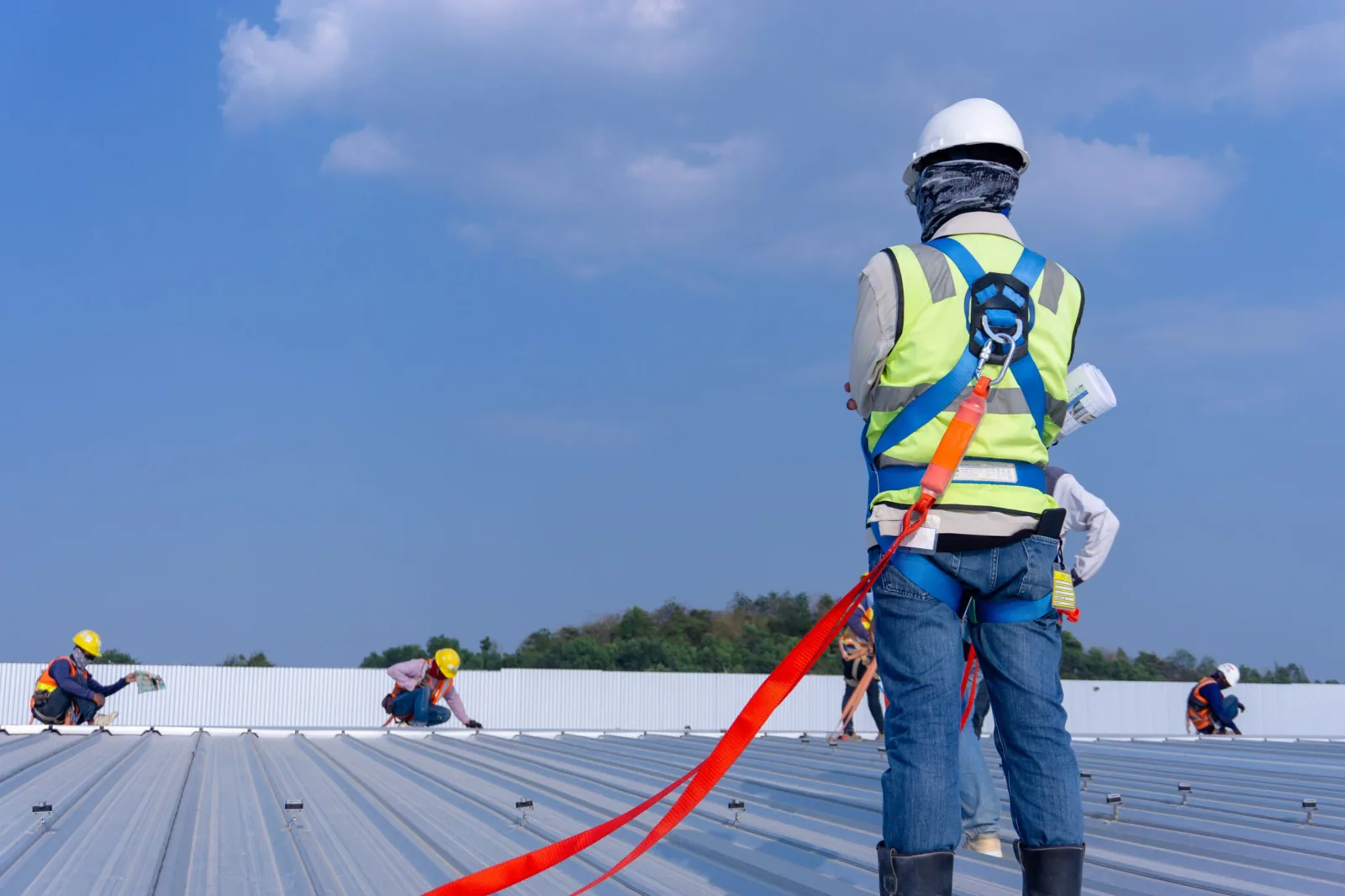
A damaged membrane, open flashing or restricted drain is a located condition with a specific consequence. We describe the accessible component and the surrounding construction that influences its repair. Where support cannot be seen, the report identifies that limitation. A finished surface can conceal unsuitable material, and an undamaged-looking section does not establish dryness or attachment throughout the underlying assembly. The decision to investigate further should relate to the actual finding and proposed work.
A report may recommend a defined roof repair where the surrounding assembly can support the correction. It should also show when the proposed work needs a wider opening to establish preparation or removal limits. We record adjacent walls, curbs and drains where their relationship changes the detail. This allows an owner to understand why closing a membrane defect may require more than applying material directly over the visible split.
Priority follows the observed consequence
We distinguish current water entry, vulnerable openings and defects suitable for planned follow-up. The reason for priority stays with the finding. An exposed connection above an occupied room may need prompt protection, while another observed condition may allow investigation to be arranged before permanent work. The report identifies the measure proposed and the question it addresses, rather than assigning a severe label without describing the affected construction.
Hawaii's heavier rain generally comes with winter storms between October and April. That seasonal context can influence the planning of an opening or a follow-up visit, but it does not prove storm damage on a particular roof. We document the condition actually found and any reported change associated with weather. For roofing above hotel space, the owner also needs the protection and access arrangements that make the recommended investigation workable.
Recommendations identify the next decision
A recommendation should state whether the owner is being asked to authorize investigation, an interim measure or permanent construction. Those actions have different purposes. An investigative opening can establish concealed condition without completing the eventual repair; temporary protection can manage an opening while its permanent detail is prepared. We identify the intended result and the work still required, so a completed first action is not mistaken for closure of the entire finding.
The recommendation connects suitable repair methods with the identified assembly and accessible preparation. Where the proposed correction affects a shared interface, we explain the coordination needed with equipment or wall work. A roof expenditure review can use that scope to compare repair with a larger intervention. The comparison should retain the evidence and assumptions from the condition report, particularly where the removal boundary remains subject to a further opening.
The report supports the later examination
A condition report remains useful when its open findings can be tracked into accepted work. We identify the original location, the correction selected and the record needed before concealed preparation disappears beneath the finished roof. When a later examination compares the repair with its initial condition, the owner can distinguish the rebuilt connection from surrounding retained material. New equipment or changed drainage may create another question that belongs in a separate finding.
A continuing roof condition history can retain the report and those work entries. Properties in Waikiki need their actual occupied-use arrangements retained alongside roof access information for subsequent visits. We explain which unresolved observations need another examination and the finding that would justify it. The handover then gives the owner a specific basis for the next action, even when the person arranging it did not attend the original roof visit.
Commercial Roofing Questions
Does a ceiling stain establish the roof entry point?
It identifies an interior water observation. Roof findings and further examination may be needed to establish the entry route and the construction that requires correction.
Can one opening establish every concealed layer on the roof?
It establishes the layers at that opening. The report identifies its location and any further examination needed before extending that finding to other areas.
What makes a roof photograph useful for repair?
A located detail with an orientation view helps another person find the connection. The report also needs the finding and the correction that it supports.
How should unresolved findings be presented?
Keep the observed condition, its limitation and the next examination together. Identify whether the proposed action establishes the scope or completes permanent work.
Document the roof decision
Arrange a condition examination with Commercial Roofers Honolulu to establish located findings and the work needed to resolve them.
Tell Us About Your Roof
We will follow up to set up a time to walk the roof.

Request a Roof Assessment
Tell us about the building and what you are seeing. We will follow up to set up a time to walk the roof.