
A grocery owner scheduling roof work needs the opening sequence coordinated with food stock, occupied departments and the equipment serving them. Commercial Roofers Honolulu assesses grocery store roofing in Honolulu, HI, with those operating dependencies identified before investigation or removal. Kapolei’s retail buildings and the mixed commercial uses of Ala Moana provide broad local settings for occupied retail projects. We examine the actual assembly and define the roofing tasks, allowing the responsible store team to establish protection and restrictions for the areas affected rather than assume ordinary trading can continue beneath every stage.
The operating consequence of roofing can differ between a storage area, sales floor and space with specialized equipment. The owner identifies those functions and the requirements governing continued use. We describe the material operation, roof opening and closure needed for the proposed scope. Keeping those decisions connected gives the owner a practical plan without implying that roofing protection by itself establishes permission to leave food, equipment or personnel beneath construction.
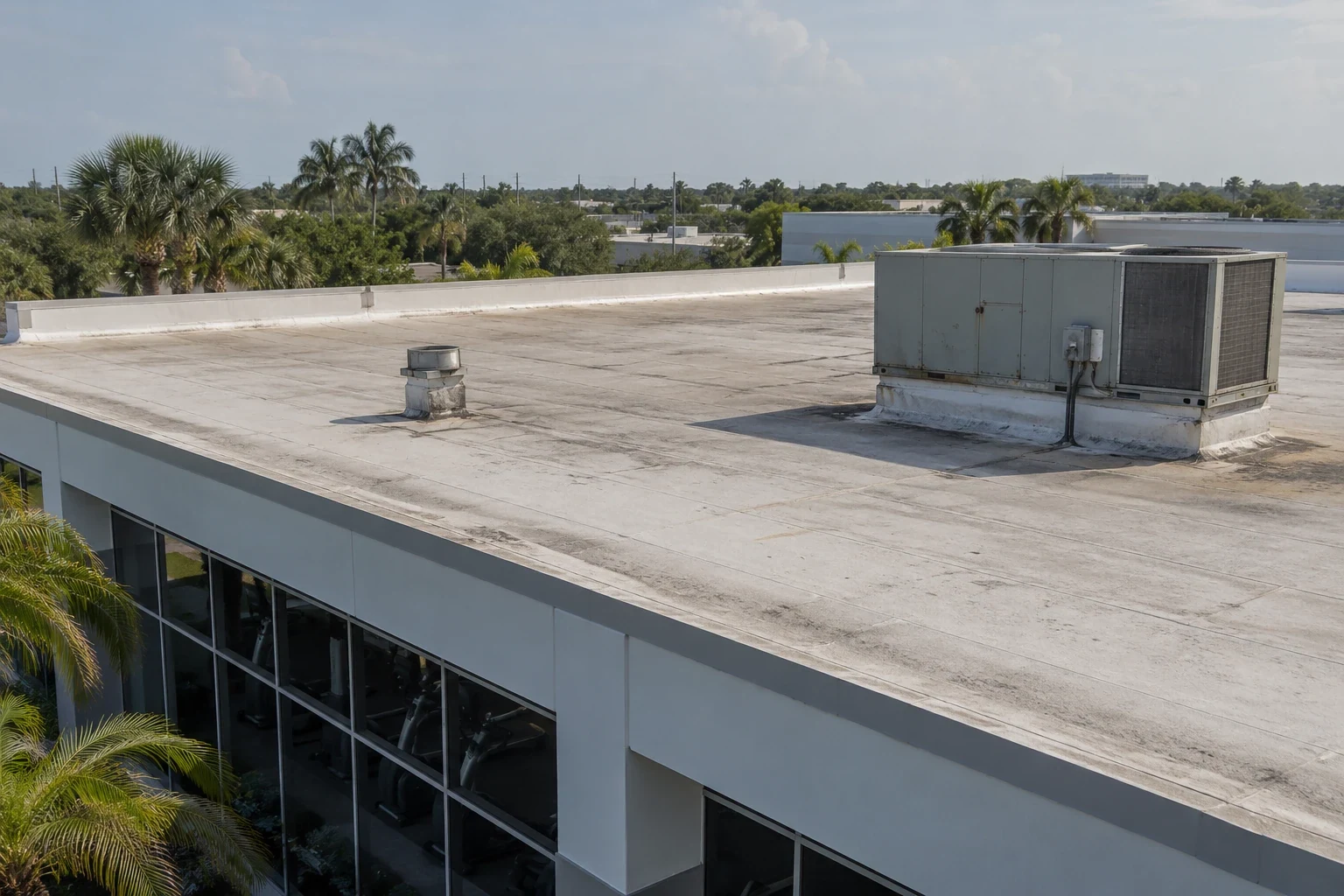
Stock areas determine the coordination questions
Before opening the roof, we identify the area affected and the expected construction sequence. The store’s responsible parties determine how goods and activity below it will be managed. That may change the available work period or require a revised boundary. The roofing proposal explains the tasks and protection needed, while the owner’s operating process resolves the stock and occupancy decisions before material is removed.
Deliveries and debris removal need agreed routes through or beside the building. Loading areas may also serve regular store deliveries, making timing and staging relevant to the plan. We identify the construction activity affecting those locations and the restrictions needed during each stage. A usable work arrangement is established in advance rather than assume the roofing crew can occupy space required by the store’s ongoing operation.
Food-service tenant roof work and refrigerated storage roofing can involve specialized uses within some buildings. The grocery plan identifies the functions actually present instead of applying either set of operating assumptions across the whole store. The owner and responsible equipment parties establish their requirements, and we coordinate the roofing work with the accepted boundaries.
The source of moisture needs evidence
An interior water observation is related to roof locations and the conditions under which it occurs. Grocery roof leak investigation examines the relevant waterproofing junctions where rain entry is suspected. Water can travel through concealed spaces, so the symptom does not automatically identify the surface repair location. The record distinguishes the owner’s observation from the roof defect directly examined.
Where temperature-controlled rooms are involved, condensation or other building conditions may also require assessment by the responsible parties. A membrane patch should not be treated as a remedy for an unestablished moisture source. We identify the roofing findings and any further examination needed to answer the question. Current waterproofing defects can receive appropriate work while a separate envelope or equipment issue is reviewed through its own qualified process.
A retail assembly examination also records adjoining field, seams and details. Earlier repairs are considered with the surrounding material and leakage history. Confirmed wet insulation or deteriorated support receives defined removal, with any additional qualified input identified. This lets the owner distinguish a local repair from a broader material scope based on evidence rather than the apparent size of the interior symptom alone.
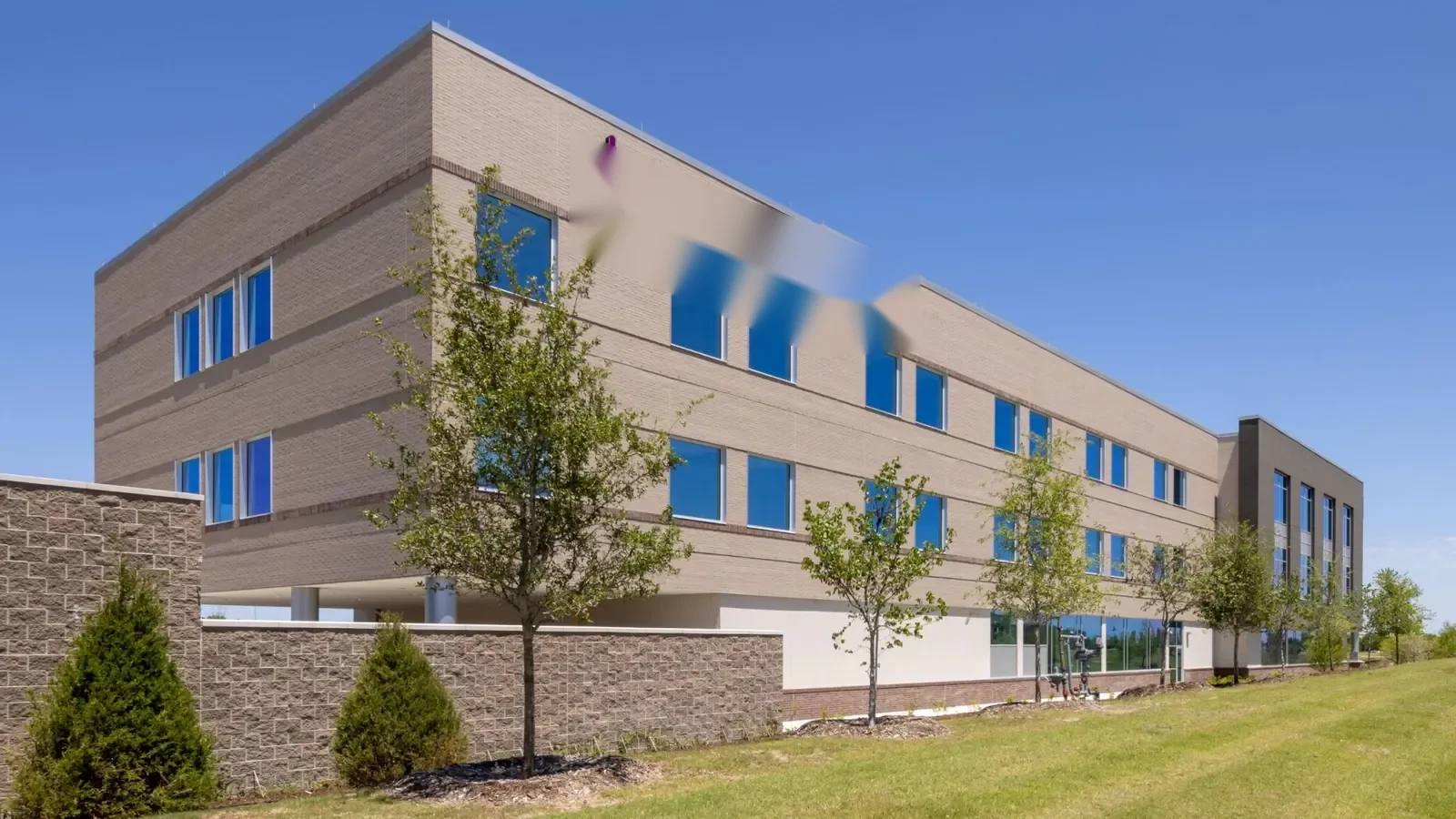
Equipment interfaces have their own stages
Rooftop equipment and service penetrations can support several store functions. The responsible trades establish operation, support and disconnection requirements before alteration. Grocery equipment roof-interface planning identifies the waterproofing connection and component information needed for a suitable detail. If a unit or curb must be changed, its assigned stage is included before the new roof is closed around it.
Equipment servicing also affects access and surface wear. We examine routes and identify compatible protection for the selected roofing. A support resting above the membrane still requires review of contact and load transfer through the appropriate parties. New placement should preserve access to drains and details needing future care. The scope makes those questions visible so maintenance does not depend on repeatedly disturbing a completed roof connection.
A PVC grocery roof system is evaluated through its supporting layers, attachment and compatible junctions. Specific exposures need comparison with the selected product requirements, not a broad assurance that one material withstands every store-related discharge. Where another party must control a continuing equipment exposure, that task remains distinct from the roofing scope and is coordinated before completion.
The daily operation has a closure boundary
Replacement phases follow geometry, details and the ability to protect the assembly at the end of the work period. The plan considers areas below removal and the additional time a concealed repair may need. The crew should not open more material simply to meet an area target when conditions have reduced closure capacity. We identify practical stop locations and the temporary connections required if the project proceeds in separate stages.
Hawaii’s heavier rain generally arrives with winter storms from October through April. For exposed work above active stock and store operations, we assess the actual interval available for removal, reconstruction and closure. The phase record identifies interim connections above the affected store areas and the work remaining to form permanent roofing. That information lets the owner relate stock restrictions to the actual construction boundary until the following stage is accepted.
An opened area may reveal damaged insulation or backing beyond the expected repair limit. We record the material finding and explain how it changes removal and closure above the relevant store location. The owner reviews that response through the agreed authorization route, with the roof protected during the decision. Keeping the accepted revision and layer photographs allows later personnel to understand why construction in that area differs from the original estimate.
The owner retains a practical assembly account
Stores coordinating roofing in Kapolei’s commercial area receive relevant opened-layer findings and completed detail photographs with the scope. Separate equipment work retains its own record, and outstanding interfaces are identified. Later alterations can then be examined against known construction and current condition. The installed system description helps future personnel select compatible repair methods rather than guess from the appearance of the field surface.
Grocery roof maintenance findings can track serviced equipment locations, drainage care and changes at repaired details. A recurring condition is compared with earlier work before another intervention is proposed. We identify the next action justified by the roof findings and any separate operating or equipment coordination required. The owner retains a useful basis for maintaining weather protection while managing the stock and functions the actual building serves.
Commercial Roofing Questions
Who determines how goods are managed below a roof opening?
The store’s responsible operating parties establish relocation, protection and use restrictions. We describe the roofing boundary and closure stages so those decisions can be completed before removal.
Can moisture in a refrigerated room be diagnosed from the roof surface alone?
Its source may require separate envelope or equipment assessment. We examine the waterproofing and distinguish roof findings from unresolved questions about condensation or another building condition.
What must be coordinated before changing rooftop store equipment?
The equipment contractor’s proposed component and service tasks must be related to the roof detail. We assign the waterproofing stage and identify what preparation or curb work must precede it, keeping the final connection clear before installation begins.
Why distinguish protected phases from finished roof areas?
Temporary construction boundaries can have different conditions from permanent completion. The owner needs that account when coordinating activity below the work and the next stage of the project.
Which information supports later grocery roof repairs?
The installed material record, located details and current examination establish compatible work. Equipment or use changes also need review where they affect the existing roofing connection.
Define roof work around the store’s actual uses
Plan grocery store roofing with Commercial Roofers Honolulu to establish assembly findings, stock-area coordination and equipment stages before opening or replacing roofing.
Tell Us About Your Roof
We will follow up to set up a time to walk the roof.

Request a Roof Assessment
Tell us about the building and what you are seeing. We will follow up to set up a time to walk the roof.