A retail manager needs roof maintenance to produce completed tasks and a useful account of changes above the sales floor. Commercial Roofers Honolulu provides preventive roof maintenance in Honolulu, HI, with work selected for the existing assembly, access conditions and occupied use. Ala Moana’s mix of commercial and residential buildings differs from the office setting of Downtown Honolulu, but both require a record that connects a roof finding to a practical response. We examine serviceable details, complete appropriate maintenance and identify defects that need a separately defined repair.
A maintenance visit should not disappear into a list of items marked checked. We record where debris was removed, which connections were examined and whether an earlier condition has changed. That account lets the owner distinguish routine care from deterioration requiring expenditure. When equipment contractors also use the roof, the record helps clarify damage, access needs and protection measures without assigning responsibility before the condition and work history have been examined.
The starting condition matters
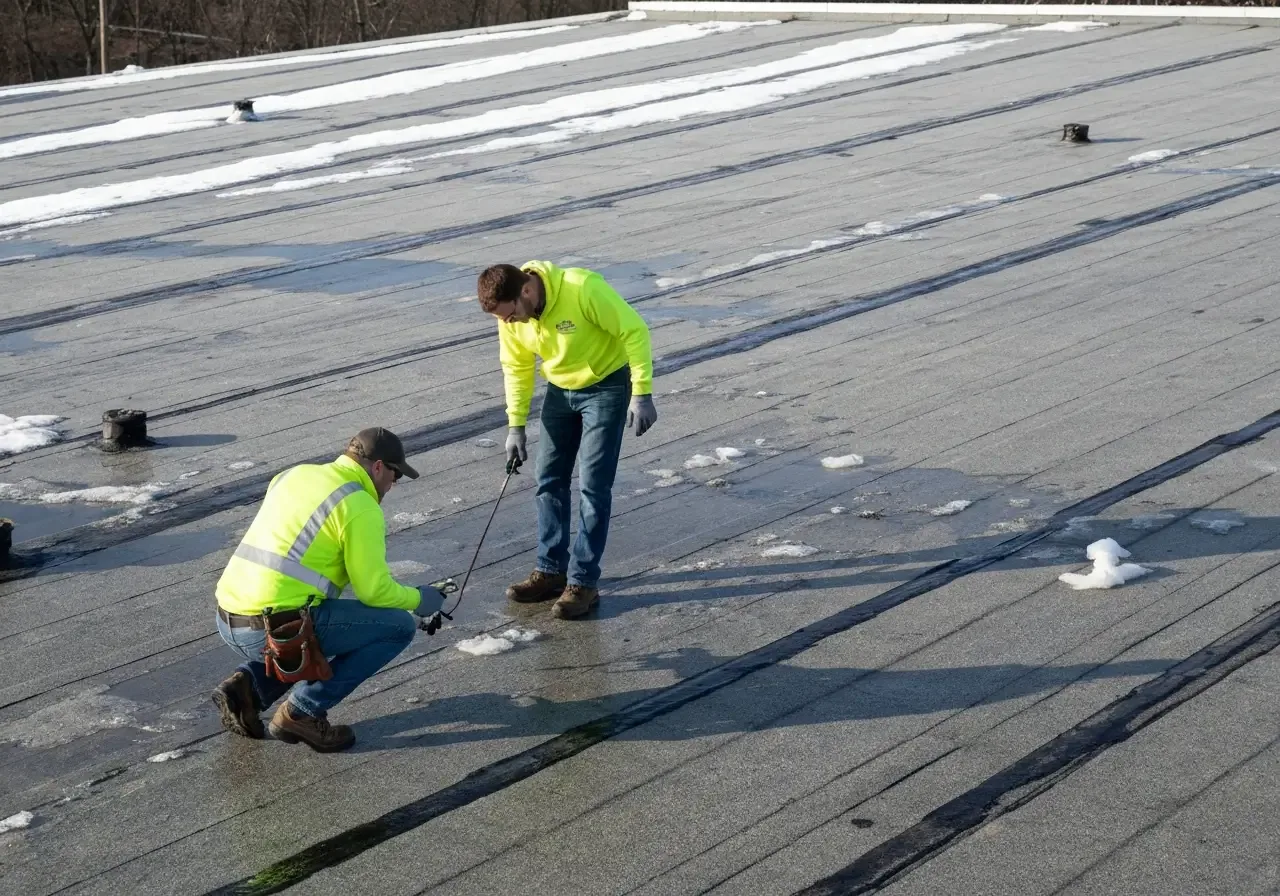
We first establish the accessible roof assembly and the maintenance concerns already known to the owner. Existing inspection photographs, leakage records and completed repair details help identify locations deserving attention. A patched penetration that has remained stable requires a different response from one showing renewed separation. Comparing the actual detail with the earlier record prevents the same condition from being repeatedly listed without deciding whether its repair remains satisfactory.
Where there is no usable baseline, a documented initial roof examination can establish the condition before a maintenance sequence is agreed. The scope identifies roof areas, drains, perimeter details and equipment access routes. Concealed layers are considered when an observed defect makes their condition relevant. Maintenance cannot establish the soundness of material hidden below an intact surface, so a suspect area receives an investigation recommendation tied to the decision it could change.
Outlet care has defined limits
Loose debris around drains and scuppers can obstruct a drainage path that otherwise remains serviceable. We remove appropriate accessible debris and inspect the inlet, surrounding waterproofing and visible outlet components. Photographs show the condition before and after the work. Material is collected rather than swept toward another roof opening, and the cleaning method accounts for the membrane and any protective surfaces present at the location.
Repeated accumulation can point to a particular tree exposure, traffic pattern or roof geometry. The maintenance record identifies that recurrence so the owner can consider a more suitable visit sequence or related action. Where an outlet remains ineffective after cleaning, drain and scupper assessment examines the connection and surrounding levels. A clear inlet does not correct a damaged drain body, a raised outlet or a depression retaining water elsewhere on the roof.
Hawaii’s heavier rainfall generally occurs during winter storms between October and April. Preparing known drainage locations before that period can be a sensible operating priority, while the actual timing depends on observed conditions and building needs. An obstructed outlet warrants attention when found. We do not defer a current drainage problem merely because a seasonal visit is scheduled, and the owner receives a specific explanation when another trade must investigate piping below the roof.
Small defects receive material decisions
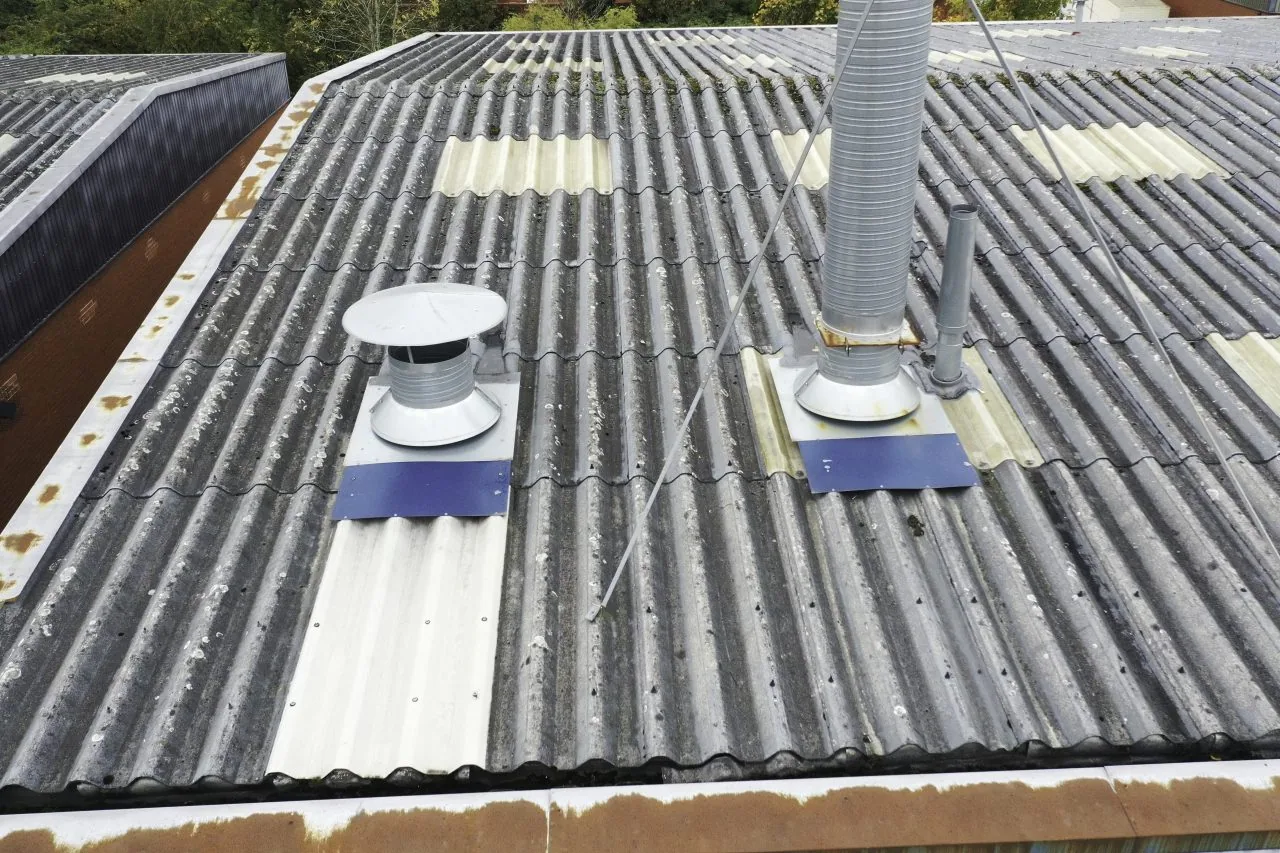
Termination bars, counterflashings and penetration seals are examined for movement, separation and loss of weather protection. Some accessible sealant joints can receive maintenance where the substrate remains suitable and the detail is otherwise sound. Preparation includes removing failed material as required and using a compatible replacement. Applying another bead over a displaced flashing can conceal the defect without restoring the connection, so that condition is recorded for reconstruction rather than routine resealing.
Membrane seams and repair edges require attention suited to their material. On a TPO roof assembly, a suspect welded connection needs examination and an appropriate welded repair where conditions permit. A coating roof has different cleaning and reinforcement requirements. We distinguish surface contamination from damaged waterproofing and identify any uncertainty about the existing product before choosing material for a repair. The maintenance record describes the work actually completed rather than call every intervention a touch-up.
Metal edges also deserve a close look at attachment, joints and interaction with adjacent roofing. A loose component may require more than tightening an accessible fastener if its backing or connection has deteriorated. Northeasterly trade winds are part of Hawaii’s weather context, but the corrective action comes from the observed detail. When perimeter metal repairs are indicated, the scope identifies the affected components and the supporting condition that must be established before closure.
Roof access leaves a record
Equipment servicing can create recurring wear near access points, work areas and frequently crossed seams. We examine those routes and record punctures, displaced protection or materials left behind. Suitable walkway protection can help define where personnel should travel, while coordination with equipment contractors can address how tools and removed components are handled. Protection is selected for the assembly and anticipated traffic rather than placed over a damaged surface that still needs repair.
Owners of occupied office buildings may need maintenance arranged around roof access permissions, mechanical servicing and activities below a planned opening. We agree which work can proceed during the visit and which requires separate authorization. If wet material or damaged support is exposed, the condition is photographed and a closure or repair decision is obtained. The distinction keeps a maintenance allowance from becoming an undefined removal project while allowing a necessary roofing response to be considered promptly.
Each visit informs the next
The completed record identifies locations, observations and work performed, together with outstanding items and their practical consequences. A recurring defect is compared with its previous repair rather than treated as a new isolated mark. Changes in equipment use or rooftop access are included where they affect the roofing. For buildings in Ala Moana’s mixed-use area, that information can help owners coordinate roof work with several operating requirements without assuming every building has the same access arrangement.
Maintenance findings also support roof condition tracking over time. A steadily increasing repair burden may justify a broader assembly assessment, while a stable roof can continue to receive targeted care. We explain the finding that supports either course. Owners retain photographs of completed work and a list of unresolved actions, giving the next visit a clear starting point and allowing a capital decision to rest on recorded changes rather than the date of the last service alone.
Commercial Roofing Questions
What determines the work included in a maintenance visit?
The existing assembly, known defects and agreed access define the tasks. We distinguish cleaning and serviceable-detail care from repairs requiring separate investigation, material selection or removal authorization.
Does clearing a drain resolve water remaining on the roof?
It can remove an obstruction at the inlet. Water retained after cleaning requires examination of roof levels, outlet condition and the drainage path before a corrective scope is chosen.
Which records help evaluate a recurring flashing problem?
Earlier photographs, repair descriptions and observations during leakage help establish whether the same connection has changed. We compare those records with the accessible detail before recommending another intervention.
May equipment contractors continue using the roof between visits?
Their access can be coordinated with the roofing requirements. Defined routes, compatible protection and removal of service debris help preserve the assembly, while new damage should be recorded when discovered.
When should maintenance findings lead to a replacement assessment?
Distributed deterioration, recurring failures or suspected damage below the surface can justify a broader assessment. The recommendation should identify the condition and the additional evidence needed for a capital decision.
Establish useful roof care
Arrange preventive maintenance with Commercial Roofers Honolulu and define the roof areas, operating needs and records required to manage the next decision.
Tell Us About Your Roof
We will follow up to set up a time to walk the roof.

Request a Roof Assessment
Tell us about the building and what you are seeing. We will follow up to set up a time to walk the roof.