
Classroom schedules give a school roof project an operating boundary that must be established before removal begins. Commercial Roofers Honolulu assesses school roofing in Honolulu, HI, with learning spaces, shared equipment and construction access considered alongside the assembly. Manoa includes educational buildings, while Mililani includes schools and community uses. We examine the actual roof and define work stages for the owner’s review, allowing the responsible school team to coordinate restrictions and timing without assuming that an available calendar interval can accommodate every roofing operation.
A school may contain classrooms, administrative rooms and shared activity spaces below different roof areas. Their use can change during a project, making the construction boundary and communication process important. We explain the investigation, material handling and closure needed for each proposed stage. The owner establishes the relevant operating restrictions, and the roofing plan identifies how it will work within them. This gives the school a practical sequence rather than a general assurance that the roof can be renewed while ordinary activity continues everywhere.
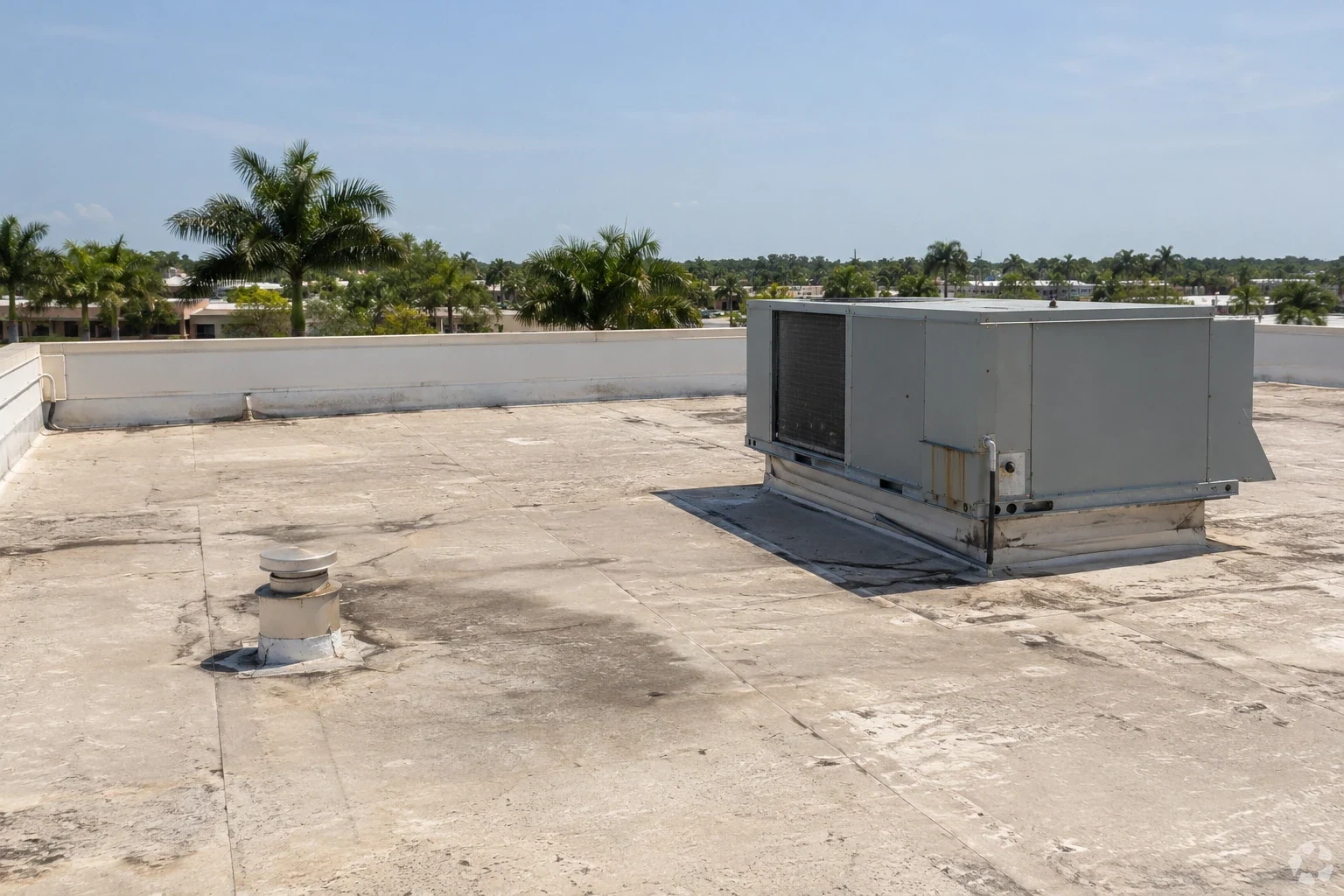
The schedule follows the actual work
A calendar window is useful only when it accounts for preparation, removal, concealed repairs and final detail work. We examine the scope before relating it to the school’s available periods. A project involving wet material or equipment changes may require a different sequence from a local membrane repair. The proposal identifies the stages and dependencies so the owner can review timing on a construction basis rather than an area estimate alone.
Construction routes and staging areas are agreed with the responsible school parties. Student, staff and visitor access can affect where materials are delivered and debris is removed. The work plan identifies restrictions below roof edges and planned openings. If the available route is unsuitable for the proposed operation, an alternative arrangement or timing needs to be resolved before work begins, preserving a clear boundary between roofing access and school-controlled circulation.
The findings separate local repair from renewal
A school roof condition examination records accessible material and details with recognizable locations. Earlier leaks and repairs help identify areas needing closer attention. We assess the adjoining roof rather than assign the same response to every defect. A local puncture in otherwise suitable material can require a different scope from distributed deterioration or recurring failures at several connections.
Interior observations are related to roof features before a repair is selected. Water may travel before becoming visible in a classroom or another room. Investigation of classroom water entry establishes the relevant path where it remains uncertain. The permitted examination and any selective opening are planned with their purpose and closure clear, allowing the owner to authorize the step needed for an evidence-based repair boundary.
Separate buildings or additions may contain different assemblies. Records and direct findings establish those variations where retention or removal depends on them. Confirmed wet insulation, deteriorated backing or supporting concerns receive an appropriate scope and qualified coordination where required. A surface repair should not be presented as renewal of concealed layers it does not address. The owner receives that distinction before comparing current repairs with a broader roof project.
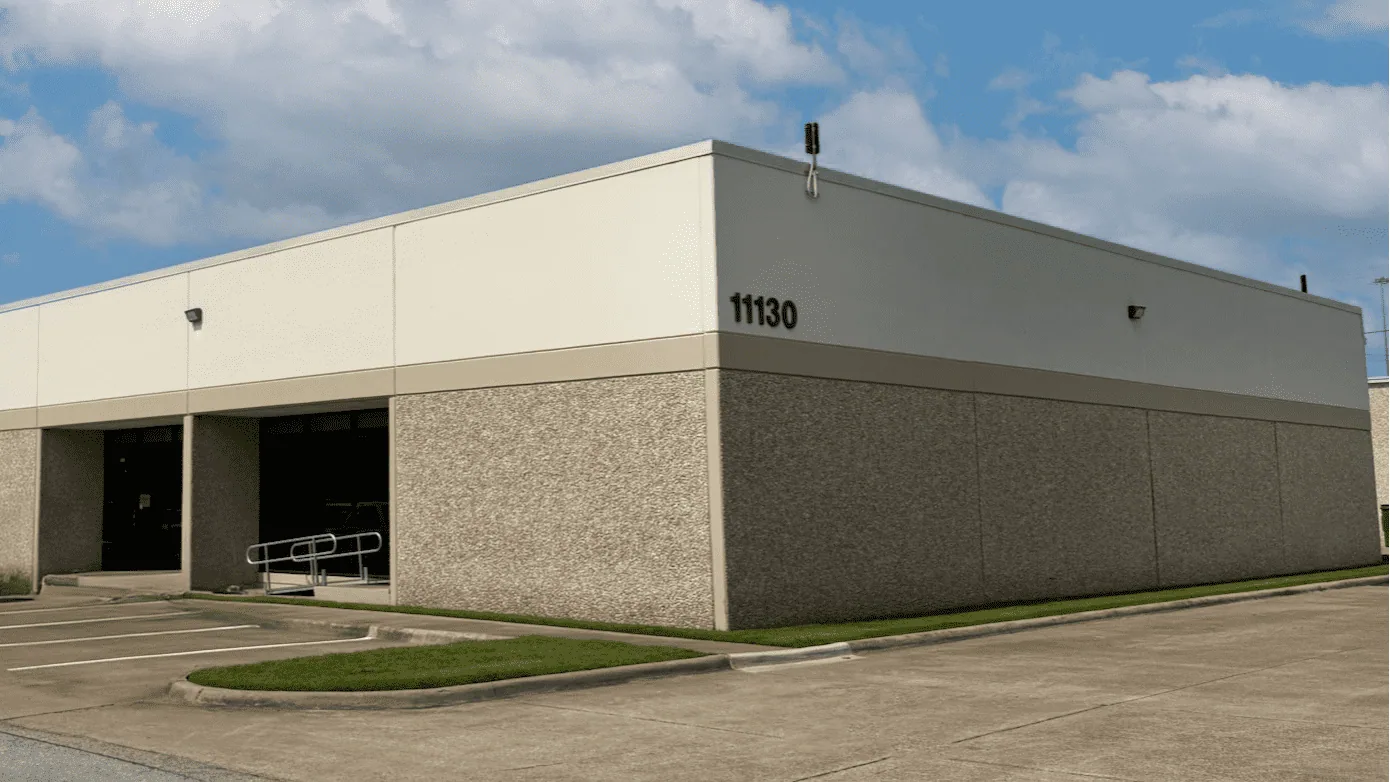
The selected roof includes shared details
A modified bitumen school roof option includes its ply arrangement, substrate and application method. Other appropriate systems have distinct construction requirements. We describe the proposed operation so the school’s responsible parties can review its implications for occupied use. Material selection is connected to actual findings and project criteria rather than an unsupported assertion that one roof type is standard for every educational building.
Curbs, service penetrations and wall terminations are coordinated with the selected layers. Added thickness can change the height available for flashing and the relationship to outlets. Equipment work may need a responsible trade’s stage before roofing closure proceeds. The proposal identifies those connections before the field is installed, avoiding a new surface that still depends on an undefined adjustment to a component already known to require modification.
College building roof planning and public-building roofing coordination can involve other project and operating processes. The school plan uses the actual requirements established by its owner. Where public procurement, authorization or documentation procedures apply, the roofing scope is coordinated through the responsible project parties rather than assume a general educational category establishes one approval route.
Openings have a daily closure plan
Phased school reroofing sets boundaries according to roof geometry, detail work and the ability to close the opened assembly appropriately. The sequence accounts for areas below removal and the protection required if a concealed finding changes the planned scope. The crew should not open more material solely because a calendar target calls for it when repair time or conditions have reduced closure capacity.
Hawaii’s heavier winter rainfall matters when work periods expose occupied educational spaces. We assess the actual interval available for removal and protection, identifying temporary transitions if a stage must stop. Those boundaries are recorded and later completed according to the final system requirements. The owner can then distinguish permanently finished roofing from a protected construction area when coordinating room use or the next project stage.
Completed areas also need protection from known follow-up work. Equipment servicing and other trades’ routes are considered before roof acceptance. We identify where suitable access protection is required and which connections must remain undisturbed. This helps the school maintain the new assembly during continued use, rather than let a recently completed roof become damaged by an operation that was already expected during project planning.
The owner retains the construction and location record
Schools coordinating work in the Manoa area receive relevant opened-layer findings and final detail photographs with the completed scope. Authorized changes remain in the record, including any difference between roof areas. Outstanding interfaces are identified. Future personnel can then relate a roof observation to known construction rather than assume all educational roofs share the layers or materials found at one building.
School roof capital planning can use subsequent condition findings alongside that construction account. Recurring repairs, new equipment and changes in space use provide context for the next assessment. We identify care requirements appropriate to the installed system and the next action supported by current conditions. The owner retains a useful basis for coordinating educational activity with both immediate weather-protection work and future expenditure decisions.
Commercial Roofing Questions
What should be established before choosing a school work period?
The actual removal, detail and equipment scope needs review with the owner’s available calendar. Concealed repairs and closure requirements can affect whether a proposed interval supports the complete operation.
Who defines student and staff access restrictions?
The responsible school parties establish their operating requirements. We identify construction routes, openings and areas below the work so the proposed roofing stage can be coordinated appropriately.
Can one roof assessment be applied to every school building?
Different buildings or additions may contain different assemblies. Their findings remain location-specific where construction variation affects retention, material selection or the scope of replacement work.
Why describe the installation method before approving occupancy?
Application and removal activities can change the restrictions needed below the work. Describing those stages lets the owner review access, protection and scheduling with the responsible school team, including any equipment task that must occur before final roofing closure.
Which records help plan the next educational building roof project?
Located assembly findings, completed details and accepted changes establish a useful starting point. Current condition and the next proposed use are still examined before another opening or alteration is authorized.
Establish school roof stages before scheduling
Assess school roofing with Commercial Roofers Honolulu to connect material findings, educational-use requirements and the phased closure needed for the proposed project.
Tell Us About Your Roof
We will follow up to set up a time to walk the roof.

Request a Roof Assessment
Tell us about the building and what you are seeing. We will follow up to set up a time to walk the roof.