
A mixed-use building owner needs a reroofing sequence that accounts for opening the roof above people and active premises. Commercial Roofers Honolulu plans occupied-building reroofing in Honolulu, HI, with removal limits, protection and operating coordination included in the construction scope. Ala Moana combines commercial, retail and residential uses, while Waikiki includes resort hotels, older hotel buildings, shops and visitor amenities. The sequence follows the actual uses below each roof area. We establish what can remain open, what needs restriction and how the assembly will be closed before the next work stage begins.
Continued occupancy does not mean every operation can proceed unchanged through all roof work. Some locations may need temporary restrictions, equipment shutdown coordination or a different removal sequence. Those decisions should be made with the owner before construction rather than discovered after layers are exposed. We connect the operating plan to the roofing method and record the protection required, giving the owner a practical basis for coordinating the work with tenants and building personnel.
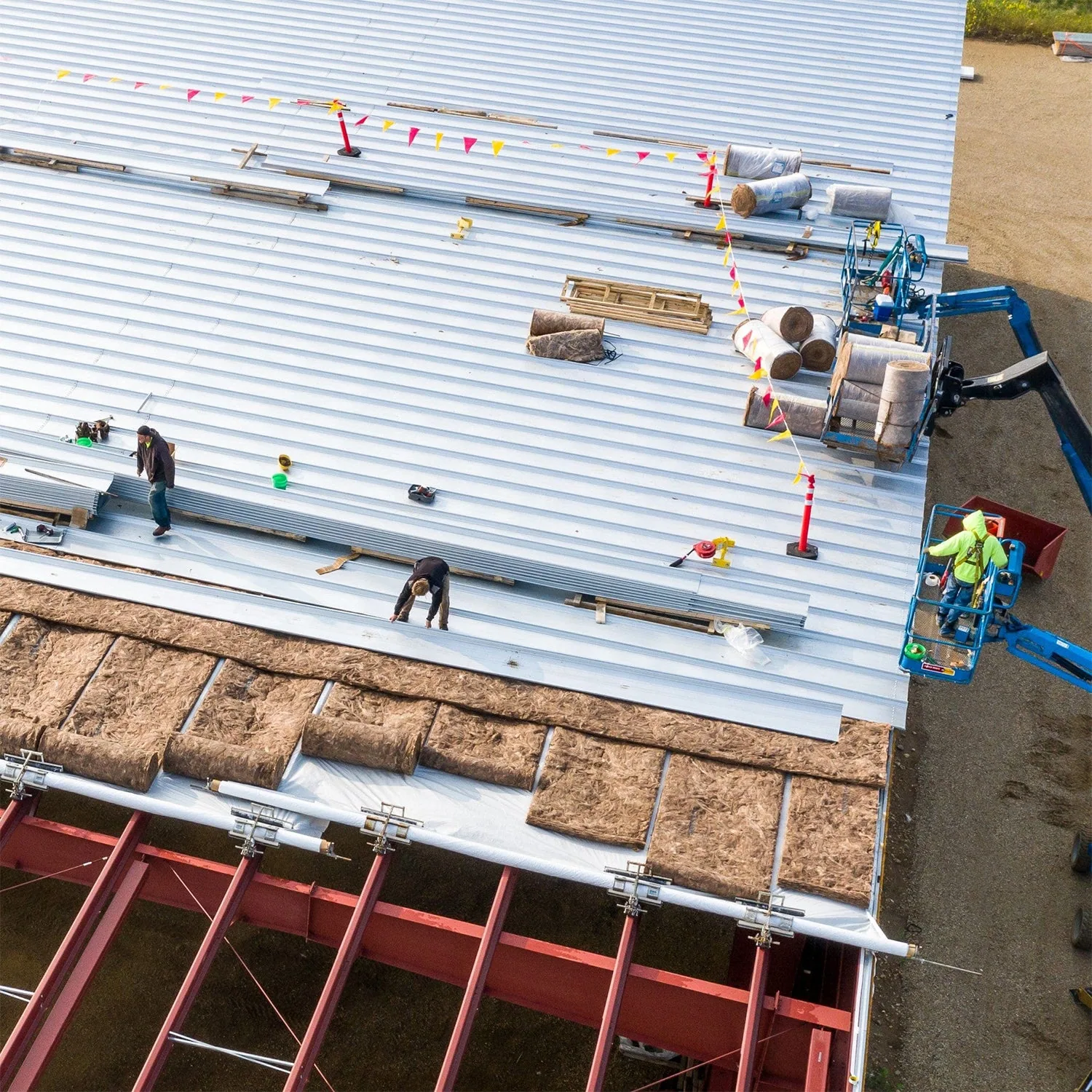
The roof scope informs the operating plan
The existing assembly and proposed work determine how much of the roof must be opened. A replacement involving damaged concealed layers creates different operating questions from a project retaining suitable material. We examine the accessible condition and establish removal requirements before agreeing the sequence. A defined replacement scope identifies layers, details and investigation needs so the operating plan is based on the work expected rather than a general promise to minimize interruption.
Where the owner is considering retention, a roof recover assessment examines eligibility and the implications for height, attachment and details. A smaller removal operation does not by itself establish that retention is appropriate. Confirmed wet material, unsuitable connections or broader deterioration may change the roofing decision. We explain those findings early, allowing occupancy requirements to inform the execution plan without substituting for the assembly assessment.
Available interior information helps connect roof work to occupied use. Equipment rooms, tenant premises and sensitive operations can require different coordination. We locate the relevant areas below proposed openings and discuss access or restrictions with the owner. The plan also identifies which concerns need another responsible party’s input. A roofing proposal should describe its own protection and sequence while preserving the owner’s role in deciding how building operations will be managed.
Removal areas have a closure boundary
A phased operation limits the area exposed at one time, but that limit must suit the roof geometry and construction method. We consider the work required to reach a suitable daily termination and the time needed for concealed repairs. The boundary should allow the crew to protect retained material and close the opened assembly appropriately. A roof divided only into equal drawing areas may not account for drains, equipment or details that control where a safe construction break can occur.
Hawaii’s heavier rainfall generally comes from winter storms between October and April. Weather-window decisions therefore remain important when replacement exposes occupied areas. We assess conditions for the planned operation and identify protection if the sequence is interrupted. Material deliveries and removal quantities are coordinated with closure capacity. The work plan needs room to respond to an unexpected concealed condition without treating the scheduled area as an obligation to remove more roofing than can be protected.
Temporary connections between new and retained work receive a defined method. They need to protect the assembly until the next phase and then permit the final system to be completed appropriately. We record their locations and any limitations relevant to the owner. Temporary protection is not accepted as permanent closure merely because the building remained dry during a work interval; its replacement or incorporation follows the requirements of the completed roofing detail.
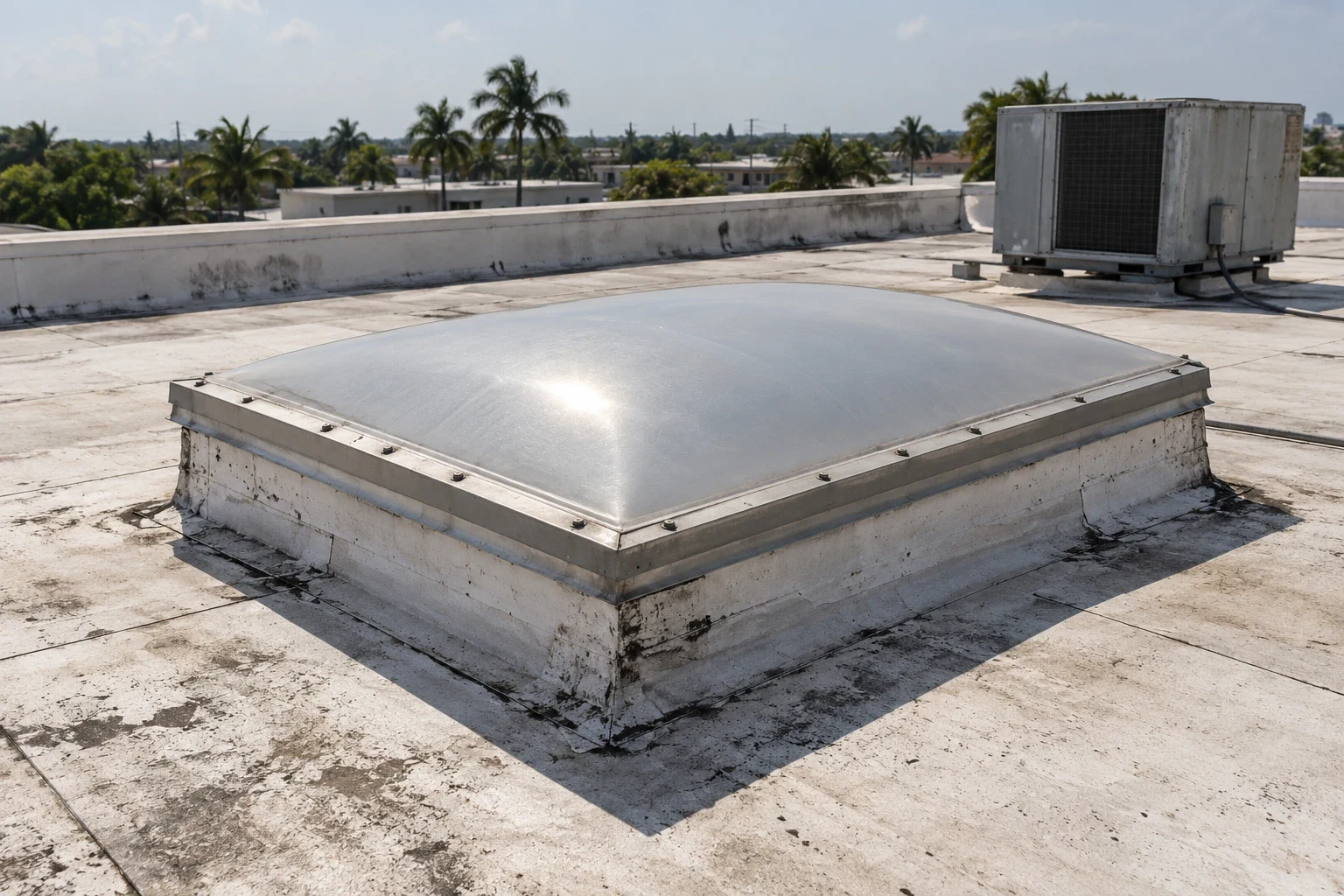
Access routes protect several users
Roof access, material staging and debris removal need coordination with routes used by tenants, staff and visitors. We agree the construction areas and identify where restrictions or protection are required below the work. Removed material is controlled rather than placed where it can obstruct building activity or damage retained roofing. The owner’s communication process identifies who receives changes to the work boundary and when a restricted area can return to its agreed use.
For occupied hotel roof replacement, rooms and operating equipment below an opening may require a particular sequence. For apartment reroofing work, resident access and shared building services create other coordination needs. We discuss the actual premises and equipment affected rather than transfer one occupancy plan between those uses. Where work causes noise, debris or a need to restrict an area, the relevant construction stage is identified so the owner can plan around it.
Equipment interfaces receive assigned stages
Rooftop equipment may need disconnection, lifting or curb modification before the roofing can be rebuilt. The responsible contractors establish their work and its timing with the roof sequence. Equipment and curb coordination identifies the waterproofing connection and the condition required before our work proceeds. A completed membrane should not then be disturbed by an equipment change that was known but left outside the original sequencing discussion.
The selected roof system affects installation activities and detail preparation. A new EPDM assembly has requirements distinct from a welded membrane or a coating operation. We consider those requirements with access, staging and building conditions. The owner receives a system-specific plan rather than a blanket assurance about odors or operating disruption. Any necessary restriction is explained through the work involved and the responsible parties’ coordination.
Concealed findings can also affect the sequence. Wet insulation, deteriorated deck or unsuitable backing may need additional work before the area is closed. We document the condition and present the changed scope for authorization. The immediate protection requirement is considered with that decision, keeping the occupied area below protected while the owner and relevant parties resolve the permanent repair. The change record remains connected to the completed assembly.
Daily and final records stay connected
The work record identifies completed areas, temporary boundaries and outstanding connections relevant to continued operation. The owner should know which roofing stages are complete and which remain under construction. Photographs of exposed conditions and installed layers preserve the basis for authorized changes. At final handover, temporary measures and remaining limitations are addressed explicitly so the operating record and construction scope describe the same completed roof.
Owners in Ala Moana’s mixed-use area can retain that information with future roof condition records. Equipment technicians and maintenance personnel then have a useful account of reconstructed details and areas requiring protection. The completed project should leave a traceable assembly and a clear statement of work performed, allowing later roof decisions to begin with known construction rather than recollections of how the building remained occupied during replacement.
Commercial Roofing Questions
Can every tenant area remain available throughout reroofing?
That depends on the work and conditions below it. We identify restrictions and protection needs with the owner before the relevant stage rather than assume continuous use is suitable everywhere.
What sets the size of a daily removal area?
Roof geometry, concealed work, available weather and closure requirements inform the boundary. The crew must be able to protect the opened assembly appropriately, including when an unexpected condition changes the planned work.
How are equipment shutdowns coordinated?
The responsible equipment contractor and owner establish the operating arrangements. We identify roofing stages that depend on their work and the connection required before permanent closure proceeds.
Does a recover project automatically avoid operating restrictions?
No. Retention may change removal needs, but detail work, equipment coordination and access can still affect occupancy. The assembly must first be suitable for the proposed recover scope.
Which information should be provided at the end of a phase?
The owner needs the completed area, remaining temporary connections and relevant restrictions. That record helps building personnel understand the current construction boundary until the next stage and final handover.
Connect roof work to occupied use
Plan occupied-building reroofing with Commercial Roofers Honolulu and establish the assembly scope, operating restrictions and phased closure sequence before removal begins.
Tell Us About Your Roof
We will follow up to set up a time to walk the roof.

Request a Roof Assessment
Tell us about the building and what you are seeing. We will follow up to set up a time to walk the roof.