
An office owner deciding whether to reopen a repaired roof area needs more than a photograph of its finished surface. The condition record should show what was removed, which supporting layers remained and the connection accepted when the repair closed. For commercial properties in Honolulu, HI, Commercial Roofers Honolulu organizes that history around identifiable roof areas and the decisions their condition requires. The record supports the next examination because it retains the work that a new covering will conceal.
Downtown Honolulu's office and civic uses create one operating context, while Waikiki's hotel uses create another. An asset-management record needs to preserve the actual access and protection requirements of the building, alongside its assembly findings. We connect those requirements with current defects, completed work and outstanding investigation so the owner can distinguish maintenance of a suitable roof from expenditure that still requires a better-defined scope.
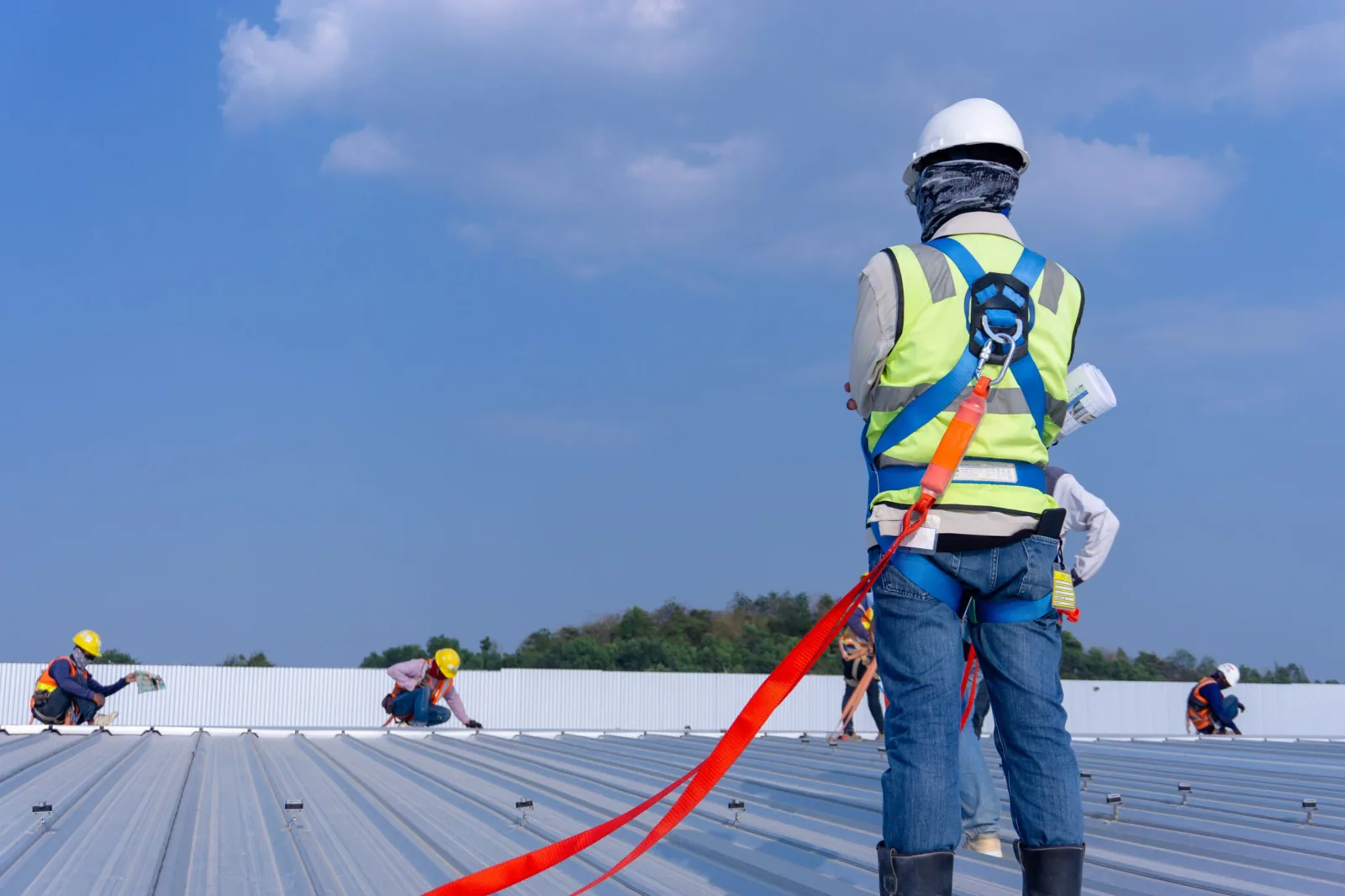
Roof boundaries remain identifiable
A property can contain several roof elevations, different coverings and additions that join older construction. We identify those areas before combining their findings into an ownership record. The distinction helps locate repairs and prevents one examined section from becoming the assumed condition of every roof on the property. Drainage routes and shared walls also belong in the area description because work on one section can affect the closure of another.
The record identifies the accessible assembly and the source of its construction history. Observed layers, available drawings and an owner's account of earlier work do not provide identical evidence. We retain that distinction and identify any opening needed before a concealed condition can be established. A located condition report then relates each finding to its roof area, with photographs that show both the defect and enough surrounding construction to make it recognizable during a later examination.
Shared drainage needs a record of its own. Water from an upper elevation can reach a lower roof, and an outlet serving more than one section can connect their maintenance needs. We identify those relationships where accessible so a proposed repair or later addition is reviewed against the receiving area. A blocked discharge can affect more than the section beside its inlet. The ownership record should distinguish that connection from a membrane defect and identify the examination needed when concealed piping or an inaccessible outlet prevents a complete account of the water path.
The initial examination establishes condition
A baseline begins with present construction rather than a presumed history. We examine accessible membrane, flashing, edges and drainage, then discuss interior water reports and equipment alterations with the owner. Defects requiring immediate work remain distinct from conditions suitable for observation. The useful baseline identifies the reason for that distinction and the examination needed where the retained assembly is not sufficiently known.
A hands-on roof inspection can establish visible connections and accessible material condition. Where concealed moisture could expand a repair, we explain the additional investigation and the protection needed for any opening. The record should not treat an unexamined layer as dry simply because the room below is currently usable. It identifies the known findings, the unanswered question and the action required to resolve it, giving the owner a specific basis for authorizing further work.
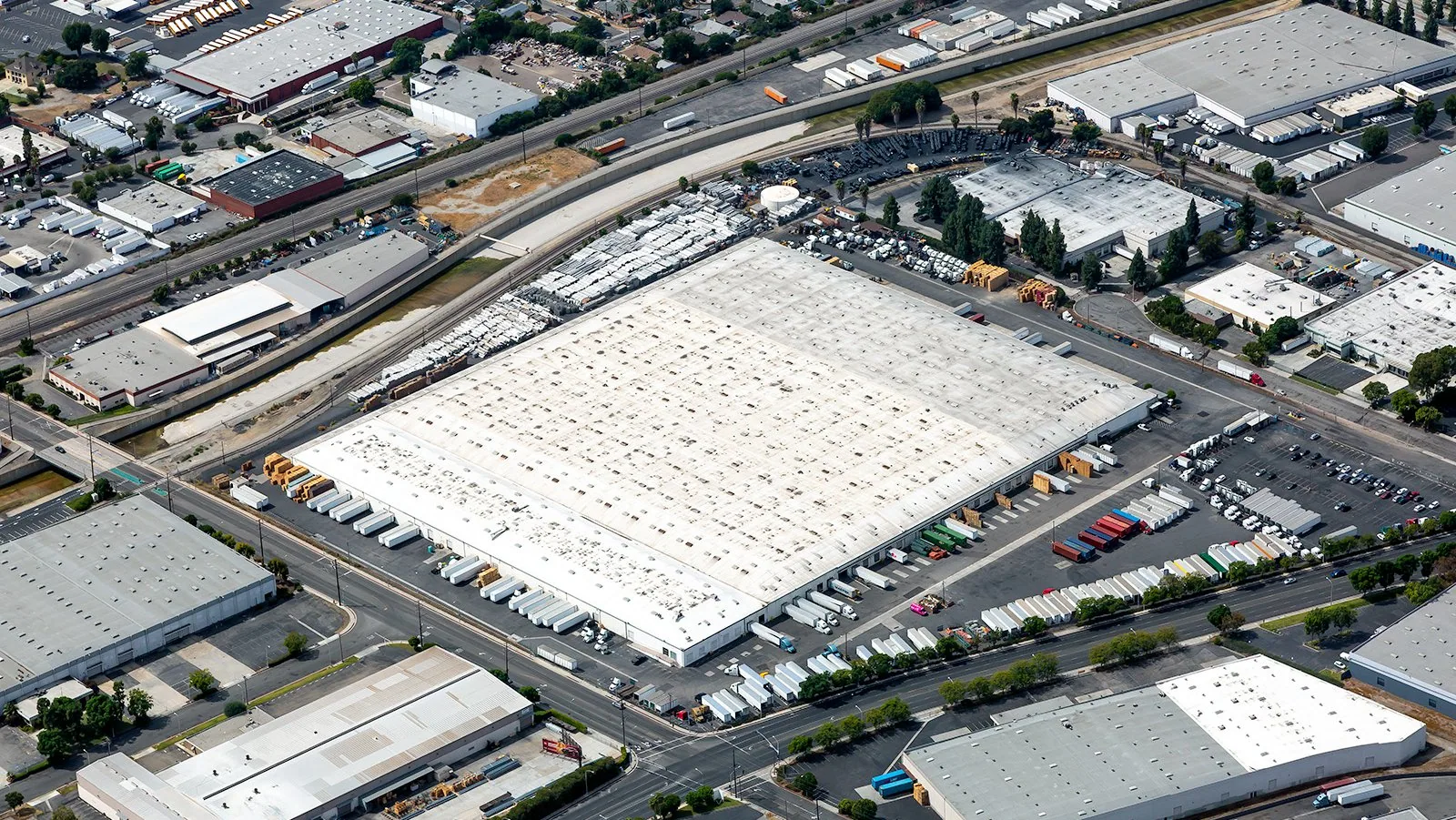
Occupied use belongs beside the defect
The same roof opening can have different consequences above an office, guest room or service area. We record the actual use below each proposed intervention and the arrangements needed to protect it. Access restrictions, sensitive equipment and delivery routes can influence the investigation and construction sequence. Keeping those conditions with the roof finding helps the owner schedule a workable response instead of transferring an instruction from another area without its operating limits.
For hotel roofing work, the owner may need coordination between maintenance staff, occupied rooms and roof access. The record identifies the agreed arrangements and any remaining decision before the work begins. That operating information does not establish the roof's material condition; the assembly examination does. We retain both kinds of evidence so a priority can reflect the defect and its consequence without allowing either one to obscure the other.
Accepted work changes the baseline
A permanent repair needs an entry describing its boundary, the construction removed and the waterproofing completed. Photographs of concealed preparation help identify what will no longer be visible after closure. We relate that entry to the initial finding and show which surrounding components remained outside the work. The next examination can then distinguish the accepted repair from retained material that still needs observation or further investigation.
A rebuilt flashing connection also needs its movement and support conditions recorded where those influenced the correction. Equipment alterations made later can affect the same interface. We discuss how the owner can identify new penetrations, changed curbs and roof traffic in the condition history, including any separate roofing work needed to close those changes. A completed repair should not become an undocumented starting point for the next trade's alteration.
Weather exposure creates follow-up decisions
Hawaii's heavier rain generally arrives with winter storms, and trade winds make temporary materials and exposed edges relevant to the work sequence. We relate significant weather and reported water entry to the roof areas affected. An event does not establish damage throughout the property, but it can provide a reason to examine a vulnerable connection or review an unfinished opening. The asset record retains the condition found and the action taken.
Properties in Downtown Honolulu and Waikiki need building-specific access for that follow-up. An examination after equipment work can be equally useful where the alteration changed a flashing or drain interface. We connect new findings with earlier photographs and repair entries before recommending another intervention. The comparison explains whether the accepted detail remains serviceable, another component has changed or further concealed-layer investigation is needed before the work boundary can be set.
The owner retains an actionable record
The record should show current condition, completed actions and decisions still awaiting authorization. We identify the next examination or repair and the basis for its priority. A roof capital plan can use that history to compare maintaining suitable construction with removal of deteriorated areas. It should preserve the uncertainty affecting that comparison instead of assigning a fixed replacement date from installation age alone.
A maintenance work sequence can keep drains and vulnerable details under observation while larger work is developed. We explain which findings require more than routine upkeep and identify the access needed to address them. The owner can then review outstanding roof decisions against a record of actual construction and accepted work. This connection matters when ownership, management or maintenance personnel change and the next person must act without having attended the earlier roof visit.
Commercial Roofing Questions
Can the record begin without an installation history?
Start with present roof areas and observed construction. Identify unknown layers and the examination needed to establish them, rather than assigning an unsupported history.
Does one repaired leak change the entire roof's status?
The repair changes its defined work area. Surrounding roofing retains its own condition and any unresolved questions; the accepted connection does not establish those layers.
What should stay with a completed work entry?
Retain the roof location, removal boundary, concealed findings and finished connection record. Those details distinguish accepted work from material left outside its scope.
When should a monitored item receive another examination?
New water entry, equipment changes or a material change can justify follow-up. We identify the finding that requires that response and the access needed to examine it.
Establish the roof condition record
Arrange an examination with Commercial Roofers Honolulu to identify roof areas, current findings and the work that needs an ownership decision.
Tell Us About Your Roof
We will follow up to set up a time to walk the roof.

Request a Roof Assessment
Tell us about the building and what you are seeing. We will follow up to set up a time to walk the roof.