
A property owner preparing a roof claim needs a reliable connection between the reported event, the observed damage and the work proposed. Commercial Roofers Honolulu provides roofing documentation and claim assistance in Honolulu, HI, by examining the assembly and recording findings within our roofing scope. Owners with retail buildings in Kapolei or office premises in Downtown Honolulu may face different operating interruptions, but each needs an account that another reviewer can follow. We document roof conditions, necessary protection and repair requirements without promising a coverage decision or payment outcome.
The claim record begins with a distinction between observation and conclusion. A photograph can show a displaced component, while the timing of that displacement may require earlier records and an event account. A repair estimate identifies work needed to restore the roofing, while policy coverage remains a separate determination. We keep those relationships clear so the owner can submit useful roofing information and authorize necessary protection without confusing a contractor’s assessment with the insurer’s decision.
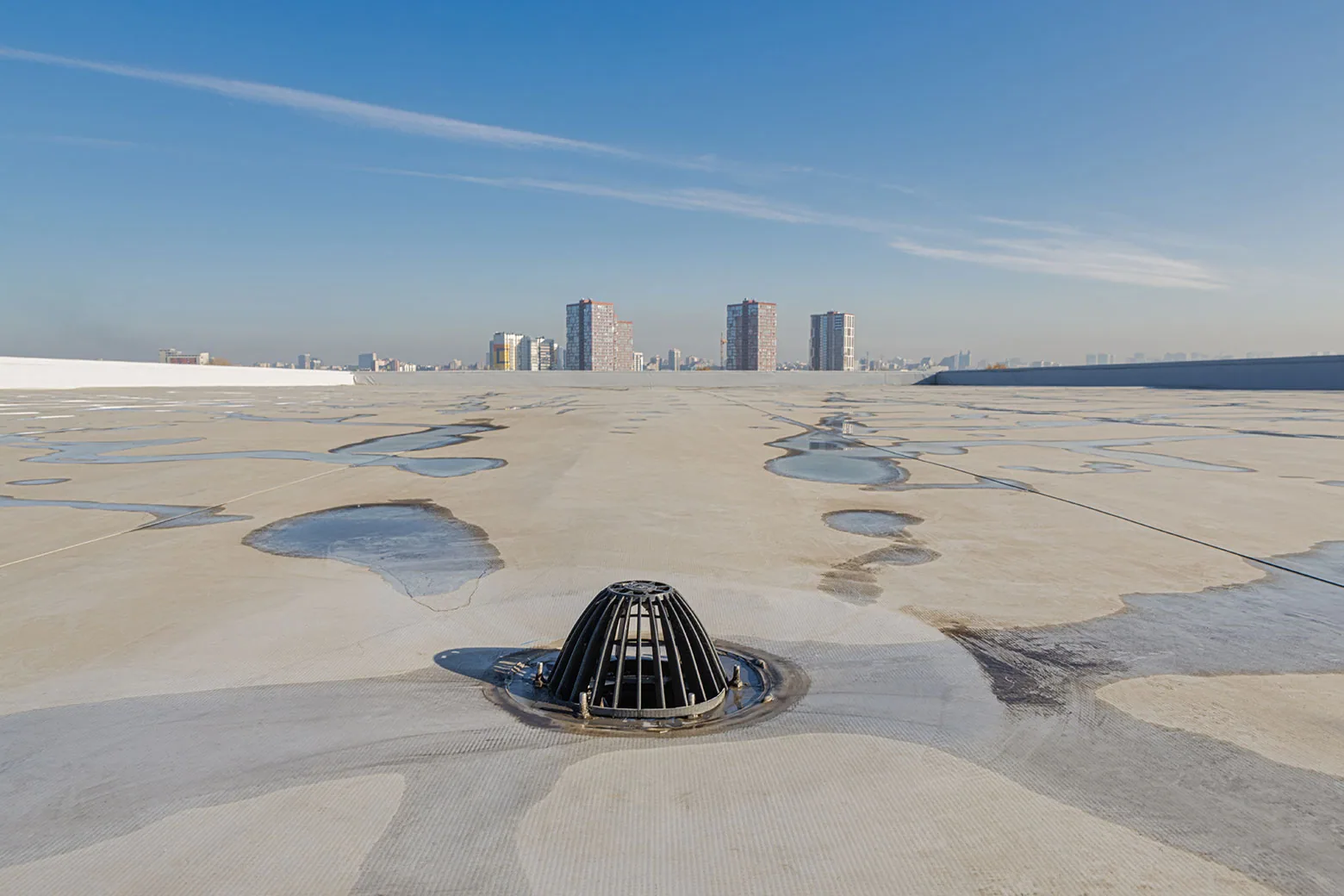
The account establishes a sequence
We ask the owner for the reported event date, locations of water entry and the sequence of measures already taken. Interior observations and equipment interruptions can help direct the roof examination. Available maintenance records, earlier photographs and repair invoices provide context for conditions found later. We preserve the source of an account in the working record, distinguishing an owner’s report from a condition directly examined during the roofing visit.
Where immediate weather protection is needed, emergency roofing work receives its own record. Photographs taken safely before and after the intervention show the affected area and the protection installed. Materials, work limits and remaining concerns are described. Temporary action can change the visible condition, so retaining that sequence helps explain why the later permanent repair examination does not show the roof exactly as it appeared when the opening was first discovered.
Photographs locate actual findings
A useful photo sequence includes an orientation view, the affected detail and close views showing its material condition. We identify the roof area and connection so a reviewer can relate the image to the repair scope. A close-up of a split with no location reference may be difficult to interpret. Where several similar details occur across a building, their distinct locations are retained rather than combined into an untraceable group of damage images.
Accessible adjoining roofing is also examined. The record identifies whether damage appears limited to a particular component or whether neighboring seams, attachments or layers need further investigation. A hands-on condition examination can establish the roofing observations needed for that comparison. Areas not reached remain explicit. Their condition is not inferred from a nearby photograph, and a broad image is not presented as proof of a concealed connection.
Hawaii’s heavier winter rainfall and persistent northeasterly trade winds are relevant local conditions, but they do not establish the cause of an individual roof defect. We describe the roof evidence and the reported event without assigning an unsupported wind speed, rainfall amount or damage date. If causation remains uncertain, the record explains the question and the available basis for further review. Necessary roofing work can still be identified from the condition encountered.
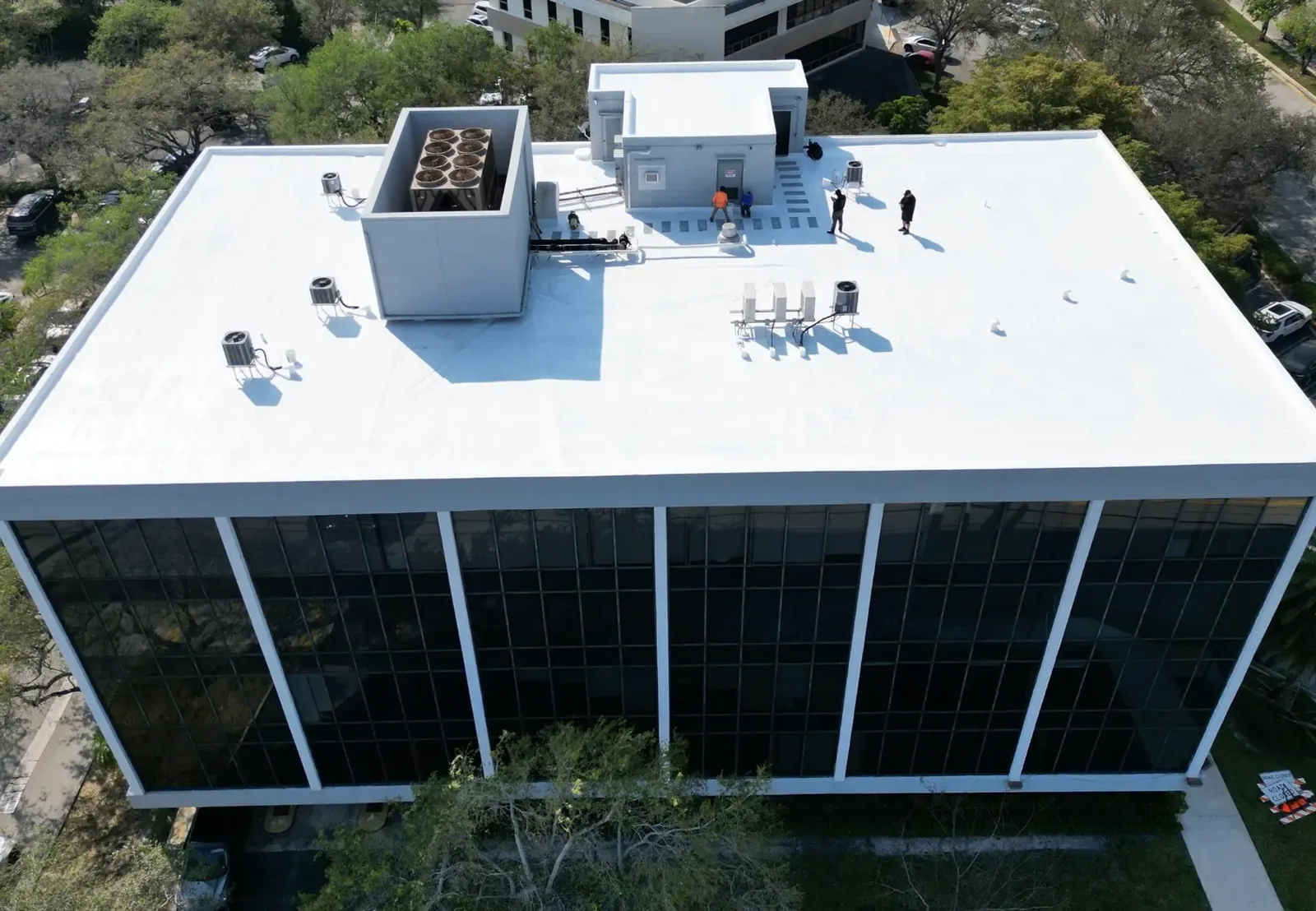
Concealed work needs supporting records
A surface breach can expose insulation and supporting material to water. Where their condition affects repair limits, we explain the investigation needed and record selective openings. An infrared moisture assessment may assist with suitable assemblies and conditions, while opened layers provide direct material findings. The report distinguishes a suspected area from confirmed wet or deteriorated material so the proposed removal does not depend on an unexplained assumption.
Opened-layer photographs identify the material sequence and the condition requiring action. We record the location and how the opening is closed after examination. If the assembly changes between roof areas, that difference is preserved in the scope. An estimate based on one opening should not silently extend its findings to a separate addition with different layers. Where further examination is necessary to establish quantities, the owner receives that requirement before the scope is treated as complete.
Supporting deck or connection damage can require another qualified party’s involvement. We identify the roofing consequence and the information needed for the repair without representing an unperformed structural assessment. The record should explain why a flashing reconstruction or insulation replacement cannot proceed independently of the support beneath it. This helps the owner coordinate the necessary work and provides a basis for describing related items in the repair proposal.
The estimate follows the damage record
A storm repair scope describes removal, retained material, replacement layers and closure details with locations or quantities appropriate to the work. Preparation, access and protection are included where they are necessary to execute that scope. We distinguish a repair restoring the affected assembly from an owner-requested improvement. That separation allows the reviewer to understand the proposed work without assuming that every line item has the same purpose or coverage status.
Product and connection requirements also affect the proposal. A repair to a PVC roof system needs compatible materials and suitable preparation, while displaced perimeter metal may require adjoining waterproofing work. We explain the technical basis for included work rather than reduce the estimate to surface area alone. If additional conditions are exposed during authorized removal, photographs and a revised description support the changed scope before those conditions are concealed.
The owner retains the decision trail
We can clarify roofing findings and scope details for the owner’s claim review, including questions about the proposed sequence or material connections. The insurer determines coverage under the policy, and the owner retains responsibility for authorizing roofing work. For property management organizations, a clear authorization record helps distinguish urgent protection from later permanent work across the parties involved. It also prevents an unresolved claim question from being mistaken for an approved construction change.
Owners with buildings in Kapolei’s retail and office areas can keep the examination, temporary work, estimate revisions and completion photographs together. The final record identifies repaired locations and any outstanding work beyond the completed contract. Future roof maintenance then has useful context independent of the claim outcome. We focus on a roofing account that remains traceable from finding to authorized scope to closure, allowing each decision to be reviewed with the evidence available at that stage.
Commercial Roofing Questions
Does roofing claim assistance determine insurer approval?
No. Coverage and payment depend on the policy and the insurer’s review. We provide roofing observations, photographs and scope explanations to support the owner’s submission and construction decisions.
Which earlier records are most useful for the examination?
Dated roof photographs, maintenance findings and completed repair descriptions help establish prior conditions. The reported event and interior observations provide Diligence Notes, with their origin kept clear in the record.
Should temporary protection be documented separately?
Yes. Its location, materials and limitations explain what changed before the permanent examination. Safe before-and-after photographs help preserve that sequence without requiring unsafe access during the event.
What happens when removal reveals additional damage?
We photograph the newly exposed condition and explain the revised roofing requirement. The changed scope is presented for authorization, preserving the relationship between the finding and the added work.
Can an owner request improvements during the repair?
An improvement can be considered separately from work addressing the documented damage. Its purpose and authorization should remain distinct so the roofing scope and claim submission can be understood accurately.
Build a traceable roofing record
Arrange roofing claim assistance with Commercial Roofers Honolulu to document findings, clarify repair requirements and retain a useful sequence of authorized work.
Tell Us About Your Roof
We will follow up to set up a time to walk the roof.

Request a Roof Assessment
Tell us about the building and what you are seeing. We will follow up to set up a time to walk the roof.