
A hotel operator recovering from a storm needs the damaged roof area separated from rooms and equipment that can continue operating safely. Commercial Roofers Honolulu examines storm-related roofing damage in Honolulu, HI, and records the conditions supporting temporary protection and permanent repair. Waikiki’s hotel buildings and the commercial buildings of Downtown Honolulu can present different access and occupancy requirements. We establish the affected roof locations, examine adjoining details and identify concealed questions before defining work that restores the assembly rather than merely covers the most conspicuous damage.
The owner’s initial account helps establish what happened during the weather event: where water appeared, when an interruption began and whether equipment or roof components moved. We compare that account with accessible findings and available earlier records. Damage timing and repair needs are related questions, but they require their own evidence. A current defect receives an appropriate response without assuming that every condition discovered after a storm was created by that event.
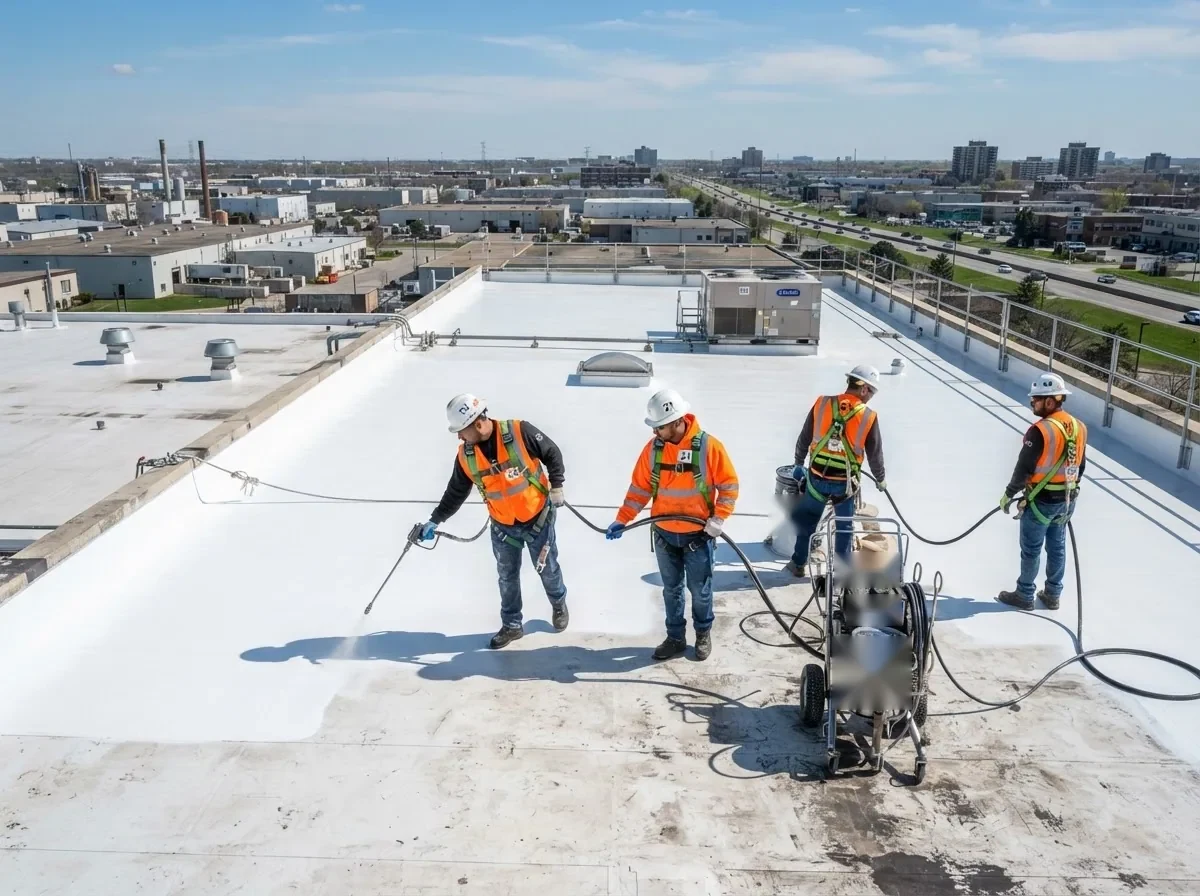
Access precedes the damage survey
A roof with displaced metal, loose materials or compromised access requires a considered examination sequence. We evaluate the available route and identify hazards affecting roofing work. Electrical, structural or equipment concerns may require another qualified party before an area can be entered or opened. The owner receives a description of the access restriction and the action needed to proceed, rather than a roof assessment that silently excludes the affected portion.
Where an active opening threatens occupied use, urgent roof protection can be considered before the complete repair scope is known. The temporary work is documented with its coverage and limitations. A closure installed under constrained conditions needs a subsequent examination to establish the permanent connection. We record how exposed layers and adjoining roofing have been protected, preserving a clear boundary between immediate weather protection and the completed storm repair.
The affected area receives boundaries
Damage may be concentrated at a perimeter, penetration or detached component, yet nearby roofing can also have moved. We inspect accessible adjacent seams, flashings and attachment details to establish the repair boundary. Membrane distortion, pulled connections and exposed reinforcement receive location photographs. On metal roofing, displaced panels or fasteners are considered with supporting components and the connections that permit movement. An isolated visible opening does not establish that the adjoining attachment remains suitable.
A roof image survey can provide useful orientation where a broad affected area is difficult to see from one accessible position. Detailed examination still addresses the connections and material condition needed for repair. We relate photographs to recognizable roof features, allowing the owner to locate both the damaged component and the neighboring areas examined. Image coverage and inaccessible details are identified separately so a wider view is not mistaken for confirmation of every concealed fastening point.
Hawaii’s heaviest rain generally comes from winter storms between October and April, while severe storms and hurricanes are possible even though they are uncommon. Those facts support preparation and a suitable repair sequence; the damage record remains specific to the building and event. We describe observed displacement, water entry and material condition without assigning a weather intensity that was not established. The repair proposal follows the assembly findings and the work needed to restore its connections.
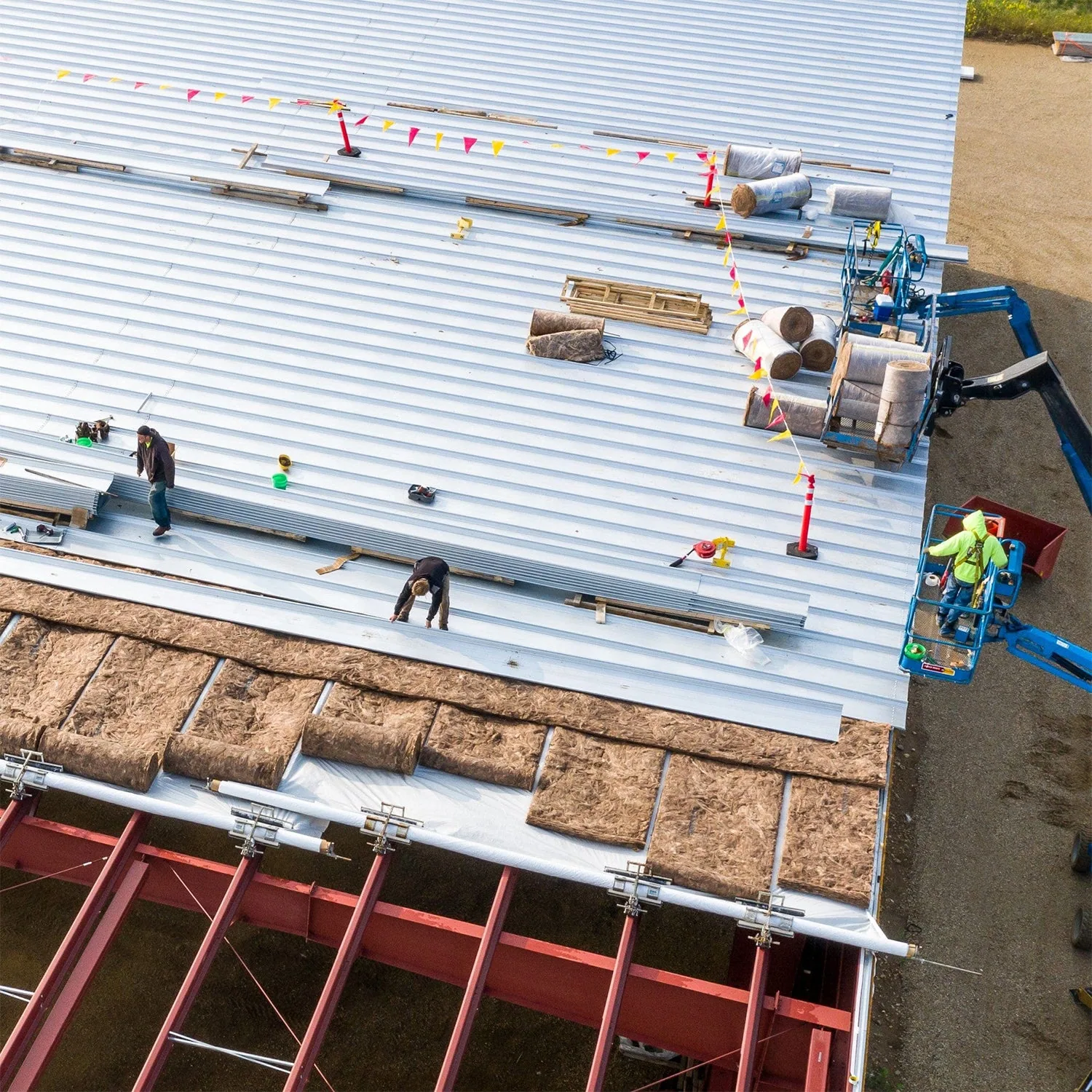
Water exposure changes removal limits
A breach can allow water into insulation or supporting material beyond the visible opening. Leakage history, accessible underside observations and selective roof openings help determine whether the concealed assembly requires removal. An appropriate moisture survey may assist in locating suspect areas when the assembly and conditions support it. Findings are confirmed where needed for the repair decision, with openings closed suitably after the material condition has been recorded.
Removal limits should explain why material is taken out and how the new layers reconnect with retained roofing. We identify the insulation, cover board and supporting conditions affecting that work. Material that appears dry at the surface can still require examination below; conversely, a stained interior finish does not establish the extent of wet roof insulation. The scope uses the available evidence to set a practical boundary and explains how an unexpected condition will be presented for authorization.
Openings also reveal details that may have contributed to the failure, including unsupported transitions or deteriorated backing. Repairing the exposed weathering surface alone can leave that connection unresolved. We photograph the supporting condition and identify the roofing work and any additional trade involvement required. Before the detail is concealed again, the owner should have a record showing the condition encountered and the material or support provided for the permanent closure.
The connection determines the repair
A repair to a standing seam metal assembly must consider panel geometry, attachment and movement as well as the weathering connection. Replacement components need to work with retained panels and details. On a membrane roof, the material and its current condition determine how a new patch or reconstructed flashing can be joined. We assess compatibility and preparation rather than use one repair method across unrelated assemblies.
Perimeter damage can require rebuilding the waterproofing transition along with edge metal and coping work. Drainage components may also need attention if debris or displacement has affected flow. We identify those connections in the scope and sequence their repair so completed roofing is not later disturbed by unresolved adjacent work. An owner can then review the permanent detail as a connected assembly rather than approve separate items whose interfaces remain undefined.
Completion preserves the event record
For hotel roofing work, the repair sequence accounts for occupied rooms, equipment serving them and controlled roof access. We identify the areas that can be opened during a weather window and the protection required before work stops. Material deliveries and removal routes are coordinated with operating needs. Conditions that require an area below to be restricted are communicated through the owner’s agreed process, keeping the roofing scope connected to the consequences of its execution.
The handover includes photographs of damage, relevant concealed findings and completed repair connections. Owners in Waikiki’s hotel district can retain that sequence for maintenance and any separate claim review. We identify temporary measures replaced by permanent work and outstanding actions outside the completed scope. Acceptance rests on the defined closure and material requirements, leaving a usable account of what was repaired and what the examination established about the neighboring roof.
Commercial Roofing Questions
What should an owner record before roof access is possible?
The location and timing of interior water entry, photographs taken safely and any observed equipment or component movement are useful. Roof access should wait until the relevant hazards can be assessed.
Are all defects found after a storm treated as storm damage?
Their timing and cause need evidence. We document current conditions and compare available earlier records, while defining the roofing response needed regardless of a separate causation or coverage determination.
How is a temporary closure distinguished from permanent work?
Its location, materials and limitations are recorded. The permanent repair is defined after examination of the affected assembly and the connections needed to restore weather protection.
Could a small opening require a larger removal area?
Water exposure or damaged support can extend beyond the visible breach. Investigation establishes the material condition supporting removal limits and the connection to retained roofing.
Which photographs should remain with the completed repair record?
Keep the original damage views, relevant opened-layer findings and closure photographs. Their location references help future maintenance personnel understand the repair and the conditions established during the work.
Define the storm repair boundary
Contact Commercial Roofers Honolulu to assess safe roof access, document the affected assembly and establish the temporary and permanent roofing actions required.
Tell Us About Your Roof
We will follow up to set up a time to walk the roof.

Request a Roof Assessment
Tell us about the building and what you are seeing. We will follow up to set up a time to walk the roof.