
After strong wind, a loose edge, displaced metal, or new interior leak needs a roof-level examination before a repair boundary is chosen. Hawaii has persistent northeasterly trade winds, so exposed perimeters and transitions deserve attention even when no named storm is involved. We inspect the affected area, photograph the membrane, coping, flashing, equipment supports, and penetrations, then compare those observations with the reported interior condition. Downtown Honolulu combines modern and historic commercial buildings, while the harbor-side industrial uses near Iwilei have different access and roof layouts. Those differences matter to staging, but the roof itself determines the repair. We record what is visibly displaced, what remains secure, and where a selective opening would clarify concealed materials. If water is entering now, a crew can respond around the clock, holidays included, and document temporary protection separately from the permanent repair.
Start at the exposed edge
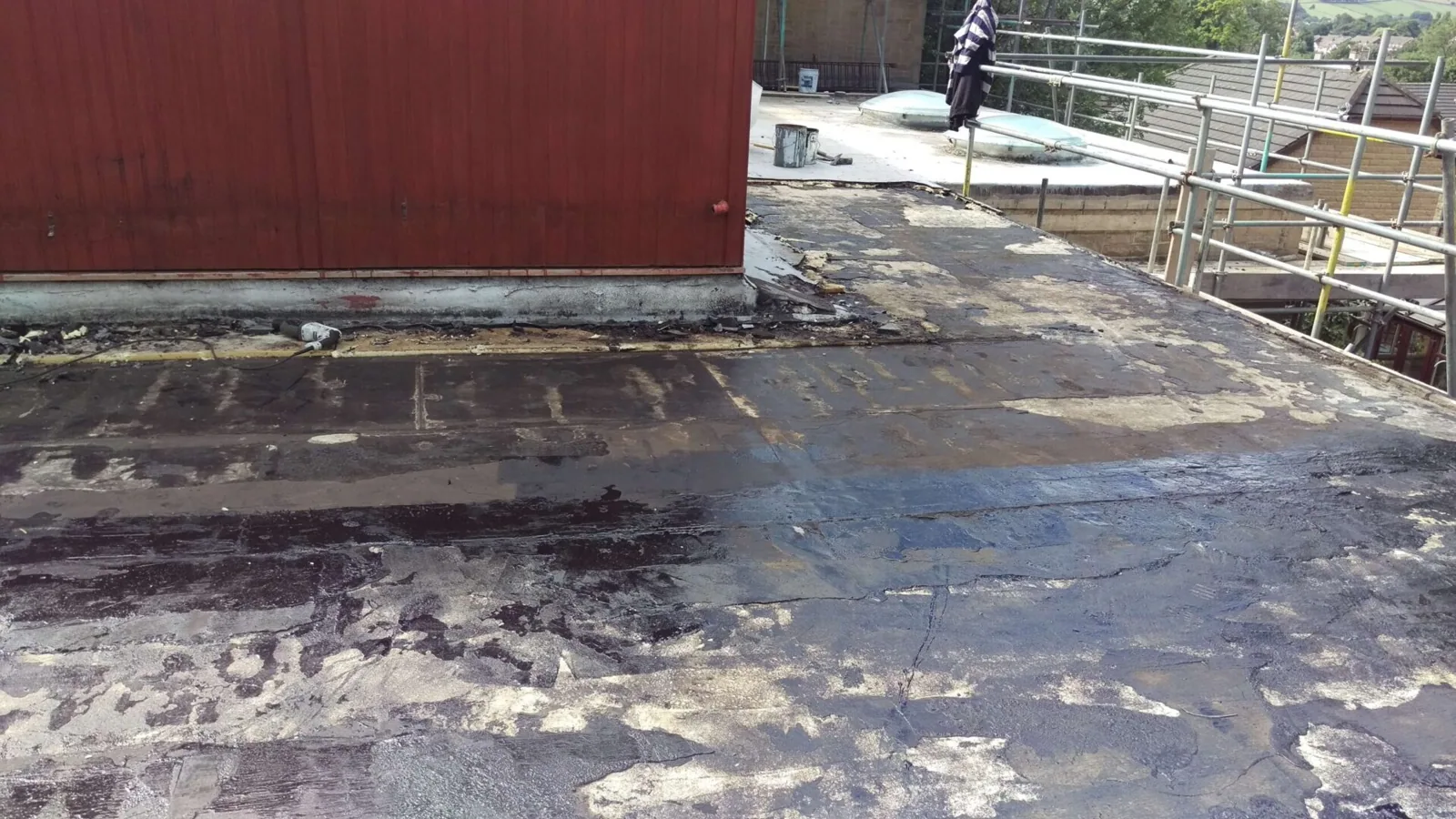
Wind-related roof problems often appear at perimeter metal, corners, parapet transitions, equipment curbs, or a seam that has begun to separate. We check for lifted or bent components, fastener movement, open laps, torn membrane, and debris impact, then photograph each detail with a location marker. The inspection also looks beyond the visible damage for loose ballast, displaced accessories, or a path where water can travel under the surface. A ceiling stain alone cannot locate the point of entry, so we compare interior reports with roof observations and any prior repair record. The condition report separates a confirmed opening from a suspected path and identifies what would need to be examined before a larger scope is set. For an edge or flashing issue, the flashing repair detail can be evaluated alongside the membrane condition.
Check the attachment below the surface
A displaced surface can expose a question about the concealed layer: did the membrane release from the substrate, did the fastener pull through, or did damage remain limited to an accessory? We review roof plans and visible fastener lines, then define a selective opening only when it will answer a specific question. A test area should identify the substrate condition, insulation, cover board, and attachment method where those layers can be seen. We photograph each exposed layer before covering it and state the maximum removal boundary. If the deck or insulation differs from the available record, that finding is tied to the location and presented for a revised scope. The photo-based condition record helps an owner compare a visible surface issue with the concealed work confirmed after removal, rather than treating the entire roof as one damage area.
Follow the load path through transitions
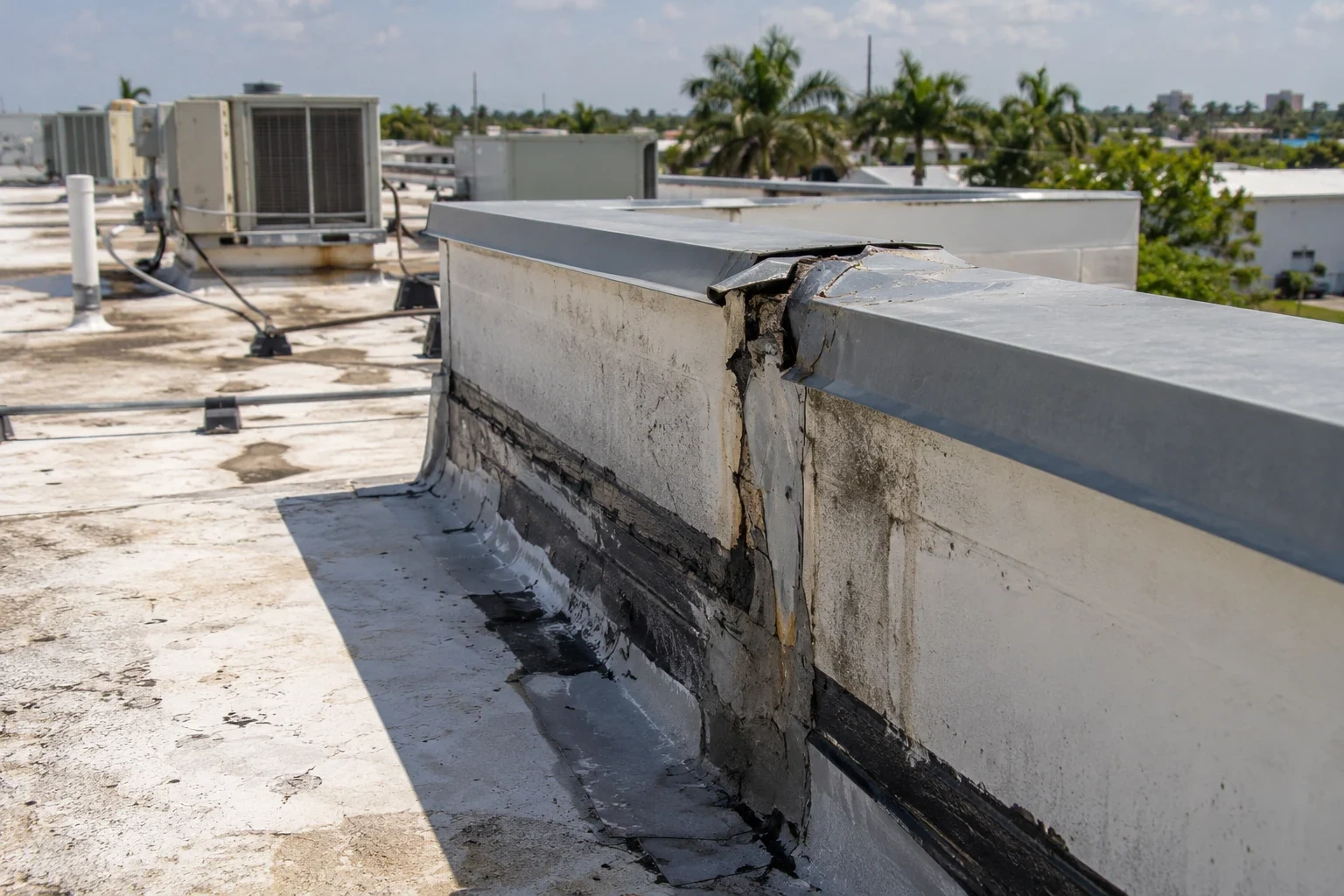
Perimeter details work as connected parts: membrane termination, edge metal, fasteners, parapet coping, and the substrate that receives the attachment. Repairing only the part that moved can leave a weak transition beside it. We inspect the adjoining length, corners, wall interfaces, roof-to-wall flashing, and penetrations that sit near the affected zone. Where the existing system is modified bitumen, TPO, PVC, EPDM, or metal, the repair material and tie-in must be compatible with that assembly. We do not cover a seam or edge until the receiving surface is sound and prepared. When the damage extends into a separated lap, the open-seam repair may need a different treatment than a bent coping or loose termination. Each detail is listed by roof zone so the scope remains limited to observed conditions.
Protect the opening before the next shift
Hawaii’s rainfall changes across short distances, and the heaviest rain generally arrives during winter storms from October through April. A repair opening therefore needs an end-of-shift condition that is known before removal starts. We define the maximum area to expose, keep temporary protection ready, and record the closure check after the tie-in is secured. Persistent trade winds can also affect loose coverings or exposed materials during the work window, so a temporary detail must be fastened and checked for the roof conditions at that location. If the weather window narrows, we stop at a safe boundary rather than carry an open section into the next day. The work record shows what was removed, whether protection is interim, and who confirmed the secured area. This lets the owner authorize permanent work with the closure history still attached.
Choose repair by the verified limit
A localized repair fits when the affected material is confined and the surrounding roof remains serviceable. If inspection finds repeated edge movement, widespread seam separation, wet insulation, or an unstable substrate, a larger area may require review. We state the evidence for each option and show what removal, tie-in, drainage, and access would change. A recover or coating should not be used to conceal a condition that needs removal, while replacement may be limited to a roof zone if adjoining areas can remain. For wind damage near Iwilei or other harbor-side properties, access and staging can influence the schedule without changing what the roof condition supports. The repair scope and replacement alternative can be compared with those limits visible, letting a property manager authorize work in a defined sequence.
Close the repair with a photo sequence
At handover, we connect the original damage photograph to the prepared area, concealed-layer images, installed materials, and final perimeter or flashing detail. The record identifies any displaced accessory replaced, the tie-in location, and the closure check. If a portion remains for monitoring, it is marked separately from the completed work and placed on a follow-up visit only when the condition warrants one. A property manager can use the same roof-zone label during later maintenance, which makes a change in seam or edge movement easier to locate. We also note access limitations, rooftop equipment routes, and debris cleared from drainage points. The finished file does not turn an inspection into a broad claim about the whole roof; it shows the repair boundary and the evidence that supports acceptance.
For a roof with several edge conditions, we keep a separate reference for each corner and transition instead of using one perimeter note. That makes it easier to show where the termination remained secure and where attachment work was completed. A follow-up inspection can compare the same marked points after the next period of wind exposure.
The marked plan and closure image stay together in the property handover file for later review.
Commercial Roofing Questions
What should be inspected after wind moves edge metal?
We check the displaced piece, adjacent attachment, corners, and the membrane termination that meets it. Photographs and a defined roof-zone reference show whether the repair is limited or whether an opening is needed.
Can a leak be traced to a wind-damaged roof area?
We compare the interior report with roof observations and water paths that can be inspected. If the concealed assembly remains uncertain, a selective opening is scoped to answer a specific question.
How do you protect a roof if weather interrupts the repair?
The work plan sets the removal limit, temporary protection, and end-of-shift check before the opening begins. We stop at that limit, secure the area, and record the condition for the next visit.
When is replacement considered instead of a perimeter repair?
Replacement enters the comparison when the inspection finds broader failure, recurring movement, wet layers, or an attachment problem beyond a single detail. We document the extent before recommending a larger boundary.
What will the owner receive after the repair?
A photo sequence ties the original condition to exposed layers, installed materials, tie-ins, and closure. Any remaining monitoring item is identified separately from accepted work.
Set a wind-damage repair boundary
Arrange a commercial roof inspection in Honolulu, HI. We will examine the affected edge and transitions, record the findings, and define a repair scope with a weather closure plan.
Tell Us About Your Roof
We will follow up to set up a time to walk the roof.

Request a Roof Assessment
Tell us about the building and what you are seeing. We will follow up to set up a time to walk the roof.