
A seam that has lifted, split, or lost adhesion can let water travel under a membrane before it reaches the ceiling below. We inspect the separated length, nearby laps, terminations, and penetrations, then identify the roof system before selecting a repair method. Ala Moana combines retail, commercial, and residential uses, while Chinatown includes historic commercial buildings and covered market spaces. The buildings differ, but the repair begins with the seam itself: what released, how far it extends, and whether the substrate remains sound. We photograph the open edge and adjacent field, check for moisture evidence, and set a defined removal limit if a selective opening is needed. For active water entry, a crew is available around the clock, including holidays, to protect the opening and document the final closure.
Identify what released
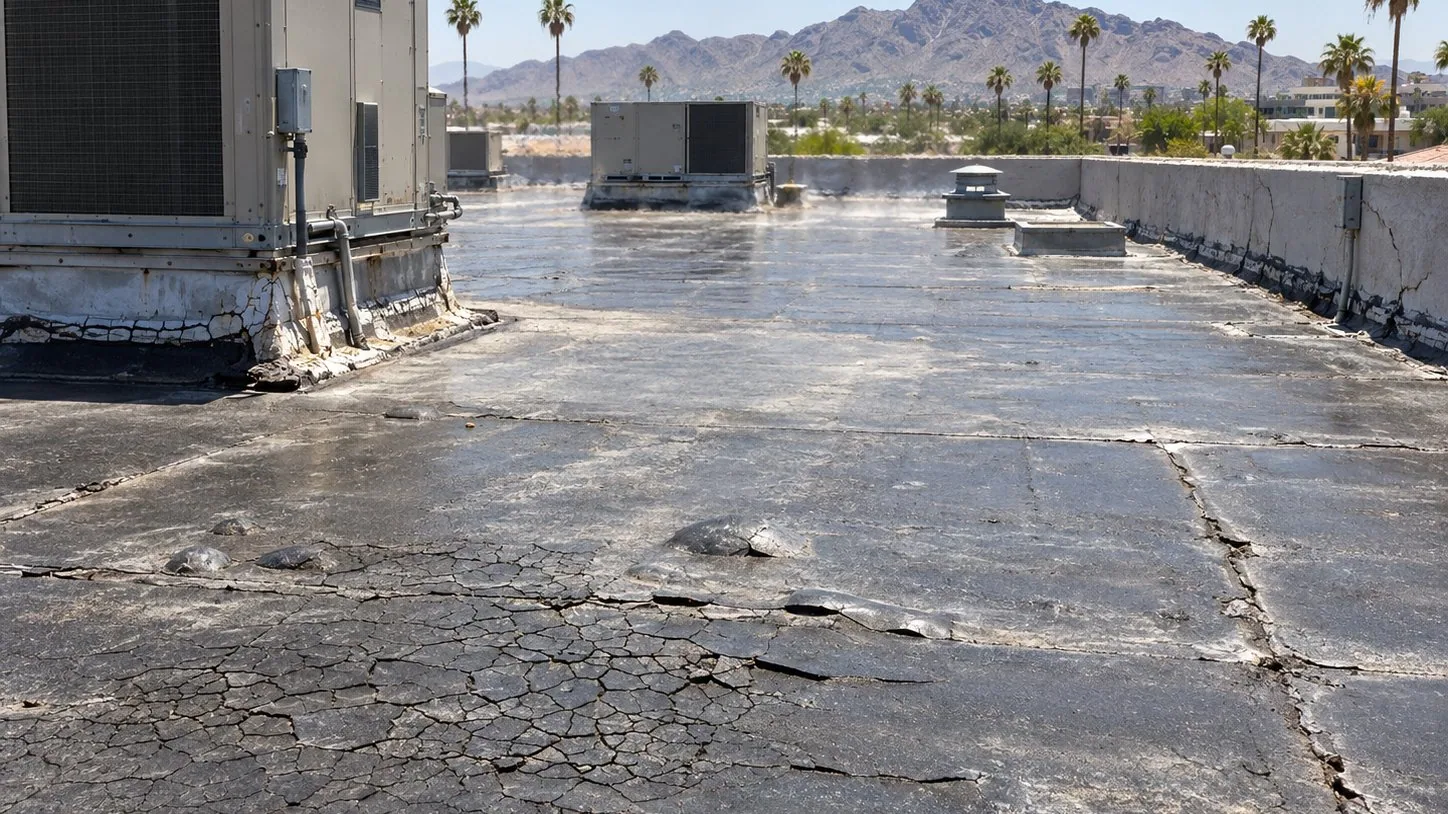
Heat-welded thermoplastic laps, adhered membrane joints, and built-up roof seams fail in different ways. We identify whether the opening follows a weld, adhesive line, reinforcement, or prior patch, then inspect the adjoining material for contamination, aging, movement, or a weak substrate. A probe can help locate an open section, but the report also records where the seam remains bonded. That boundary matters because a short split may need a localized repair, while a longer separation may expose a broader attachment or moisture condition. A flashing inspection can be part of the same visit when the seam meets a wall or curb, but each detail receives its own location and work limit. The finding is tied to a roof-zone sketch, not generalized across the full field.
Use a repair compatible with the membrane
Before a seam is closed, the surface must be clean, dry, and compatible with the selected repair material. A thermoplastic system may require a prepared surface and a welded patch; an adhered sheet may call for a different adhesive or reinforcement detail. We check the manufacturer identification when records are available and describe what can be confirmed at the roof. The scope identifies the seam length, patch dimensions, reinforcement, and tie-in method, then states any condition that would require a changed boundary. If the membrane is brittle, contaminated, or bonded to wet insulation, simply covering the split can leave the original problem in place. The TPO repair method or EPDM repair detail must match the assembly actually present.
Check below the separated lap
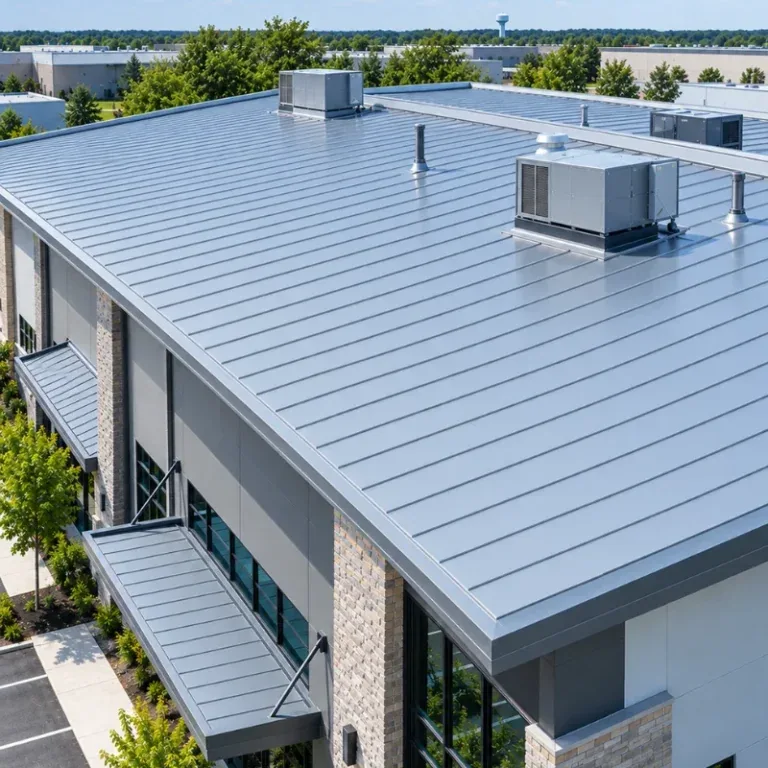
A narrow seam opening can conceal water that has moved laterally, so we compare the split with the roof deck, insulation joints, and interior report before closing it. Moisture readings may help select a test area; a selective opening confirms the concealed layer when that evidence is required. We agree on the maximum removal area and what the crew should do if wet insulation, a soft deck, or another roof layer appears. Photographs preserve the seam, exposed material, prepared substrate, and installed repair in sequence. The condition report states which portion was directly observed and what remains uncertain. That lets an owner authorize an additional area based on what the opening revealed rather than an assumption about the whole roof.
Review nearby edges and penetrations
Seam separation can occur near a roof edge, curb, drain, expansion joint, or equipment route where movement and water flow meet. We inspect those adjoining conditions to determine whether the split is an isolated lap or part of a larger transition failure. A membrane may be intact at the seam but loose at the termination bar or damaged where another trade crosses the field. We mark those findings separately so the scope does not combine unrelated work into a single undifferentiated patch. Where wind exposure has moved the perimeter, the edge repair review can identify the attachment and termination work required. If drainage remains on the seam area, a ponding-water review may help explain continued exposure without assigning the seam defect to standing water alone.
Set the weld or adhesive window
Hawaii’s trade winds and humidity can affect an exposed work area, while winter storms from October through April bring the heavier rainfall period. A seam repair needs a surface that is ready for the chosen bond or weld, plus a closure plan if the work window ends early. We identify the removal limit, keep temporary protection available, and record the end-of-shift check. If the surface is damp or the approved preparation cannot be completed, the crew should not bury that condition beneath a patch. The Diligence Notes states which seam length is complete, whether any temporary measure remains, and who checked the final tie-in. A weather pause becomes manageable when the next crew can see the marked boundary and the work already accepted.
Keep the seam repair easy to find
At completion, we label the repaired seam on a roof plan and connect the original photograph to the prepared joint, patch or weld, and finished edge. The handover states the membrane type where it was confirmed, materials installed, and any adjacent area that remains for monitoring. If the roof has multiple sheets or phases, each location receives its own reference so a later inspection can compare the same seam. This matters for buildings in a mixed commercial area such as Ala Moana, where roof access and operating use can vary among properties. Our repair scope can also include a maintenance check after weather exposure, with the follow-up limited to the seam and adjoining detail that were documented.
For a roof with several membrane types from phased construction, the file should identify the material at each repair zone instead of calling the entire property one system. A thermoplastic weld record and an adhered-sheet patch record can then be read without confusing the preparation steps. We note the approximate seam location on the plan, the length treated, and the point where sound existing material received the new tie-in. If a nearby lap was inspected but not opened, the record can state that boundary and the reason the work stopped there. This prevents a later maintenance visit from interpreting a limited repair as a full-field seam replacement. The owner can use the same reference to schedule an inspection after weather exposure or after rooftop equipment work changes access to the area.
We keep this plan reference with the finished photos for the next roof service review cycle today.
Commercial Roofing Questions
How do you tell whether a seam split is isolated?
We trace the open length, test adjacent bonded areas, and inspect nearby transitions. A marked boundary shows where material remains secure and where removal or additional examination may be needed.
Can a new patch go over an older seam repair?
The surface and prior material must be identified first. We remove incompatible or loose material as scoped, prepare the receiving surface, and record the new tie-in rather than layering over an uncertain edge.
What if insulation is wet under the seam?
We stop at the authorized limit, photograph the exposed layer, protect the roof, and present a revised scope. Added removal is tied to the area confirmed during the opening.
Does a seam repair require a dry work window?
The selected method needs the surface conditions required for adhesion or welding. We set a closure limit in advance and secure the area if moisture or weather prevents a complete tie-in.
What will be included in the closeout?
The file identifies the roof-zone location, confirmed membrane type, material installed, and photographs from the open seam through final closure. Any adjacent monitoring item is listed separately.
Confirm the seam and its repair limit
Arrange a commercial roof inspection in Honolulu, HI. We will identify the membrane, trace the open lap, and define a compatible repair with a documented closure plan.
Tell Us About Your Roof
We will follow up to set up a time to walk the roof.

Request a Roof Assessment
Tell us about the building and what you are seeing. We will follow up to set up a time to walk the roof.