
A roof loss file needs a clear line between observed damage, concealed conditions, and the work proposed to restore the assembly. We inspect the affected roof zone, photograph the surface and transitions, and compare the reported interior condition with what is accessible above it. Honolulu includes modern and historic commercial buildings in Downtown and industrial activity near Lower Mapunapuna, so roof construction and access can differ from one property to another. Those place facts are context, not proof of a particular loss. Our record identifies what we saw, where it occurred, and what a selective opening would need to confirm. We can document emergency protection, repair, or replacement scope without deciding coverage or policy interpretation. For active water entry outside normal business hours, response is available around the clock, including holidays, with a closure check and work record prepared for the property file.
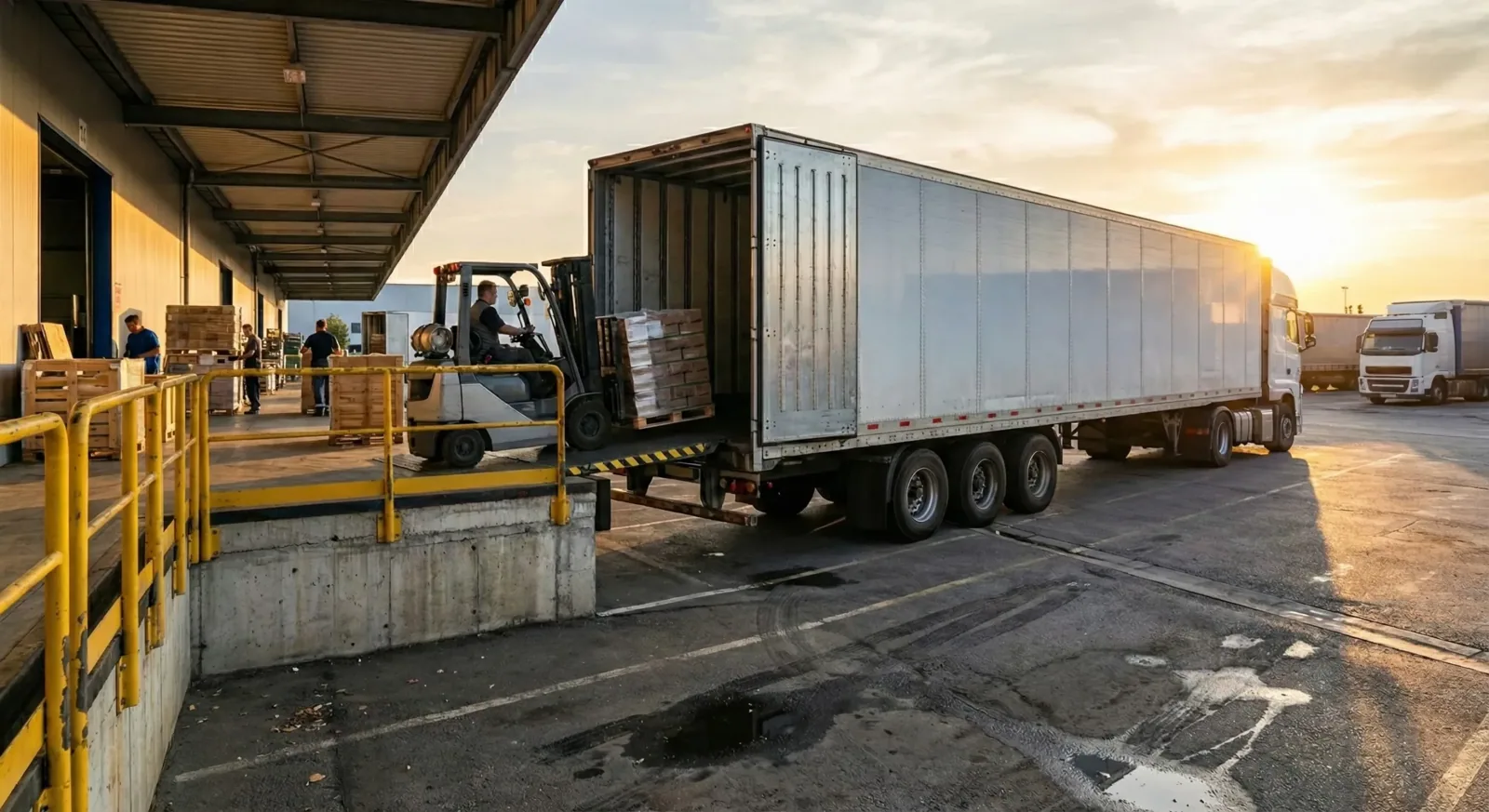
Separate damage from prior condition
Before repair begins, we note the reported event, affected rooms, inspection date, and visible roof conditions around the suspected entry point. Existing seam wear, ponding, old patches, or corrosion should be identified separately from a new opening or impact mark. Photos show the roof plane, a closer detail, and the scale or adjacent feature needed to locate the finding later. We do not infer a cause from a ceiling stain alone; instead, we trace accessible paths and describe which conditions support a roof connection. When a moisture survey or selective opening is warranted, the record states the question to be answered and the area involved. That lets an adjuster or restoration manager compare evidence with a proposed scope without treating a broad description as a confirmed cause. A condition report with mapped images keeps those observations organized by roof zone.
Keep the evidence sequence intact
A useful photo sequence starts before materials are removed. We record the existing membrane, flashing, drain, curb, or edge detail, then photograph the opened assembly and concealed layers before covering them. The repair record lists the material removed, substrate condition, replacement materials, and final tie-in. If wet insulation or a different layer extends beyond the planned opening, we stop at the authorized limit, protect the area, and request a scope decision before enlarging the work. A change should be connected to the condition that prompted it rather than folded into an unexplained total. Where the property manager has to coordinate a restoration firm and building staff, trade-scope coordination can preserve responsibility at each transition. The file then shows the boundary between roof work and interior restoration without merging those scopes.
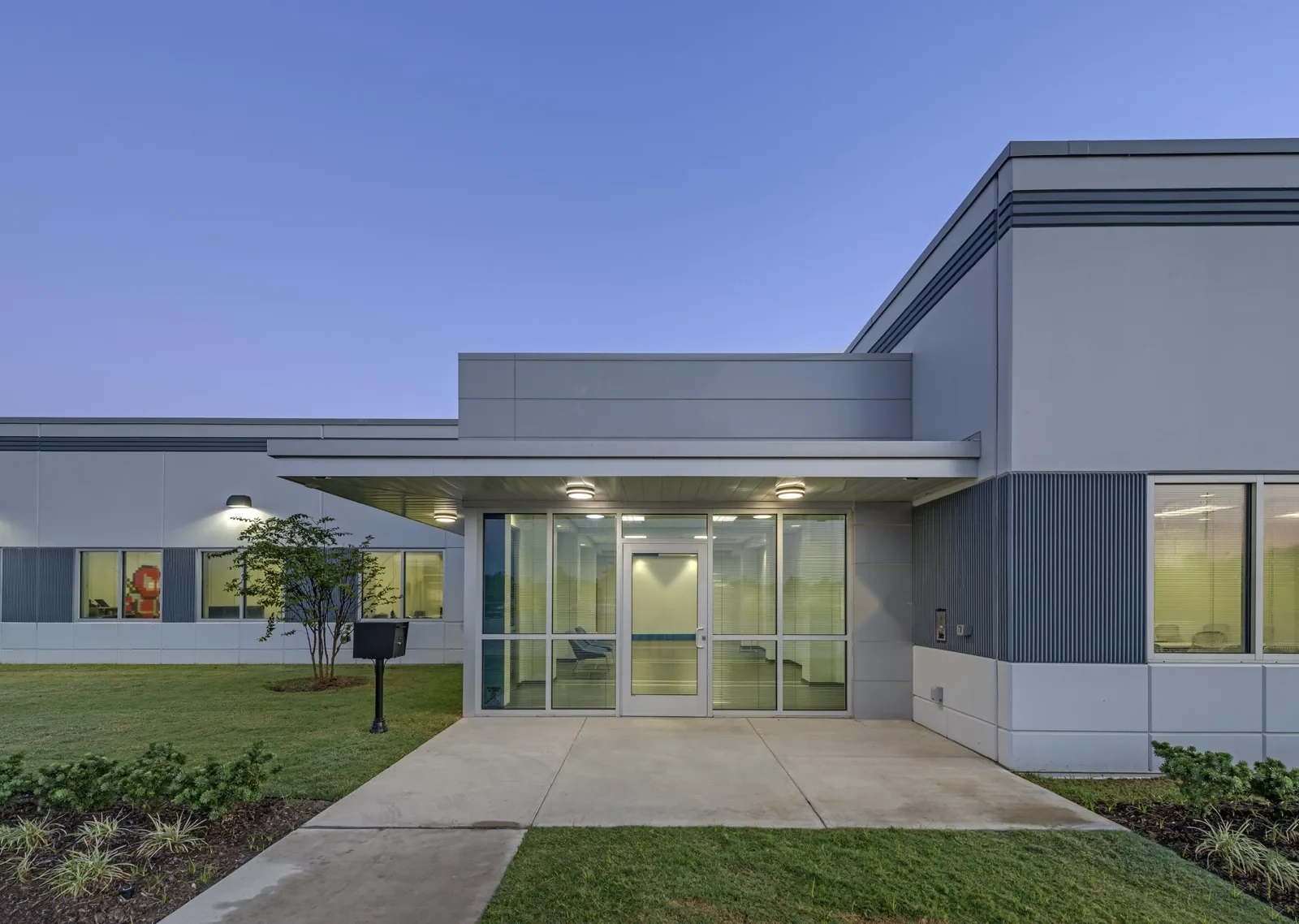
Secure emergency work at shift end
Temporary protection can control entry while a permanent repair is evaluated, but it still needs a known location, a defined tie-in, and an inspection after installation. We state whether a patch or cover is interim, what weather exposure it is intended to withstand, and what follow-up remains. Hawaii’s heaviest rain generally occurs with winter storms between October and April, and trade winds persist through the year; an opened roof therefore needs a daily closure point. The crew records what was exposed, how it was secured, and who checked the final condition before leaving. If a storm window narrows the repair sequence, we stop within the safe limit and identify the remaining work for the next visit. The emergency response scope can be kept separate from the permanent restoration estimate so the file reflects each decision.
Define the repair limit and concealed work
The exposed membrane may cover insulation, cover board, vapor control, or an earlier roof, and the loss scope should not assume those layers are uniform. We review available records, identify what is visible, and set an opening limit that can answer a specific condition question. The written scope should explain what happens if removal exposes wet material, a damaged deck, or a detail that cannot be reconnected as expected. We photograph concealed layers before they are covered and note any change in material quantity or boundary. A repair that reaches sound material may differ from a replacement area where the substrate needs broader correction. The localized repair option and replacement scope should present those limits in separate terms, with the tie-in and closure method visible to the reviewer.
Make the estimate traceable to findings
A reviewer should be able to connect each proposed work item to a photograph, location, and observed condition. We group line items by roof zone, distinguish emergency protection from permanent work, and state whether a quantity is measured or still subject to an opening. The record also notes access constraints, equipment conflicts, and any area left outside the proposed scope. For properties in Kalihi, public schools and other educational buildings are part of the district context, while the individual building’s access plan still controls the work route. We avoid extending a finding from one roof section to another without inspection evidence. The resulting comparison is useful when a property team requests a repair alternative, a second inspection, or a revised scope after concealed conditions become visible.
When the reported event affects more than one roof section, we keep each area under its own identifier and record the condition separately. A map key can connect the inspection images to the repair estimate without implying that all sections were damaged in the same way. This distinction is useful when work proceeds in phases or when the reviewer needs one area completed before authorizing another.
Close with a repair acceptance record
After the permanent work, we provide dated photographs, materials installed, the final tie-in, and the closure check. The handover identifies any open condition that needs monitoring and places it on a separate follow-up line rather than implying the whole roof was renewed. If an interior restoration team is returning later, the property contact can see which roof opening is complete and which location remains under observation. A later inspection can compare the repaired edge or penetration with its prior image and determine whether the condition has changed. For a public owner, agency file organization can support a clear authorization trail; for portfolio staff, multi-property roof records keep separate assets distinguishable. The file is complete when the scope, installed work, and remaining decision can be read from the same location-based record.
Commercial Roofing Questions
Can you decide whether an insurance policy covers roof damage?
We document roof conditions and the work needed to address them. Coverage decisions and policy interpretation remain with the insurer and the property’s representatives; our report keeps observed conditions distinct from repair recommendations.
What evidence do you record before removing damaged material?
We photograph the roof plane and detail, identify the location, and record nearby conditions before opening. The sequence continues through concealed layers, substrate, installed material, and final closure.
How is emergency protection separated from permanent repair?
The work record names the temporary measure, its location, and the follow-up required. A permanent scope is then tied to the condition confirmed during inspection or selective removal.
What if concealed damage extends beyond the authorized area?
We stop at the agreed limit, protect the opening, and document what is exposed. A revised scope can then identify added removal, substrate work, and a new tie-in before the boundary changes.
What makes a roof repair file useful to a restoration manager?
A mapped photo sequence, material notes, scope boundary, closure check, and follow-up item let the manager compare proposed work with the condition found. Each roof zone remains identifiable after the surface is closed.
Document the roof condition and repair scope
Arrange a commercial roof examination in Honolulu, HI. We will identify the affected zone, record observed conditions, and prepare a repair scope with a defined closure plan.
Tell Us About Your Roof
We will follow up to set up a time to walk the roof.

Request a Roof Assessment
Tell us about the building and what you are seeing. We will follow up to set up a time to walk the roof.