
A roofing scope on a larger project can hold up adjacent trades when the opening, tie-in, or daily closure is not defined. We review the roof area, assembly records, sequence, and access path with the general contractor before establishing the work boundary. Lower Mapunapuna and Waiwai Loop are employment areas considered in Honolulu’s airport-area planning, while Moiliili’s commercial district follows South King Street and University Avenue. Those different settings can affect delivery and staging, but the building’s approved logistics plan determines the actual route. Our scope identifies the roof work, the trade interface, and the evidence required before concealed layers are covered. We coordinate repairs, replacement, recovery, coatings, and inspections without claiming a broader construction role. When active water entry needs a response outside the normal schedule, our crews are available around the clock, holidays included, with protection and closure recorded for the project file.
Set the trade boundary first
Roofing work may meet sheet metal, mechanical, electrical, glazing, or general waterproofing at a single transition. We identify who is moving equipment, who is completing the curb or pipe support, and which party is responsible for the final membrane tie-in. The interface should be shown on the roof plan with an agreed sequence, so a completed seam is not reopened by a later trade. We also confirm whether roof access overlaps a lift, crane, or material route used elsewhere on the project. When the line between scopes is unclear, the field team should resolve it before removal begins rather than leave a wet assembly exposed while responsibilities are debated. Our commercial repair scope states the work limit and closure detail for the area under our control.
Match new work to existing layers
An addition or retrofit may meet a roof with several prior repairs, different insulation thicknesses, or an unknown vapor-control layer. Available drawings help, but an opening can still reveal a condition that changes the transition. We document visible materials, define any selective-opening allowance, and state what finding would require a revised scope. The tie-in detail should connect the new membrane to a sound surface, maintain drainage, and handle changes in height without leaving a concealed water path. If wet insulation or a weak substrate extends beyond the planned boundary, we photograph the condition before covering it and coordinate the change with the project decision-maker. A condition report with marked photographs lets the superintendent, owner, and roofing lead review the same roof zone.
Protect the schedule at each handoff
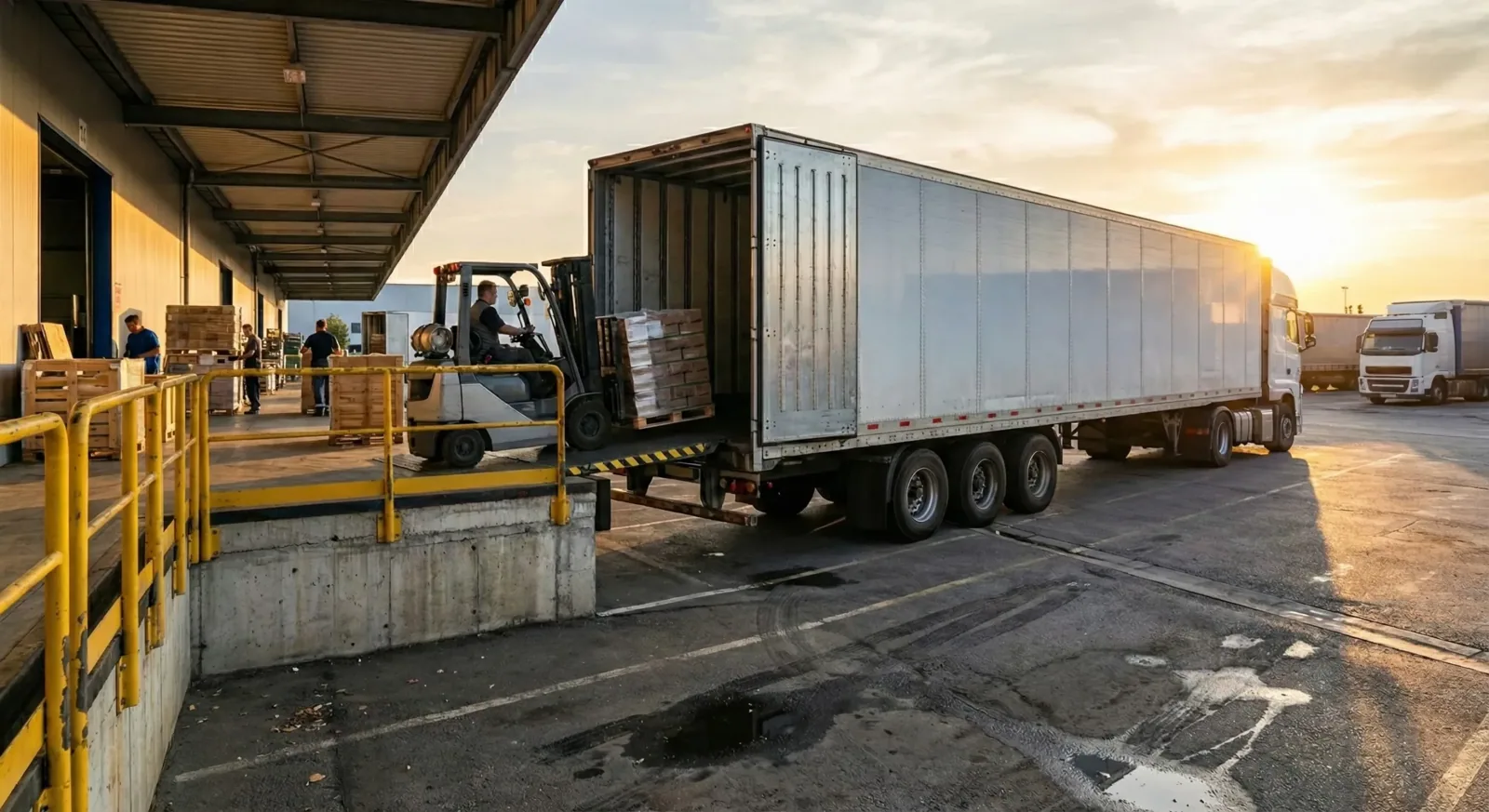
Roofing sequence is connected to what happens below and beside the work area. A mechanical set may need final curb dimensions before flashing can be completed, while interior work may need the roof to be watertight before finishes close. We build the work order around those dependencies and list which inspection or approval has to occur before the next layer is installed. For work near a loading area in Mapunapuna, material delivery and roof access may compete with daily site movement; the project route controls where staging is practical. We identify the person who releases each zone and the time when that area returns to the general contractor’s control. Occupied-building phasing gives the sequence a clear boundary when the project remains in use.
Finish the shift with a secured roof
Hawaii’s winter storms bring the heaviest rain between October and April, while trade winds remain a persistent consideration. A project schedule should account for the roof condition at every stop, not just the planned completion date. Before opening a section, we define the maximum exposure, temporary protection, and end-of-shift closure check. If the weather window changes, the crew can stop at the defined boundary and secure the assembly before moving to another area. The field record identifies what was removed, which tie-ins were completed, and where temporary protection remains. This is especially important when another trade is scheduled above or below the same area the next morning. A marked TPO transition detail or drain correction should be accepted before adjacent work conceals it.
Keep concealed work tied to its location
Photographs are useful when they preserve sequence: existing condition, prepared substrate, installed materials, and the completed closure. We label them with a roof-zone reference and record product type without adding unsupported claims about approvals or warranty terms. If a contractor asks for an inspection hold point, the scope should identify the layer to be reviewed and the person who can release the next step. Any change in removal depth or substrate repair is tied to the original condition and authorized scope revision. This gives a project team evidence to resolve a question after a ceiling or cover board hides the work. The agency procurement handover and multi-site roof record use a similar discipline where several stakeholders need a consistent, location-based file.
For work that follows another trade’s installation, we check that the finished curb or support is in place, that the tie-in surface is ready, and that the roof can be closed in the planned sequence. When a change order shifts the opening or delivery time, the revised limit belongs in the same field record as the original scope. That keeps the next crew from treating an earlier closure as final when the assembly has been reopened.
Close the roofing package cleanly
At completion, we confirm drains and overflows are clear, penetrations and edges are finished, debris is removed, and temporary barriers can be released. We compare the finished roof with the agreed scope, then document any remaining condition that falls outside the package. If the work is a repair, the closeout states the repair area and the assembly layers reached. If the project includes replacement, the record distinguishes removed material from the final system and notes any area left for a later phase. A shared list of open items lets the general contractor coordinate the remaining trades without treating a pending inspection as a completed detail. We can also return for a focused examination when another scope affects the roof after our work is complete.
We return keys, access equipment, and roof plans to the designated contact after final review, with the work zone identified for any follow-on trade.
Any open item carries a responsible contact and a follow-up date.
Commercial Roofing Questions
How do you divide roofing scope from mechanical or sheet-metal work?
We identify the transition, responsible trade, and sequence before the roof is opened. The written boundary states who completes the curb, support, or tie-in and what must be inspected before another layer is installed.
What happens if an opening reveals more wet insulation than expected?
We stop within the authorized limit, photograph the exposed condition, protect the area, and present the additional work for approval. The revised scope should identify added removal and the new closure detail.
Can you support a project that remains occupied?
Yes. We coordinate the roof route, staging, noisy steps, and work-zone release with the site contact, then record which spaces remain available during each phase.
Which roofing details should be reviewed before concealment?
The review point depends on the system, but commonly includes prepared substrate, insulation, flashing transitions, penetrations, and tie-ins. We label each hold point to the roof plan before work proceeds.
What does the roofing closeout provide to the superintendent?
It connects the authorized limit to dated photographs, material notes, closure checks, and remaining work. The superintendent can match each item to a roof zone without reconstructing the sequence from messages.
Coordinate the roofing package before mobilization
Arrange a commercial roof scope review in Honolulu, HI. We will identify trade interfaces, access needs, and closure points so the roofing work fits the project sequence.
Tell Us About Your Roof
We will follow up to set up a time to walk the roof.

Request a Roof Assessment
Tell us about the building and what you are seeing. We will follow up to set up a time to walk the roof.