
A public building roof decision has to fit the service that remains open below it. We begin by identifying the affected roof zone, the rooms or public routes beneath it, and the evidence needed before an agency authorizes an opening. Downtown Honolulu concentrates civic and government activity around Bishop Street and Fort Street, while Kapolei combines retail properties with federal, state, and county offices. Those distinct settings make access planning part of the scope, not a note added after the repair is selected. We prepare a condition record that connects observed membrane, flashing, drainage, or metal-panel conditions with a defined next step. For a leak that cannot wait for a regular meeting cycle, our response is available around the clock, including holidays, with protection and closure recorded as work proceeds.
Separate observation from authorization
Water entry can cross a roof field before it appears on a ceiling, so the first visible mark is not enough to set the repair boundary. We inspect accessible seams, curb transitions, penetrations, drains, overflow details, and nearby roof areas, then compare those observations with the interior location and any prior repair record. A moisture survey can help identify where a selective opening may answer a specific question about the concealed layer. The report distinguishes what was visible from what was confirmed after removal, giving facilities staff a factual basis for a work order or a larger scope review. On a public asset, that distinction helps keep the requested work aligned with the condition found instead of letting an unexplained allowance become the whole decision. When an agency needs findings arranged for review, a photo-based condition record can organize observations by roof area.
Record the assembly before opening
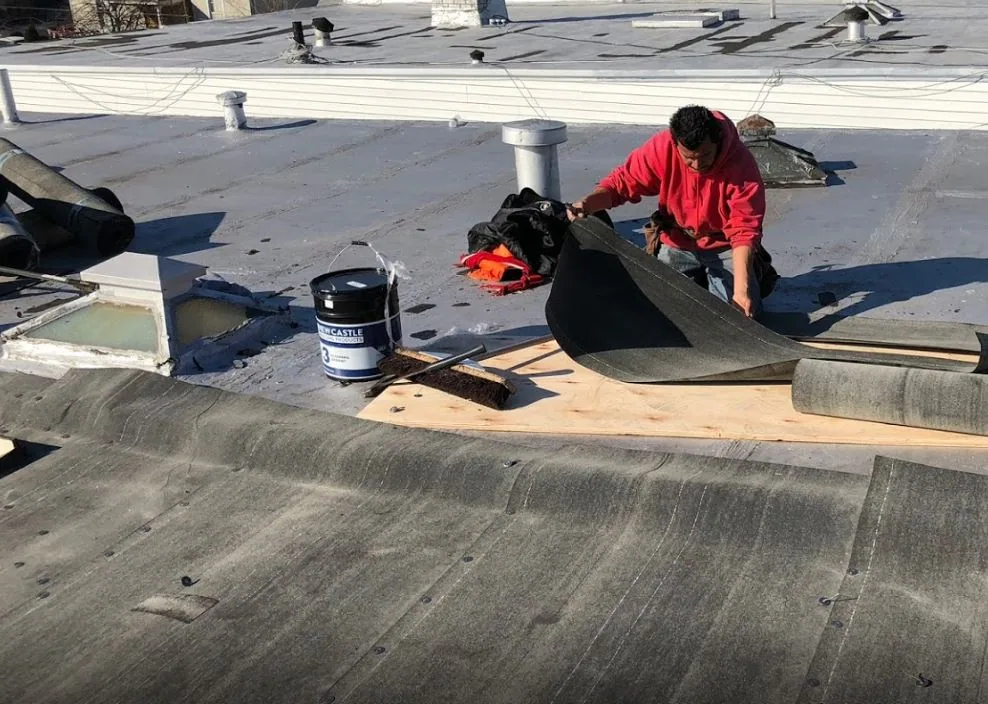
Many Honolulu roof decisions involve more than the exposed surface. The membrane may sit above insulation, cover board, vapor-control layers, or an earlier roof, and a leak repair can reach those concealed materials only when the opening is made. We document the existing assembly where records and safe access permit, identify the limits of what can be seen, and list the questions that a test cut could resolve. A repair scope should state how much material may be removed, what condition would require a change, and how the area will be made watertight at the end of the shift. That scope boundary supports a clean authorization record and avoids treating unseen layers as known. If the condition supports a broader renewal, the replacement scope can compare recover limits, removal, insulation correction, and transition details.
Keep service routes available
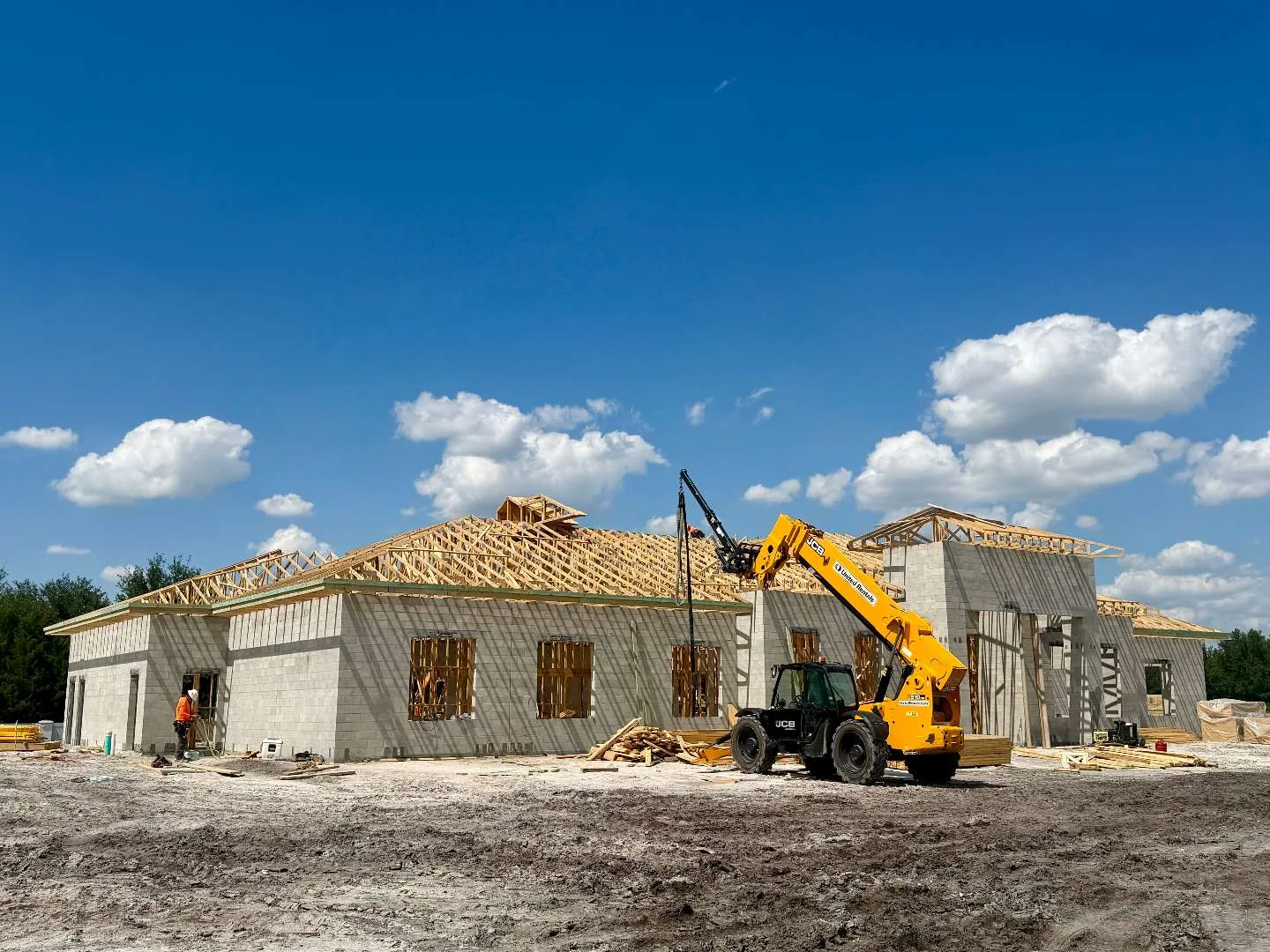
A roof hatch, lift location, material route, and barricade can intersect public entry, staff circulation, or vehicle access. We map the route with the site contact before mobilization and separate roof work from emergency access and public paths. For a building in the Downtown office and civic area, work near a mechanical penthouse may require a different sequence from a low-slope service building in Kapolei. The planned sequence identifies which roof zone will be closed, when a noisy or disruptive step will occur, and how occupants can be notified before access changes. We also mark where equipment cannot be staged and who can release a work area at shift end. When the roof is above an active office or service counter, occupied-building phasing keeps those access choices tied to the actual repair plan.
Set a workable closure point
Hawaii’s heaviest rain generally falls during winter storms from October through April, and rainfall can vary over short distances. That pattern makes the end-of-day condition important whenever membrane or flashing is opened. We identify the temporary protection method, the materials required to secure it, and the person responsible for checking the closure before the crew leaves. A forecast window does not substitute for a finished closure detail; the work record should show what was exposed, what was covered, and whether water could enter at an edge or penetration. Trade winds and humidity also matter when a repair depends on clean, dry surfaces or a coating cure. We state which surface condition is needed and what work must wait if the window closes. TPO seam repair and drainage corrections each need a closeout suited to their actual detail.
Make the handover auditable
The closeout should let an agency reviewer compare the authorized scope with the work completed without reconstructing the job from scattered photographs. We organize dated images by roof zone, note material removed and installed, identify any concealed condition that changed the boundary, and record the closure detail. If a roof includes several buildings, each location receives its own plan reference so a later inspection does not confuse one drain or flashing transition with another. A maintenance plan can then separate a completed repair from an item that remains for monitoring or budget review. A school-district roof program can keep each building record distinct, while multi-location roof planning can group comparable decisions without merging conditions. The owner receives findings in plain language, with the next decision tied to a specific condition rather than a broad label.
Compare repair with renewal
A targeted repair may be appropriate where the membrane remains serviceable and the affected area is defined. Wider deterioration, recurring wet insulation, failed transitions, or drainage problems can change the choice. We describe the limits of each option, including removal depth, substrate correction, tie-in details, access needs, and what remains outside the work order. A coating or recover should not conceal a condition that needs removal, and a replacement scope should not assume every roof section has the same assembly. If an agency plans work across several properties, a condition report can sort urgent water entry from planned capital work while preserving the reason for each recommendation. The next step is a roof examination with a written scope boundary, so facilities staff and procurement reviewers can see what will be inspected, what may be opened, and what evidence will support acceptance. The record stays useful when maintenance staff change, because each later visit can compare the same marked area and detail.
Commercial Roofing Questions
What can a facilities manager authorize before concealed layers are known?
The initial scope can define inspection, selective opening limits, temporary protection, and the decision point for additional work. We document the exposed condition first, then price or present a revised scope if removal reveals a different assembly.
How can roof work proceed while public counters remain open?
We plan roof access, staging, barricades, and noisy steps with the building contact. The sequence identifies which entry or service route stays available and when an area can be released, instead of assuming the building can close.
What should the closeout contain for an agency file?
A useful handover links dated photographs to a roof-plan location, records material removed and installed, and notes the closure check. Any unresolved condition should have a defined location and a practical follow-up action.
When does a repair become a replacement decision?
The change is supported by the condition found, such as broader wet materials, recurring failure, or an unstable substrate. We state the repair boundary and explain what a larger scope would add before the agency changes its authorization.
How do you plan around a wet-weather interruption?
We set the daily opening limit, protection method, and closeout responsibility before removal begins. When the roof cannot be left in the planned condition, the crew stops at a safe boundary and records the temporary detail for the site contact.
Put the roof decision on a clear record
Arrange a commercial roof examination in Honolulu, HI. We will connect observed conditions, access needs, and the proposed scope so your facilities and procurement teams can review the next step.
Tell Us About Your Roof
We will follow up to set up a time to walk the roof.

Request a Roof Assessment
Tell us about the building and what you are seeing. We will follow up to set up a time to walk the roof.