A roof leak at one store can affect a dining room, food-preparation area, merchandise, or the opening schedule, while a second location may have a different assembly and failure. We record each property separately and identify the roof zone before selecting a repair. Ala Moana combines commercial, retail, and residential uses; Waikiki includes hotels, shops, and visitor amenities. That mix creates different access and delivery conditions, but it does not establish what any individual roof needs. Our inspection ties the reported symptom to visible membrane, flashing, drainage, and penetration conditions, then sets a defined opening limit when concealed layers must be examined. A chain can use the resulting condition record to prioritize active water entry without applying one site’s repair to every location. For leaks that need attention outside store hours, our response is available around the clock, holidays included, with temporary protection and final closure recorded.
Protect service hours and deliveries
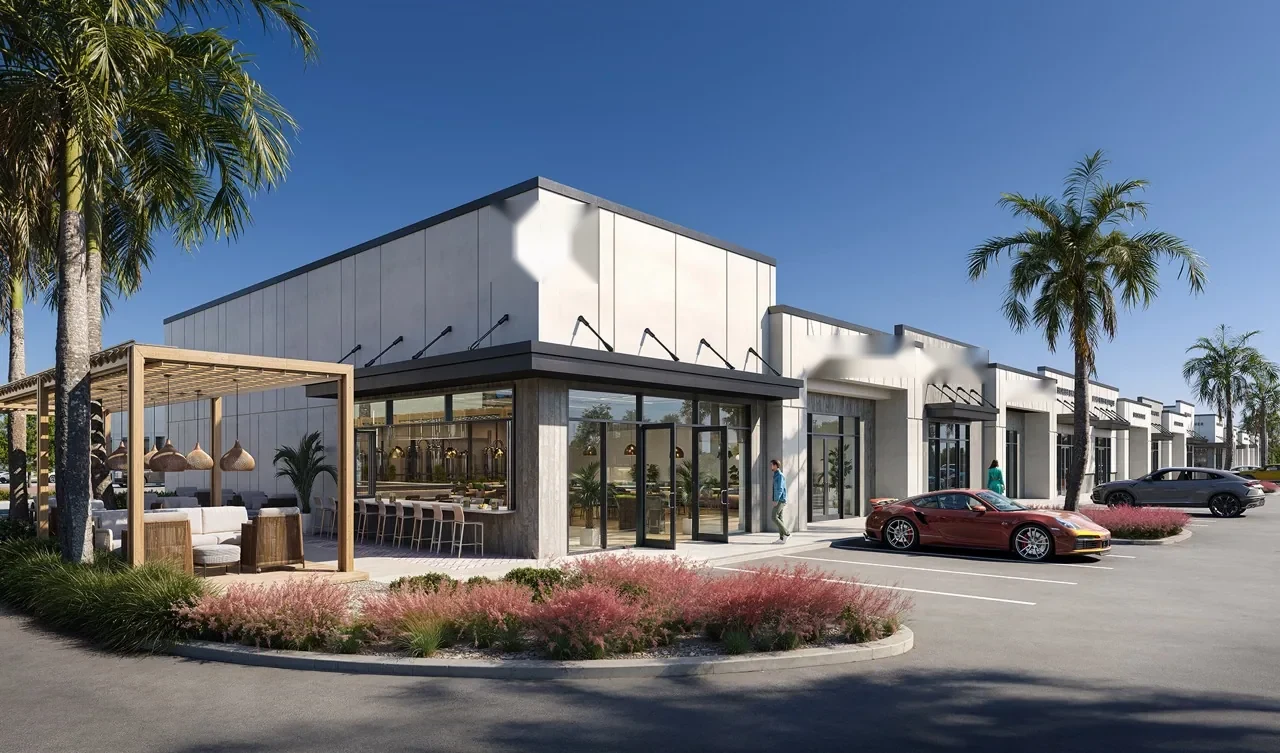
A work route can cross a customer entrance, kitchen receiving door, trash enclosure, or service lane. We ask the site contact which movements must stay clear, where a lift or delivery can stage, and when noise or interior access can be limited. Restaurant work may need a different sequence from a retail sales floor, even when both roofs use the same membrane. The schedule should name the affected area, the expected interruption, and the time when the space can return to normal use. We coordinate barriers and material handling with the operator instead of assuming that a closed roof area means the building is closed. The occupied-property work sequence can keep a repair moving while customer circulation and receiving continue at the agreed boundary.
Compare symptoms across locations
A stain, odor, or ceiling tile change is a reason to inspect, not proof that the same defect exists at other properties. We note the room, weather timing, and prior repair, then look above that area for seam movement, a curb transition, a drain restriction, or a penetration detail. If moisture readings point beyond the visible symptom, a selective opening can establish whether insulation or the deck is affected. Findings are labeled by site and roof zone, with confirmed conditions separated from suspected paths. That makes the portfolio record useful without making unlike buildings appear identical. A manager can compare repeat details, such as a failing curb or blocked drainage path, while keeping the repair boundary specific to the property. A photo-based condition report links the observation to the location where work is proposed.
Keep drainage clear at each roof
Restaurant exhaust, rooftop units, grease-related service routes, and parapet corners can make roof access crowded. We inspect drains, strainers, scuppers, overflows, and low points, then note debris or ponding that can affect the repair choice. A drainage correction should address the flow path and the surrounding membrane detail, not only remove visible debris. Where a roof has repeated ponding, we check the roof plane and outlets before proposing a localized change. The record identifies what was clear at the visit and what needs follow-up after another service activity. Drain and scupper work can be scheduled with other roof tasks when access is available, but each outlet remains tied to its own building plan. Store staff should know when a roof area will be closed and when rooftop equipment access can resume.
Choose repair or broader renewal
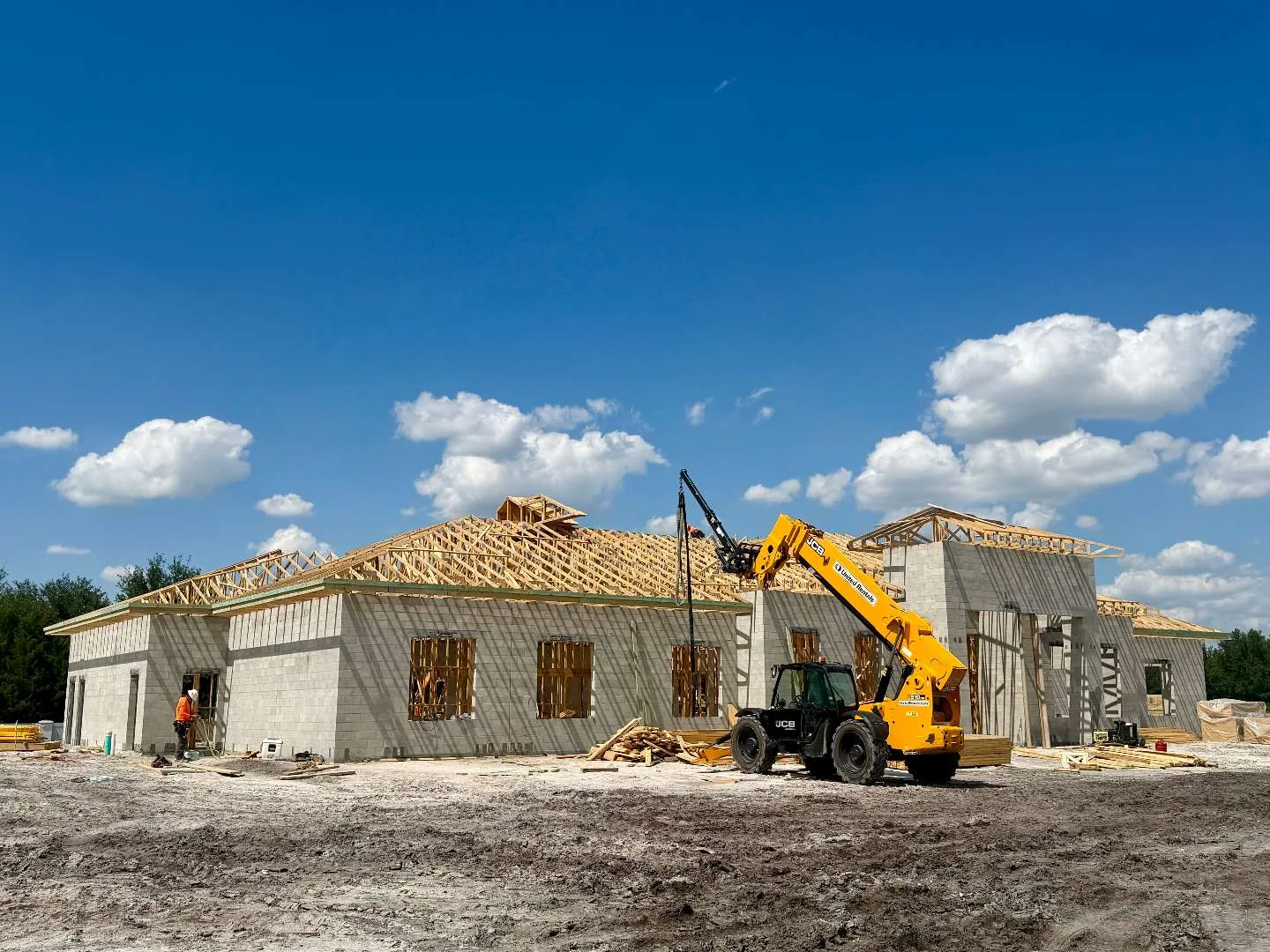
A localized repair can be appropriate when the surrounding roof remains serviceable and the water path is limited. Repeated seam separation, wet materials beyond a single opening, or deterioration across several roof zones can change that choice. We document what is exposed, describe removal limits, and explain the transition detail before comparing repair with replacement or restoration. A coating requires a suitable substrate and compatible transitions; it cannot correct a weak deck or conceal wet insulation as a substitute for removal. A chain may prefer a consistent system across locations, but the condition and assembly at each property still govern the scope. The repair option and replacement work are presented with separate boundaries, access needs, and closure plans so a manager can compare operations impact.
Set a closure plan for every shift
Store schedules can change faster than a roof opening can be safely closed, so we set the stop point before removal begins. Hawaii generally receives its heaviest rain during the October-to-April winter-storm period, and persistent trade winds remain a factor throughout the year. The crew needs temporary protection on hand, a maximum exposure area, and a named person to check closure before leaving. If the weather window narrows, we secure the defined boundary and record whether the installed detail is temporary or complete. A chain should not carry one closure assumption from store to store; parapet height, roof access, drainage, and substrate can change the method. The work record keeps the closure tied to the individual building and roof zone, allowing the regional manager to coordinate store notices without reopening an area that has already been secured.
Build a property-by-property handover
Each closeout includes dated photos tied to a roof-zone label, materials removed and installed, closure status, and any follow-up observation. A portfolio summary can show which properties have active leaks, which received repair, and which need a budget decision, while leaving the detailed evidence with the individual site. This separation helps regional staff track work without treating a common brand as a common roof assembly. A later visit can compare the same drain, curb, or seam against its prior condition and determine whether maintenance is effective. For a group that also owns hotels or public-facing facilities, hotel operations coordination and multi-building handover records demonstrate why work evidence should follow the building use and authorization path. Our final record shows what was done and what remains open for a separate decision.
For a location that cannot close during a normal service window, we can identify a limited work area and a separate route for the crew. The operating contact can confirm which door, kitchen, or sales zone must remain clear, and when rooftop access is available. Those instructions are recorded with the individual address file rather than carried forward as a portfolio assumption. A later crew can verify the current route before moving material or opening the membrane.
The file stays with the site contact after handover.
Commercial Roofing Questions
Can roof work happen before a store opens?
We coordinate the access route, staging, and noisy steps with the local contact. The inspection and repair sequence identifies which part of the building is affected and when that area can return to service.
How do you handle several properties with similar leak reports?
Each site receives a separate inspection record and roof-zone label. We compare recurring conditions only after confirming them at each property, so a repair at one location does not become an unsupported scope elsewhere.
What should a restaurant manager expect during a roof opening?
The scope defines the area, removal limit, temporary protection, and closure check. We coordinate rooftop access and any interior observation with the site contact before work begins.
When is a roof coating a reasonable alternative?
The existing surface, seams, drainage, and concealed materials need to support restoration. We inspect those conditions and compare coating with repair or removal, including the limits of each option.
What does the regional team receive after the job?
The handover includes dated images, material notes, roof-zone location, closure status, and remaining follow-up. A portfolio view can organize priorities while keeping each property’s technical record distinct.
Keep each location’s roof decision clear
Arrange a commercial roof examination in Honolulu, HI. We will document the affected zone, coordinate access with store operations, and provide a property-specific scope.
Tell Us About Your Roof
We will follow up to set up a time to walk the roof.

Request a Roof Assessment
Tell us about the building and what you are seeing. We will follow up to set up a time to walk the roof.