
A membrane substitution can change more than the color on a roof schedule. For an owner reviewing Carlisle SynTec products in Honolulu, HI, the useful comparison starts with the installed assembly, the exposed details and what can be retained without hiding a condition. Commercial Roofers Honolulu records the existing roof by area, checks how seams and flashings are holding and identifies where concealed layers need confirmation. That sequence matters for commercial buildings near Downtown and the employment areas of Waiwai Loop, where access and daily operations can affect how roof work is staged. We respond to active commercial roof problems around the clock, including holidays, and document what is needed before a permanent scope is chosen.
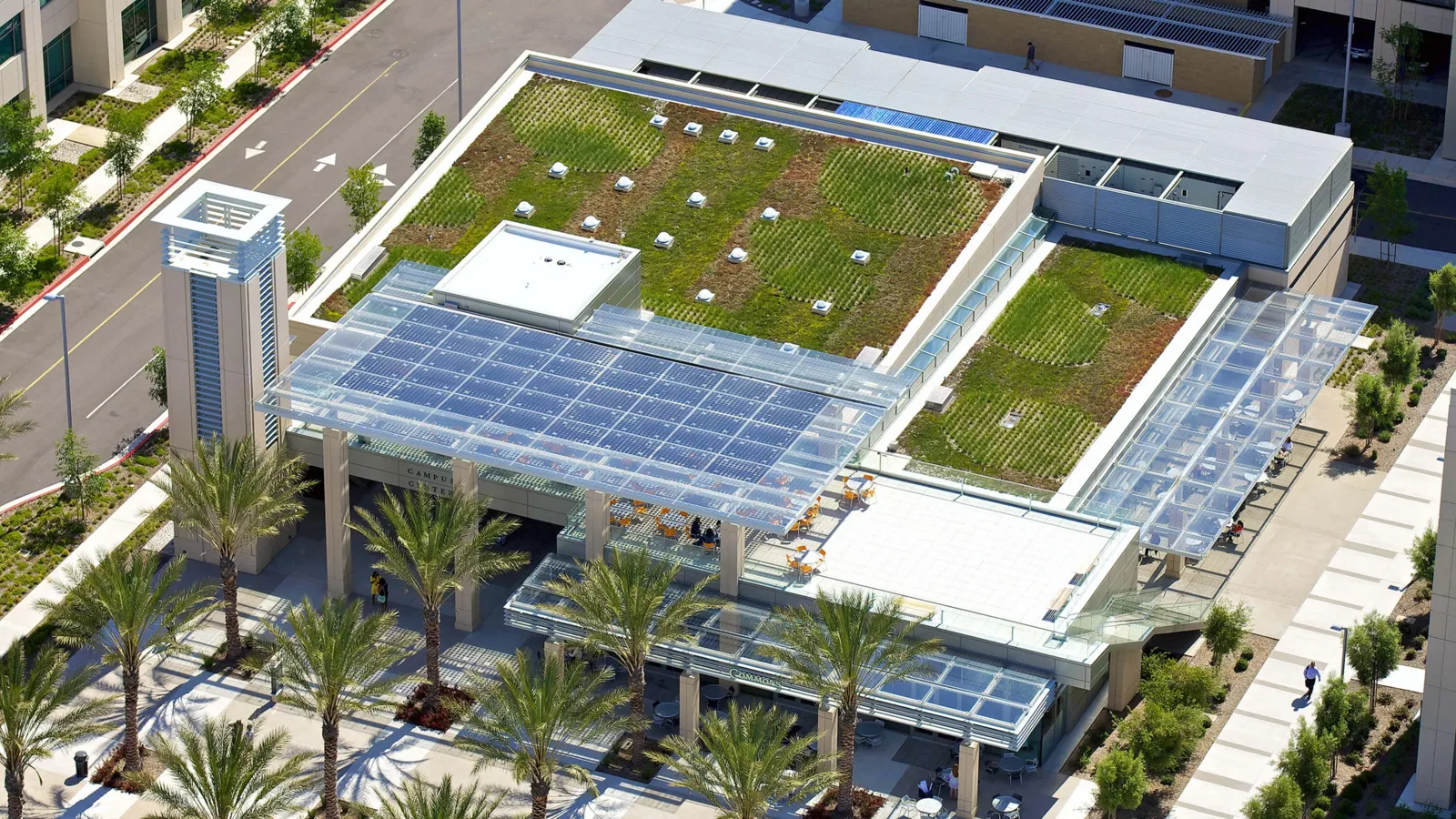
Name the exact Carlisle system
“Carlisle SynTec” identifies a manufacturer's commercial roofing business, not one universal assembly. The specification should state the intended membrane and its thickness, attachment, insulation, cover board, flashing materials and edge treatment. We compare those requirements with the roof that is actually present. A previous invoice, a product label or a membrane sample may help identify a material, but none alone establishes the condition of the deck or lower layers. The condition record notes the evidence and its limits so a replacement scope does not assume more than the inspection found.
At each roof zone we check seams, perimeter transitions, penetrations, drains and previous repairs. A moisture survey can help direct selective openings, then the opened layers are photographed and logged before the scope is finalized. If an older assembly includes areas installed at different times, we keep those zones distinct rather than treating the entire roof as one condition. The same discipline applies when comparing GAF commercial options or Sika Sarnafil systems: the product choice follows the building evidence and the desired scope, not a name on a bid sheet.
Seam work needs a full detail
Many single-ply systems depend on prepared, continuous seams. Dirt, moisture, incompatible material, poor pressure or an uncorrected substrate can affect a weld or bond. We inspect seam edges for separation, fishmouths, wrinkles and repair patches, then identify whether the issue is isolated or connected to movement below. At a new installation, the scope names surface preparation, seam testing and the record that the owner will receive. A neat surface alone does not show whether each transition was completed to the intended system detail.
Penetrations and changes in plane require equal attention. Pipe boots, equipment curbs, drain bowls, parapets and metal edges have their own geometry and connection requirements. We map each type before work begins and show how the membrane will terminate at the interface. On a mixed-use roof, a sequence that keeps one area watertight while another is open may be more useful than a single large work zone. A commercial inspection or drain review can clarify where the scope should start.
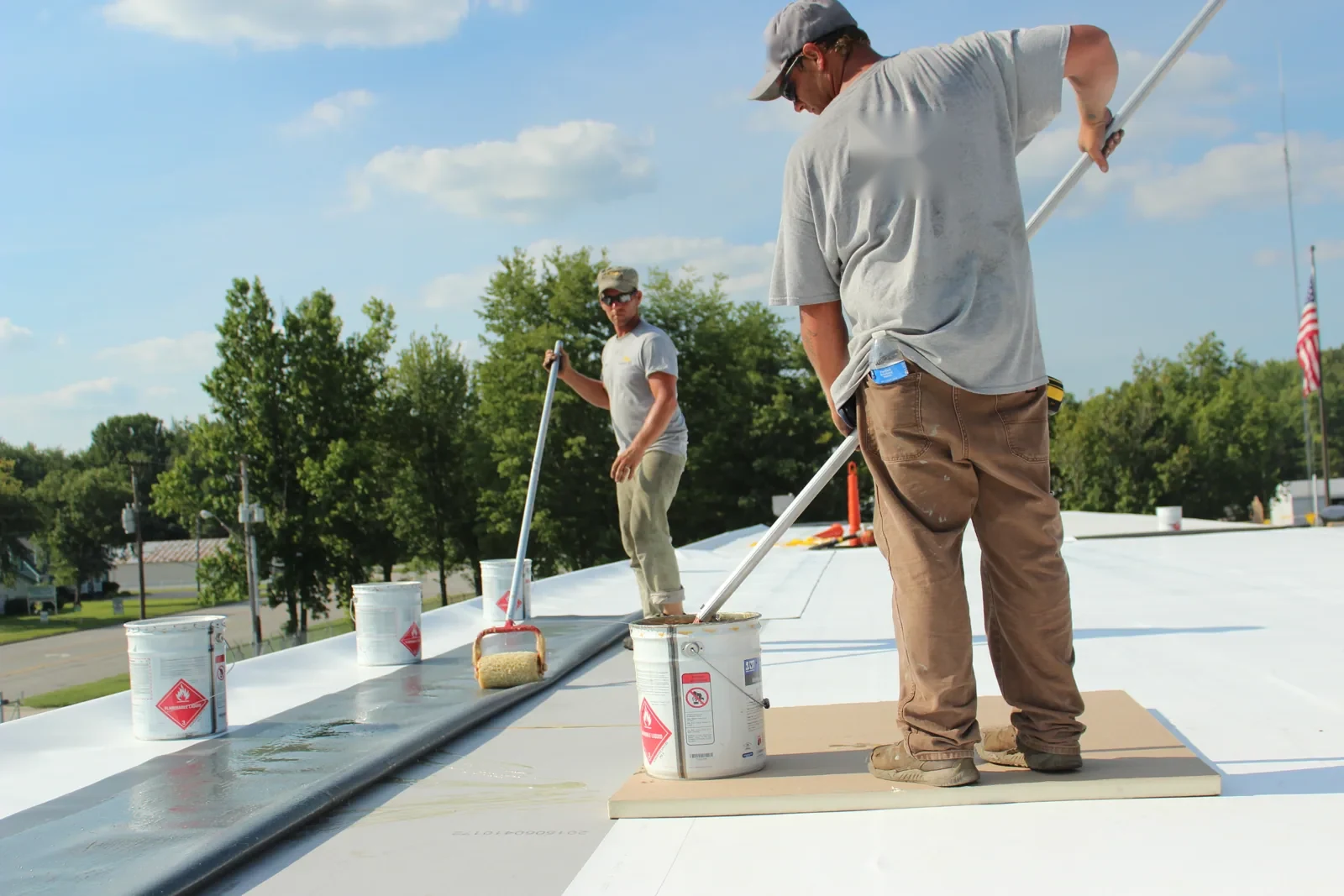
The closure plan belongs in the proposal
Northeast trades persist across Hawaii, but rainfall changes markedly over short distances. Winter storms bring the heaviest rain from October through April, with leeward lowlands generally drier than windward slopes. For a Carlisle installation, we make that broad seasonal context a reason to specify temporary protection and the contact who can pause an unfinished seam, not a prediction for a particular workday.
Waiwai Loop is an employment district, while Downtown Honolulu concentrates financial, commercial and government activity. In both settings, delivery windows, tenant access or critical interior functions may shape the work area. We coordinate the roof sequence with occupied use, record each closure and keep the remaining roof weather-tight as work advances. Where a leak is affecting the interior, our commercial leak repair addresses the water path before a larger replacement decision is made.
Compare equal scopes
An owner can compare repair, recover and replacement only when the assumptions are visible. A repair scope should identify the failed seam or flashing, adjacent material checked and limits of the repair. A recover scope needs a basis for retaining the existing assembly and a clear statement of what will remain concealed. Replacement should state removal limits, substrate preparation, new components, attachment and the way transitions will be completed. We place those options beside one another with the same roof zones and operating assumptions, so the owner can see why one path carries different interruption and future maintenance needs.
Carlisle product literature can define the manufacturer's system details, while the building condition record establishes what the existing roof needs. The system schedule should identify membrane thickness, seam method, fastening pattern and compatible flashing materials. We compare those requirements with the measured roof zones, then keep any product change visible for the owner's review before procurement. We record seam preparation and test observations by roof zone before the new surface covers them. The final assembly log connects each completed detail with its accepted product, work area and any approved field adjustment, giving later maintenance a specific reference. Our TPO scope review and insulation and cover-board work keep system components in view rather than comparing membrane names alone.
Leave a record the next repair can use
Before installation, the scope boundary should state which roof areas, curbs, drains and perimeter details are included. During work, an opening log and photo sequence record conditions that disappear beneath the completed membrane. If wet insulation or damaged substrate is discovered, we identify the location and explain the proposed change before extending the work. At handover, the owner receives the assembly information, areas repaired or replaced, approved scope changes and maintenance observations. The record makes it easier to distinguish a later damage event from an installation detail or a condition outside the original work.
For a Carlisle SynTec roof, future service should use the installed product and detail information rather than a broad system label. We can document recurring water paths, seam observations and repair acceptance as part of preventive maintenance. Owners with several Honolulu properties may also use multi-site roof program records to compare condition and scope status without losing the building-level detail. To arrange an examination in Waiwai Loop or across Honolulu, provide the building use, roof access requirements and available project records. The handover should leave the next decision tied to what was observed.
Commercial Roofing Questions
Which Carlisle SynTec product is specified?
The proposal should identify the system and its components rather than rely on the manufacturer name alone. We verify the roof condition, then align the product, attachment, flashings and transitions with the documented scope.
Can a Carlisle membrane be installed over the current roof?
A recover is considered only after the existing assembly, moisture findings, attachment and applicable requirements are reviewed. We state what remains in place and where openings are needed before including that option.
How do you check a suspect seam?
We inspect the seam and surrounding membrane, note separation or prior patches, and consider whether movement or moisture below contributes to the condition. The repair record identifies the tested area and the completed connection.
What happens if wet insulation appears during removal?
We log the roof location, photograph the exposed layers and describe the affected material before asking for authorization to change the removal boundary. The owner can then review the evidence and scope impact.
How will occupied tenants be protected during the work?
The work plan identifies access routes, roof zones, temporary protection and daily closure points. We coordinate changes with the owner's designated contact and keep the next open area within a workable weather window.
Review the system against the roof
Arrange a commercial roof examination in Honolulu. We will record the existing assembly, identify details that need correction and prepare a Carlisle SynTec scope only when the findings support it.
Tell Us About Your Roof
We will follow up to set up a time to walk the roof.

Request a Roof Assessment
Tell us about the building and what you are seeing. We will follow up to set up a time to walk the roof.