A production roof cannot be specified by brand name alone. The building owner needs to know which GAF system is being considered, what sits beneath it and how the edges, drains and penetrations will be completed. Commercial Roofers Honolulu examines GAF commercial roofing in Honolulu, HI, as an assembly decision, then records the existing condition and the proposed scope before work is authorized. The trade activity and manufacturing uses found across Downtown and Iwilei make occupied operations part of that review, not a footnote after material selection. Our inspection and emergency response are available around the clock, including holidays, when an active opening or leak needs attention.
Identify the assembly before the product
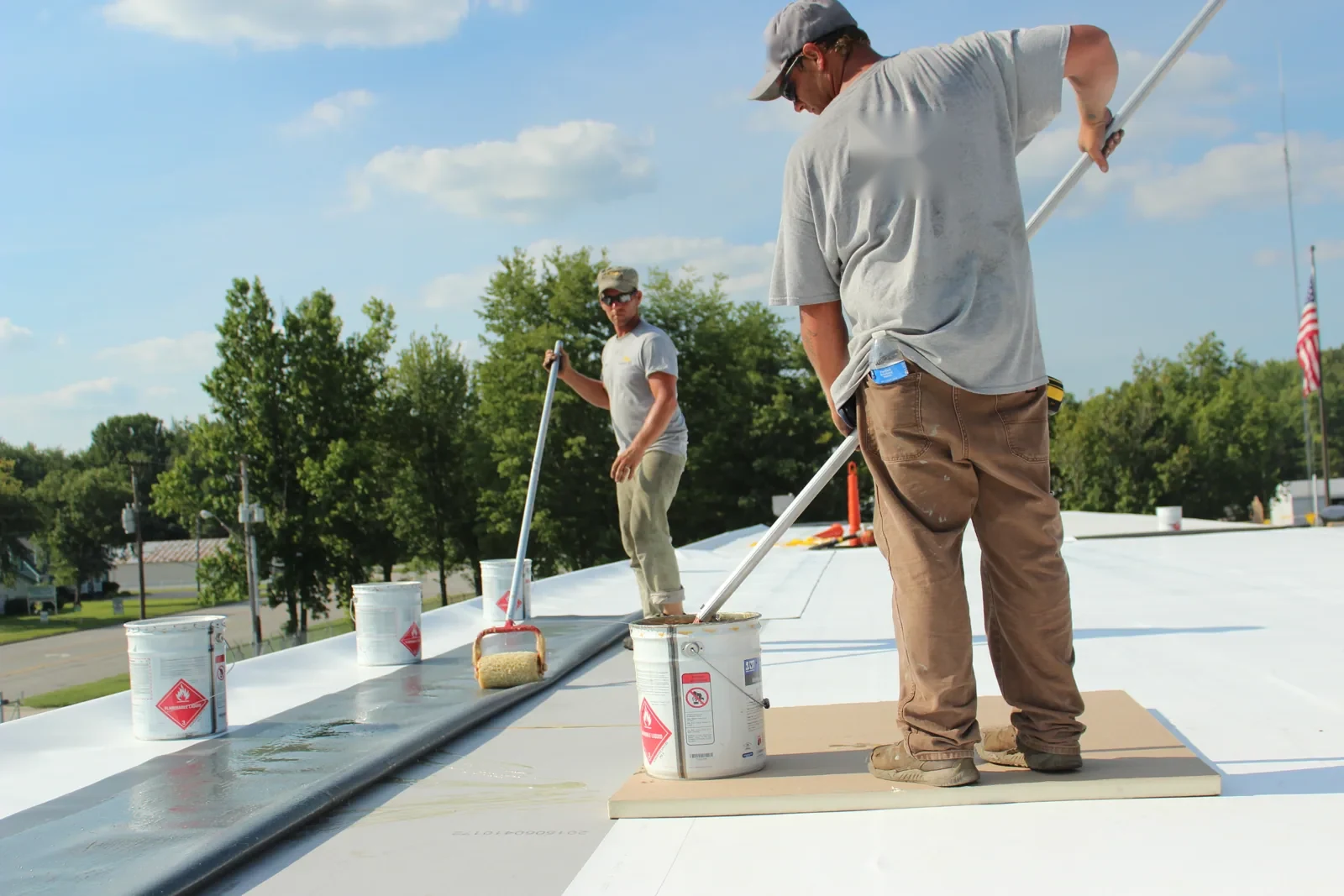
GAF offers commercial roof products across more than one system family, so the first useful question is not simply whether a roof is a GAF roof. We inspect the membrane or surfacing, seams, base flashings, drainage, edge conditions and visible transitions, then compare those observations with available project records. A label on a repair invoice may describe one past material without proving every roof area has the same assembly. We record what is visible and identify where a selective opening would clarify concealed layers before a replacement or recovery scope is set.
This distinction matters when a building has additions, previous repairs or roof areas installed at different times. A proposed GAF membrane may be suitable for one area and require a different detail at an adjoining parapet or equipment curb. We mark each condition by roof zone, photograph the relevant connection and keep the scope boundary clear. That gives an owner a basis to compare a localized repair, a larger restoration or removal without pretending that a product name answers the condition question.
The layers set the decision
Commercial assemblies can include a deck, insulation, cover board, vapor-control layers and an exposed membrane or surfacing. The visible surface does not show whether lower layers are dry, firmly attached or suitable to remain. We review the assembly record, look for movement or separation, and identify where water may have traveled below. If moisture is suspected, a survey can guide selective openings, but an instrument reading does not replace confirmation of the material. The opening log and photo sequence connect each concealed finding to the scope decision.
GAF system selection follows the building's substrate, drainage geometry, existing conditions and operating requirements. We compare the proposed attachment and detail approach with the roof being repaired or replaced, then state removal limits and transitions in writing. A recover is considered only when the existing roof and applicable requirements support retaining it. Where wet or unsound material is present, carrying it forward can compromise the new work. Our TPO assembly review and cover-board scope keep material, support and fastening decisions together.
Edges and openings decide continuity
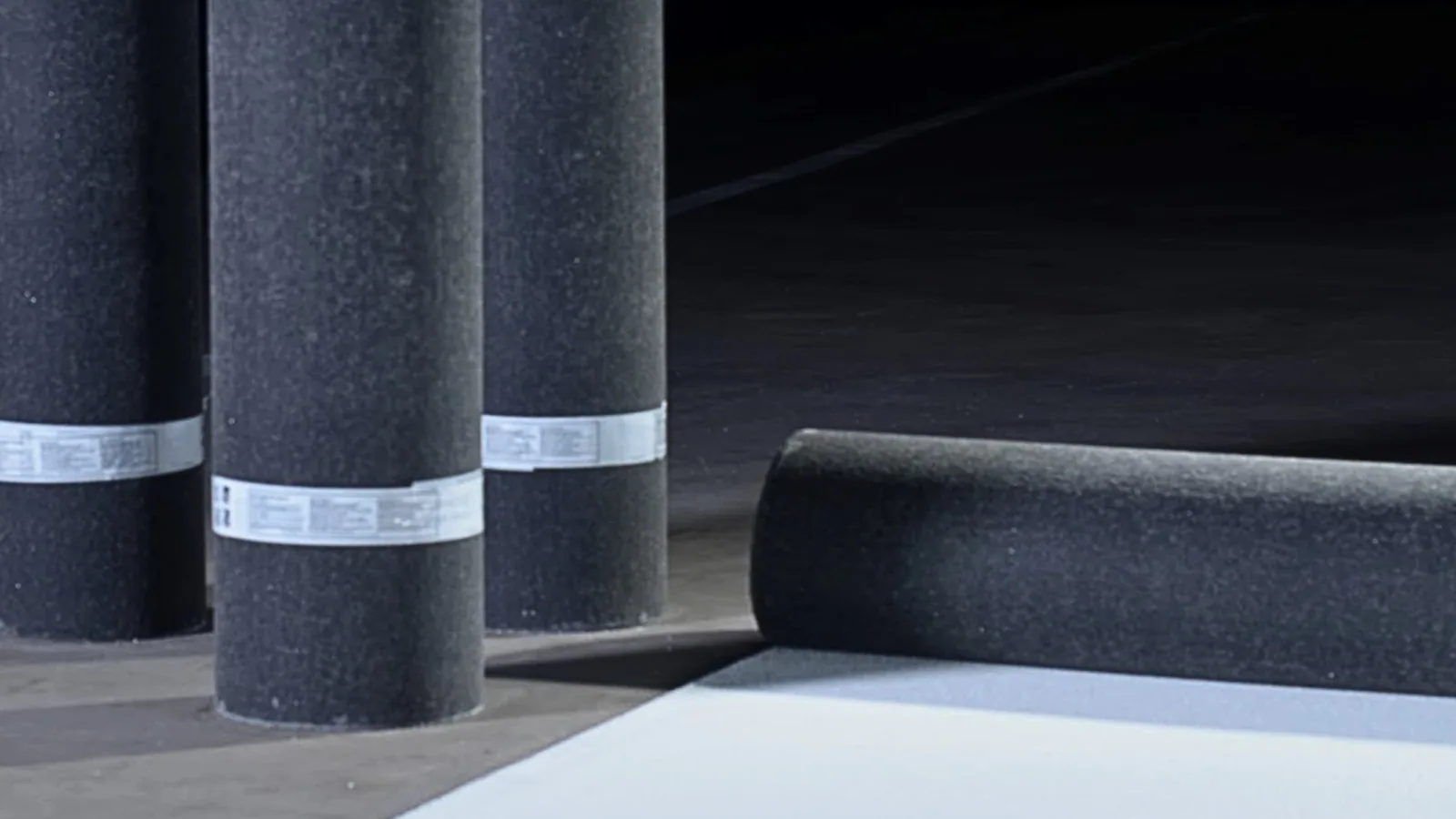
A field membrane only performs as part of a continuous roof. At a curb, pipe penetration, drain, scupper or parapet, the detail has to connect compatible materials and remain serviceable for inspection. We document existing flashing heights, substrate condition, terminations and water paths before choosing a repair detail. When the roof is replaced, the scope identifies how the membrane turns up, how metal edges are secured and where dissimilar conditions meet. The same level of attention applies to coping and perimeter metal and to drains and scuppers, because water that cannot leave a roof changes the demand on every seam.
GAF product documentation and project specifications should be reconciled with the actual field condition, rather than reduced to a generic material substitution. A detail that seems minor on a drawing can affect how an occupied floor is protected during construction or where temporary water protection is required. We identify the work area, the sequence for opening and closing it, and the acceptance record for completed concealed work. If a proposed repair crosses into an older or different assembly, we call out the interface so the owner can decide whether the limited repair remains appropriate.
Plan around the open roof
Across Oahu, northeast trades and humidity affect how an open membrane is protected, while rainfall can change across short distances. Hawaii receives its heaviest rain with winter storms from October through April. We therefore define the GAF work area's closure point and temporary cover without treating a regional pattern as a shift forecast.
Downtown Honolulu brings financial, commercial and government activity into a compact setting, while Iwilei includes commercial and industrial businesses alongside harbor activity. Those uses may call for staged access, protected entrances and coordination with tenants or deliveries. We discuss what must remain open, which areas can be isolated and how the crew will document a transition before covering it. For a known leak, our commercial leak response starts with water entry and assembly evidence before the owner decides whether wider replacement is justified.
Compare complete scopes
A useful comparison keeps the same roof zones and conditions in view. One option may repair a defined seam or flashing failure; another may replace a larger section; a third may remove the existing roof and install a new assembly. We identify what each scope includes, what material stays, what is removed, and which concealed conditions could change the work after opening. The owner can then compare operational interruption, detailing and future maintenance on equal terms instead of choosing from a product label or a single square-foot figure.
GAF systems should be evaluated with the intended attachment, insulation, cover board, perimeter treatment and penetrations in the same conversation. We note where a specification calls for confirmation and keep substitutions subject to a clear approval path. The attachment schedule should show fastener type, spacing, deck engagement and perimeter treatment, with each item tied to the specified GAF assembly. We record any substrate question before installation and route a proposed substitution for written review. The final proposal states the work boundary, access assumptions, weather closure steps and repair acceptance record. For retained roofs, a maintenance plan can track drains, seams and recurring details after construction.
Keep the decision record usable
The owner should receive more than a material description. Our condition record identifies roof areas, observable defects, proposed actions and openings used to confirm concealed layers. Before installation, the scope boundary notes what is included and which findings require authorization. During construction, a photo sequence records substrate preparation, attachment, flashing transitions and closure. At handover, the assembly record connects the installed work to maintenance instructions and manufacturer documentation supplied for the selected system.
GAF literature explains manufacturer options; the building's drawings, invoices and field conditions answer other questions. A brochure does not establish the existing deck, and an old invoice does not establish present moisture. Owners comparing systems can review Carlisle SynTec membrane options or Sika Sarnafil assemblies alongside the same roof findings. To arrange an examination for a Honolulu commercial building, contact Commercial Roofers Honolulu with the building use, known leak areas and available records.
Commercial Roofing Questions
How do we know which GAF system is on the roof now?
We inspect the exposed surface, seams, flashings and available records, then note what those sources establish. Where layers remain concealed, a selective opening may be needed before naming the full assembly.
Can a new GAF roof go over the existing roof?
That decision follows the condition of the existing assembly, moisture findings, attachment needs and applicable requirements. We identify removal limits and explain what must be confirmed before a recover is included.
What should the proposal say about occupied operations?
It should identify work zones, access limits, temporary protection, daily closure expectations and the person who can approve a change. Those details let tenants and building operations plan against the actual roof sequence.
How are concealed conditions documented?
We log each opening by roof area, photograph the layers before covering them and connect the finding to any scope change. The owner can then review the evidence and authorize a defined response.
When should we consider repair instead of replacement?
The condition record should show whether defects are localized, whether surrounding materials remain sound and whether water has affected concealed layers. We compare repair limits with a replacement scope so the decision reflects the whole affected area.
Set the scope from the roof condition
Arrange a commercial roof examination in Honolulu. We will document the visible assembly, identify what needs confirmation and outline GAF-related work only where the roof findings support it.
Tell Us About Your Roof
We will follow up to set up a time to walk the roof.
Request a Roof Assessment
Tell us about the building and what you are seeing. We will follow up to set up a time to walk the roof.