
A custom-fabricated roof still depends on accurate field dimensions and a substrate that is ready to receive it. Commercial Roofers Honolulu reviews Duro-Last systems in Honolulu, HI, by measuring roof zones, checking the existing assembly and documenting transitions before material is ordered. Kalaeloa is a broad leeward community development district, and Waikiki includes resort hotels, older hotel buildings and shops. Those settings put different demands on access and occupied use, but both require the owner to know which details are included and how each work area will close. We record the roof before the first opening and identify what remains concealed. Emergency response is available around the clock, holidays included, when an active leak requires immediate protection.
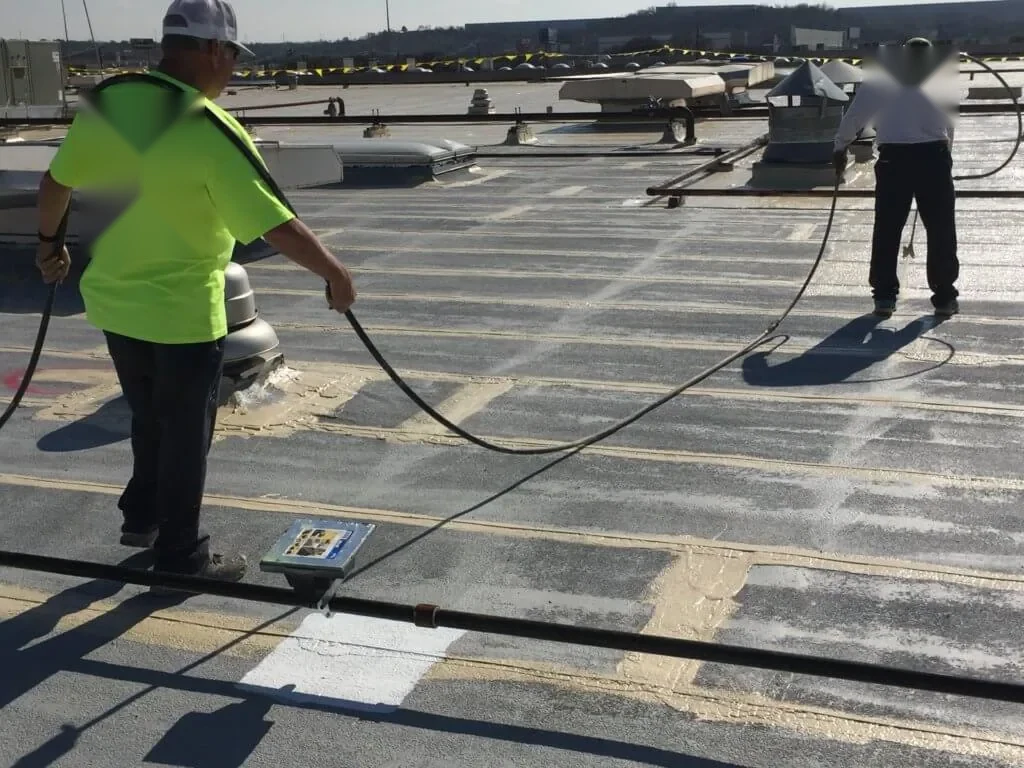
Use fabrication drawings with field measurements
Duro-Last offers custom-fabricated commercial roofing systems and accessories sized for an individual project. Factory-prepared sheets and transition pieces can change how much field cutting and seaming occurs, but they do not remove the need to verify dimensions, attachment and site details. We compare roof plans with field measurements, note changes at curbs and penetrations, and reconcile the order layout with actual perimeter conditions. The owner receives a record of the dimensions and assumptions that govern the material package before installation begins.
Each roof zone still needs a condition review. We inspect the deck where visible, existing insulation, attachment, drainage, edge metal and previous repairs. A product drawing shows the intended components, while a selective opening can confirm concealed layers. If measurement or opening findings differ from the original scope, we mark the location and ask for authorization before changing the order or removal boundary. Owners can compare GAF commercial assemblies and Carlisle SynTec specifications against the same field evidence rather than treating prefabrication as a substitute for roof inspection.
Count every transition before ordering
Custom pieces are most useful when the order reflects actual conditions at the roof edge, drains, equipment curbs, parapets and pipe penetrations. We map those features and confirm dimensions before the fabrication package is accepted. A changed curb height, an out-of-square corner or a repaired substrate may affect the connection. The scope identifies those details and the records needed to resolve them. During work, we check the delivered components against the roof zones and document any adjustment before covering the transition.
A membrane system depends on the field, perimeter and penetration details working together. The Duro-Last accessory package can include custom pieces for critical transitions, but the proposal still needs to state which items are supplied and installed. We identify how the new membrane terminates at retained metal or adjacent roofs, and whether a drainage component is included. Our edge-metal and coping work, penetration flashing scope and drain review keep those interfaces visible, including how the membrane meets a drain bowl or scupper.
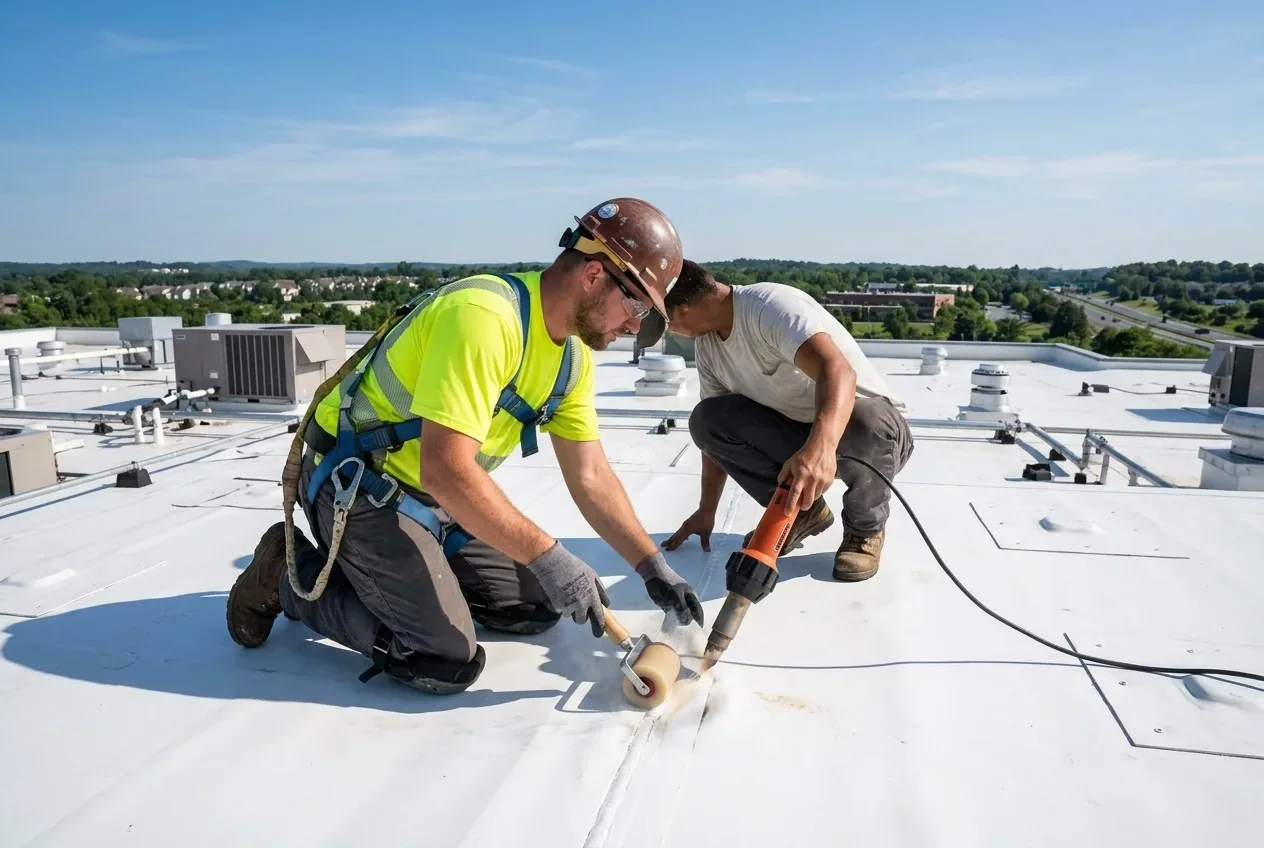
Keep a closure plan beside the fabrication plan
Hawaii's heaviest rainfall comes mainly with October-to-April winter storms; leeward lowlands usually receive less rain than windward slopes. That seasonal contrast helps frame Duro-Last material staging and roof closure, but the crew still checks the actual work window instead of assuming conditions from a regional average. We define the temporary cover, how incomplete seams will be secured and who can approve a pause. Material delivery and fabrication readiness are useful only when the crew can close the work area within a sound weather window.
Waikiki hotel properties may need a sequence that protects guest access and service operations, while Kalaeloa's district setting can involve multiple property boundaries and access arrangements. We coordinate the work zones with the building contact and record the completed closure at the end of each shift. A Kalaeloa commercial roof examination can set the property boundary and roof condition for a proposed scope; it does not assume that a districtwide condition applies to an individual building. When water is already entering, leak repair identifies the source and immediate protection while the permanent system order is reviewed.
Compare what each system leaves behind
A repair may address one failed transition and retain the rest of the roof. A recover uses the existing assembly as a substrate, leaving concealed layers in place. A replacement can remove wet or unsound material and expose the deck, but it creates a larger work area and requires more interior coordination. We describe those alternatives by roof zone, identify the removal limits and state how discovered conditions could change the work. The owner can then compare the actual scope and its operational effect, not just the delivery date for fabricated materials.
For Duro-Last, the selected assembly should include membrane type, attachment, insulation, cover board, perimeter and accessories. The manufacturer offers PVC, PVC-plus-KEE and TPO roll goods; the project specification needs to identify the product chosen and its supporting components. The approved drawings should connect sheet layout, fastening, insulation and edge components with field measurements. We flag a mismatch before material is placed, then record the accepted adjustment so the installed assembly can be identified at handover. A PVC system review or KEE membrane comparison can help the owner evaluate alternatives where the condition record supports more than one path.
Photograph the parts that will be covered
Factory-fabricated components do not make concealed installation work visible after completion. Before coverage, we photograph substrate preparation, attachment plates, field seams, flashing transitions and repair of any exposed deck or insulation. Each image is assigned to a roof zone and tied to an approved change when the scope has shifted. If the opening exposes wet material, the owner sees the layers and location before removal is extended. The record should separate a field adjustment from a product substitution and state who accepted each one.
At handover, we assemble the product information available for the installed Duro-Last system, dimensions, completed work and maintenance observations. That record supports repair acceptance and helps a later service visit identify the membrane and accessories already on the building. For recurring reviews, preventive maintenance tracks drains and connections, while condition reports preserve the roof-zone findings. For a Waikiki hotel roof, the inspection plan retains the roof plans, access limits and prior repair records that set the work boundary.
Commercial Roofing Questions
Does custom fabrication eliminate field measurements?
No. Field dimensions and roof conditions are checked against the drawings before components are ordered. We record curbs, penetrations, perimeters and any discrepancy that changes the fabrication or installation boundary.
Which Duro-Last membrane is in the proposal?
The specification should identify whether the project uses PVC, PVC-plus-KEE or TPO roll goods and list supporting components. We keep the selected product distinct from the broader manufacturer name.
How are fabricated accessories checked on site?
We compare delivered pieces with roof-zone measurements and confirm the intended connection at each transition. Any mismatch or field condition that changes the detail is documented before the component is covered.
Can the building stay occupied while the roof is replaced?
The work plan defines access, staging, protected areas and daily closure points with the building representative. The sequence depends on the actual roof zones and operating limits, which we record before work begins.
What if the deck differs from the drawings?
We photograph the exposed deck, log the location and describe how the finding affects attachment or removal. The owner reviews a proposed change before it is added to the approved scope. The record also helps distinguish a later puncture from a connection included in the project, directing the next inspection to the correct roof zone. That context keeps a new repair boundary specific instead of reopening areas already documented.
Verify the roof before components are ordered
Arrange a commercial roof examination in Honolulu. We will measure the assembly, document transitions and prepare a Duro-Last scope tied to the field condition and approved work boundary.
Tell Us About Your Roof
We will follow up to set up a time to walk the roof.

Request a Roof Assessment
Tell us about the building and what you are seeing. We will follow up to set up a time to walk the roof.