
An aircraft-support building cannot leave a roof opening exposed because a delivery, inspection or equipment task changes the day’s schedule. Commercial Roofers Honolulu repairs and replaces commercial roofing in Honolulu, HI, with each work area tied to access, protected use and a closure sequence the owner can review. The property team confirms the facility’s entry rules and operating limits; our scope identifies the roofing tasks, materials and decision points that fit those controls. The facility authority sets entry and contracting requirements; our proposal identifies the roofing scope and decision points.
The city’s building conditions range from government and office properties in Downtown Honolulu to employment uses in Mapunapuna and Waiwai Loop. That variety matters when a roof proposal must account for controlled circulation, service equipment and the rooms beneath an opening. We begin with the actual assembly, the required roof access and the facility’s operating plan, then identify where examination, repair or replacement can proceed without confusing roofing access with facility authorization.
Access boundaries shape the work area
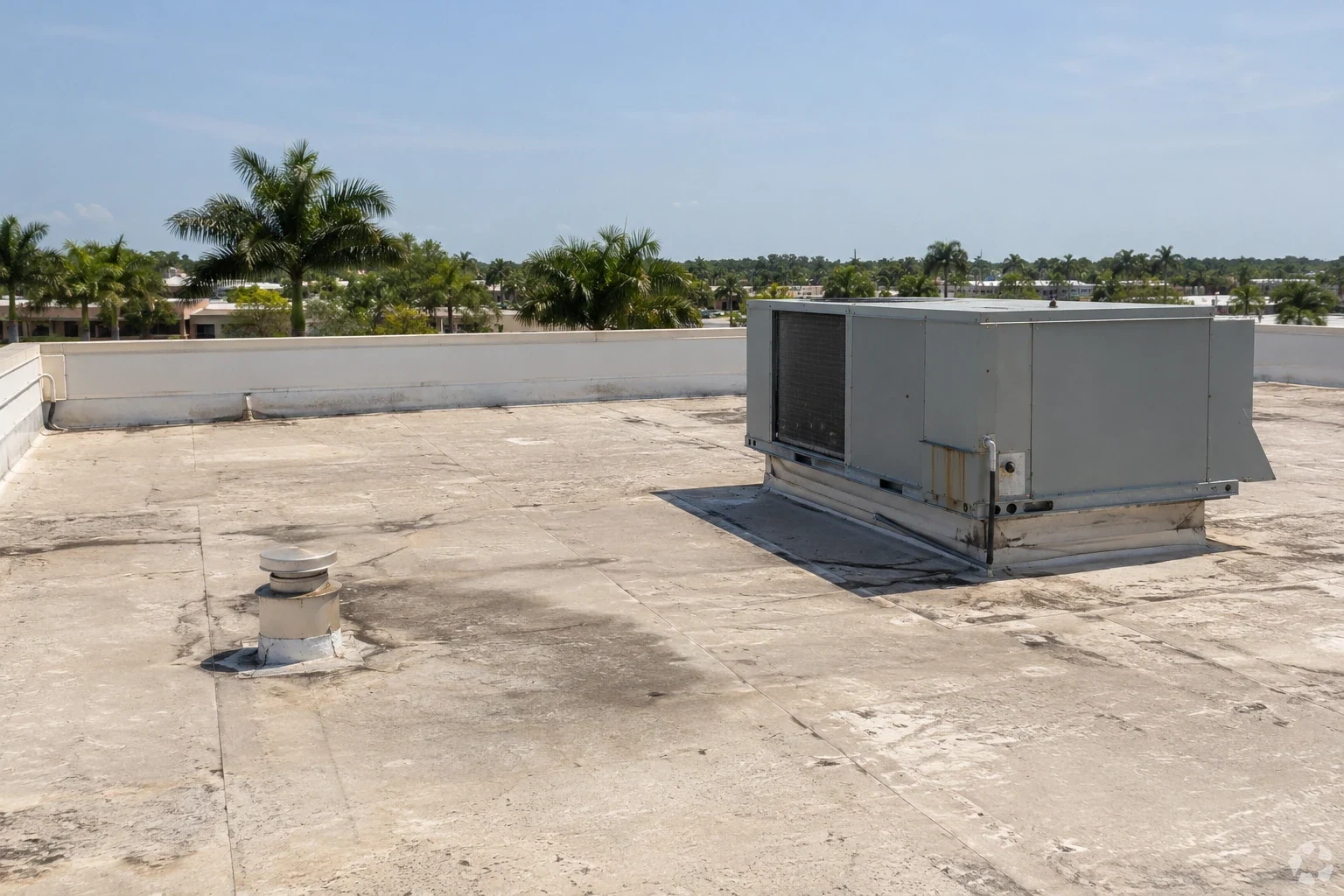
The owner identifies escort, badging, tool-control and delivery procedures before a crew is scheduled. Those controls affect where materials can be staged, how debris leaves the roof and which access point can remain available during the shift. Our preconstruction review records the confirmed route and the roofing area under consideration. If the facility changes access or suspends a planned movement, the work sequence can be adjusted before an opening is made, rather than leave an exposed assembly while personnel seek a new instruction.
Roof-level limitations also need definition. Restricted equipment zones, antenna fields, exhaust paths and flight-related clearances are determined by the facility authority, not inferred by a roofing contractor. We note the boundaries supplied for the project and coordinate the proposed work near them. That distinction lets the owner assess what is in scope, what requires another authorization and what remains outside the roof contract. It also prevents a drawing from being treated as a current access approval when operating instructions have changed.
A condition examination before mobilization can document visible defects and identify concealed questions that might change the authorized work area. The record separates observed roof conditions from access decisions supplied by the owner.
The roof record precedes material selection
Hangar, maintenance and support buildings can include wide roof spans, curb clusters, equipment supports and older repairs, but the existing construction must be examined before a new system is selected. We review available drawings and accessible details, then identify where a selective opening could confirm membrane, insulation, attachment or deck condition. Findings stay attached to their actual locations. An opening in one bay does not establish that every bay has the same layers, especially where additions or past repairs changed the assembly.
When moisture is suspected, an infrared survey with confirmation openings may help define the areas requiring direct examination under suitable conditions. The scope identifies what the survey can locate and what a physical opening must verify. Confirmed wet material receives bounded removal limits, a plan for protecting the interior and a closure detail. If the supporting deck or framing requires assessment beyond the roofing scope, that responsibility is identified before new material conceals the condition.
An aircraft-hangar roof scope may emphasize wide spans and door-edge exposure, while a government-building roof can involve different occupied-use controls. We compare compatible assemblies against the observed substrate, drainage and detail requirements, not against an assumed facility standard.
Operations remain part of the sequence
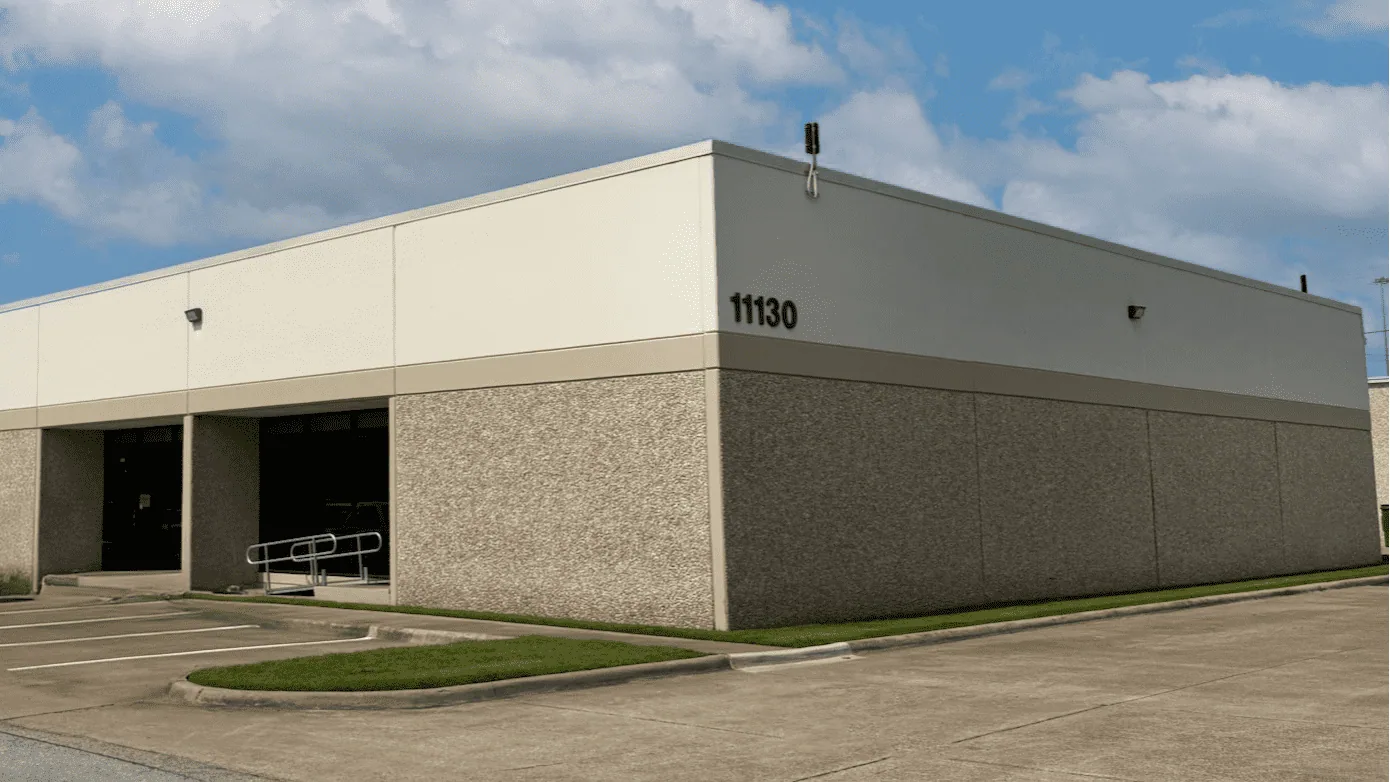
Facility use can continue in one area while another area is isolated, but the owner decides which spaces may remain occupied and which activities must stop. We translate those boundaries into roof phases, access routes and interior-protection needs. Noisy removal, material handling, exhaust routing and temporary barriers can affect nearby operations. The schedule therefore names the work area and the expected closure point for each shift, with a contact path for a changed mission, inspection or delivery priority.
Downtown Honolulu’s concentration of financial, commercial and government activity and Kapolei’s combination of retail and public offices illustrate how much occupied use can differ across the market. They do not establish a particular building’s schedule. The facility’s own operating representative identifies the critical rooms, equipment and circulation paths. A written phase plan can then keep roof work connected to those stated needs, including a limit on the area removed before permanent or temporary waterproofing is restored.
Where equipment must be isolated, lifted or disconnected, the responsible trade and authorization should be named in advance. Our curb and support coordination identifies the roofing closure around the equipment, while the facility confirms who can move it and when.
A closure decision controls exposure
Hawaii’s heavier rainfall generally accompanies its October-to-April winter storm period, while Honolulu also receives persistent northeasterly trade winds. Those conditions make temporary protection and the amount of material opened during a shift concrete scheduling questions. The owner and roofing lead review the forecast, exposed perimeter, drainage path and closure materials before removal. If the planned area cannot be made watertight within the available window, reducing the work boundary or postponing that opening protects both the facility and the assembly.
Wind direction and gust conditions can affect sheet handling, temporary securement and the safe placement of materials. The crew evaluates the roof-level conditions at the time of work, while the facility controls its own weather and flight-operation rules. We identify the temporary termination, fastening or cover that will protect the completed edge and explain which areas remain unfinished. A weather pause should leave a documented boundary that the next shift can inspect before reopening the work zone.
For urgent entry points, around-the-clock response can address temporary stabilization while a permanent scope is developed. The field record states what was protected and what follow-up examination remains, rather than treat an emergency cover as completed replacement work.
Acceptance follows the recorded detail
Concealed roof layers disappear when new work is closed. Photographs therefore identify the bay, curb or transition where each layer was exposed, the material removed, the substrate observed and the connection restored. The opening log includes the owner’s authorization for changes that affect the agreed removal boundary. If the observed condition differs from the drawing or initial scope, work pauses at a protected limit until the owner determines whether more investigation or a revised repair is warranted.
At handover, the owner receives locations for completed areas, temporary boundaries, repaired details and remaining observations. A roof condition report can carry those findings into later maintenance or capital planning. It should distinguish a repaired assembly from a roof area that was only viewed from accessible points. The written record also helps a future facilities team match new equipment work to the roof details that were installed, reducing the chance that a later penetration cuts through a connection without review.
Honolulu’s office and employment settings, from Downtown to Mapunapuna’s employment district, still depend on each facility’s controls. Arrange an examination and scope that identify the assembly, access limits and closure evidence before the roofing area is authorized.
Commercial Roofing Questions
Who establishes escort and badging requirements?
The facility authority supplies current entry rules and confirms personnel approval. We use those instructions to plan arrival, material movement and roof access without treating a roofing proposal as a substitute for base authorization.
Can a hangar remain active while a roof is repaired?
The owner defines which operations continue and which areas must be restricted. We then set a roof phase and closure boundary that reflects those conditions, subject to facility approval.
What happens when a roof opening reveals a different assembly?
The crew protects the opening and records the layers found. The owner receives the difference, its scope effect and the proposed next step before concealed work continues beyond the authorized limit.
How is a weather pause closed out?
The exposed boundary is secured with the specified temporary treatment and photographed. The record states what remains open to later work so a new shift can inspect that transition before proceeding.
Does an Air Force facility roof require a specific system?
System selection follows the verified deck, existing layers, drainage and project requirements. The owner identifies applicable specifications, and our comparison explains which proposed assembly and details meet the stated scope.
Set the facility roofing boundary
Arrange a roof examination with Commercial Roofers Honolulu to define access, assembly findings, protected use and the closure evidence required for the scope.
Tell Us About Your Roof
We will follow up to set up a time to walk the roof.

Request a Roof Assessment
Tell us about the building and what you are seeing. We will follow up to set up a time to walk the roof.