A large-format store manager needs roof work located against sales areas, stock and the routes that must remain usable during construction. Commercial Roofers Honolulu assesses big-box retail roofing in Honolulu, HI, with those operating decisions connected to a material and detail scope. Iwilei hosts commercial and industrial businesses and harbor activities. Kapolei combines retail development with federal, state and county offices. The examination assigns findings to roof areas above the store’s departments and stock locations, giving the owner a practical basis for repair or replacement planning across the wider field.
A large roof can include several drainage areas, equipment groups and details above different interior uses. The most visible defect may not establish the condition of the rest of that field. We record findings by location and explain the work supported at each area. The manager receives a practical distinction between a current local repair, further assembly investigation and a broader capital scope, with the operating consequence of each action identified before work is authorized.
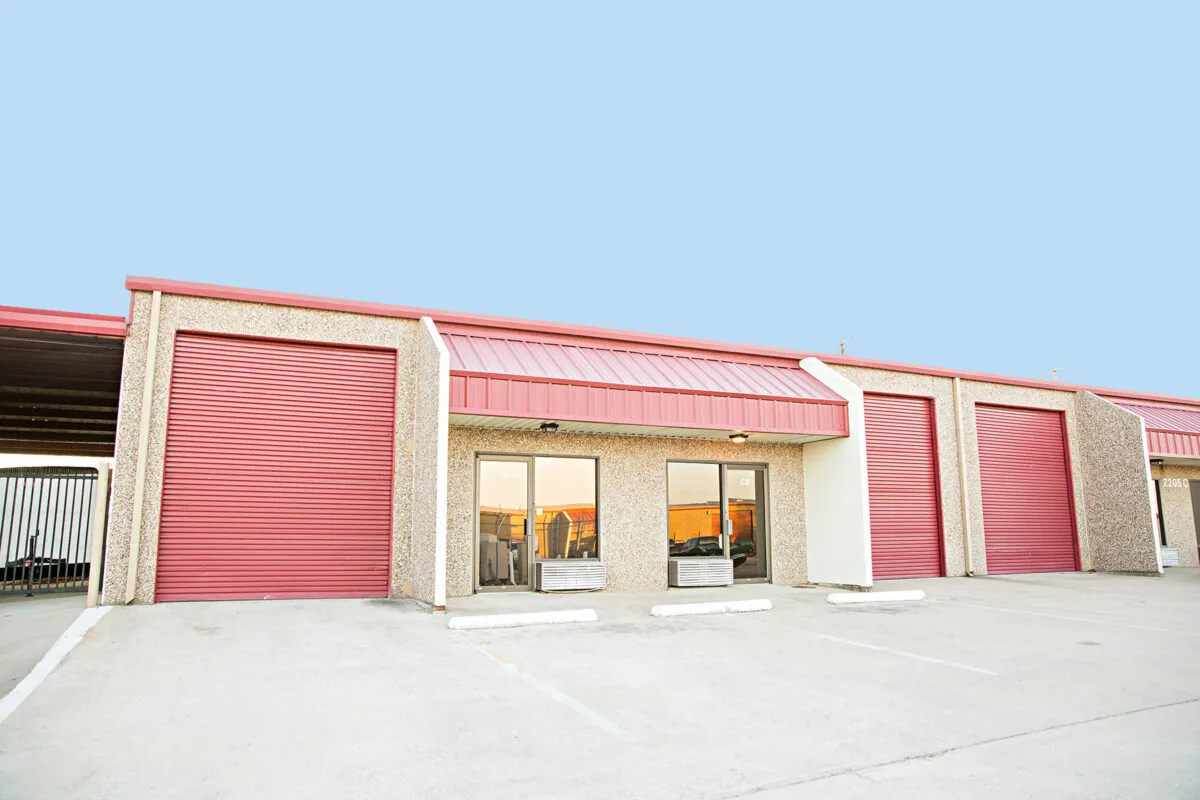
The sales-floor relationship needs clear locations
We relate the owner’s interior observations and available plans to recognizable roof features. Equipment groups, walls and outlets can help locate an affected area. Interior water may travel through concealed spaces, so an observed symptom does not automatically identify the roof connection requiring repair. The examination follows the relevant details and establishes what further investigation is needed before selecting a permanent repair boundary.
Stock and operating routes below proposed openings are reviewed with the manager. The owner decides how those areas will be restricted or protected through its process, while we define the roofing stages and closure needs. If inventory cannot be moved from the initial work area, the proposed operation may need a different timing or method. That dependency should be resolved before removal rather than discovered with an open roof above goods that remain in use.
Delivery and removal routes are also coordinated with store operations. Material handling can affect loading areas or locations used by staff and visitors. We agree construction staging and the restrictions required for each stage. A practical roof proposal includes those routes and boundaries, giving the manager usable information for the operating plan instead of a general promise that the roofing crew will avoid inconvenience.
A wide field can contain different conditions
A large retail roof condition survey examines accessible field, seams and details with recorded locations. We compare isolated damage with surrounding material and earlier repairs. Distributed defects may require a different response from a puncture near one service route. The record identifies the pattern and the assembly questions relevant to repair or replacement, without assuming that every area shares the same condition because it uses the same visible membrane.
Concealed findings can also vary across additions or earlier work. Selective openings establish layers where their condition affects the decision. Confirmed wet insulation or deteriorated support receives appropriate removal limits and a defined connection to retained construction. We identify any qualified input needed for supporting questions. The owner can then review actual material scope rather than estimate hidden damage from the area of a surface defect alone.
A retail EPDM roof proposal includes its compatible seams, supporting layers and details. Other suitable systems have distinct requirements. We identify the installation and attachment arrangement accepted for the project, including supporting information needed before construction. Membrane selection should not leave field transitions or perimeter connections undefined simply because the main area is straightforward to measure.
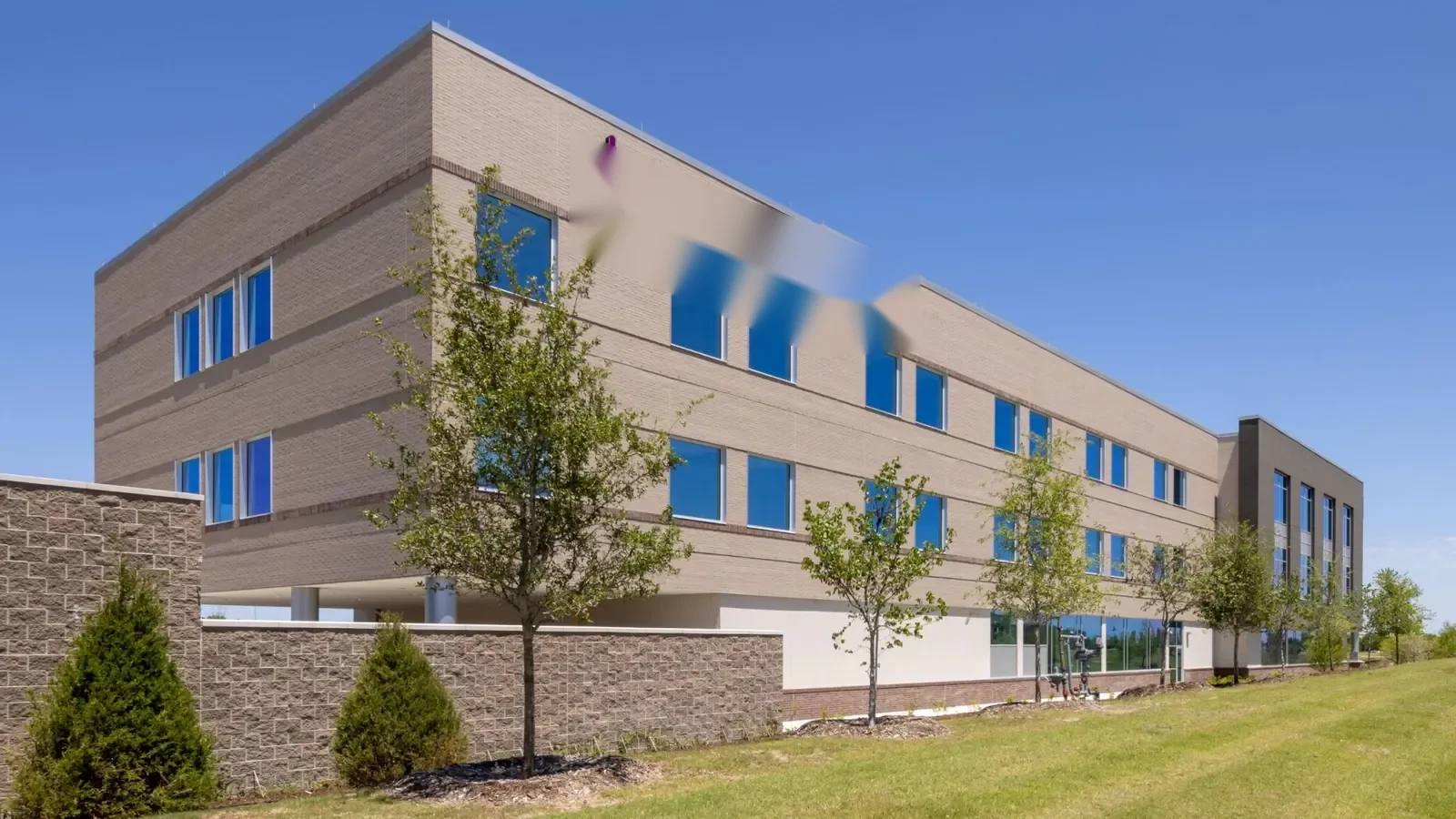
Outlets are assessed as separate connections
A wide roof may have several water routes, making outlet location and surrounding geometry important to the condition assessment. We examine accessible inlets, scuppers and the adjacent waterproofing. Debris, damaged components and unsuitable elevations require different responses. Retail roof outlet assessment identifies the appropriate roofing work and any related piping or design question, keeping cleaning distinct from a correction to the drainage arrangement.
Equipment changes can affect both drainage and access. A new support or service route should not block an inlet or make a required connection difficult to inspect. The responsible parties establish equipment tasks, while our scope defines the waterproofing interface and protection. We coordinate those known changes before installation, avoiding a new roof that must later be disturbed to resolve an access or component requirement already apparent during planning.
Grocery retail roof planning can involve specialized operating equipment, while multi-tenant shopping roof work introduces shared-premises coordination. The large-format store plan follows the actual use and responsible parties involved. We do not transfer either operating arrangement without establishing which stock, equipment or occupancy requirement applies to the building being assessed.
Replacement phases have suitable stop lines
A big-box roof replacement scope identifies removal, retained layers and the detail work needed for the new assembly. Phase boundaries follow geometry, outlets and the ability to close the work appropriately. Concealed repair time is considered before deciding how much material can be opened. Equal daily areas may not provide suitable stop lines where important connections must be rebuilt before the roof is protected.
Hawaii’s winter storms generally bring its heavier rainfall, making the interval for exposed-layer work important above occupied sales and storage areas. We assess actual conditions and limit removal to a practical closure sequence. Temporary connections are recorded and later completed according to the selected system. The manager can distinguish a permanently finished area from a protected boundary awaiting another construction stage when planning continued use below it.
Unexpected concealed conditions are photographed and presented with the revised work through the owner’s authorization process. Suitable protection remains part of that decision. The final account retains accepted changes and the material installed, explaining why removal or detail boundaries differ from the original proposal. This gives the owner a traceable construction record rather than an unexplained adjustment buried beneath a new field surface.
Ownership retains the field and detail account
Owners with retail buildings in Iwilei’s business district receive located findings and completed assembly records. Relevant opened-layer and detail photographs are retained with the scope, including outstanding interfaces outside the contract. Future equipment changes or repairs can begin with known construction and a current examination. Maintenance personnel should also know appropriate access protection and compatible material requirements at regularly serviced locations.
Large-format retail roof capital review uses current findings with that construction history. Recurring defects and new rooftop activity are assessed by location rather than become a single generalized condition label. We identify the next roofing action supported by the material evidence. The owner retains a practical basis for coordinating stock protection, current repairs and future expenditure across the actual roof areas serving the store.
Commercial Roofing Questions
Why divide a large roof assessment into located findings?
Condition and assembly can vary across the field. Locations connect each defect to the proposed response and interior use, helping distinguish current repair work from wider investigation or replacement needs.
What controls the daily replacement boundary above a store?
Geometry, details and the ability to close opened work appropriately determine a suitable boundary. The manager’s stock and access requirements are coordinated with that construction sequence.
Can clearing every inlet resolve a drainage problem?
Cleaning addresses obstruction. Component damage, outlet elevation or restricted piping requires its own examination before the corrective scope is chosen.
How are goods below roof openings managed?
The owner establishes relocation or protection through its operating process. We identify the opening and closure stages so those decisions can be made before roofing material is removed.
Which information helps evaluate a future equipment layout?
Located assembly and detail records provide the starting point. The proposed contact areas, penetrations and access routes still need review with current roof condition and the responsible equipment parties.
Map the retail roof work before opening it
Assess big-box retail roofing with Commercial Roofers Honolulu to define field findings, stock-area coordination and the closure boundaries required for the proposed scope.
Tell Us About Your Roof
We will follow up to set up a time to walk the roof.

Request a Roof Assessment
Tell us about the building and what you are seeing. We will follow up to set up a time to walk the roof.