
A lodging property owner needs roof work related to the rooms, shared services and access routes affected by each construction stage. Commercial Roofers Honolulu assesses hotel roofing in Honolulu, HI, with that operating account connected to the assembly findings. Waikiki has large resort hotels and early-twentieth-century hotel buildings. Resort and retail uses are present along the edges of Kahala’s largely residential district. We examine the particular roof and define repairs or removal before the owner coordinates guest-area restrictions, avoiding a plan that assumes one occupancy arrangement applies across every room and equipment zone.
A hotel roof project can require decisions about continued use before the full assembly is exposed. The owner’s operating team establishes which areas can remain available and which need a temporary change. We explain the opening, equipment interfaces and closure needed for the proposed scope. The roofing plan should let that team review actual stages and dependencies rather than rely on a general assurance that lodging operations will remain unaffected throughout construction.
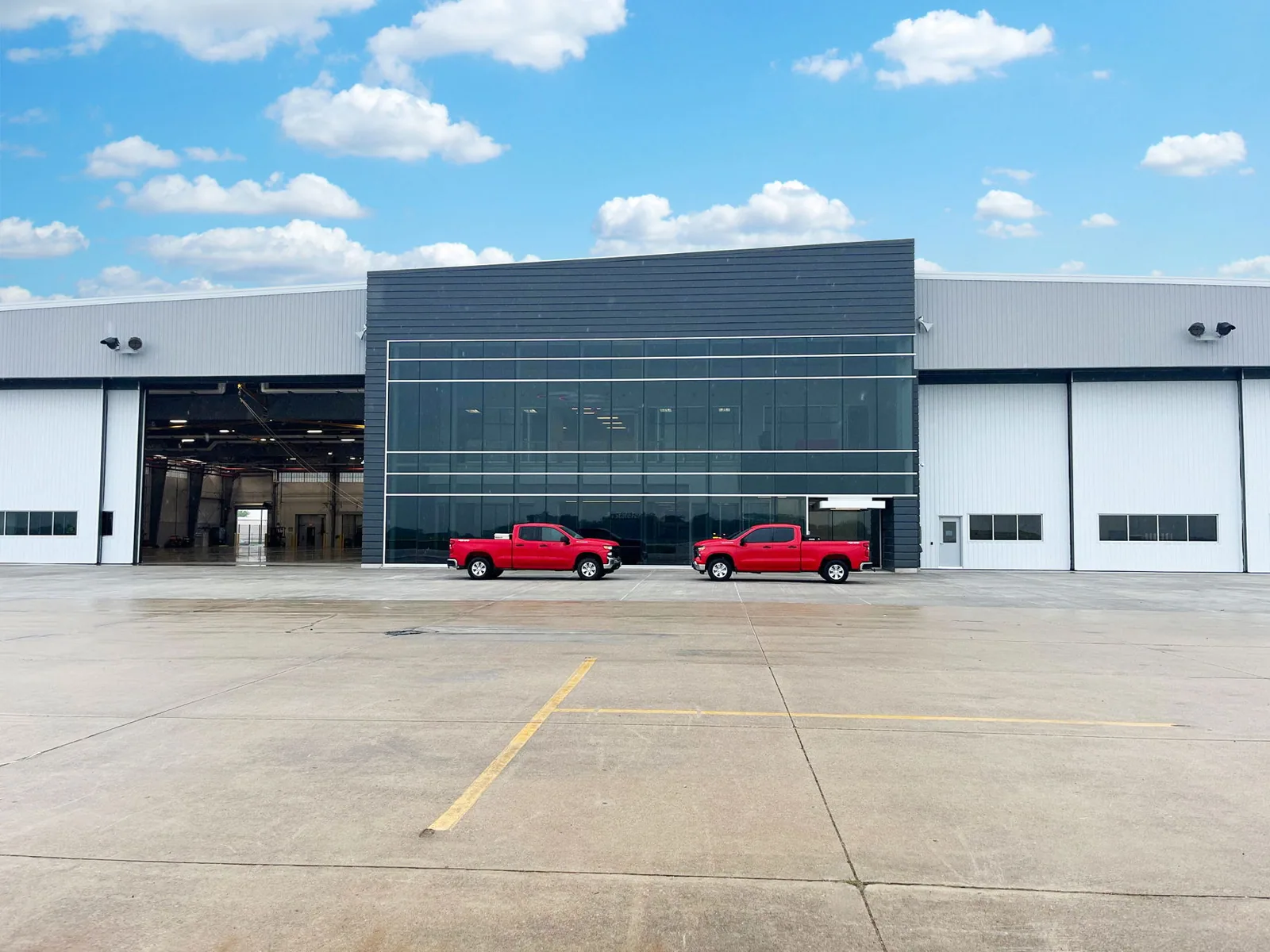
Roof findings connect to operating areas
The owner’s account identifies where water appeared, when it occurred and whether an equipment change coincided with the observation. We relate permitted interior information to accessible roof features and records. A hotel water-entry investigation examines the relevant connections before selecting a repair boundary. Water can travel within the assembly, so the affected room does not automatically identify the roof defect directly above it.
Investigation openings are agreed with their purpose, protection and closure requirements clear. The owner reviews restrictions for the area below the work. Where access limits leave a concealed question unanswered, we identify the next authorized examination needed. The condition record distinguishes observed roofing damage from a finding that still requires evidence, helping the owner make a useful repair decision without an unsupported account of hidden layers.
Separate roof levels or earlier additions may contain different assemblies. We establish those differences where they affect retention, material choice or the connection to new work. An opening on one area is not silently extended to another with different construction. Location references and relevant photographs preserve the findings, allowing the operating plan and roof scope to describe the same work boundary.
Shared services create sequencing dependencies
Rooftop equipment can serve several occupied areas, making its alteration dependent on the owner and responsible equipment parties. Hotel equipment interface coordination identifies the waterproofing connection and preparation needed for a curb or support change. The component’s accepted arrangement and support requirements are established before permanent roofing is formed around it.
Disconnection, lifting or service-line changes are assigned to the responsible trade stages. The roof sequence identifies when those tasks must be completed and how an opening is protected between operations. A completed membrane should not depend on an unspecified later component adjustment. Relevant records distinguish the roofing work from the equipment scope while preserving their shared connection in the construction account.
Later maintenance access also deserves attention. Equipment routes should protect the installed roof and permit inspection of outlets, perimeter details and reconstructed flashings. We identify regularly serviced locations and appropriate protection for the selected system. A layout that makes a required detail inaccessible needs coordination before construction, rather than become a recurring difficulty every time the owner arranges another equipment visit.
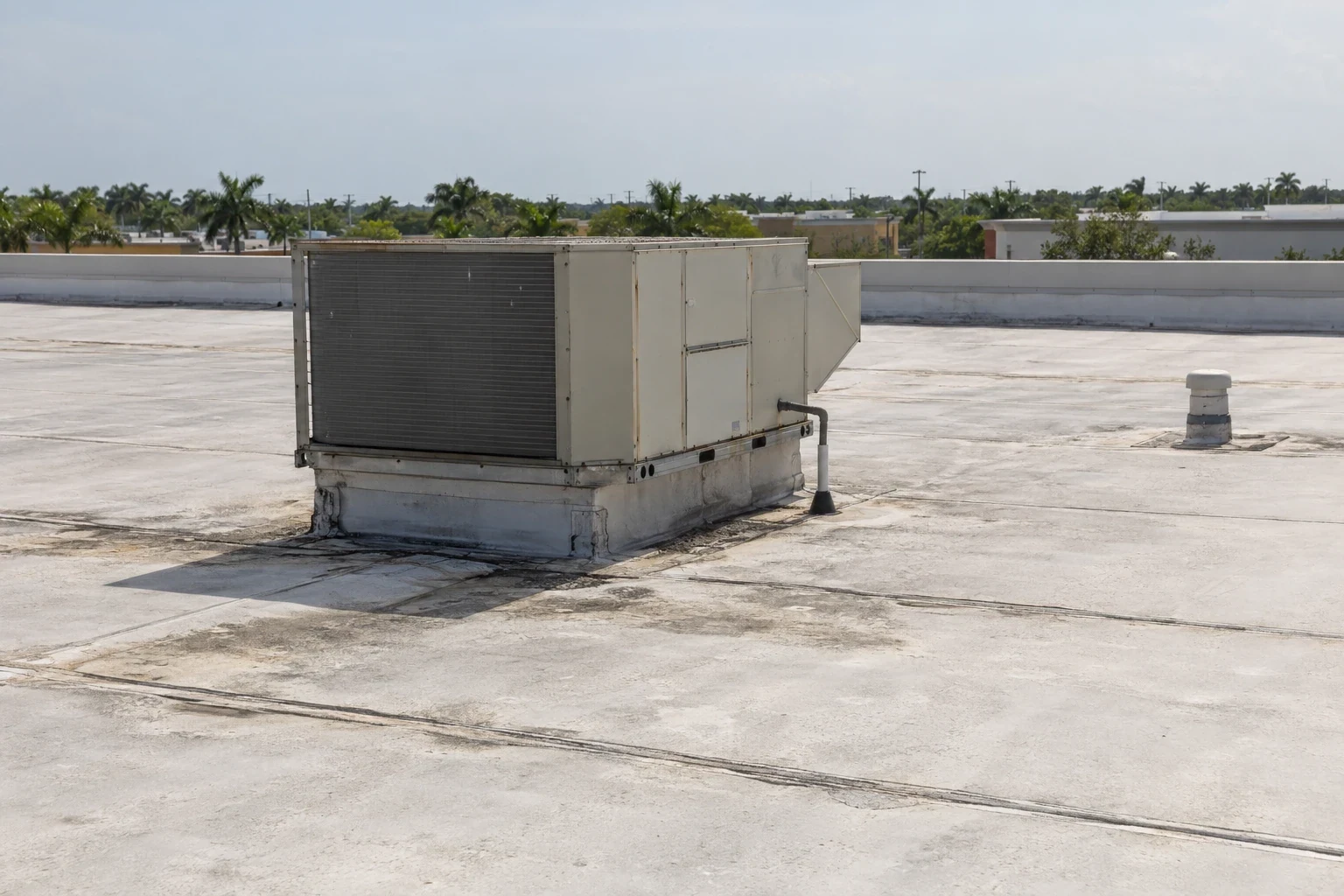
The capital scope includes concealed conditions
A hotel roof condition review examines accessible field and details alongside repair history. Distributed deterioration, local surface damage and separated terminations require different consideration. Where concealed layers affect the decision, selective investigation establishes material condition. Confirmed wet insulation or deteriorated backing receives defined removal and reconnection limits, with any supporting questions identified for qualified input.
A proposed hotel TPO roof assembly identifies substrate, attachment and compatible junctions. Other appropriate systems have distinct construction requirements. Added insulation can change curb and wall heights or outlet relationships, so those details are coordinated before the field is installed. The owner reviews a connected material scope rather than a membrane selection that leaves important transitions unresolved until construction.
Multifamily occupied roof work and restaurant roof coordination can involve related uses within some properties, but their operating plans do not automatically establish hotel requirements. The owner identifies the functions actually present and the parties controlling them. We connect the roofing stages to that information, preserving the specific restrictions and equipment dependencies relevant to the lodging building.
Phases reflect closure and guest-area restrictions
Material delivery, staging and debris routes are agreed with the owner’s operating process. The plan identifies where construction activity affects access or areas below removal. A phase boundary follows roof geometry, details and the capacity to close the opened assembly appropriately. Its size is not chosen only from an area target when concealed repair time or an equipment dependency can change the work needed before protection is restored.
Hawaii’s winter storms generally bring its heavier rainfall, so an exposed hotel roof stage needs an actual interval suitable for removal and closure. We assess conditions and limit openings accordingly. Temporary transitions are recorded with the remaining work required for permanent completion. The owner can then coordinate occupied areas against a clear account of finished roofing and protected construction rather than assume a dry interior during one interval establishes final closure.
Unexpected material findings receive photographs and a proposed response through the agreed authorization route. The roof is protected while the permanent scope is resolved. Accepted changes remain in the final assembly record, including any revised detail or removal boundary. This gives the owner a usable explanation of construction decisions that may no longer be visible beneath the completed field membrane.
The material record supports continuing lodging use
Owners in Waikiki’s lodging area receive completed detail photographs and relevant exposed-layer findings with the roof scope. Separate equipment records retain their own responsibilities, and outstanding interfaces are identified. Future service work can begin with known roof construction and a current examination where the proposed change affects it. The handover also identifies compatible care and access protection appropriate to the installed system.
Hotel roof capital review can compare later findings with recurring repairs and the assembly installed. A new leak, changed rooftop use or increased repair burden is examined through material evidence rather than an unsupported remaining-life figure. We identify the next action justified by current conditions. The owner retains a practical account for immediate guest-area coordination and future expenditure, keeping the roof decision grounded in the actual building and completed work.
Commercial Roofing Questions
What operating information helps plan hotel roof work?
The owner identifies affected rooms, shared equipment and access restrictions. We describe the roofing stages and closure requirements so the responsible team can coordinate guest-area decisions before construction reaches them.
Can a room leak identify the repair point without roof investigation?
The entry path still needs evidence. Water may travel before appearing inside, so the examination relates interior observations to roof connections before defining the permanent repair.
Why assign equipment tasks before closing new roofing?
Their timing can control curb and service-line details. The sequence should identify the accepted component arrangement and responsible trade stage so completed waterproofing is not dependent on a later undefined alteration.
How are temporary roof phases distinguished at handover?
Their locations and remaining closure work are recorded during construction. Final acceptance identifies the permanent connections completed and any outstanding interface beyond the accepted scope.
Which record supports the next lodging roof capital decision?
Located material findings, installed details and subsequent condition observations provide the basis. Current assembly evidence establishes repair or investigation needs before a broader expenditure recommendation is made.
Define hotel roof work against occupied use
Assess hotel roofing with Commercial Roofers Honolulu to establish assembly findings, equipment stages and the opening and closure plan for the actual lodging property.
Tell Us About Your Roof
We will follow up to set up a time to walk the roof.
Request a Roof Assessment
Tell us about the building and what you are seeing. We will follow up to set up a time to walk the roof.