
A maintenance bay cannot treat an unfinished roof edge as harmless when aircraft, tools and scheduled work remain beneath it. Our scope connects the active bay, observed layers, confirmed facility access and a closure point for the shift. The owner establishes the operating plan and security limits. The owner confirms applicable security and mission controls; we identify the roofing examination, materials and detail work that fit the approved area. A roofing scope does not establish clearance, federal contracting status or permission to enter a controlled facility.
Wide-span roofs and service equipment can make one bay behave differently from the next. The first review connects the roof assembly, support conditions, doors, exhaust paths and access limitations with the use below. Downtown Honolulu’s government and commercial buildings and the employment areas of Mapunapuna and Waiwai Loop provide distinct contexts across the market, but none defines a particular hangar. The facility’s own records and examination determine which layers, transitions and construction boundaries the proposed work can address.
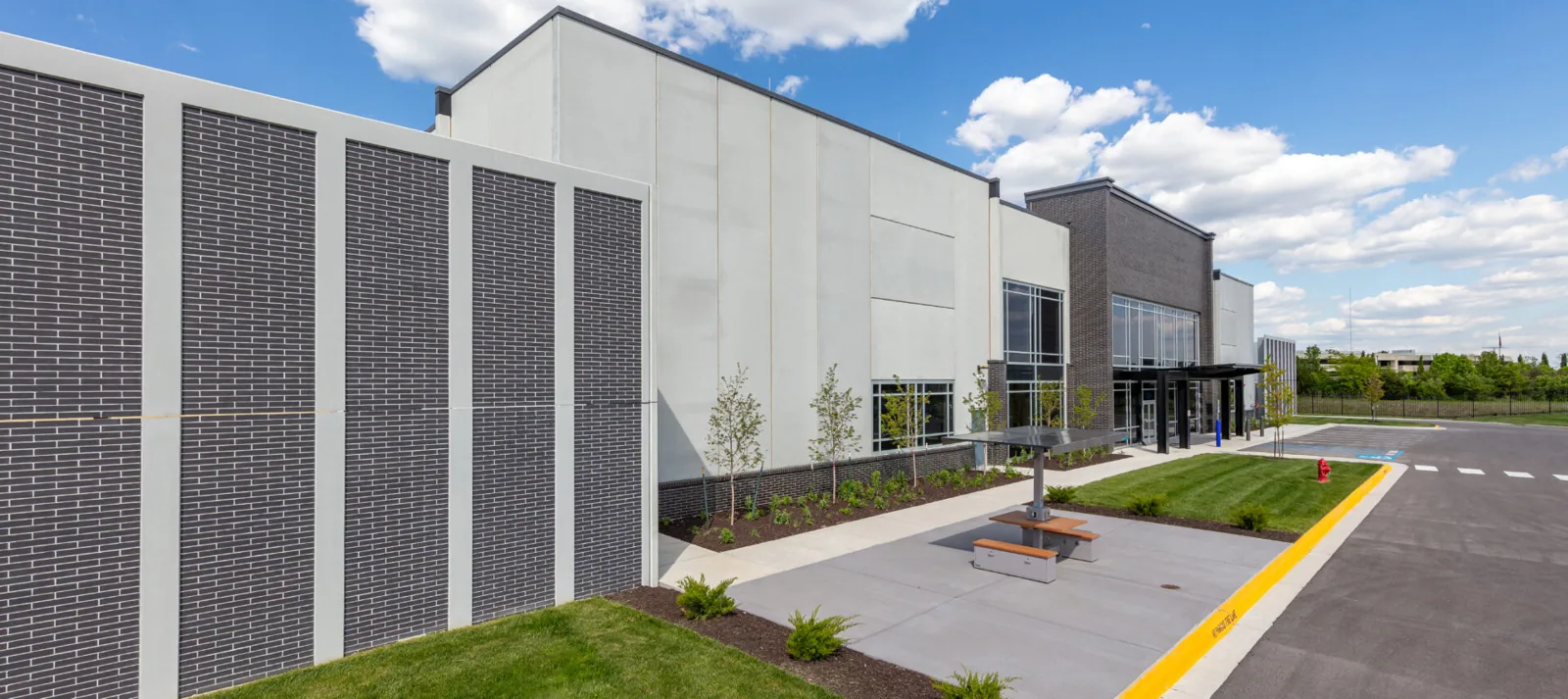
Bay limits establish the inspection
Drawings may divide a roof into areas that appear uniform while repairs, additions or equipment changes have created different assemblies. We compare available plans with accessible field conditions and record where those differences occur. Door edges, expansion joints, roof monitors, curbs and drains receive separate attention because they can interrupt long membrane or metal runs. The report identifies what was directly observed, what remains concealed and whether a selective opening would answer a question that affects repair or replacement.
Each bay receives a location reference that the maintenance team can recognize without relying on a single close-up photograph. Where a leak has affected an interior work area, the observed roof detail is related to the reported location, but not assumed to be its cause. A focused leak investigation can trace the entry path when water may have moved along a deck, support or concealed layer. That distinction matters in a hangar where a repair made above the wrong bay could interrupt the work schedule without correcting the condition.
We also mark areas where roof access was unavailable or where facility rules limited examination. Those limits remain visible in the owner’s decision record, rather than allow an adjacent bay to stand in for a surface that was not inspected.
Equipment interfaces need assigned trades
Exhaust, ventilation, communication and maintenance equipment can place multiple penetrations close together. A curb that has shifted, a conduit added after the roof was installed or a support that bears on the waterproofing may require coordination beyond membrane repair. We identify which components the roof work touches and which trade must disconnect, lift or secure equipment. The owner assigns those responsibilities and confirms any isolation or operational restriction before a detail is opened.
At each curb, the scope describes the existing flashing, support and surrounding sheet or panel. If the curb itself is too low for the planned assembly, replacing the membrane around it alone will not provide the required transition. A curb and support review can define a raised curb, new support or protected movement joint where the field condition warrants it. The closure detail is recorded so later maintenance personnel can identify what roof work was completed and where another trade must preserve it.
Weather seals and ventilation openings must remain connected to their function after the roofing is closed. We describe the proposed work at the roof interface and leave airflow, equipment commissioning and structural support decisions with the responsible professionals. The scope does not ask a roofer to infer operating requirements from a roof photograph.
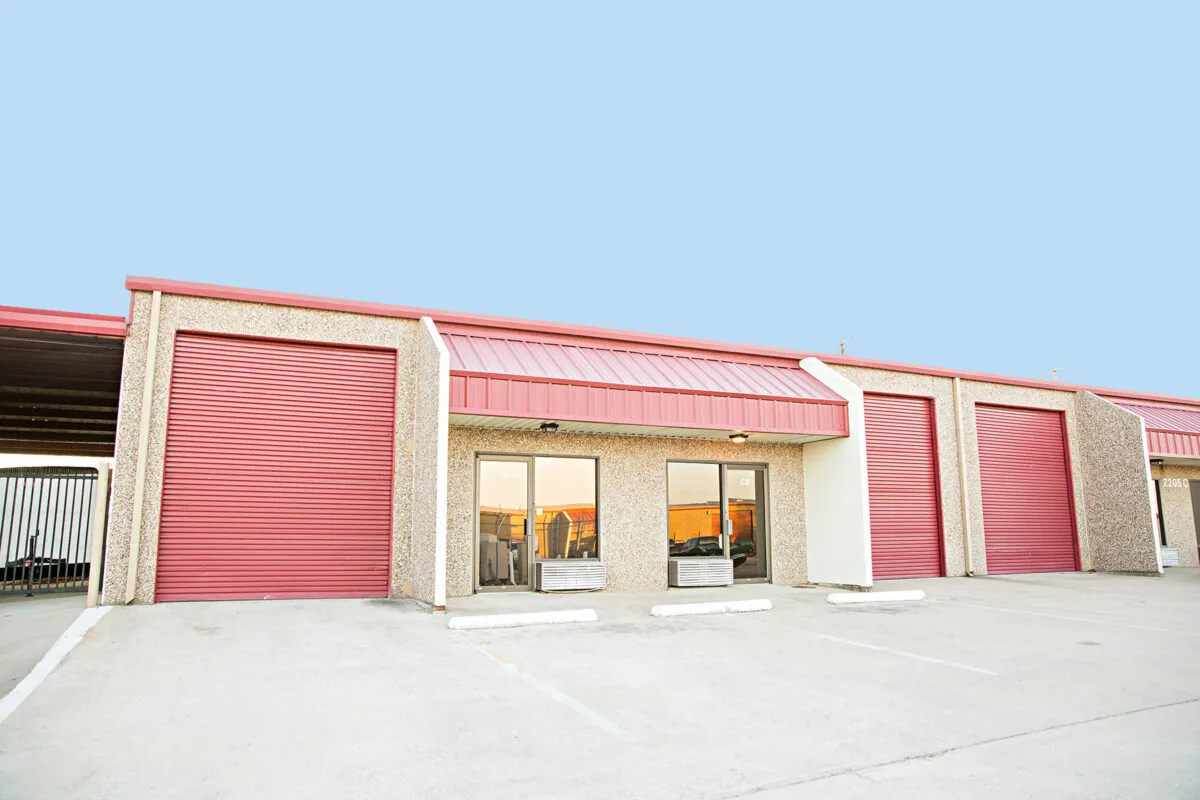
Existing layers decide the repair boundary
An aircraft-hangar roof can contain membrane, metal, insulation, cover board and deck materials in combinations changed by prior work. A hands-on condition examination records accessible seams, fasteners, flashing and drainage before a material is selected. Where dampness or deterioration beneath the surface could change removal limits, an infrared moisture survey may help identify areas for confirmation under suitable conditions. Selective openings then establish which materials are present at the points that affect authorization.
Confirmed wet layers receive a boundary based on the actual findings. The owner sees the material proposed for removal, the substrate to remain and the connection needed at each transition. If the deck or a support requires a structural decision, roofing stops at a protected limit until the appropriate review is complete. New membrane should not conceal a condition the owner has not authorized or that remains outside the roofing contractor’s scope.
System choice follows the verified assembly. A standing-seam metal option and an armory roof scope must account for movement, attachment, drainage and edge geometry. We compare the proposed system’s details with the building’s observed construction, rather than imply that a single facility specification applies to every roof.
Temporary closure protects the active bay
Hawaii’s heavier rain generally occurs with winter storms from October through April, and the state has persistent northeasterly trade winds. Those conditions make shift length, temporary securement and the area opened at one time part of the construction plan. Before removal, the owner and roofing lead review the forecast, drainage path, wind exposure and materials needed to close the work. If the available window cannot support the planned boundary, a smaller area or a delayed opening protects the bay and its contents.
Wide surfaces can receive wind differently from recessed details. Sheet handling and temporary fastening must suit the conditions at the roof when work occurs, and the facility may impose stricter movement or equipment rules. The scope identifies the temporary termination and the point where permanent work is expected to resume. A pause leaves a photographed edge with its covering and remaining open area recorded, so the next shift can inspect the closure instead of trusting an incomplete handoff.
For active water entry, around-the-clock roof response can stabilize a defined area while a permanent repair is prepared. The owner receives a record of that temporary action and the examination still needed to decide whether a larger bay needs removal.
The opening log preserves the bay record
Each opening log connects a roof location with the layers exposed, the material removed and the closure installed. Photographs include a recognizable bay or equipment reference as well as the close detail, allowing the facilities team to locate the work after the surface is complete. An owner-authorized change records its scope effect before crews continue beyond the original limit. The account distinguishes new roofing from substrate that remained and identifies any condition referred for another professional’s review.
A condition report with located photographs can carry that history into later equipment or maintenance planning. For properties in Mapunapuna’s employment district, as elsewhere in Honolulu, the relevant handover is specific to the facility examined. A separate building in Downtown may have different access limits and roof details even when the same contractor handles both scopes.
Arrange a roof examination that identifies the active bay, access requirements and closure evidence. The owner can then authorize a repair or replacement sequence with a clear record of what is exposed, protected, restored and left for further review.
Commercial Roofing Questions
Can a roof crew set the hangar access rules?
No. The facility authority confirms who may enter, how tools and materials move, and which operating limits apply. We build those confirmed conditions into the roofing sequence.
What if a drawing does not match the hangar roof?
The field record marks the difference and identifies whether it affects attachment, removal or a transition. A selective opening or another professional’s review may be needed before the scope proceeds.
Which record helps identify work below a large roof span?
A bay reference, overview image and close photographs connect the finding with its location and exposed layers. The record also notes what the examination could not reach.
Does this scope include aircraft or equipment relocation?
The roofing scope identifies access and protection dependencies. The owner assigns equipment movement to the authorized facilities or trade personnel and confirms the interval when the roof interface can be worked.
Define the hangar work boundary
Arrange an examination with Commercial Roofers Honolulu to connect the roof assembly, active bay, equipment interfaces and closure record to the proposed work.
Tell Us About Your Roof
We will follow up to set up a time to walk the roof.

Request a Roof Assessment
Tell us about the building and what you are seeing. We will follow up to set up a time to walk the roof.