A distribution building owner considering metal roof work needs the panel profile and concealed attachment understood before replacement pieces are selected. Commercial Roofers Honolulu assesses standing seam metal roofing in Honolulu, HI, with movement, connections and supporting construction included in the decision. The industrial employment areas of Mapunapuna and Waiwai Loop provide broad local settings for commercial roof work. We examine the actual assembly rather than infer its construction from its location, defining which panels and details can remain and what must be investigated before a repair is approved.
Standing seam roofing connects metal panels along raised seams and commonly uses concealed attachments within a system designed to accommodate movement. Profiles, clips and detail arrangements differ. A roof’s outward appearance cannot establish the components below the seam or the suitability of a replacement panel. We identify available system information and accessible conditions, then explain the connections needed for an appropriate repair or new installation, keeping panel selection tied to the complete assembly.
The profile identifies the connection questions
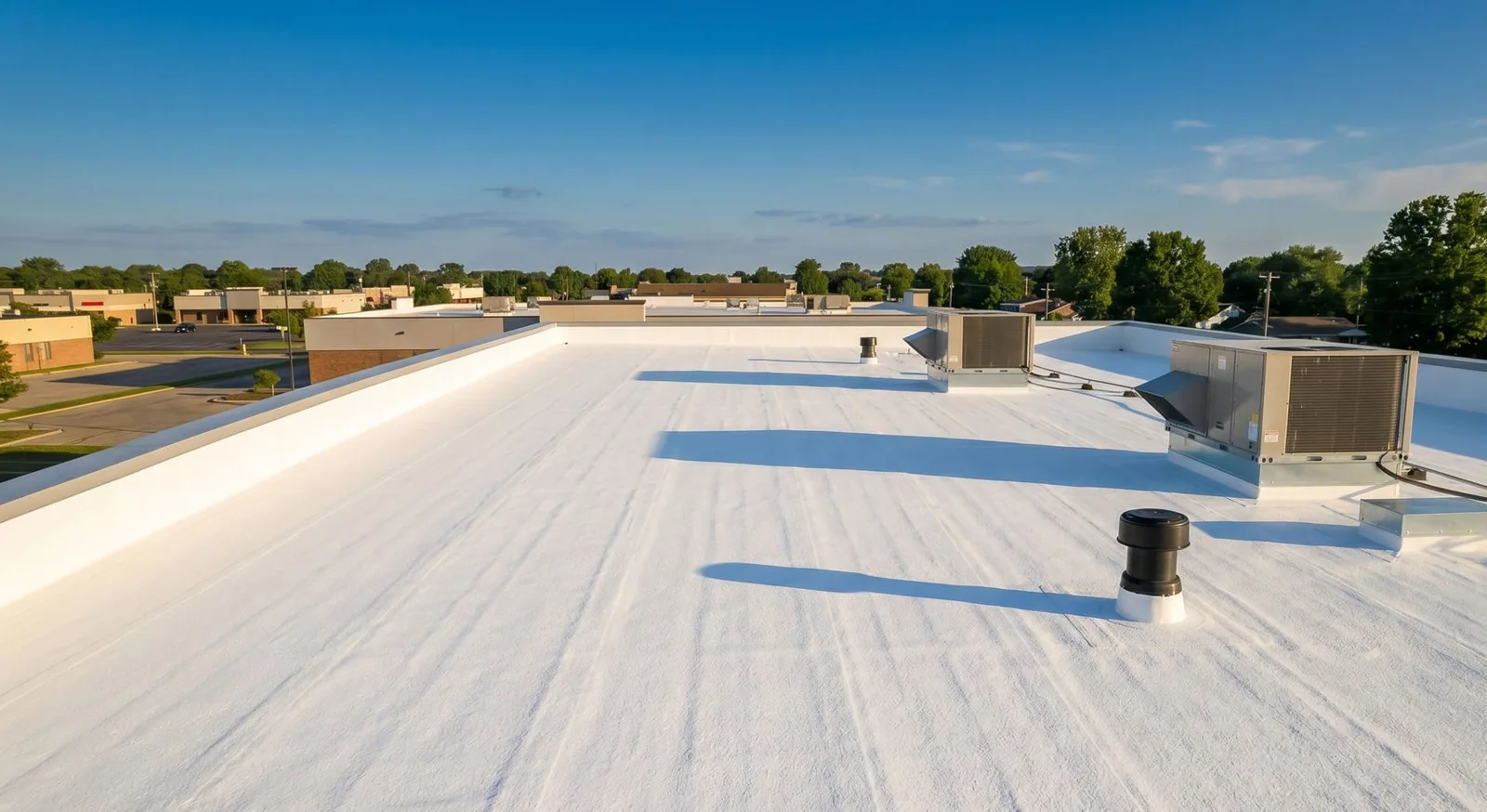
Panel width, seam geometry and joining method affect what can be repaired or replaced. We compare available records with accessible roof findings and identify uncertainty where a profile or attachment cannot be established without opening. A replacement component must form a suitable connection to retained material; a similar rib height alone is not sufficient. The scope explains the panel boundary and the details that need reconstruction to make the replacement work.
A metal roof condition examination records dents, open connections, displaced panels and accessible signs of attachment movement. Each finding is considered with its consequence for weather protection and the surrounding assembly. Cosmetic distortion and a compromised seam can require different responses. We locate the condition and identify further examination needed where the visible surface does not establish the state of a concealed clip or supporting component.
Earlier patches and surface treatments also deserve review. They can obscure the original detail or affect preparation for the proposed work. We record those interventions and identify whether they can remain. A coating or sealant applied over a moving junction may not address the connection causing the problem. The repair proposal therefore describes the material and mechanical condition that must be corrected rather than assume another surface application will restore the panel assembly.
Movement needs the intended detail
Metal panels change dimension with temperature, and the selected system accommodates that movement through its attachment and detail arrangement. We examine accessible connections and available system information before defining a repair. A rigid patch or additional fastener can alter the intended behavior at a junction. The proposed work should preserve the accepted movement arrangement rather than secure a loose-looking component without establishing why it moved.
Clips, fasteners and supporting construction are considered together. Selective removal may be necessary where their condition controls the repair. We identify the investigation and closure method before opening the assembly, then photograph relevant findings. Deteriorated support or an unsuitable existing connection can change the work boundary. The owner receives that change with the roofing consequence and any required qualified input before new panels conceal the location.
Panel ends and transitions also need appropriate movement and weather protection. Eaves, ridges and adjoining walls can have different connection requirements within the selected system. We review those details as part of the scope rather than treat the field panels as the complete roof. A replacement area must reconnect suitably at its boundaries, including components that may need removal even though they were not the most visible damaged pieces.
Openings are formed for the panel arrangement
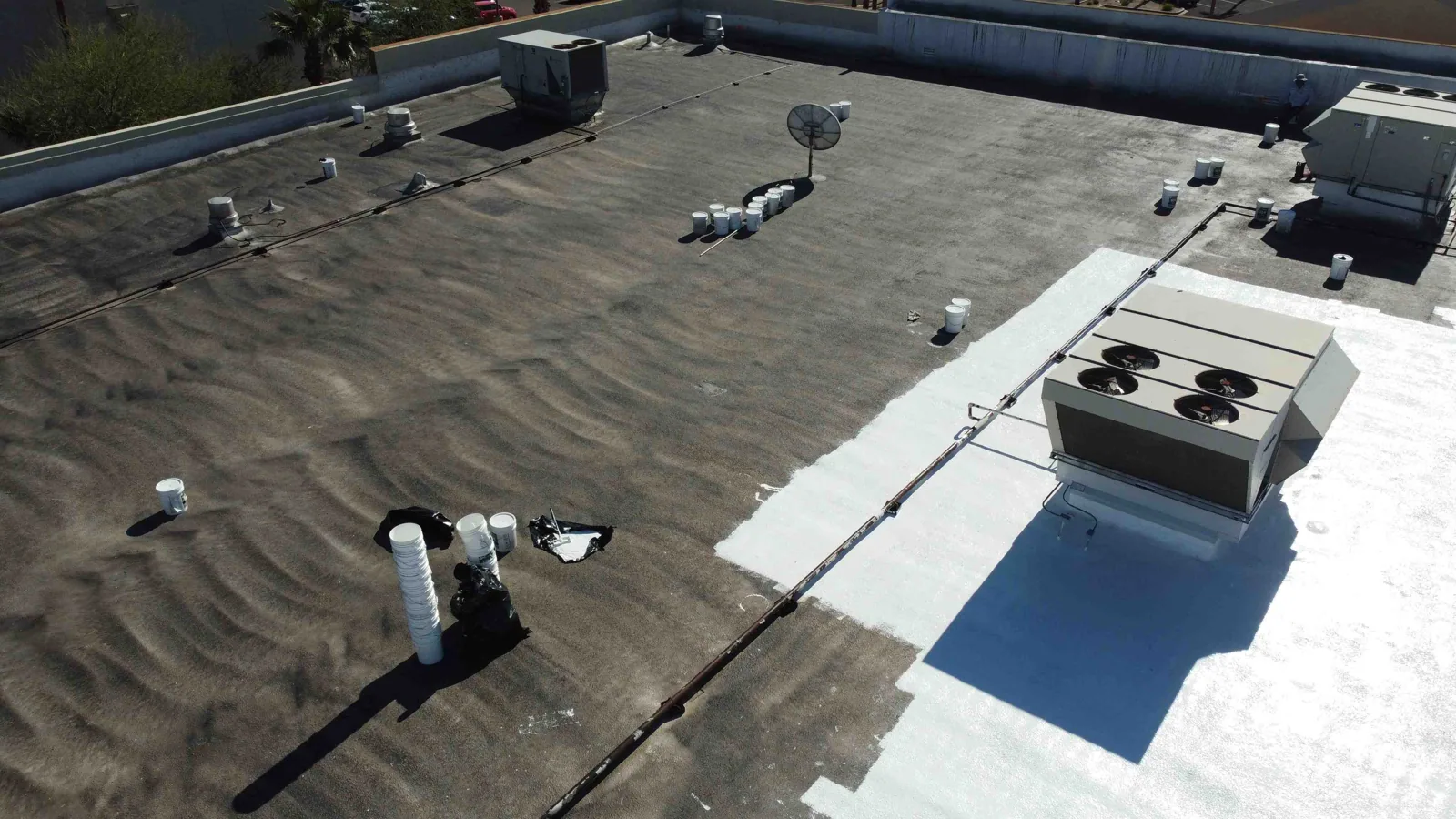
Curbs and penetrations interrupt the panel field and need details compatible with its geometry and movement. The equipment component and support are assessed by the responsible parties, while our roofing work defines the weathering connection. Planning the equipment roof interface identifies the sequence and information needed before a new opening is made or an existing curb is altered.
Water flow around an opening can be affected by its location and the surrounding panel arrangement. The project may require a specifically formed detail rather than a flat patch across raised seams. We identify the roof work needed to connect the component and preserve the intended drainage route. Where design or support questions remain, they receive the appropriate project assessment before the junction is treated as a local repair.
Metal perimeter and gutter work is coordinated with the panel termination. Damaged receiving components can affect both weather protection and discharge. The scope distinguishes roof panel repair from work to restore those adjoining parts, with any unresolved exterior or downstream condition made explicit. That keeps acceptance tied to a connected roof detail rather than replacement of one visible length while its boundary remains unsuitable.
Repair and retrofit have different obligations
A local panel replacement may be appropriate when the retained assembly can receive the new work. Widespread deterioration, unavailable compatible components or damaged support can justify a broader assessment. Metal roof retrofit options need their own review of retained construction, attachment and detail changes. An overlay is not treated as proof that concealed corrosion or an uncertain existing connection can remain without examination.
Where another roof system is proposed, the owner receives a defined comparison of supporting layers and connections. A TPO assembly over an appropriate substrate involves different requirements from panel replacement. We explain the actual construction route and project criteria for any suitable option. This comparison avoids an unsupported claim that one material is always preferable, giving the owner a basis grounded in the examined roof and the work required to change it.
The final record preserves panel and detail identity
Distribution building roof work can require coordination of loading activity, equipment access and areas below panel removal. Hawaii’s northeasterly trade winds affect handling and control of metal components during the operation. Heavier winter rain makes closure of exposed sections important. The crew evaluates the work conditions and limits removal to a sequence that can be protected, including when a concealed finding changes the planned panel replacement.
Owners in the Waiwai Loop employment district can retain the identified profile, relevant attachment findings and completed detail photographs. Equipment technicians can use the detail record to identify connections needing protection before tools or new components are moved across the roof. Later equipment changes or panel repairs should begin with that construction account and current condition assessment. We identify completed scope and outstanding matters, giving future personnel useful information about connections that a finished panel surface no longer reveals.
Commercial Roofing Questions
What is needed before ordering a replacement standing seam panel?
The profile, connection method and compatible retained components need identification. Similar outward dimensions do not establish that a new panel will join the existing assembly appropriately.
Can additional fasteners correct every moving panel?
The system’s intended movement and attachment arrangement need assessment first. A rigid intervention can change behavior at the connection without addressing the condition that caused displacement.
Why might a panel repair require selective removal?
Concealed clips or supporting material can control the repair decision. Recorded openings establish those conditions where the visible surface cannot provide the information needed for a suitable scope.
Does a new equipment curb require a standard flat patch?
The panel geometry, water route and component arrangement determine the detail. The proposed opening needs a compatible formed connection and any appropriate design or support coordination.
Which information should accompany the completed panel work?
Keep the identified profile, relevant attachment findings and closure views with the repair description. Future personnel can then assess a change against the known assembly rather than its appearance alone.
Establish the panel system before repair
Review standing seam metal roofing with Commercial Roofers Honolulu to identify profile, movement and connection requirements for the proposed commercial work.
Tell Us About Your Roof
We will follow up to set up a time to walk the roof.

Request a Roof Assessment
Tell us about the building and what you are seeing. We will follow up to set up a time to walk the roof.