
A hotel owner comparing silicone restoration proposals needs the coating quantities connected to the preparation and detail work they will cover. Commercial Roofers Honolulu evaluates silicone roof coatings in Honolulu, HI, by examining the retained surface and the assembly beneath it. Waikiki’s hotel setting and Ala Moana’s mixed commercial-residential buildings provide different occupied contexts for application. We establish whether the roof can receive the selected system and identify repairs required beforehand, allowing the owner to compare a complete restoration scope rather than a material allowance alone.
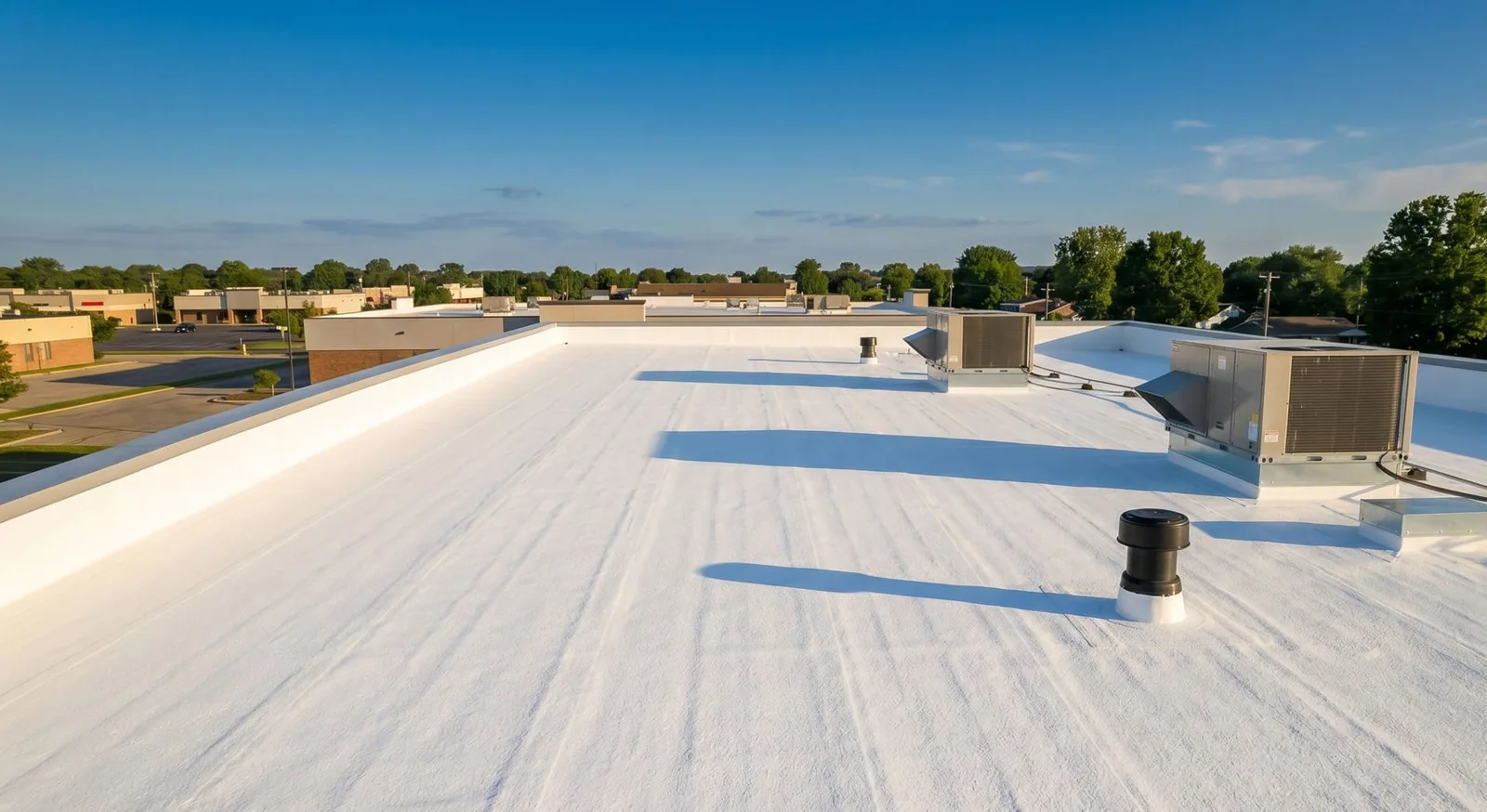
Silicone coatings can provide a weathering surface within an appropriate restoration or protective system, but the actual product and substrate requirements govern their use. Existing layers, drainage and earlier treatments affect suitability. The proposal needs to identify those conditions and the preparation required for a supported application. We explain the selected system’s role in the assembly without claiming that a coating resolves wet insulation, unstable flashing or every water-exposure condition regardless of its product requirements.
The surface needs a preparation decision
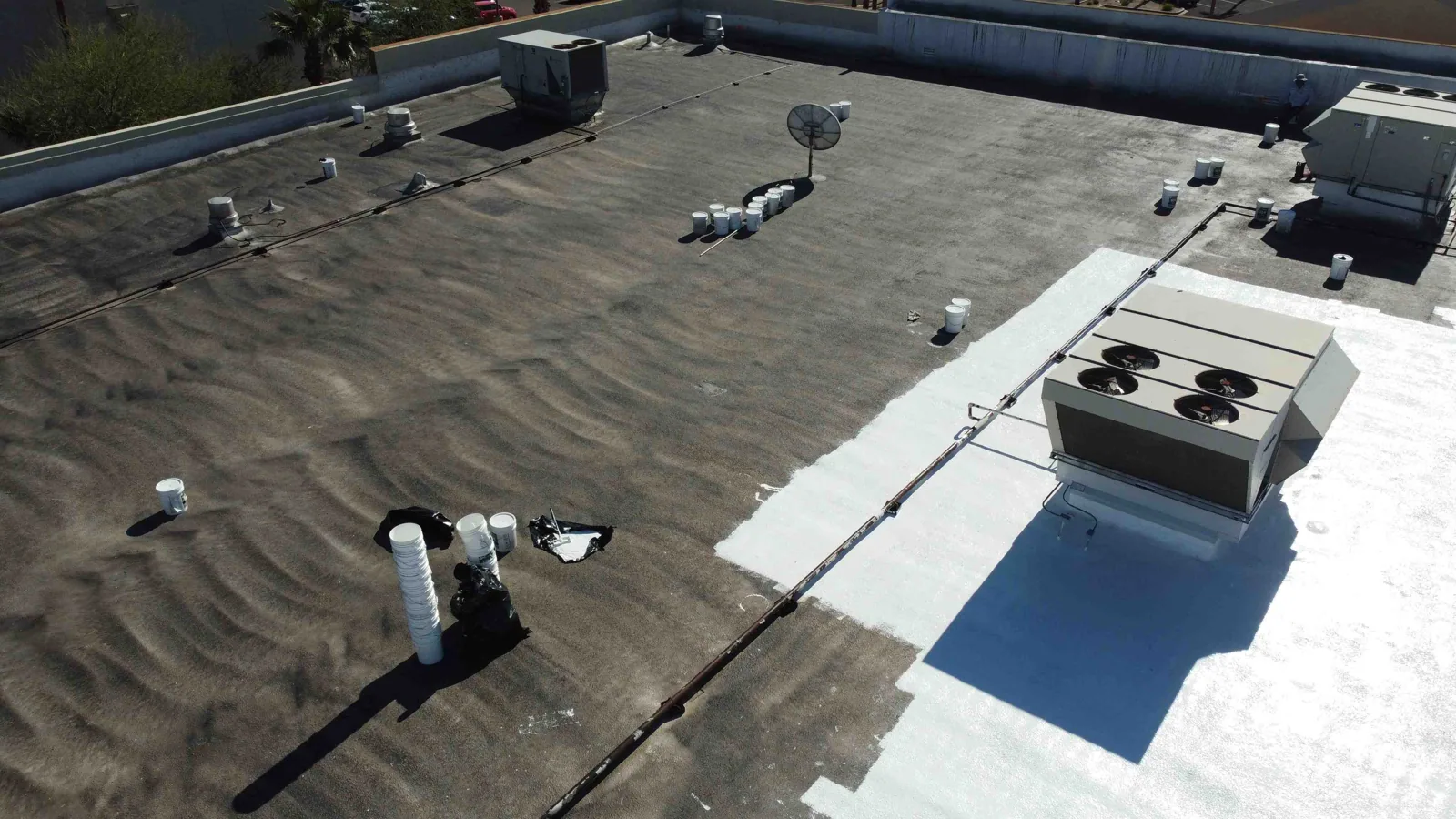
We examine the existing roof material and any earlier coating or repair treatments. Loose material, dirt, residue and incompatible surfaces can affect adhesion. Preparation is selected for the actual substrate and the coating system, including cleaning, removal and primer requirements where applicable. The owner receives an account of the work needed to reach a suitable surface rather than a general promise that pressure cleaning will make every roof ready.
Adhesion testing may help establish the proposed connection at a prepared location. We identify its purpose and interpret it with the broader substrate condition. A satisfactory local result does not remove the need to assess areas containing a different treatment or deterioration. Preparation limits and required repairs stay connected to the roof findings so the final scope does not quietly assume that one tested surface represents every separate roof area.
Where the roof condition requires a broader decision, a restoration suitability assessment considers retained material and alternatives. Confirmed wet layers or damaged support receive appropriate removal or reconstruction before application. The resulting proposal distinguishes preparation of a serviceable substrate from repairs needed because the assembly itself has deteriorated. That distinction gives the owner a clear basis for authorizing both the coating and the material work it depends.
Water exposure is reviewed by location
Water remaining on a roof deserves an assessment of the outlet arrangement, local geometry and material condition. The selected silicone system’s requirements need to be compared with that exposure. A general category description is not enough to decide that every low area can remain unchanged. We identify the affected location and explain any investigation or correction required before restoration is presented as appropriate.
Outlet and discharge examination can establish whether obstruction, component damage or roof levels contribute to the condition. A coating does not lower a raised drain or restore restricted downstream piping. The scope describes the roofing response and any necessary trade coordination separately from application. Owners can then understand what will improve the drainage path and what work provides a suitable new weathering surface.
Hawaii’s heavier rainfall is generally associated with winter storms from October through April. That pattern makes the application window and preparation of known drainage locations relevant to scheduling. Actual weather and substrate conditions still determine whether the selected operation can proceed. We plan exposed repairs and coating stages with their closure requirements, ensuring the roof remains appropriately protected if a prepared area cannot receive the next material as scheduled.
Reinforcement follows the selected system
Seams, corners and transitions can require reinforced treatment according to the coating system. The existing junction must first be suitable to receive that work. A separated termination or loose component may need reconstruction rather than another layer bridging the movement. We identify those repairs and photograph the prepared detail, preserving an account of the connection before the field application makes the earlier condition less visible.
Flashing preparation around penetrations is coordinated with backing, component support and the upper termination. Where another trade must alter a pipe or equipment part, its work is completed in the necessary sequence. A coating detail should not be expected to compensate for an unsupported penetration. The proposal assigns the roofing closure and identifies separate responsibilities so the final junction can be accepted as connected work.
For a foam roof receiving protective treatment, the foam and existing surface condition require their own review. Damaged material must be addressed before another coating conceals it. Silicone applied within a selected foam roofing system is assessed with that complete assembly’s requirements, not simply transferred from a restoration proposal written for a different roof substrate.
Coverage is checked against the specification
The selected system establishes the relevant material application requirements. We coordinate quantities, coverage and detail work rather than treat the number of containers delivered as proof of completion. Suitable checks during application support the specified protective layer. Locations needing additional treatment are identified, and the record distinguishes field application from reinforced connections. The owner can review the scope through material and execution evidence instead of relying only on the uniformity of the visible finish.
Hawaii’s persistent trade winds affect work-area control and the method used to manage application near occupied surroundings. We identify neighboring surfaces, equipment and access routes requiring protection. For hotel roof coating operations, those conditions are coordinated with the owner’s operating needs. Actual working conditions and the selected product’s requirements guide when the operation proceeds, including the interval needed before the surface can return to its agreed use.
An acrylic coating alternative has different system requirements and may require a different preparation or weather sequence. Any appropriate comparison identifies the complete installation scope for each option. We do not rank materials through an unsupported claim that one category suits every roof. The owner’s choice follows the actual substrate, exposure and required work established during the assessment.
Later repairs use the known coating system
Owners in Waikiki’s hotel area receive the installed silicone system description with preparation and completed-detail photographs. The record identifies retained material, repairs and any limitation beyond the completed scope. Future work should use compatible methods for the known system rather than apply an unidentified treatment over the surface. Equipment access and protection are described where repeated servicing could affect the coating.
Follow-up roof maintenance examines the protective surface and the reconstructed details as part of the same condition account. Damage, separation or a new discharge receives a located assessment before another application is proposed. We explain the findings that justify continued care or a broader assembly review. The handover therefore supports future ownership decisions, retaining the preparation basis and material identity that may no longer be apparent from the finished roof.
Commercial Roofing Questions
What should be compared besides silicone material quantity?
The preparation, repair boundaries, reinforced details and application requirements establish the complete scope. Material delivered alone does not show that the surface and connections were treated as required.
Does a silicone category label establish suitability for standing water?
The actual product requirements and roof condition need review. Drainage defects and damaged layers require their own response rather than rely on a general material description.
Why perform a test on a prepared substrate?
It can help assess the proposed bond at that location. The result is considered with surface variation and existing treatments across the work area before the scope is finalized.
Can reinforced coating replace reconstruction of a loose termination?
An unstable connection may need correction before reinforcement is applied. The selected detail must have a suitable base and movement arrangement rather than bridge an unresolved mechanical condition.
Which care information should accompany the finished coating?
Retain product identity, compatible repair requirements and relevant access protection with the completion record. Future damage or equipment changes can then be reviewed against the installed system.
Compare the complete silicone restoration scope
Assess silicone roof coatings with Commercial Roofers Honolulu and define substrate preparation, drainage questions and the protective detail work required before application.
Tell Us About Your Roof
We will follow up to set up a time to walk the roof.

Request a Roof Assessment
Tell us about the building and what you are seeing. We will follow up to set up a time to walk the roof.